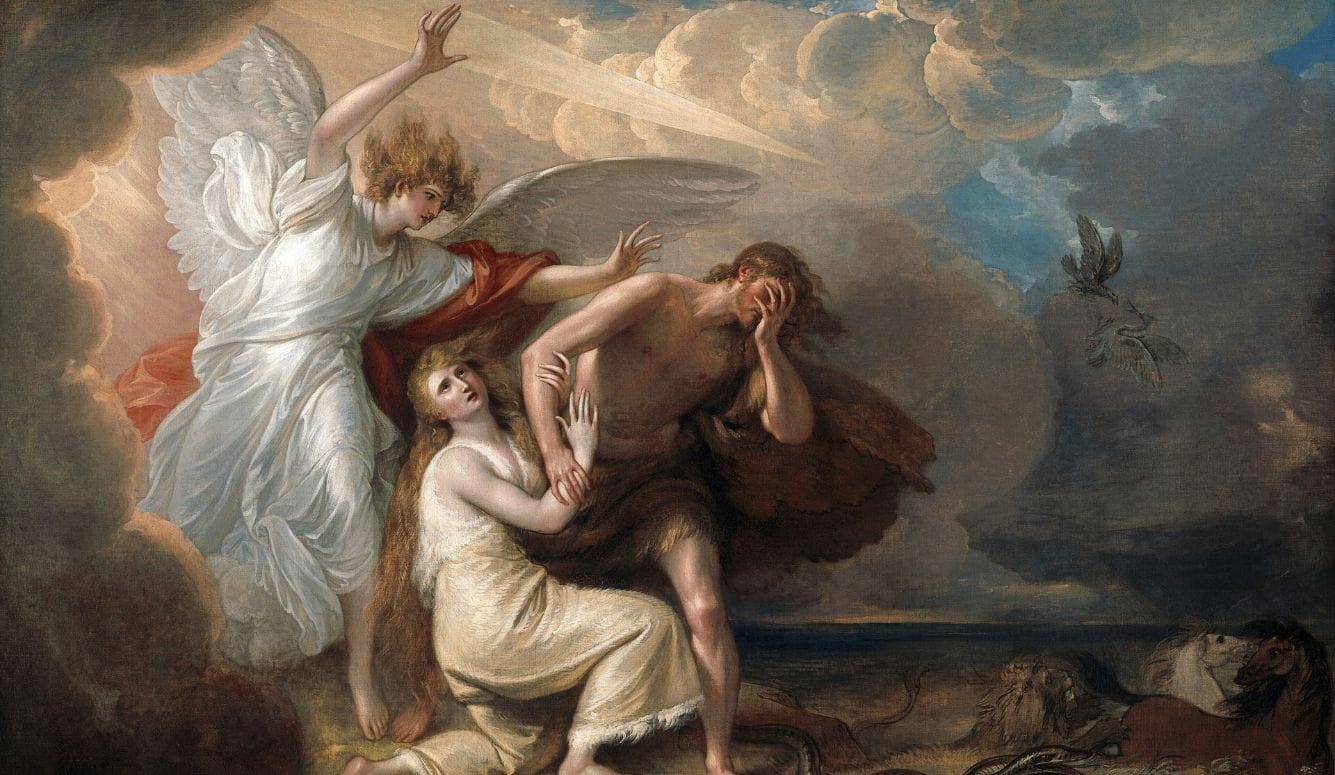
The Genetics of Crime and Punishment
Despite her professed atheism, Kathryn Paige Harden insists on making quasi-religious claims about free will and moral responsibility.
Damien Morris
· 13 min read
A collection of 29 posts
Despite her professed atheism, Kathryn Paige Harden insists on making quasi-religious claims about free will and moral responsibility.
Why a Victorian obscenity trial tanked the birth rate, what the wellness industry gets wrong, and the case for choosing your baby's genes — with the internet's most data-obsessed anon.
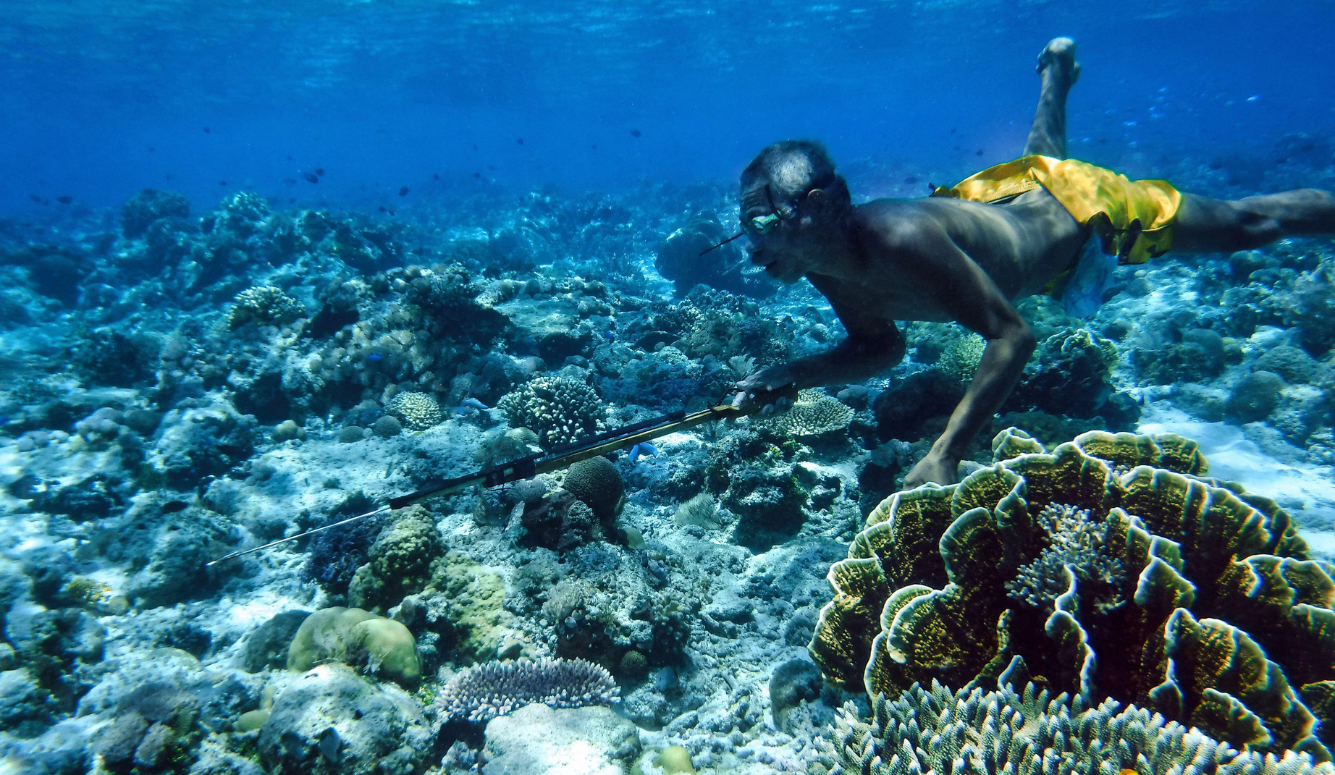
Humans have not merely been shaped by evolution—we have shaped it too, through the environments we chose to inhabit and the lives we chose to lead.
David Reich and the politics of recent human evolution.
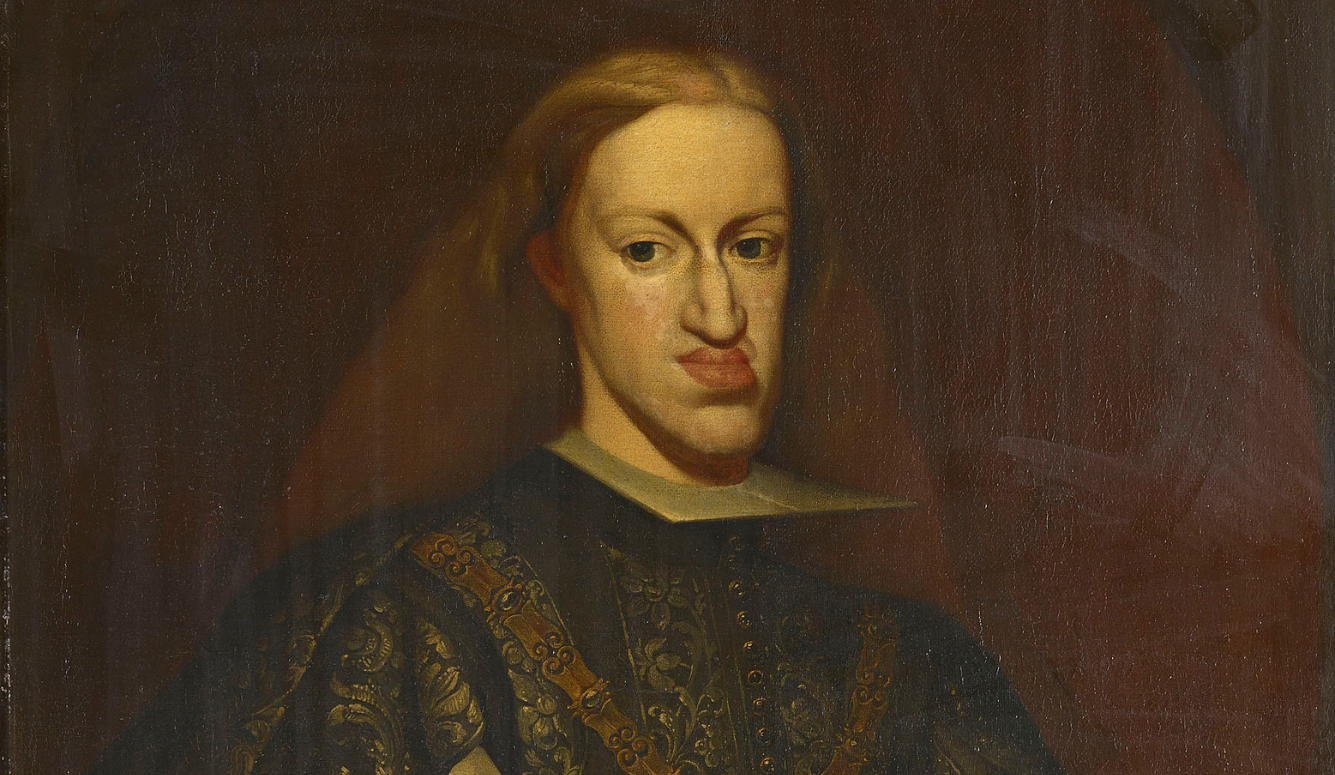
What large-scale genomic data reveals about consanguinity, inherited disease, and the uneasy politics of discussing biological risk.
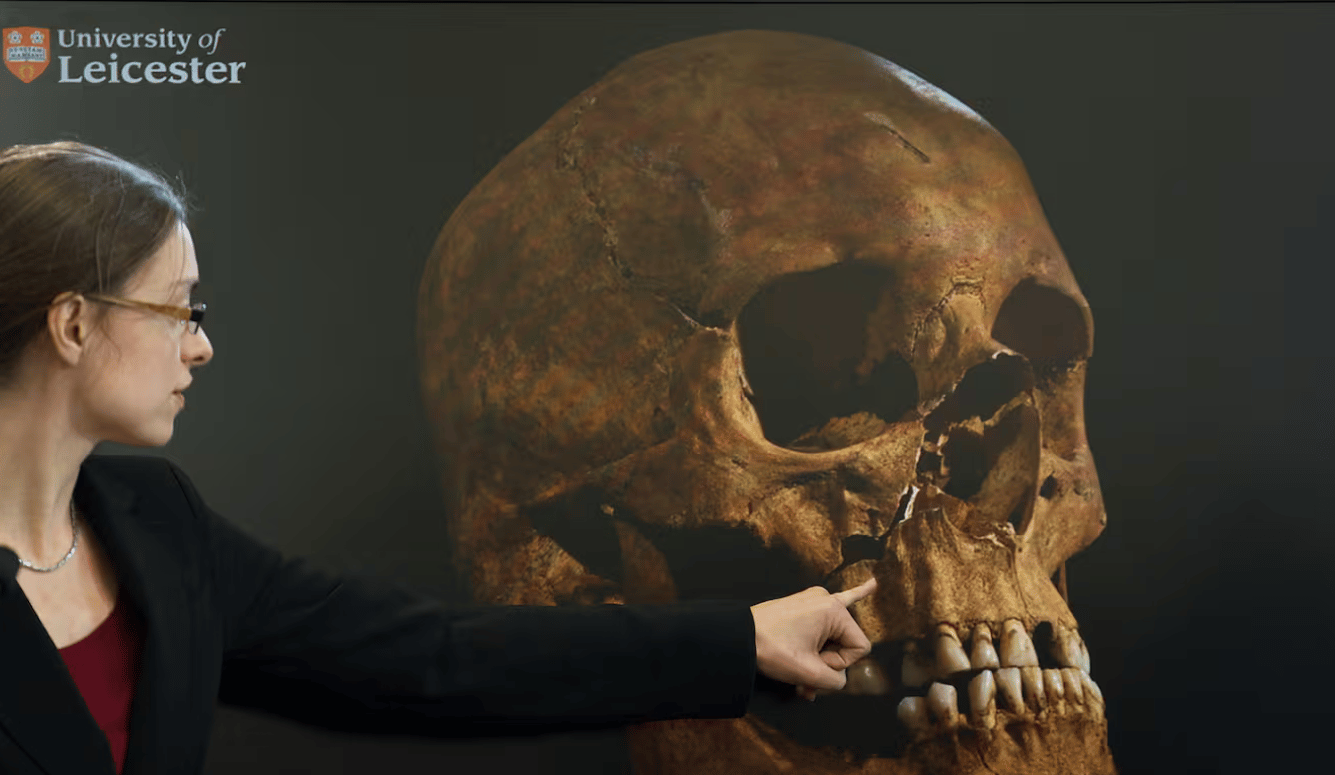
When combined thoughtfully with traditional historical methods, analysis of ancient DNA can illuminate the lives, characters, and motivations of people long dead.
How kinship, culture, and genetics shaped one of humanity’s oldest taboos.
A look at the process, history, and ethics of a potentially revolutionary new technology.
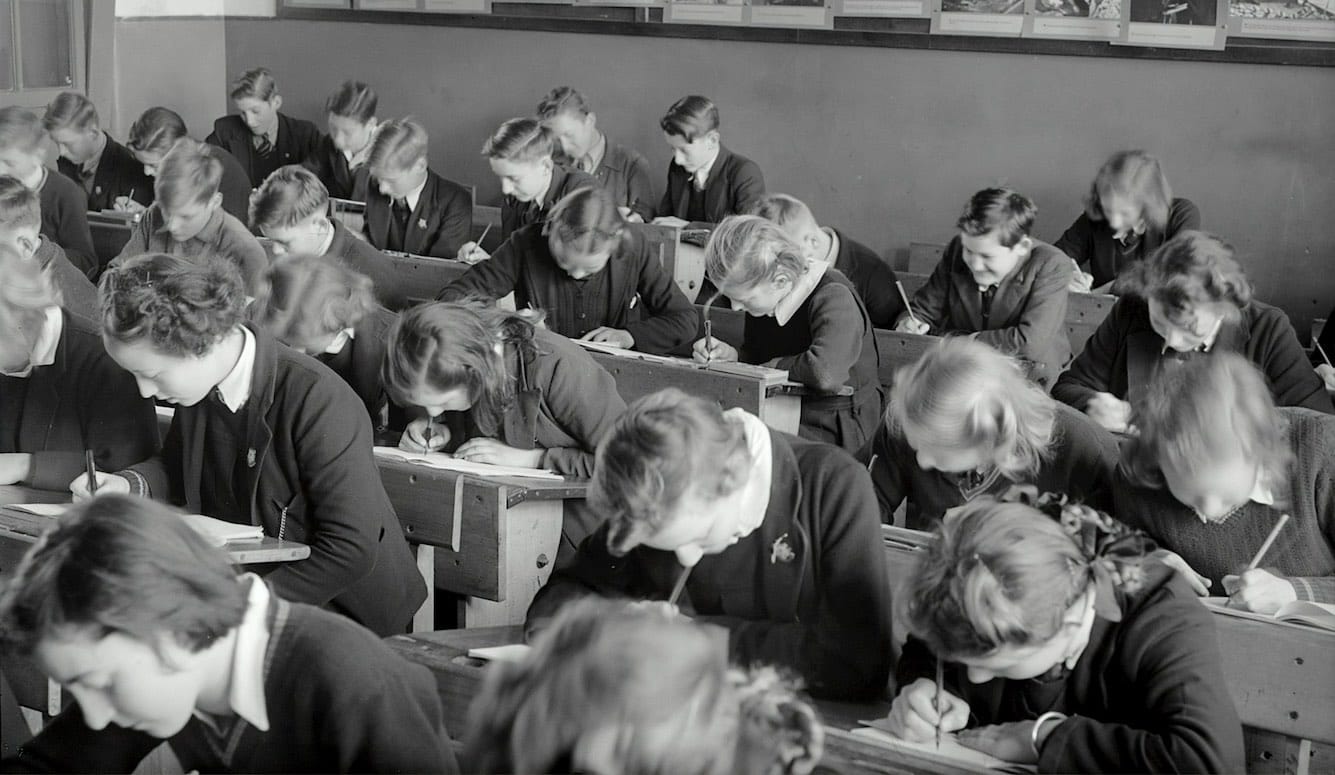
We devote a lot of resources to trying to equalise student outcomes, but under ideal learning conditions, individual differences in student achievement widen.
This is a story of some of the greatest findings in modern research, and of the dismal narrow-mindedness and motivated reasoning displayed by scholars who ought to know better.
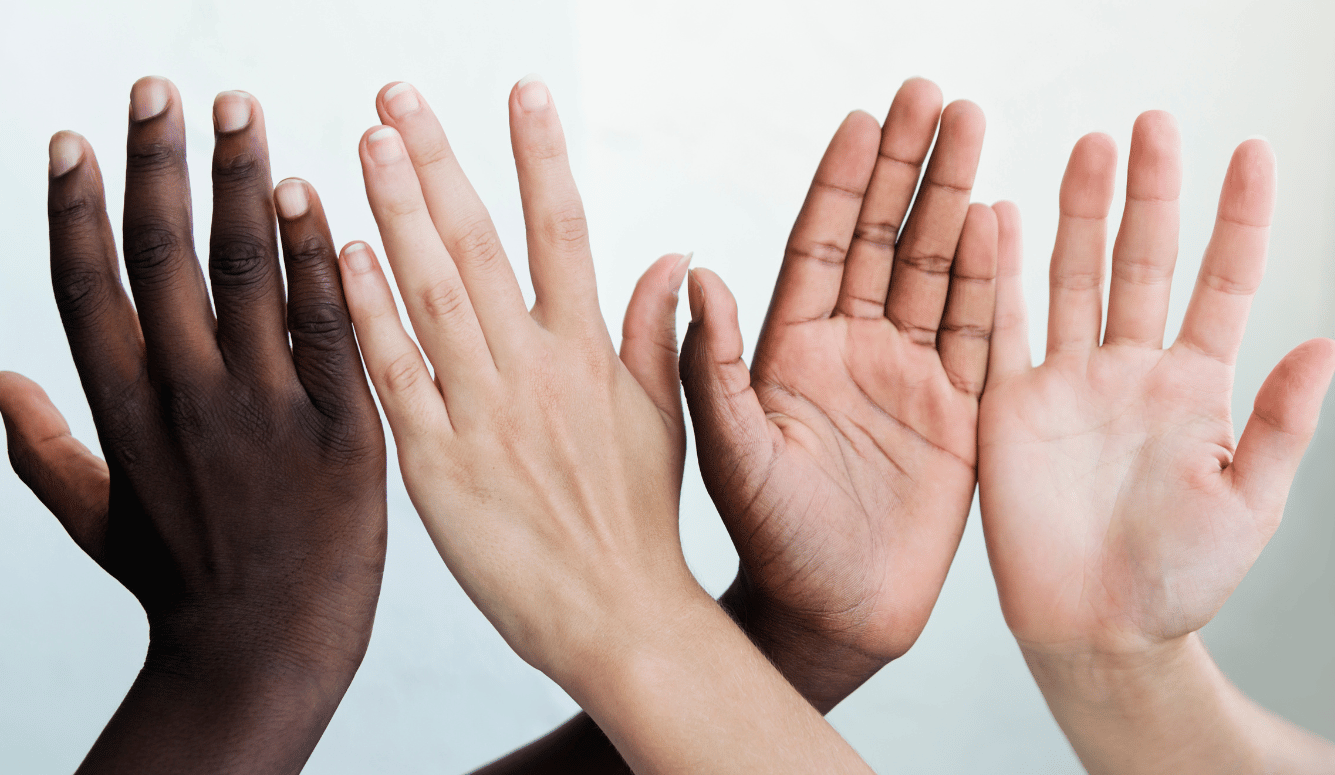
Skin colour, genetics, race, and racism.
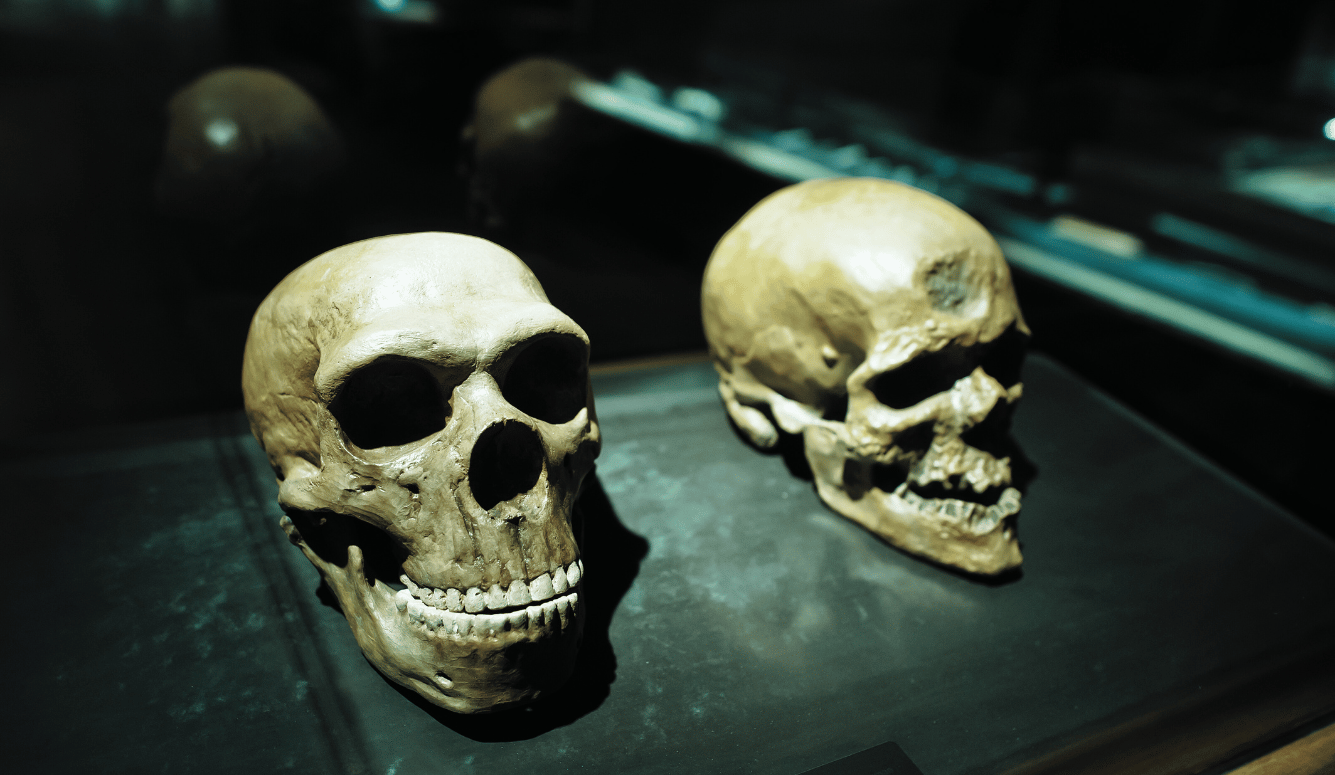
Human populations differ in psychological as well as physical traits.
A conversation with geneticist and writer Razib Khan.

A recognition that genetic influences on social outcomes are important will potentially influence the kind of help that society offers poorer individuals. But it does not in any way compel an absence of help, or a casual indifference.

If we allow ideological campaigns to discourage controversial research, we will be making a terrible mistake.