What We Talk About When We Talk About Immigration
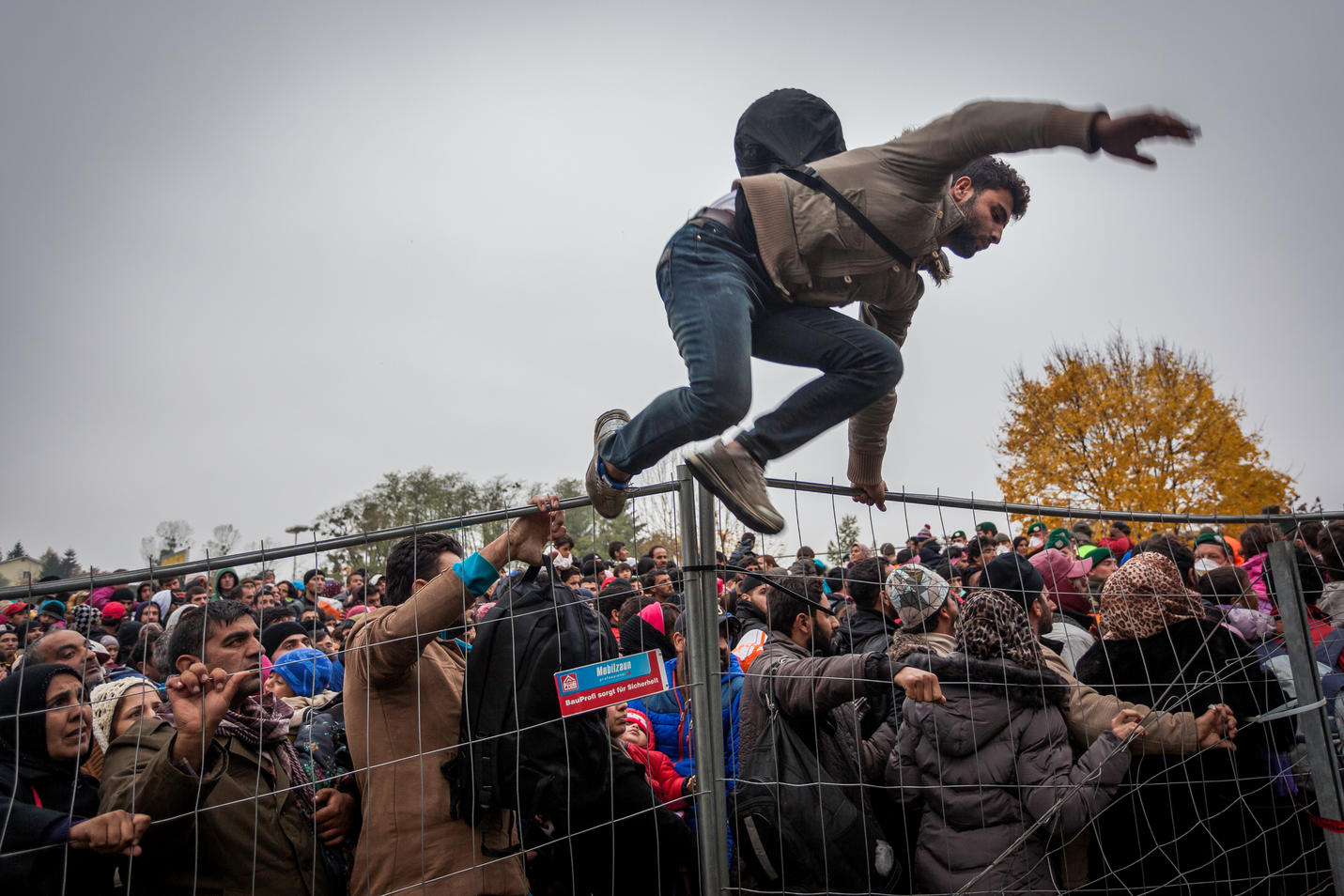
Focusing on immigration policy through the lens of political allegiance is both dangerous and often ahistorical.
A collection of 99 posts
Focusing on immigration policy through the lens of political allegiance is both dangerous and often ahistorical.
While Scruton’s environmentalism gives us a reason to protect our local environments, the reality is that the effects of many environmentally damaging practices are not just experienced locally.
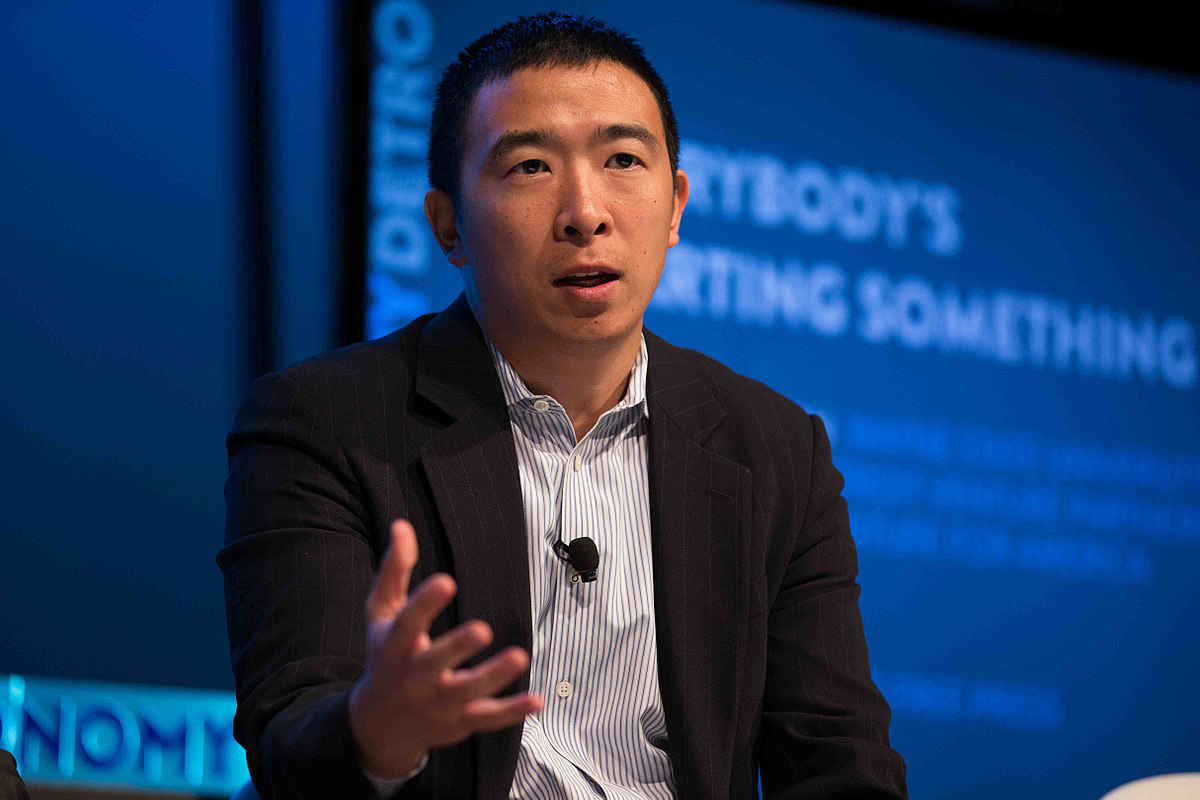
His campaign focuses on solving the problem of job losses to automation—an issue many politicians seem happy to ignore.
“Rising inequality” has become a catch-all explanation with which politicians, journalists, and intellectuals can wave away the actual concerns of “populists,” with abstract talk about the “underlying economic causes” — few if any of which stand up to scrutiny.
Societies the world over have had to adapt to high rates of infant and child mortality, developing beliefs and social traditions to mitigate the impact of seeing so many of their offspring die
Progress tends to be defined as 1) change, 2) which is for the better, and crucially 3) which is driven by humans rather than arrived at evolutionarily.
In the suggested world of universal basic income, what puts pressure on the government to maintain democracy and political rights?
There is good reason for the controversy. Early in the book, Reeves lays out the inconvenient truth:
Although the failure to stop an unethical practice is often attributed to character problems such as greed, sexism or the relentless pursuit of self-interest, our explanation is subtler.