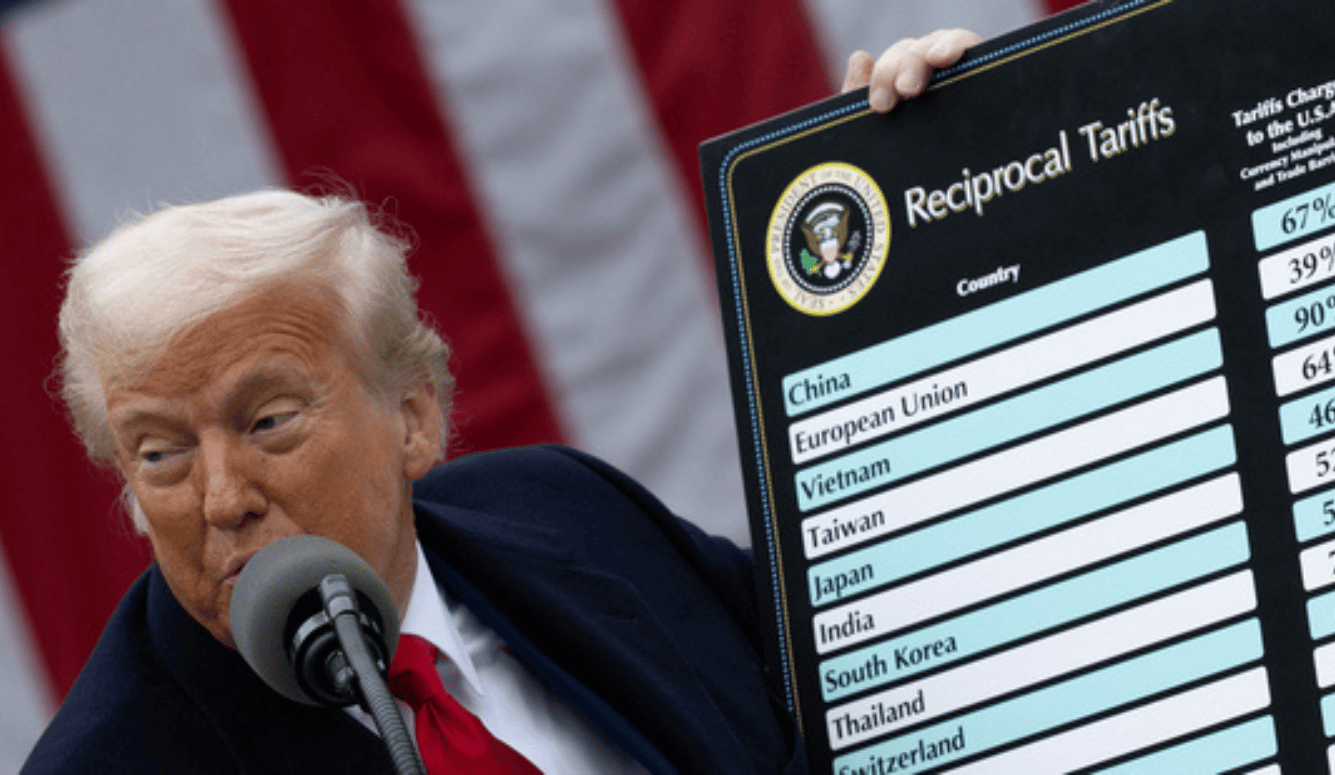
The Nonsense of the “Tariff Men”
President Trump’s protectionist policies are erratic, ill-defined, and incoherent.
Phillip W. Magness
· 15 min read
A collection of 103 posts
President Trump’s protectionist policies are erratic, ill-defined, and incoherent.
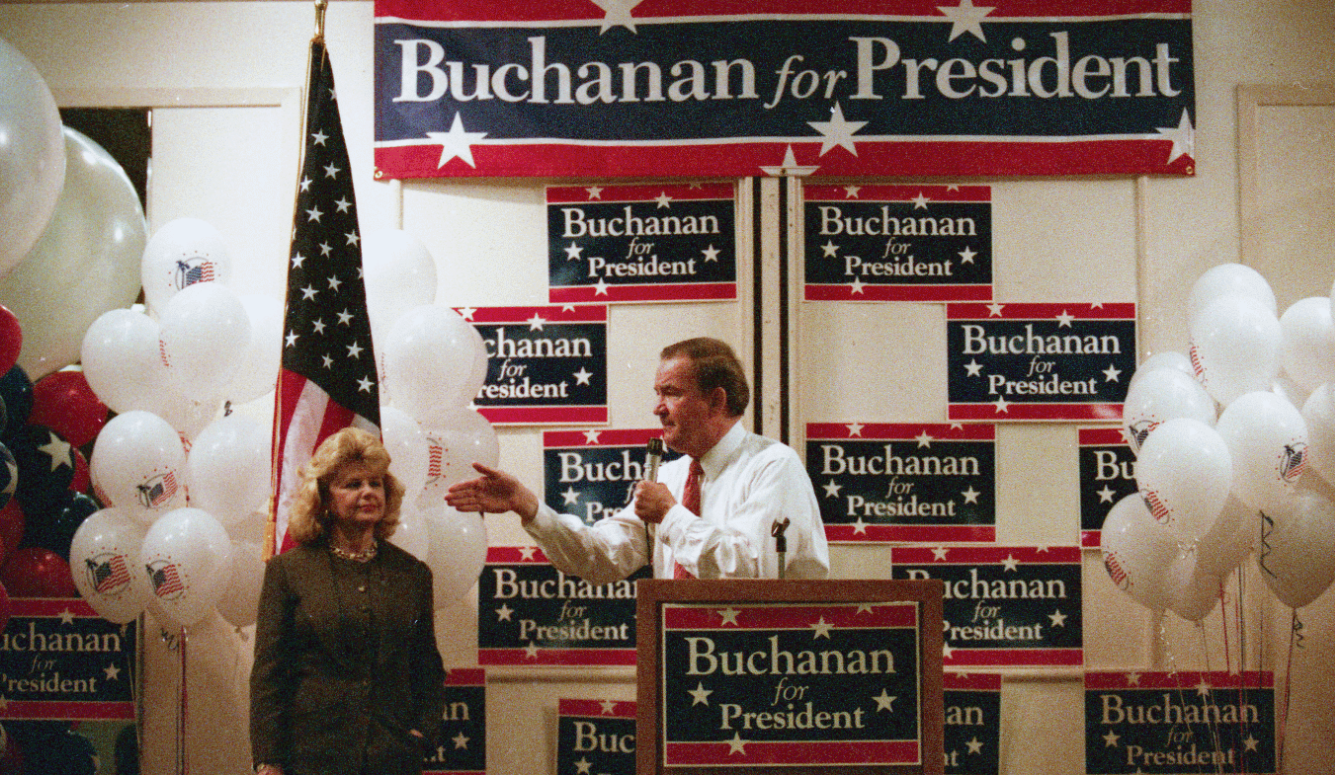
John Ganz’s lively new book provides a valuable account of the intellectual origins of Trumpism.

Glenn Loury’s startlingly frank confessional memoir offers a complex portrait of a brilliant scholar and a profoundly flawed man.

Western societies stand on the brink of a great reversion towards a demographically and economically stagnant society reminiscent of the Dark Ages.

Technology steers my life along tracks chosen for my digital double, not for me. But this proxy personalisation wouldn’t work at all if I didn’t play my part.

The Spanish tradition of limited government is older than the Magna Carta. Argentina will do well to revive it.

The payday-loan debate revisited.

If life is better than ever before, why does the world seem so depressing?

The DINKs video isn’t shaping culture—it’s a cultural response to the rising opportunity cost of having children in free and prosperous societies.

His political ascent was meteoric, but classical liberalism has a storied history in Argentina.

The more people there are, the more solutions to problems will be found.

The standard textbook model of monopoly economics only applies to the real world in a narrow range of circumstances.

Andrew Koppelman’s analysis of libertarianism is rich in detail and full of thought-provoking ideas.

A recognition that genetic influences on social outcomes are important will potentially influence the kind of help that society offers poorer individuals. But it does not in any way compel an absence of help, or a casual indifference.
Foundations are having to fend off pressures to conform to the new philanthropic orthodoxies on race and identity issues.