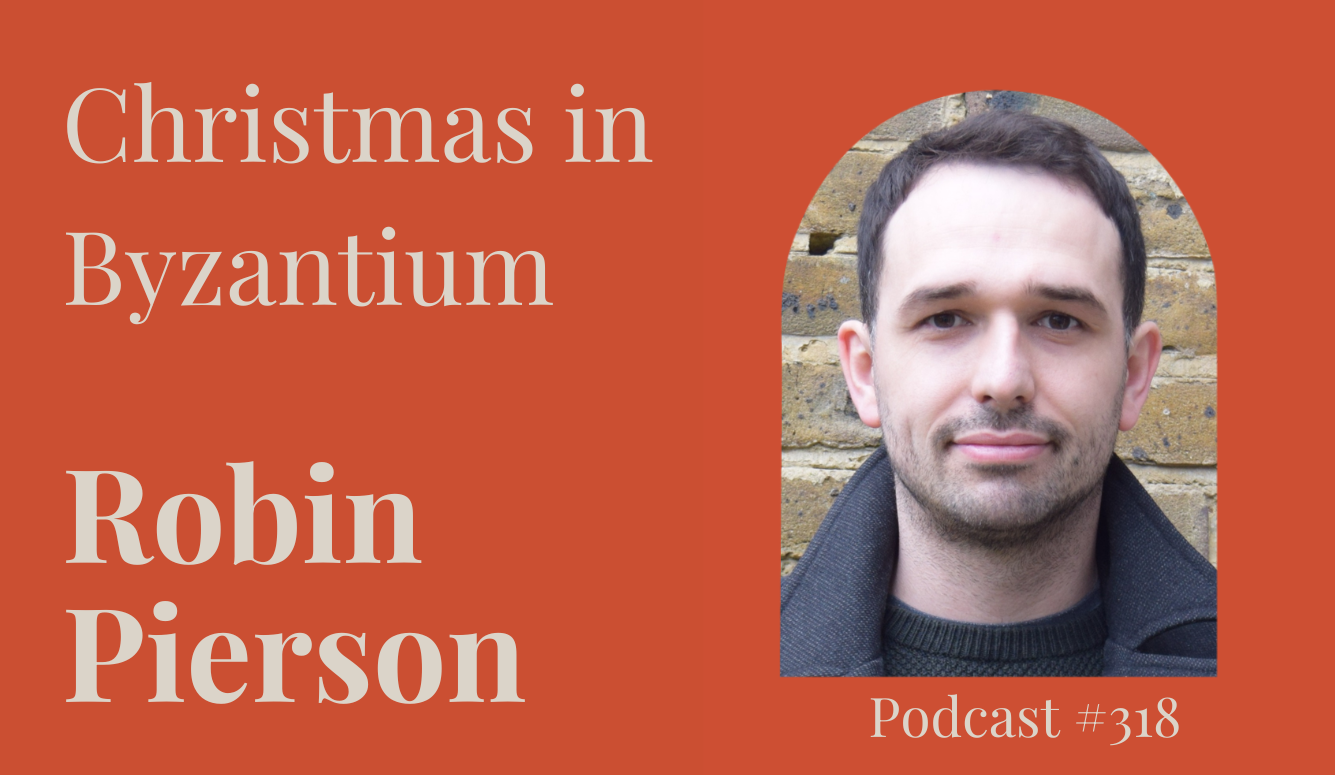
Podcast #318: Christmas in Byzantium
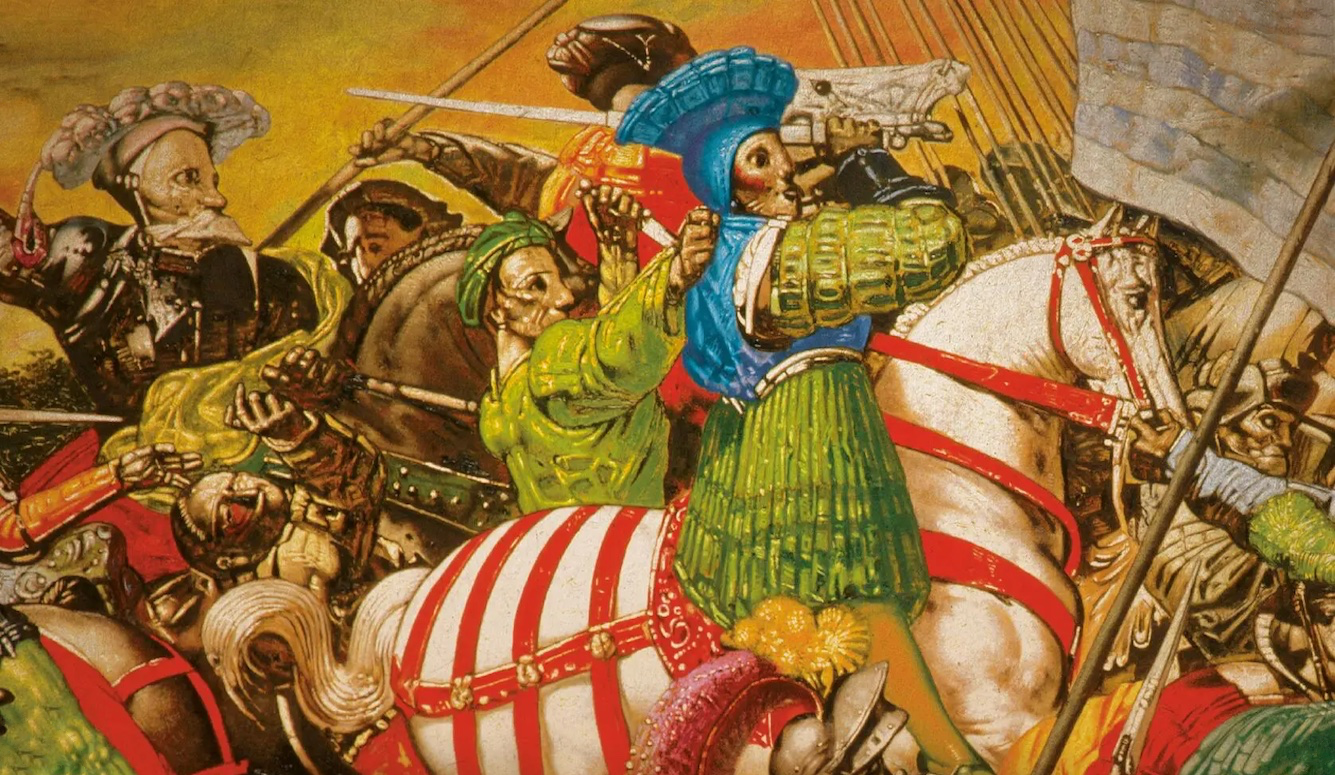
Jonathan Kay speaks with History of Byzantium podcast host Robin Pierson about the Christian traditions and imperial culture that took root in the eastern half of the Roman Empire.
A collection of 20 posts
Jonathan Kay speaks with History of Byzantium podcast host Robin Pierson about the Christian traditions and imperial culture that took root in the eastern half of the Roman Empire.
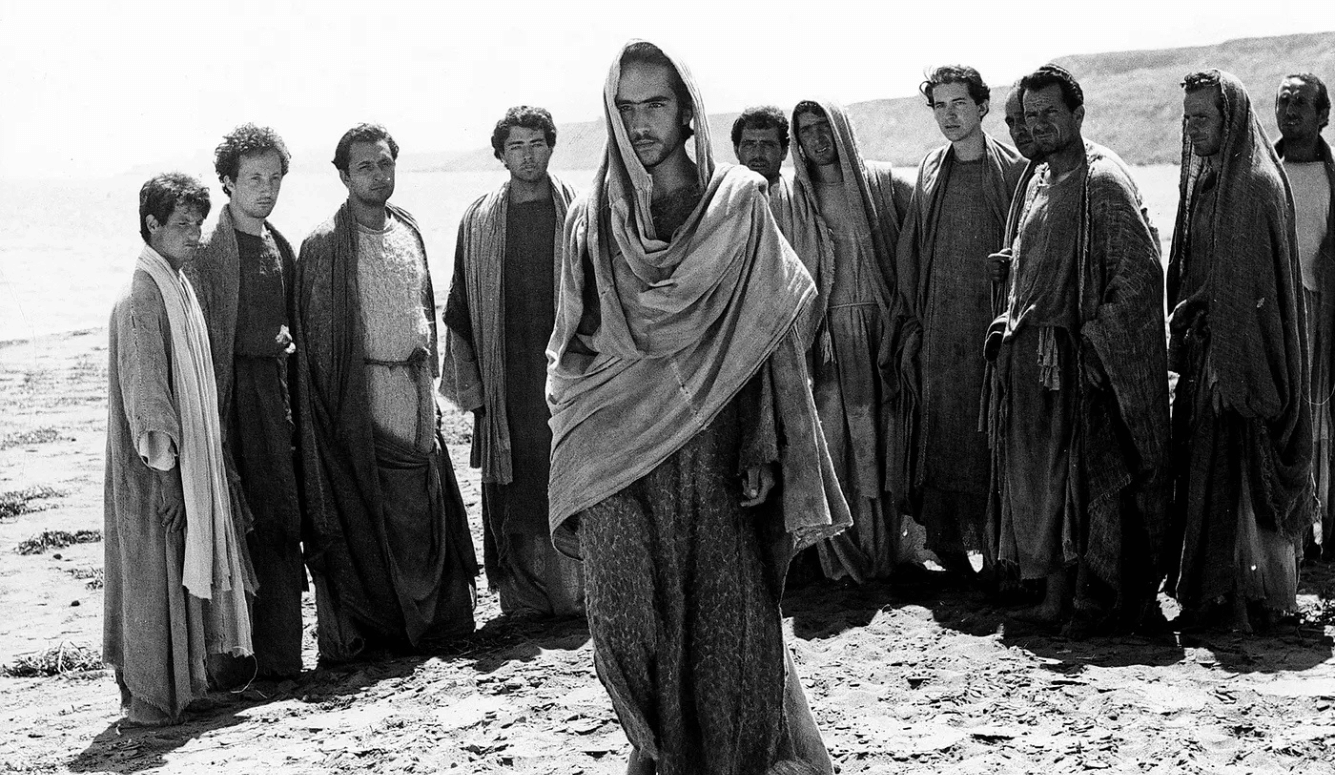
Pasolini's 1964 film reimagines the gospels as fundamentally Jewish stories.
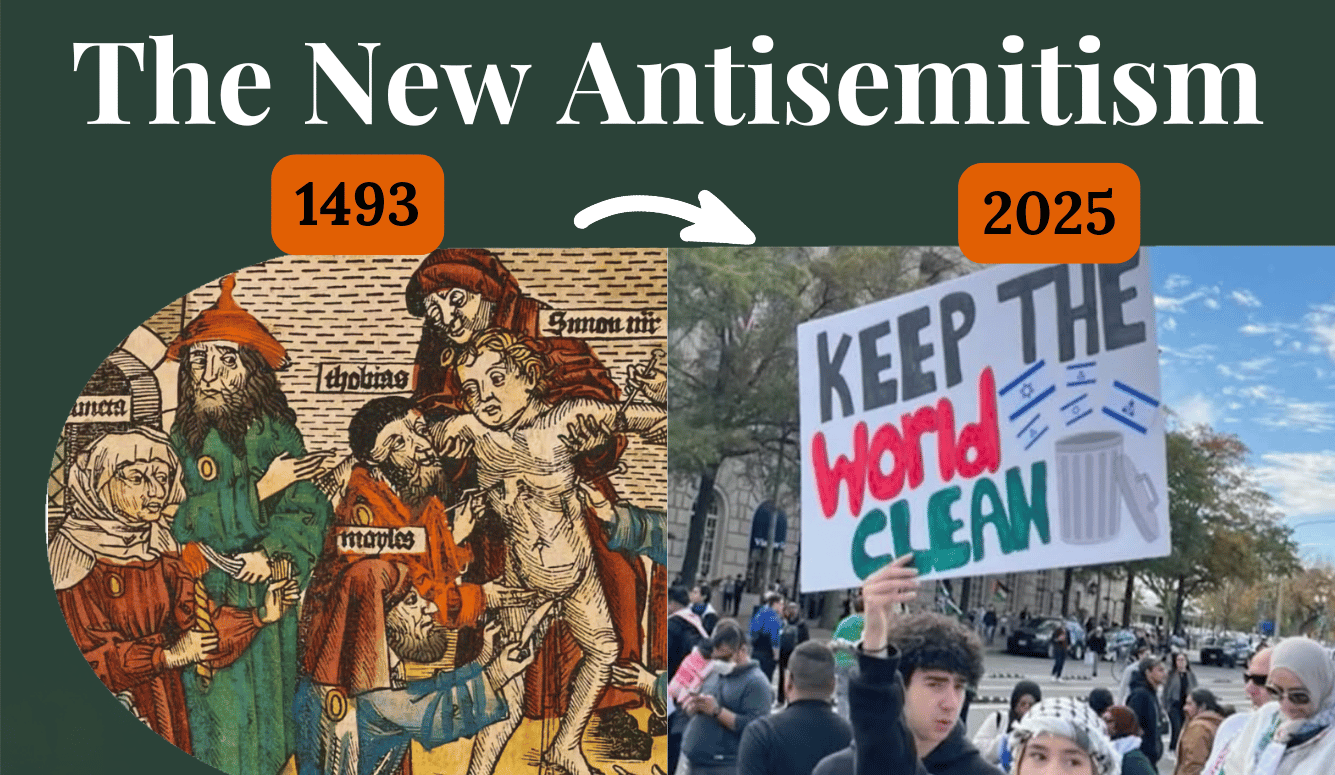
Why is antisemitism resurging? Why has support for Hamas taken hold on Western campuses? And how do Qatar, media narratives, and fading Holocaust memory feed today’s crisis?
Jonathan Kay speaks with scholar Paula Fredriksen, whose new book describes the theological diversity that existed among Christian communities before Nicene Christianity was adopted as Rome’s state religion in the fourth century.
The first and largest mistake Douthat makes in his new book is to argue that faith and rationality are mutually supportive.
Though faith may provide comfort to some, it cannot produce reliable facts about nature that can be used to repair a divided populace.
Quillette podcast host Jonathan Kay speaks with David Crowther about seventeenth-century puritan attitudes toward yuletide debauchery—and about his acclaimed History of England podcast.
In a forthcoming book, Lyndal Roper argues that the German Peasants’ War of 1524–25 was a missed opportunity to enshrine a Christian theology centred on equality and brotherhood.
In the 22nd instalment of ‘Nations of Canada,’ Greg Koabel describes how Louis XIII and Cardinal Richelieu used their nascent Quebec colony as a means to promote French global power and spread Christianity.
Many liberals are strangely eager to concede that liberal societies are morally and spiritually bankrupt without religion to give life meaning.
Western civilisation has not succeeded because its liberal and secular principles are Christian; it has succeeded because Western Christians have accepted its liberal and secular values.
Christmas offers a chance to remind ourselves of the intellectual debt that our editors and writers owe to the Christian tradition.
How can we expect political sense or reason from people who cannot distinguish empirical reality from ancient myth?
Without a faith, people must find new sources of meaning, new congregations to which they can belong.