Under Attila’s Gaze
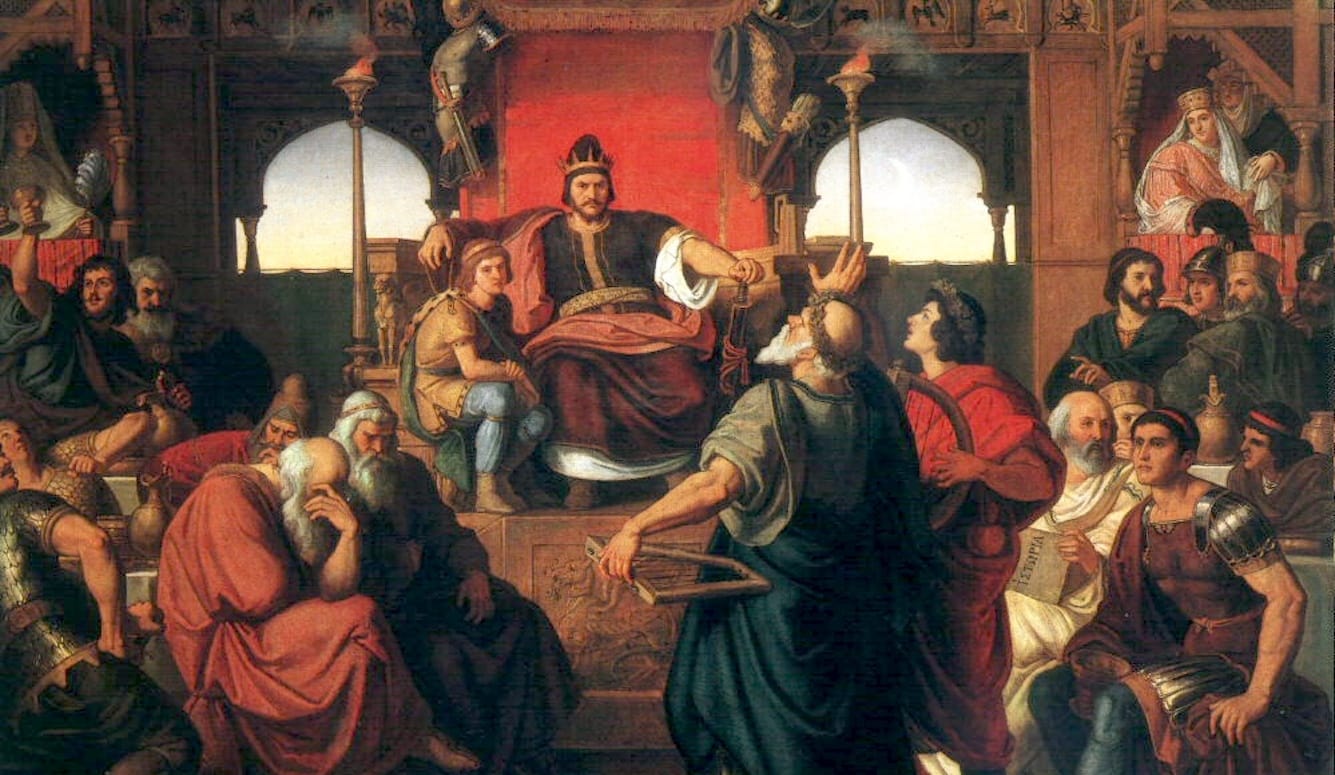
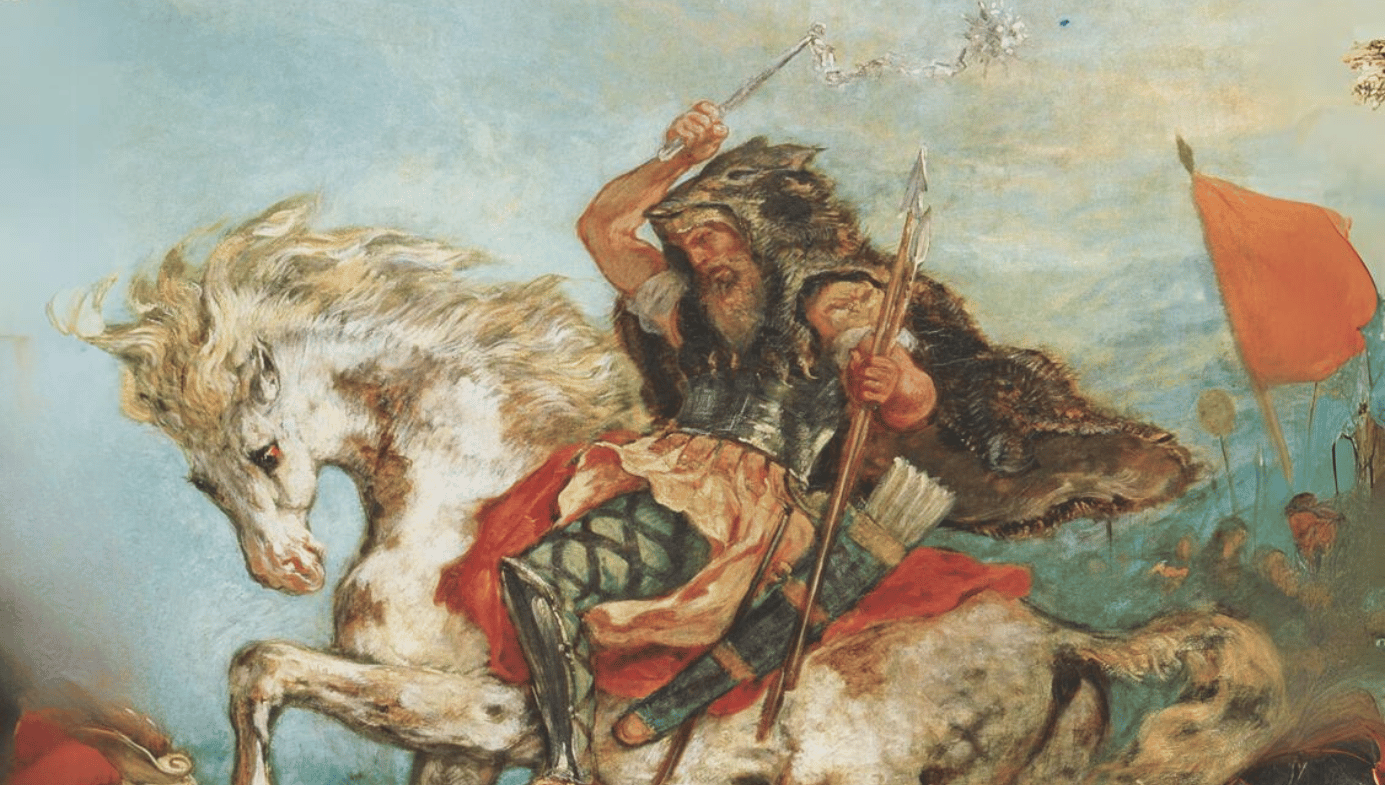
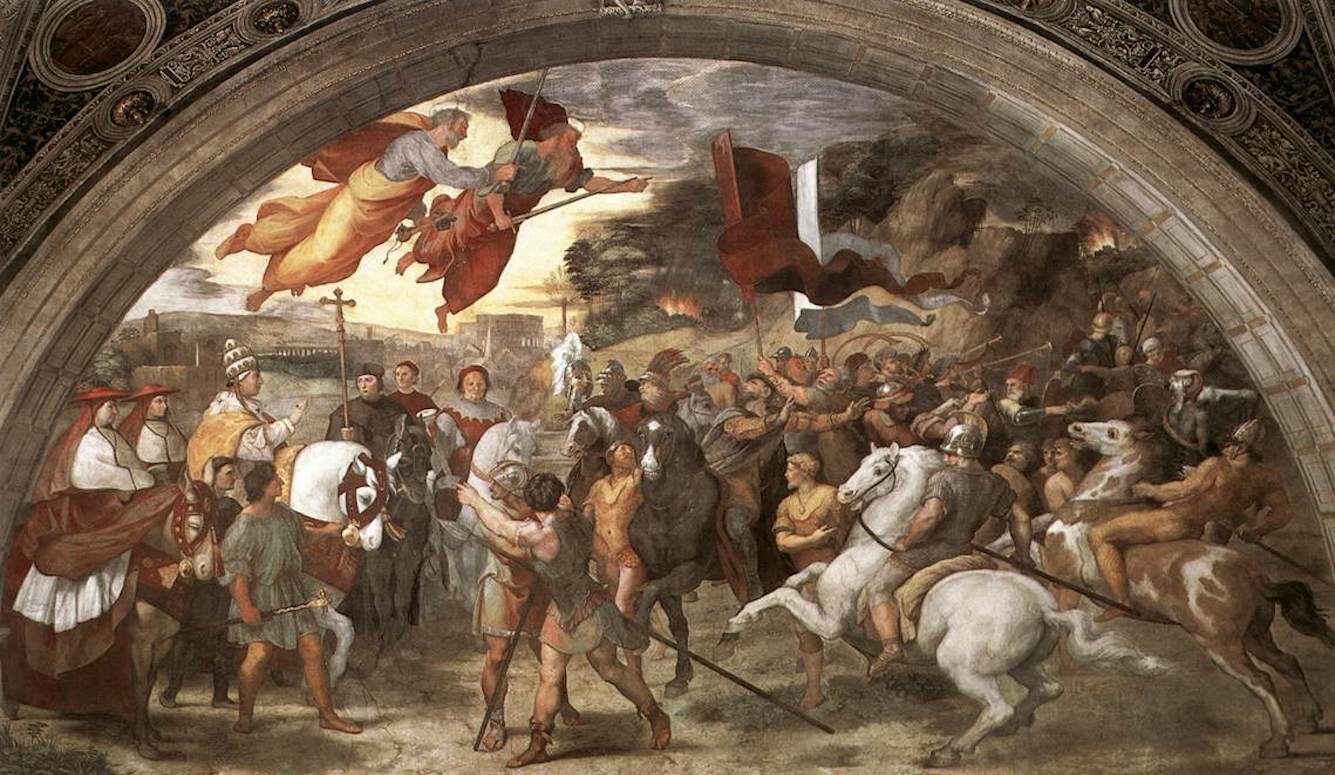
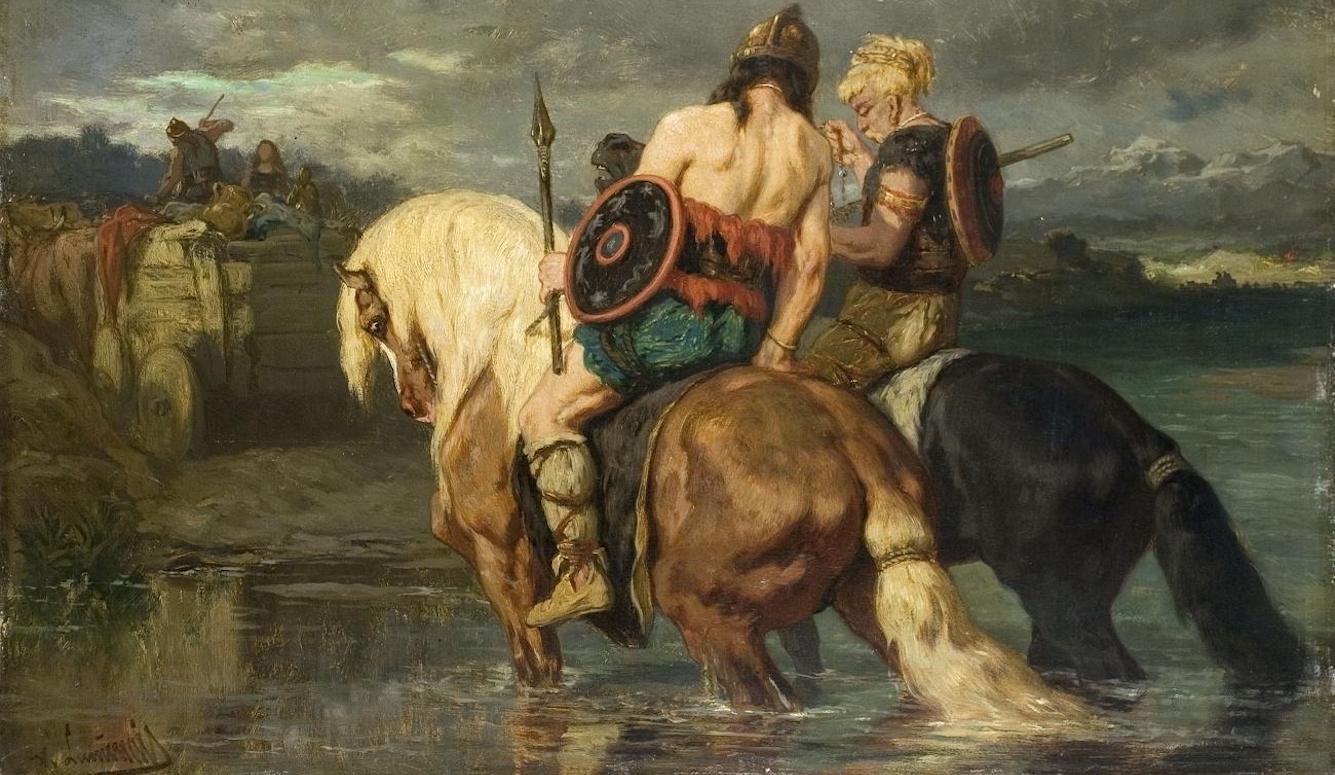
In the ninth instalment of ‘The So-Called Dark Ages,’ Herbert Bushman describes a Roman diplomat’s famous fifth-century journey into the heart of Hunnic territory.
A collection of 27 posts
In the ninth instalment of ‘The So-Called Dark Ages,’ Herbert Bushman describes a Roman diplomat’s famous fifth-century journey into the heart of Hunnic territory.
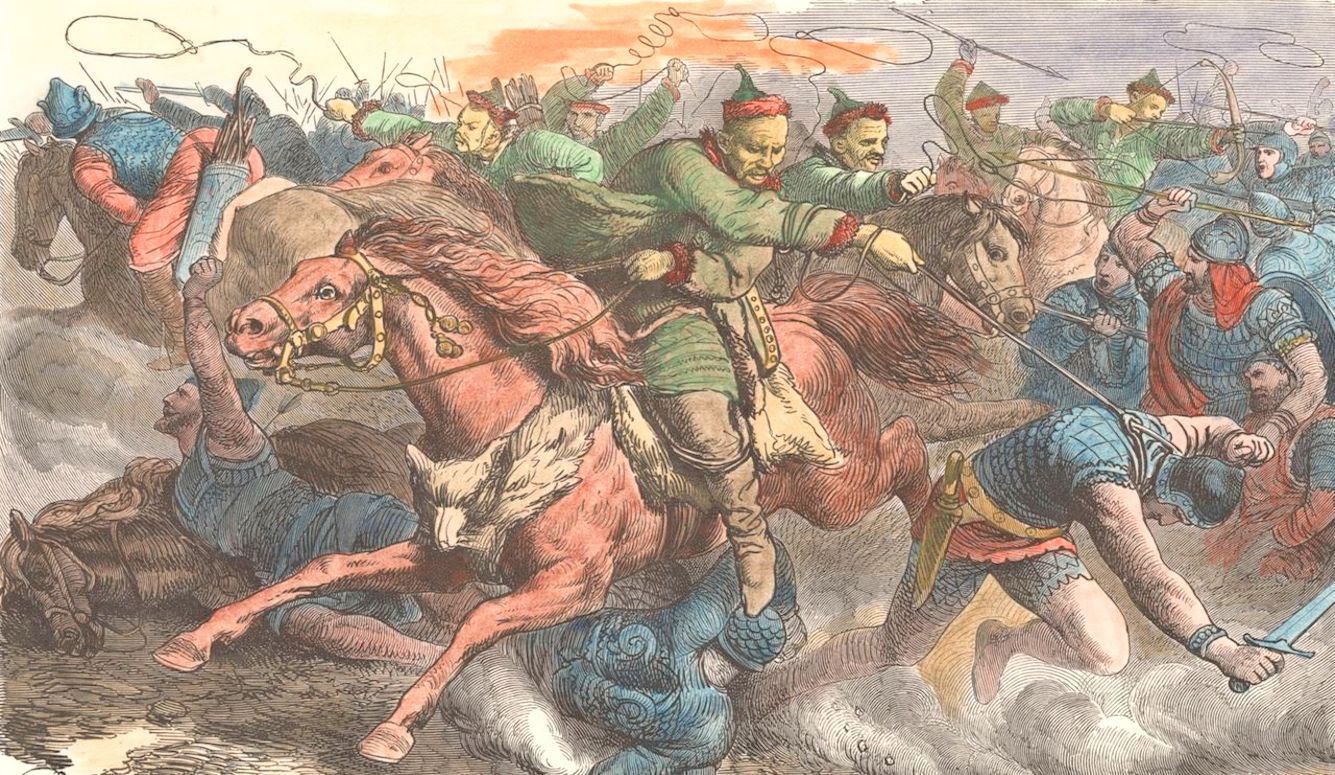
In the eighth instalment of ‘The So-Called Dark Ages,’ Herbert Bushman describes the Huns’ increasingly violent incursions into the Eastern half of the Roman Empire.
In the seventh instalment of ‘The So-Called Dark Ages,’ Herbert Bushman describes how disparate Hunnic tribes coalesced into the unified force that would terrorize Europe.
Christmas offers a chance to remind ourselves of the intellectual debt that our editors and writers owe to the Christian tradition.
In the sixth instalment of ‘The So-Called Dark Ages,’ Herbert Bushman describes the rise of the Huns, who struck terror into the hearts of Goths and Romans alike.
In the fifth instalment of ‘The So-Called Dark Ages,’ Herbert Bushman describes the conclusion to the Visigoths’ four-decade quest for a permanent homeland.
In the fourth instalment of ‘The So-Called Dark Ages,’ podcaster Herbert Bushman describes the Visigothic sack of Rome in 410 C.E.
In the third instalment of ‘The So-Called Dark Ages,’ podcaster Herbert Bushman describes the rise of Alaric I, whose Gothic armies roamed Greece and the Balkans before marching on Rome itself.
In the second instalment of ‘The So-Called Dark Ages,’ podcaster Herbert Bushman describes the events that sparked the fateful Gothic invasion of the Roman Empire.
A century after the discovery of Tutankhamun’s tomb, curators bent on ‘decolonizing’ history have become needlessly skittish about the M-word.
Christianity’s moral vision was not as revolutionary as a casual student of history might suppose. Nor did it equip Western society with a unique set of virtues that were unknown to the ancient world.
The mourning traditions of earlier cultures prescribed precise patterns of behavior that facilitated the public expression of grief and provided support for the bereaved.