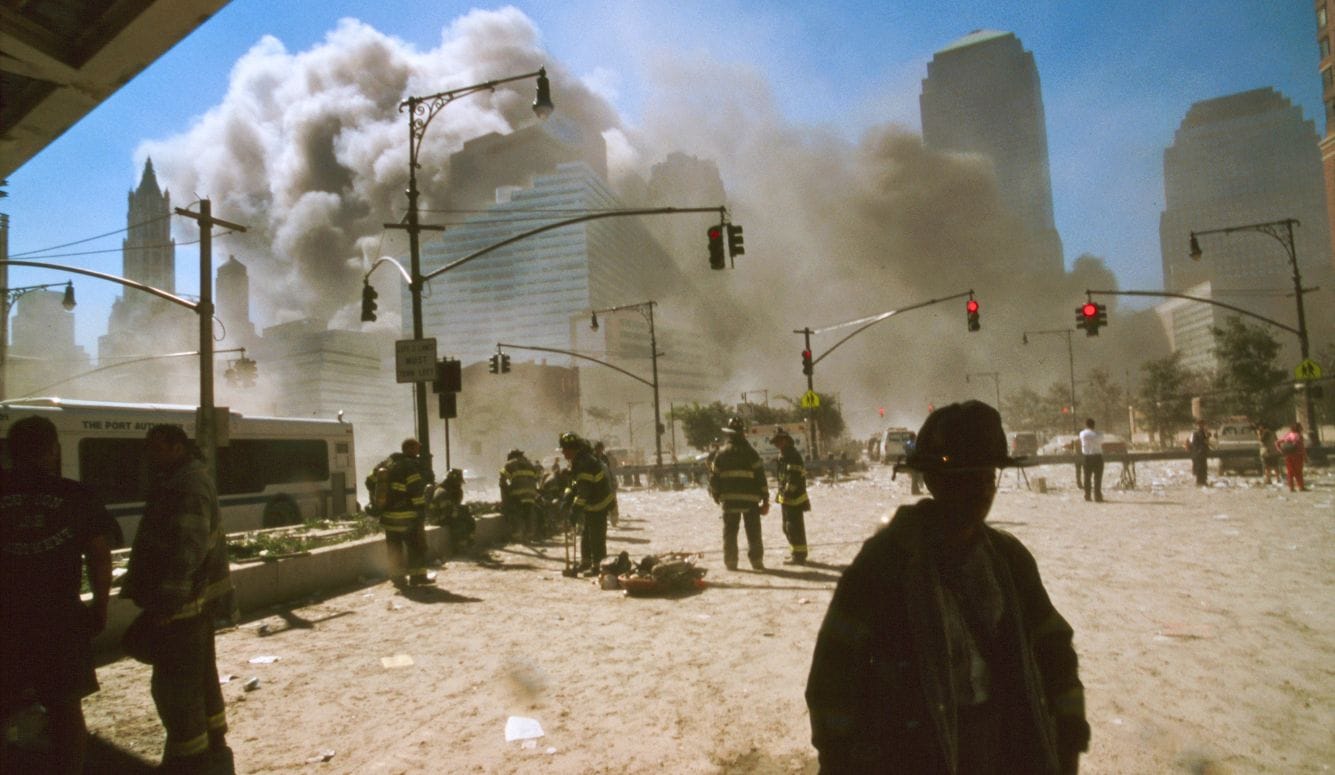
A Bright September Day
Reflections on a morning that changed the world as we knew it.
Jesse Inman
· 6 min read
A collection of 57 posts
Reflections on a morning that changed the world as we knew it.
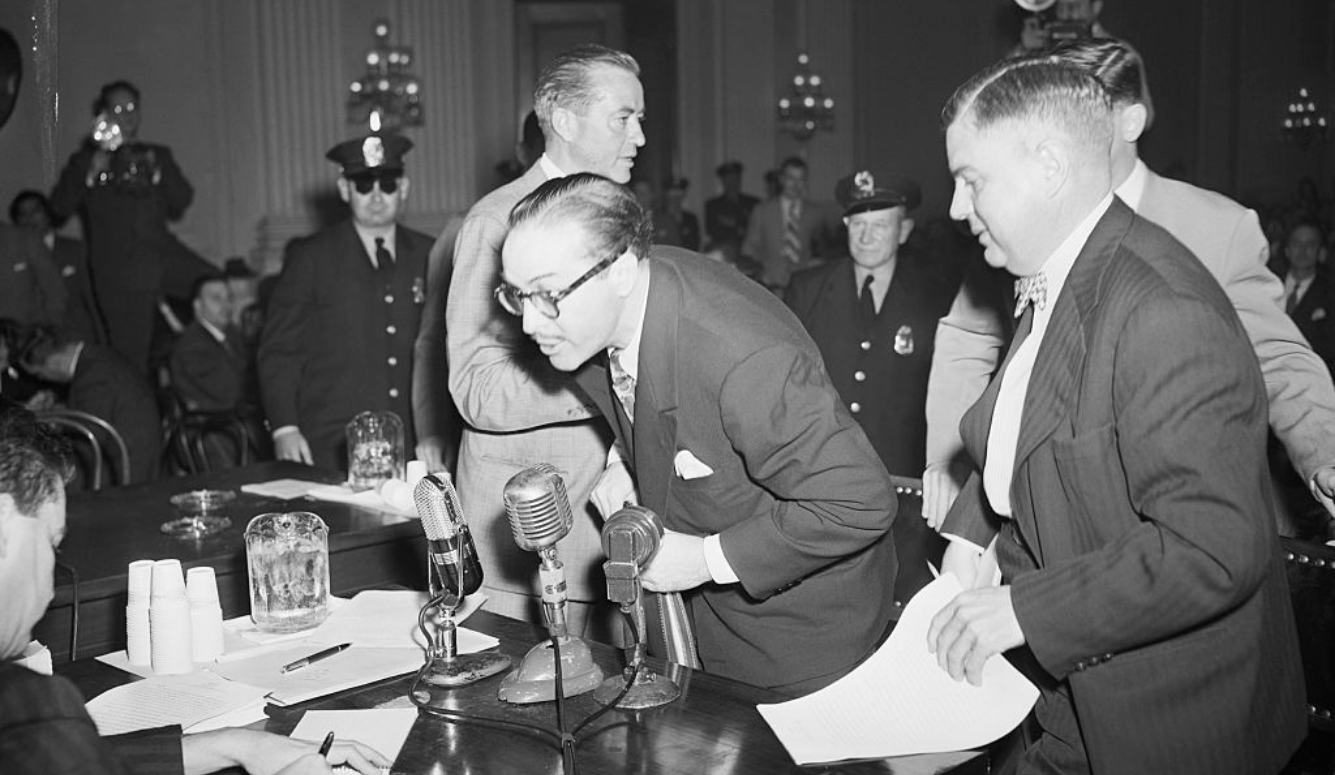
Anna D. Shapiro’s recent revival of Eric Bentley’s 1972 play about the HUAC hearings offered entertainment along with the pleasures of moral certainty and ideological reinforcement.
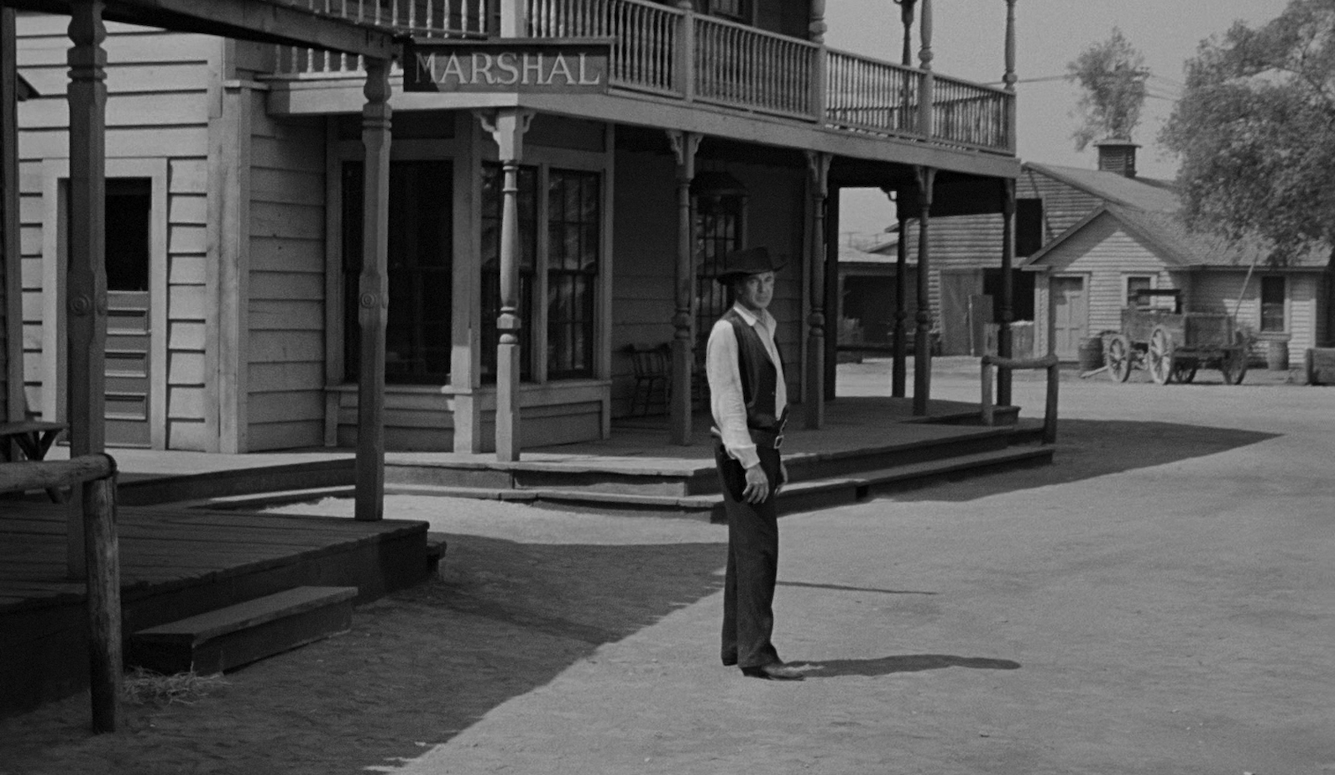
American individualism and the western, from Fred Zinnemann and John Ford to Larry McMurtry and Taylor Sheridan.
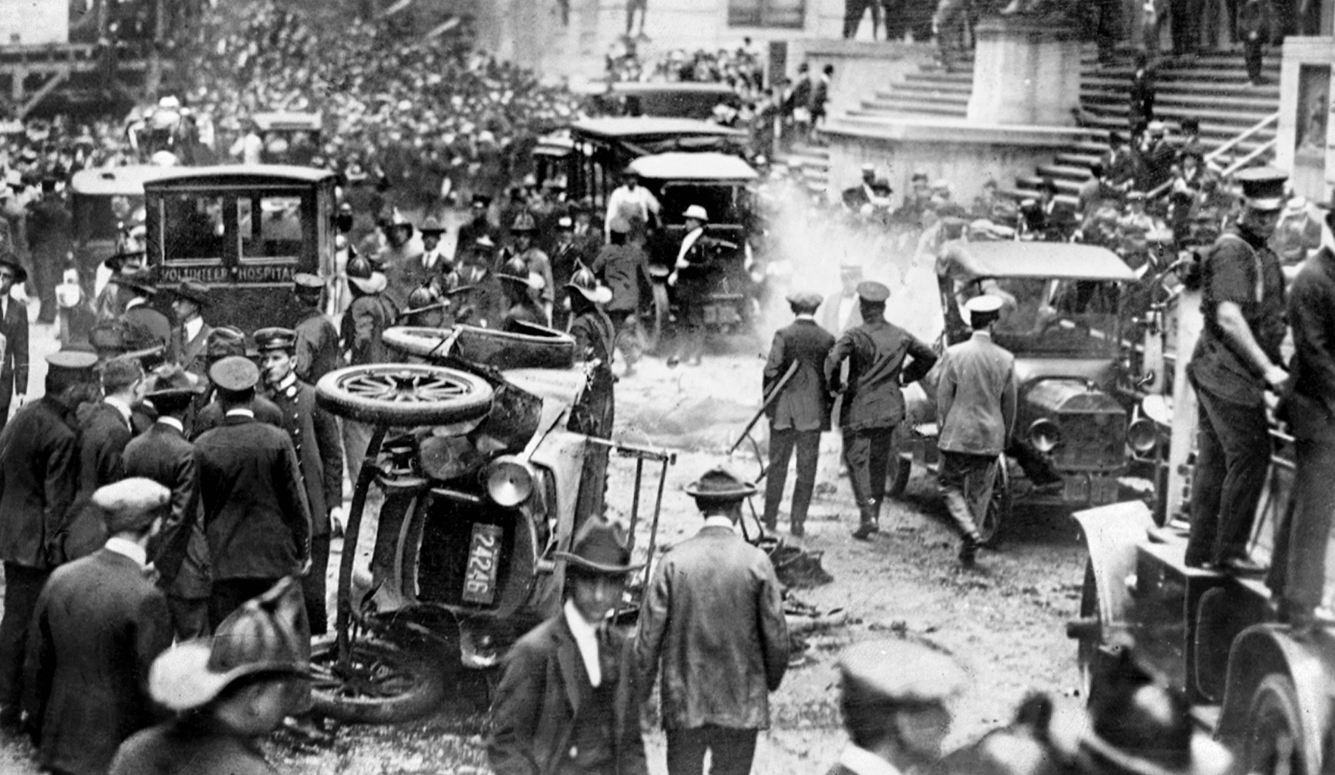
There is real value in Noah Rothman's century-spanning chronicle of left-wing terror, but it falls short in analysis.
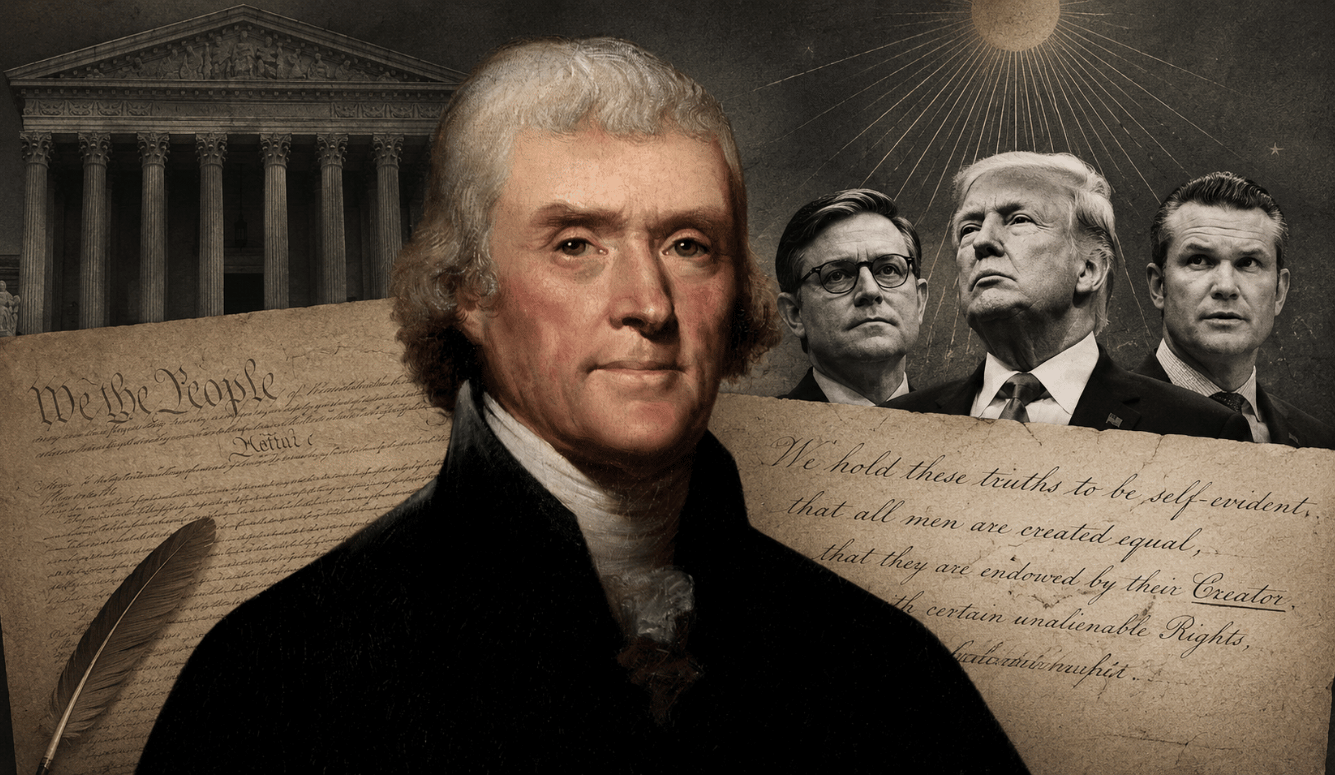
To understand the intent of the US Declaration of Independence, recall that its primary author was a deist rather than a Christian.
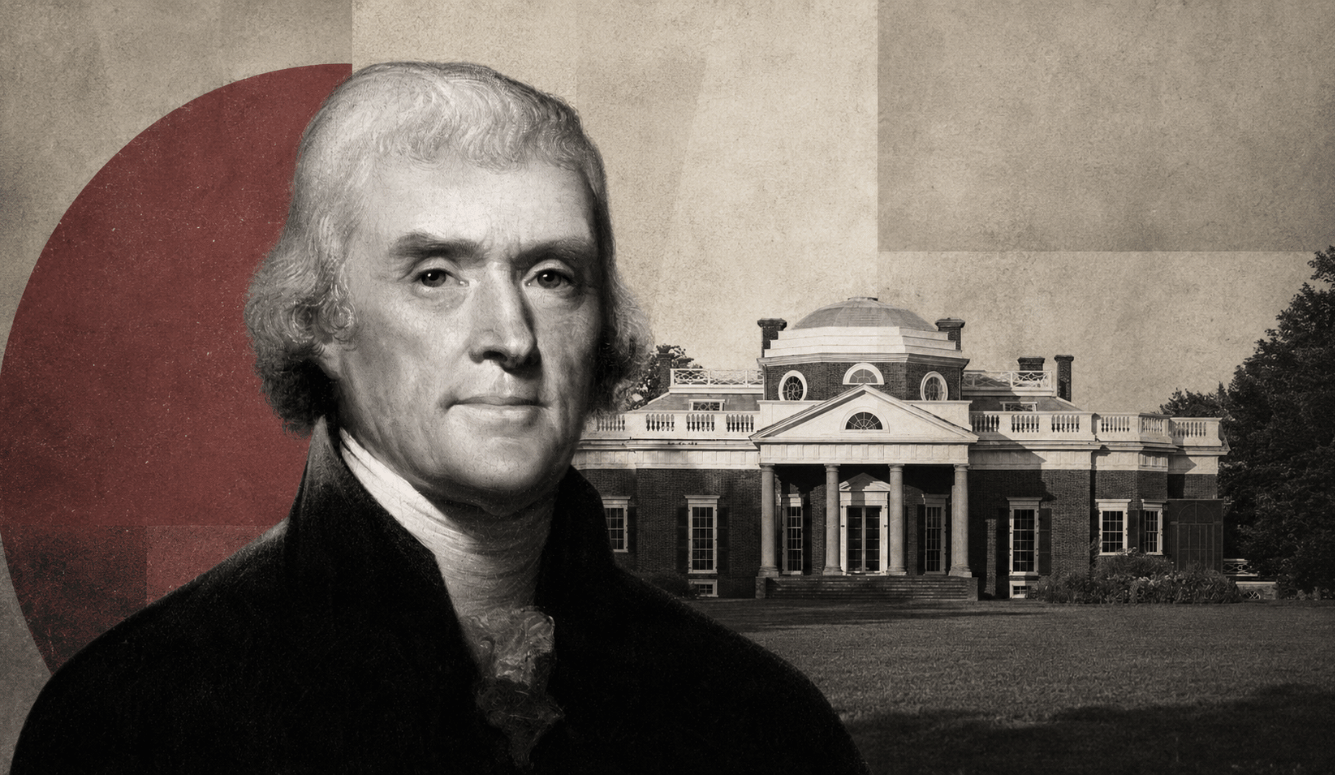
Jefferson emerges as a man who doubted democracy's permanence yet placed his faith in future generations. Onuf and Cogliano rescue him from caricature—even if one dimension of his thought remains in shadow.
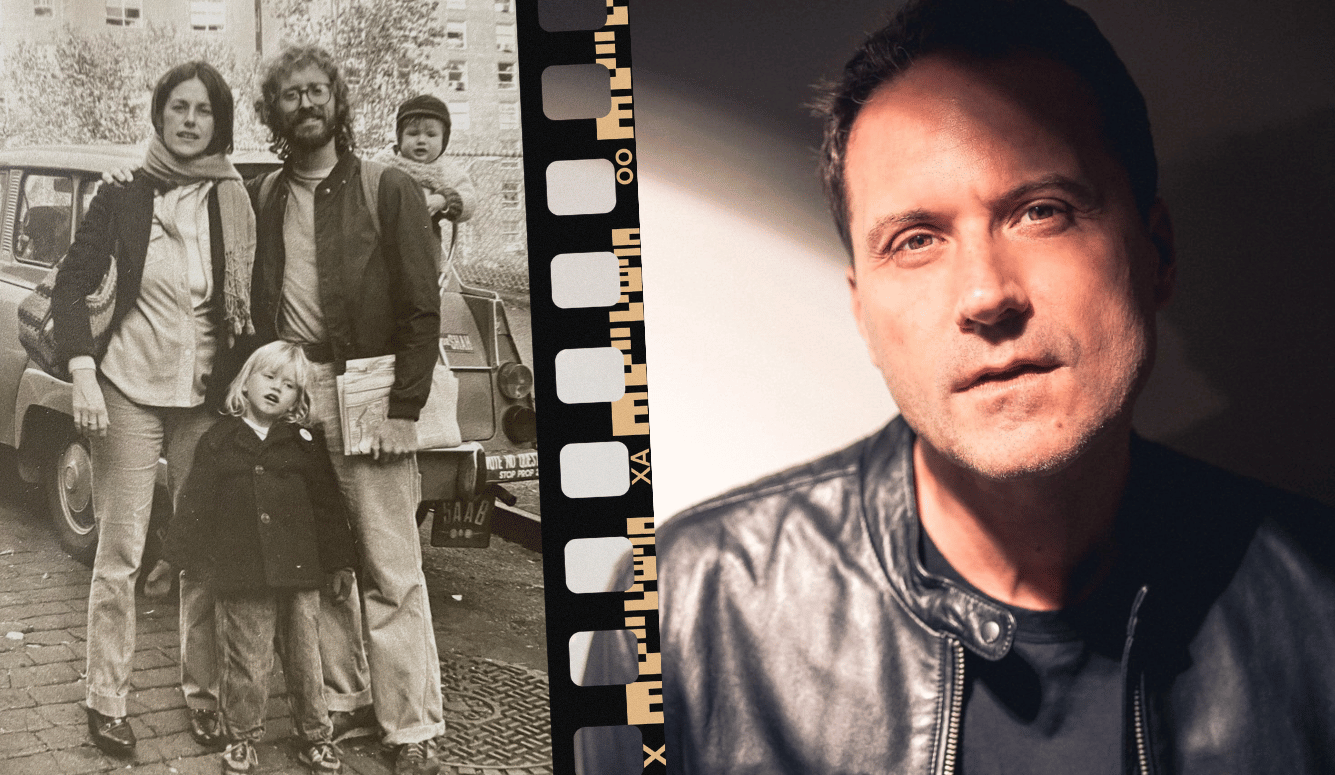
The son of Bernardine Dohrn and Bill Ayers has written a perceptive, fascinating, and rather sad book about his lonely life as the child of violent revolutionaries.
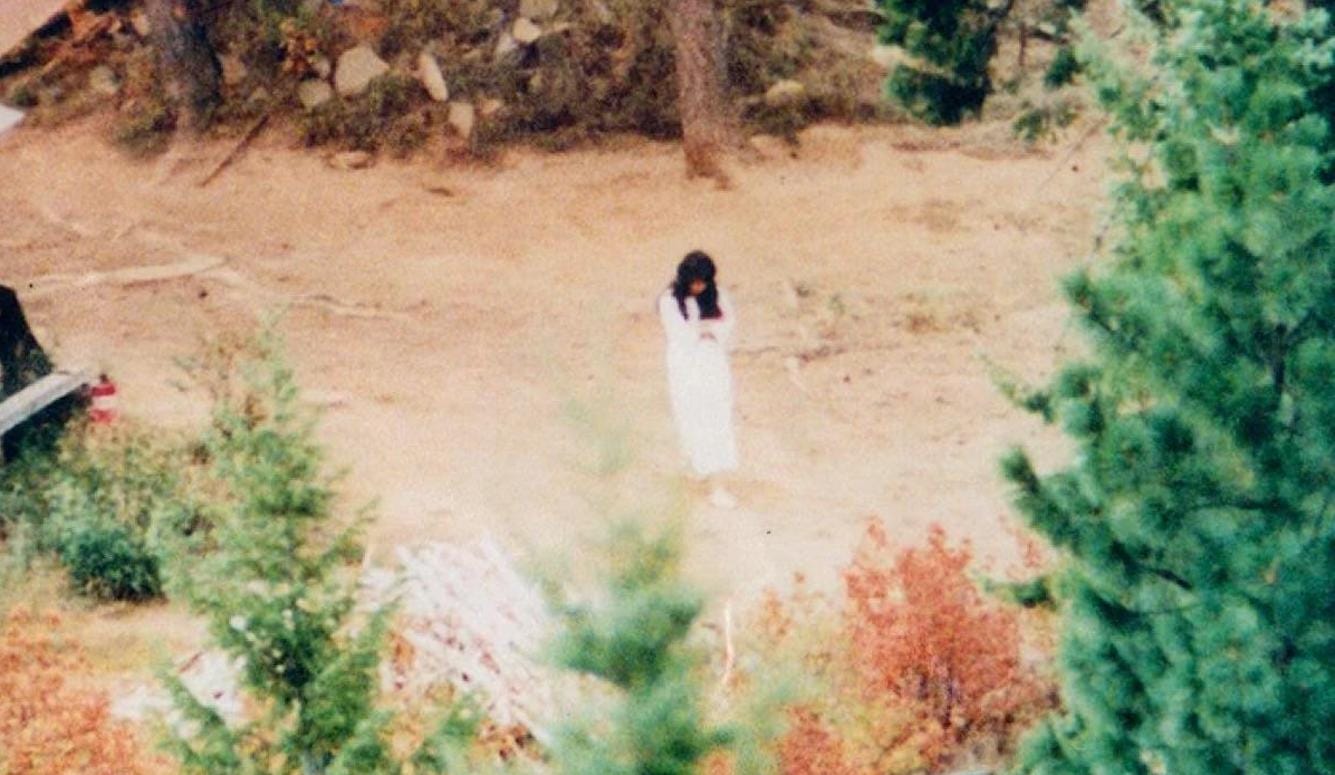
A new account of the 1992 siege at Ruby Ridge attempts to straighten out the record and place the story in a broader political and theological context.
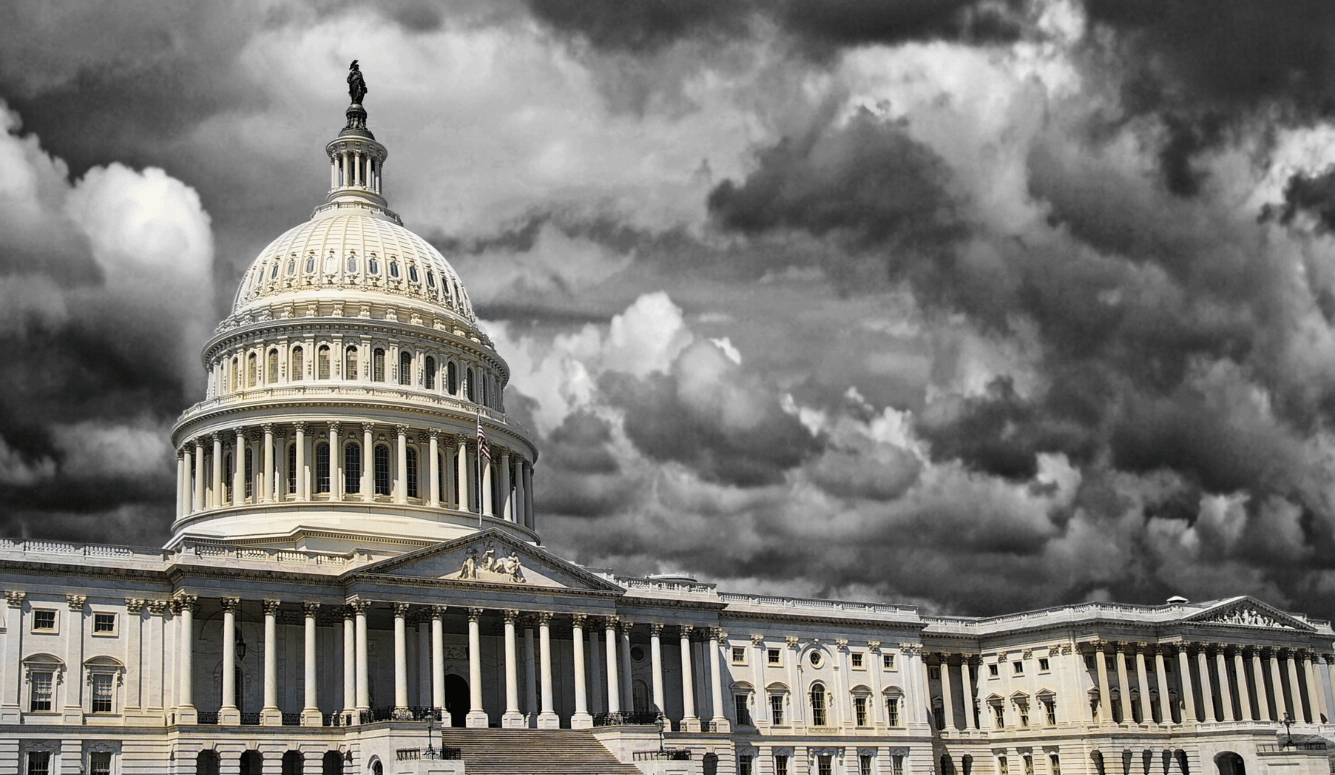
Americans who may have ferocious disagreements about the size of government, foreign policy, and a wide range of other issues must find a way to unite around their shared commitment to the liberal idea.
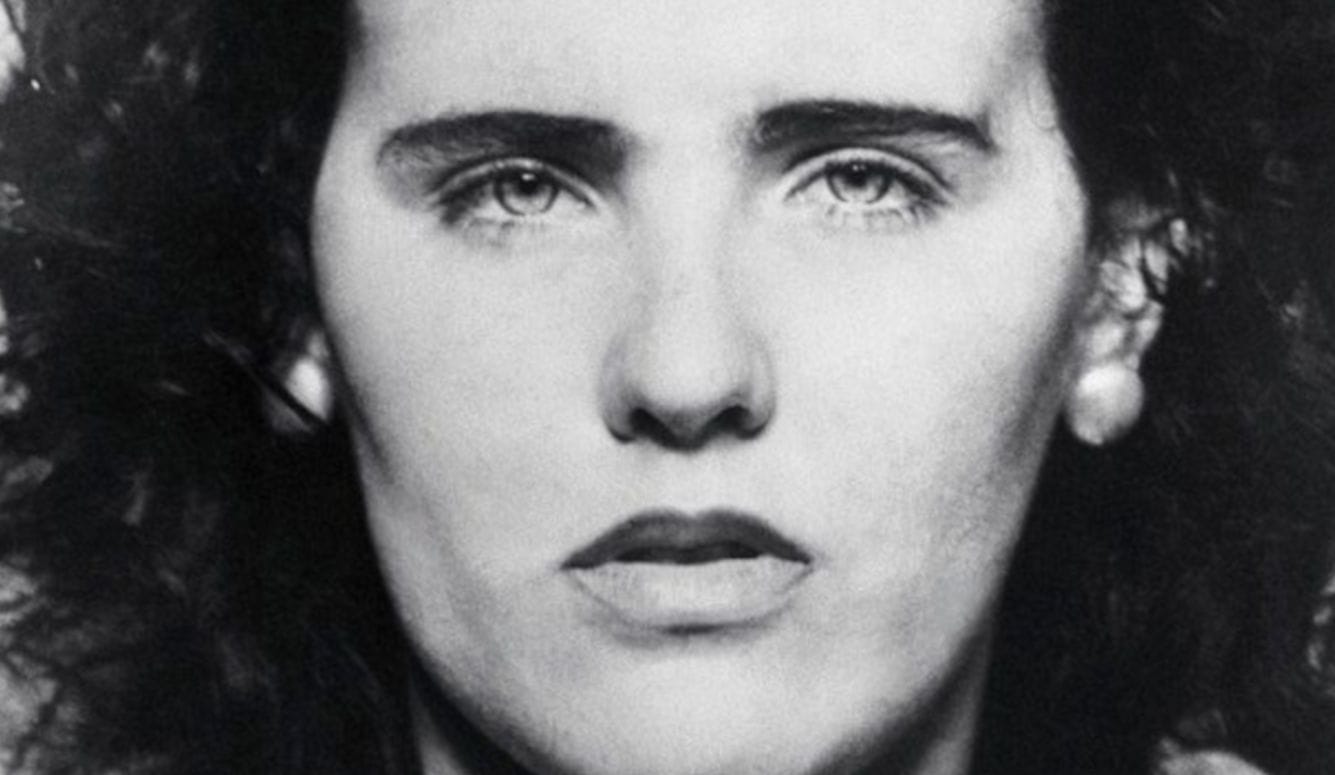
William J. Mann’s new book about the notorious Black Dahlia case is a valuable corrective to the cottage industry of speculative theories that proliferated after her murder in 1947.
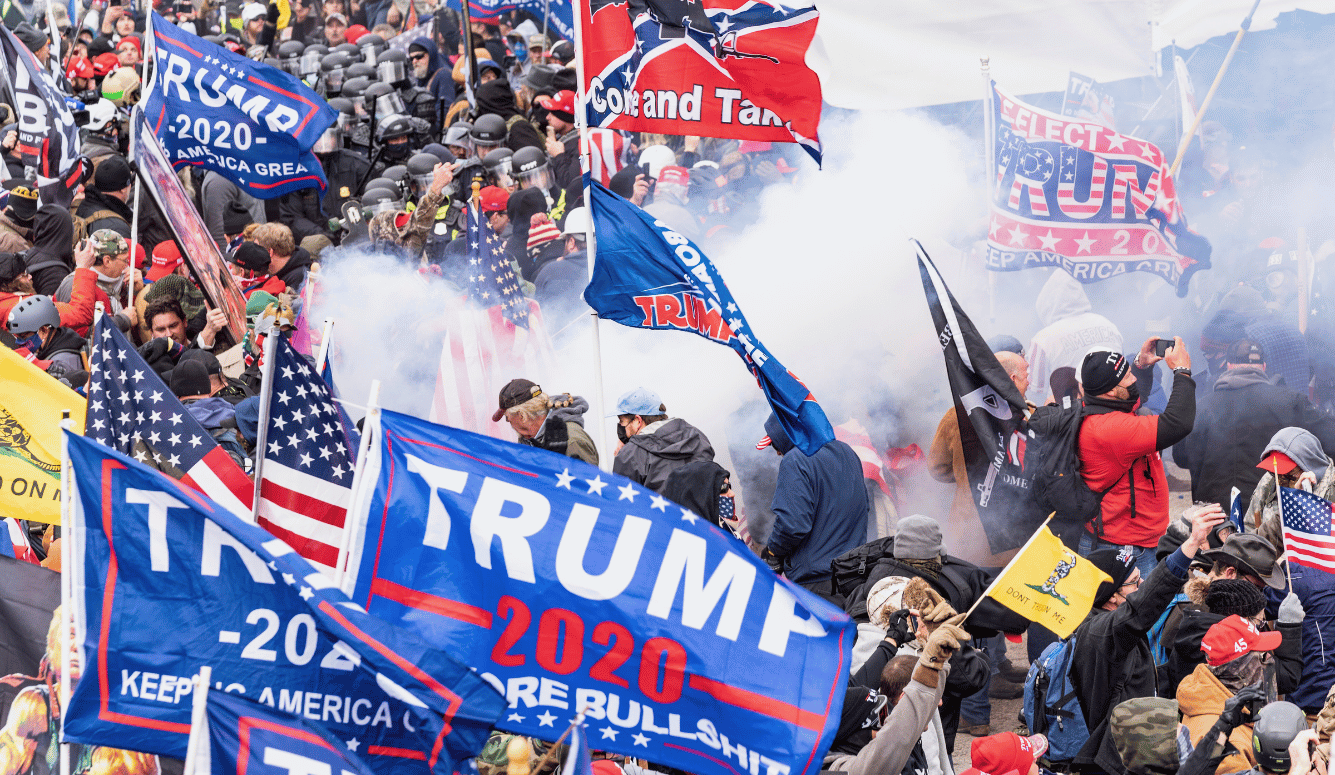
Mary Clare Jalonick’s oral history of the 6 January riot is an important corrective to the second Trump administration’s vandalism of the historical record.
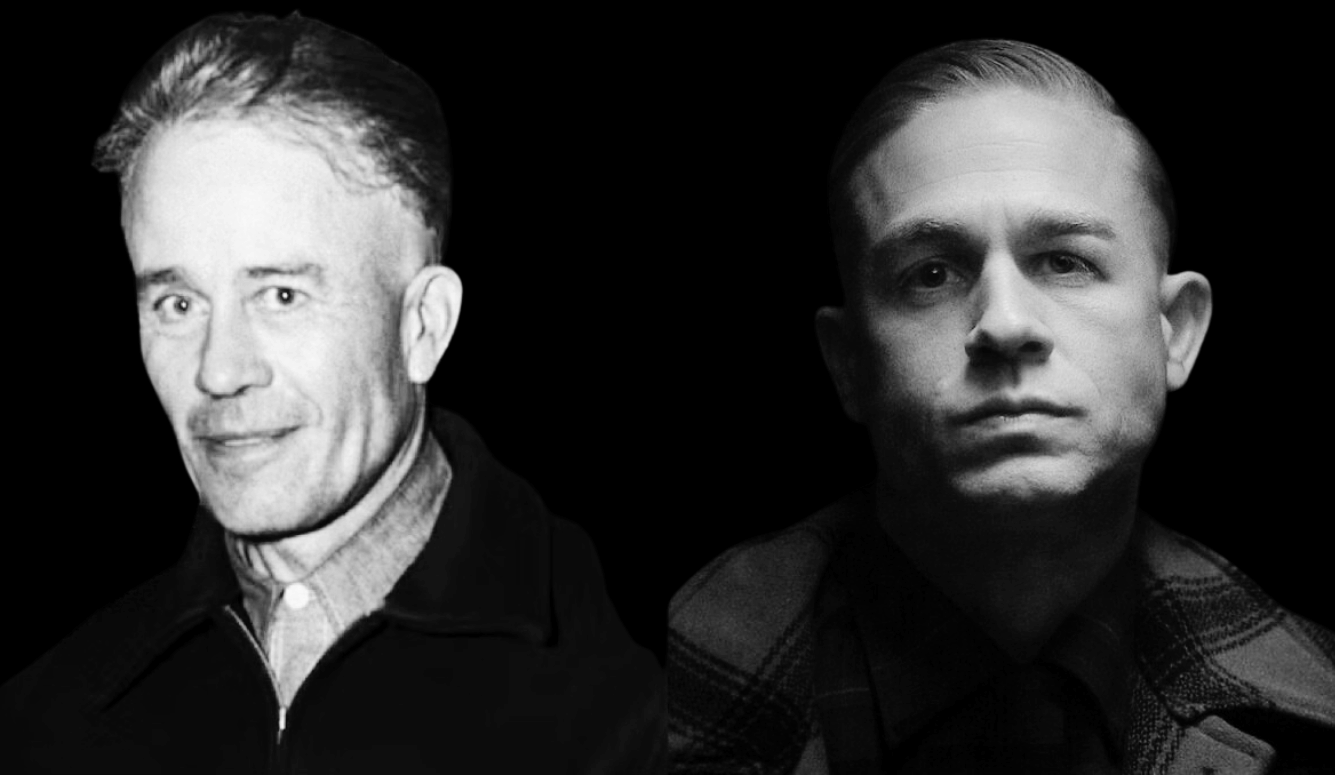
Is telling lies about someone after they die okay if that someone was a very bad person?
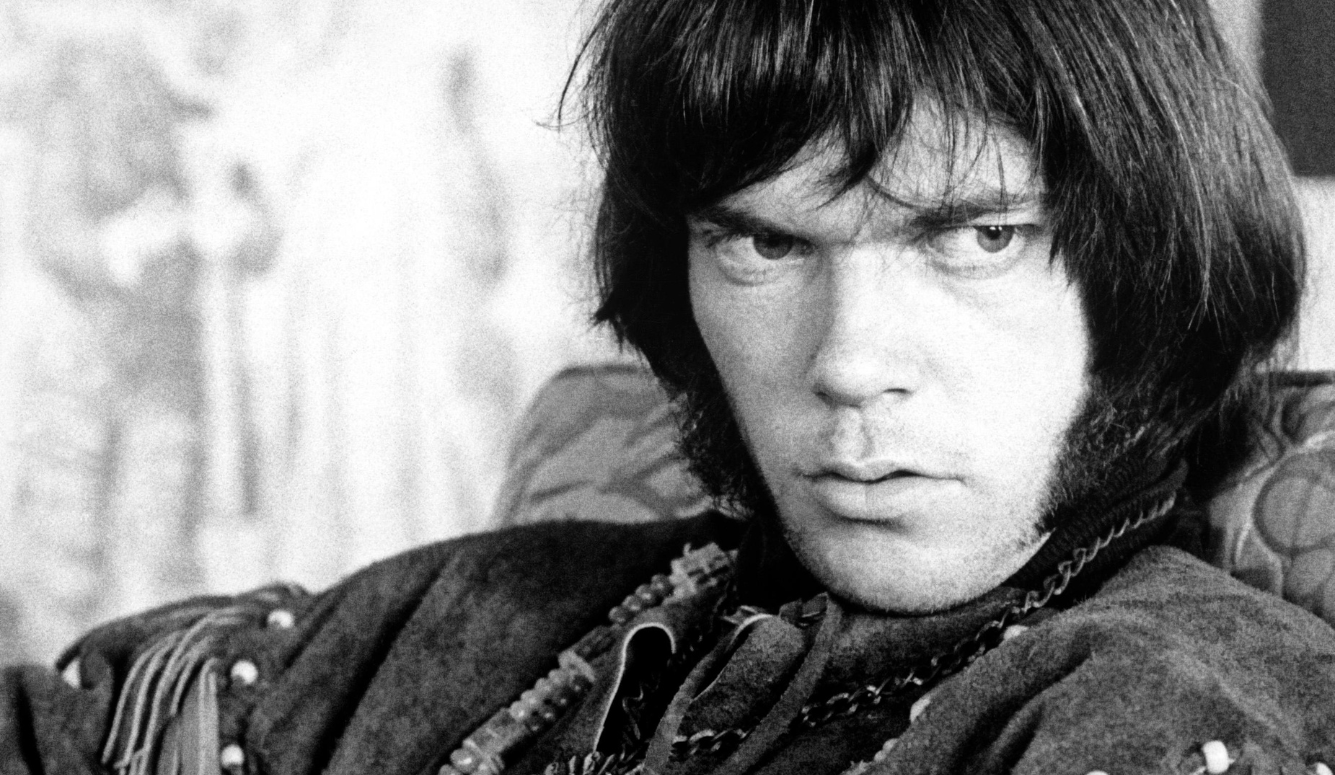
Neil Young is eighty.
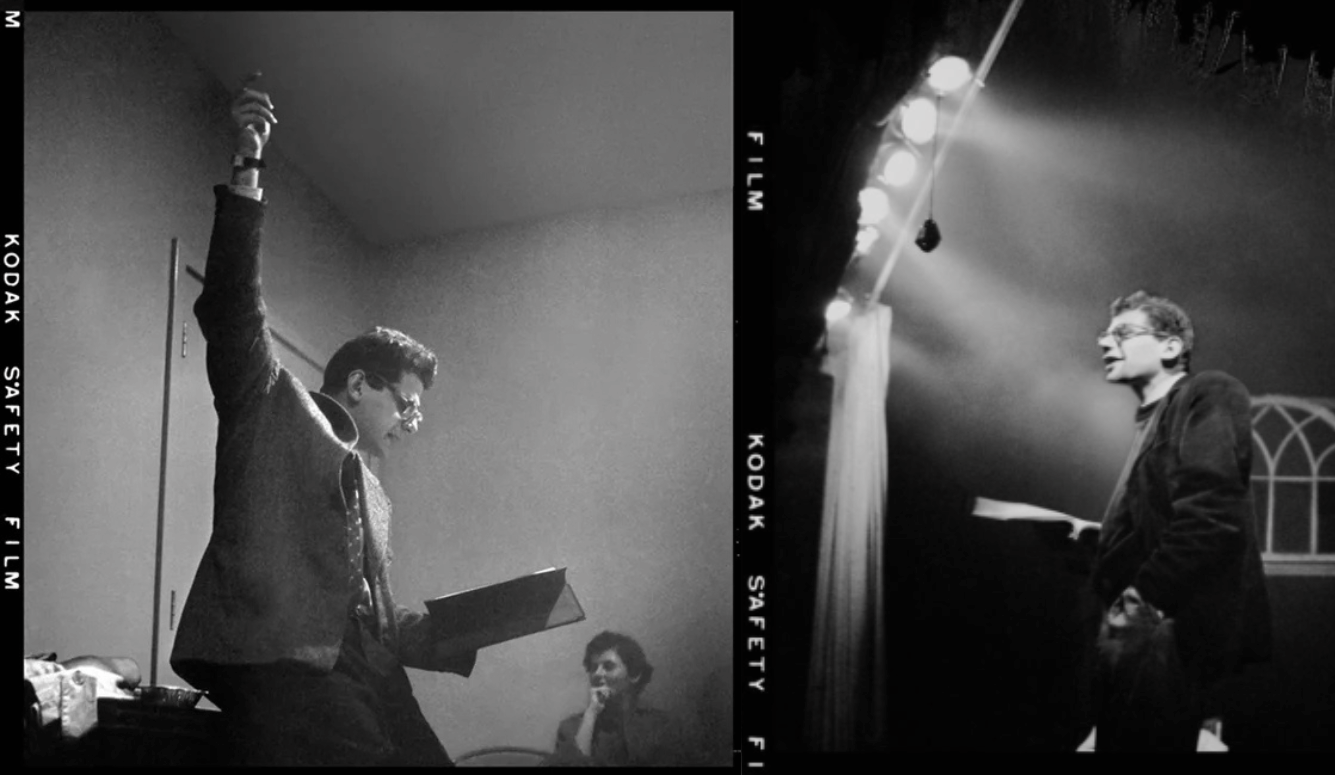
How the 6 Gallery reading in San Francisco on 7 October 1955 changed the counterculture.
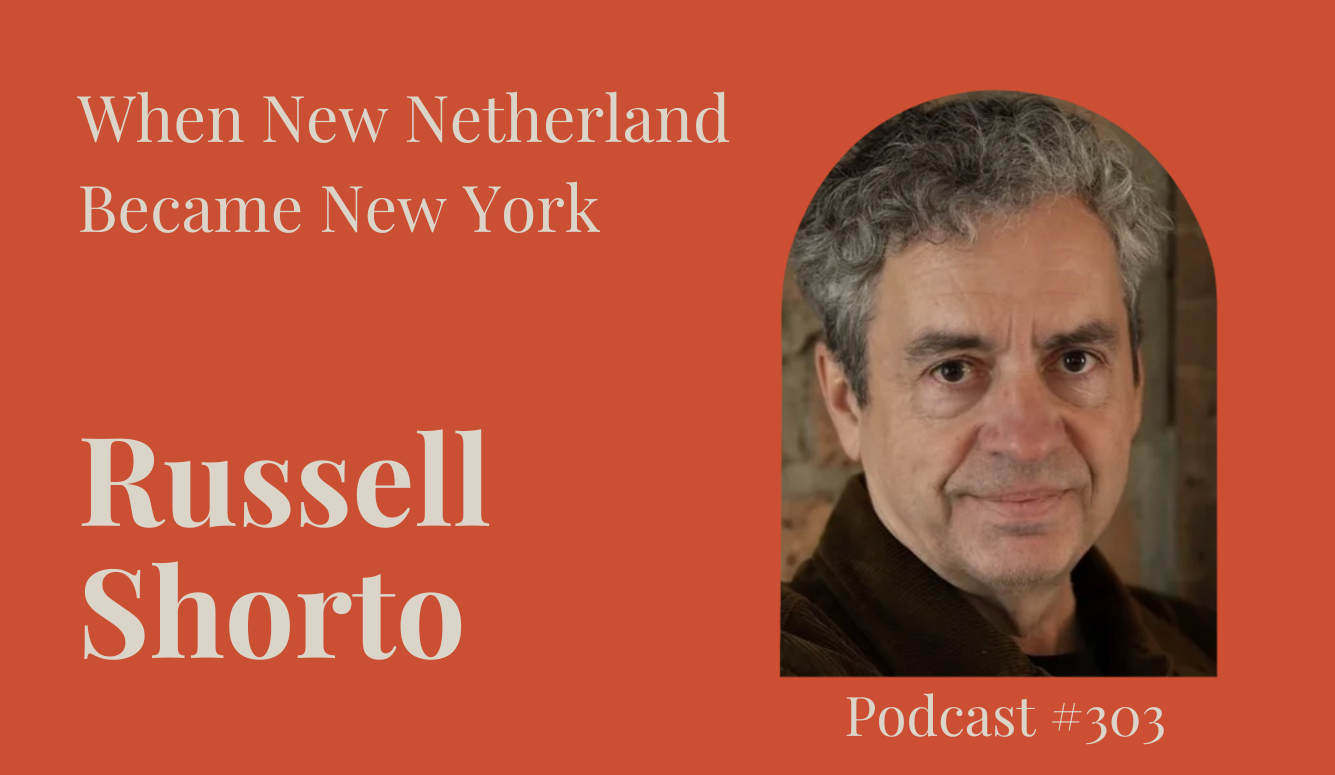
Quillette podcast host Jonathan Kay speaks with Russell Shorto, whose new book chronicles the extraordinary events in 1664 that delivered Manhattan from the Dutch to the British.