Art & Culture
Together Alone
American individualism and the western, from Fred Zinnemann and John Ford to Larry McMurtry and Taylor Sheridan.
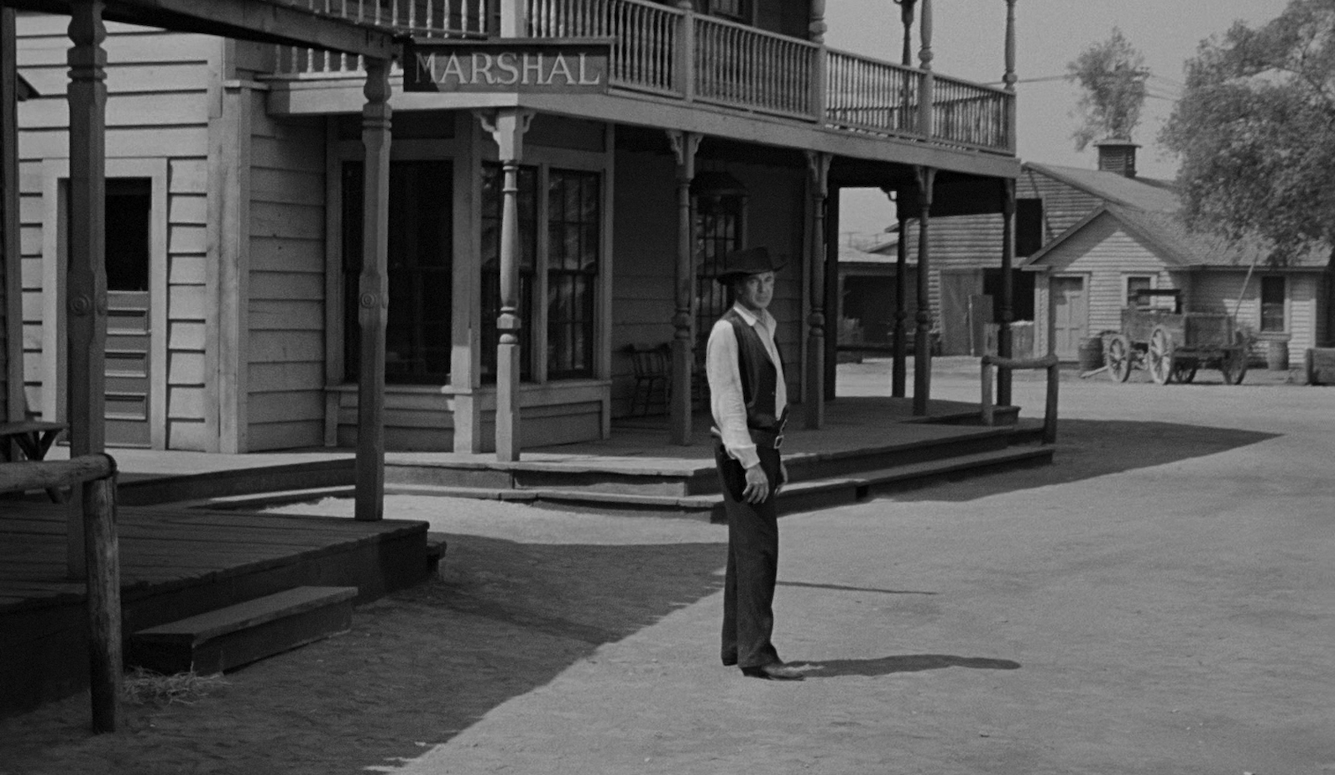

In his inaugural address as mayor of New York City, democratic socialist Zohran Mamdani said, “We will replace the frigidity of rugged individualism with the warmth of collectivism.” Given the ascendency of socialists in the Democratic Party, a discussion of the virtues—and even the “warmth”—of individualism is in order. As a retired philosophy professor, I am tempted to invoke John Stuart Mill’s arguments for the public value of individual liberty. Instead, I’ll approach this topic as a Texan who grew up in the 1950s.
From its inception, the American experience has been informed by the experience of the frontier, when life in a rugged new world demanded self-reliance. During the American Revolution, American militiamen were frontiersmen who knew how to shoot a long rifle because they used it to shoot game. And as the frontier moved westward, especially when it went beyond the 100th meridian, that experience was redefined. The cowboy myth receives more attention in the western and southwestern states, particularly in Texas, but that myth is also central to the broader American story.
Few writers have chronicled that frontier experience as powerfully as Larry McMurtry did in his epic 1985 novel Lonesome Dove. And yet, in an essay for the Texas Observer just four years earlier titled “Ever a Bridegroom: Reflections on the Failure of Texas Literature,” McMurtry described the cowboy myth as “an inhibiting, rather than a creative, factor in our literary life.” Henceforth, he argued, Texas literature should be urban. In my response, “Horseman, Hang On: Myth in Texas Letters,” published in the same paper the following year, I took issue with that thesis: “[W]hen it comes to man, throwing out the myth has something of the character of throwing the baby out with the bath water.” In The End of Education, Neil Postman says that humans require gods—by which he means narratives and “myths”—to give meaning to the world.
Frontier mythology can certainly be used to justify egoism and selfishness, but properly understood, the individualism embodied in it also allows for the opposite. In Teddy Blue’s We Pointed Them North: Recollections of a Cowpuncher, upon which McMurtry drew heavily when he was writing Lonesome Dove, you’ll find that no one has ever exemplified the value of teamwork more than cowboys driving herds of longhorns up the Chisholm and Goodnight-Loving trails. These were individualists who believed in self-reliance, but that meant they were exceedingly capable, so when they decided to work together with others, they had something to offer. I live in the self-proclaimed “cowboy capital of the world,” where individualism is alive and thriving, but I’ve never lived anywhere where I felt more assured that I could pick up the phone or hail down a passerby and get help when I need it. And these folks actually know how to do stuff.
So why did McMurtry publish Lonesome Dove just four years after he decreed that the cowboy myth was dead? With that book, he apparently thought he was “deconstructing” frontier mythology, which he believed was receding into the past because its individualists were incapable of civilised life. But he also created two of the most engaging characters in all of American literature—capable, principled, and although they can be mean as snakes when circumstances require, cooperative. McMurtry’s novel succeeded in providing a “realistic” portrayal of the cowboy, replete with flaws as well as virtues, and a wide spectrum of humanity, from the abject evil of Blue Duck to the moral ambiguity of his protagonists. In an odd way, his portrayal of cowboy life turned out to be more compelling and heroic than many of the romanticised versions he was critiquing.
Keep reading

The Insight Trap
Cornell and Consent

Robert Lynch on Status, Humour and the Apes We Pretend Not to Be | Quillette Cetera Episode 74
The Radicalisation of Tucker Carlson