Politics
Trumpism Is Finished
Schoolchildren will learn about Donald Trump more than a hundred years from now, but his successor will likely be a footnote and historical nobody.
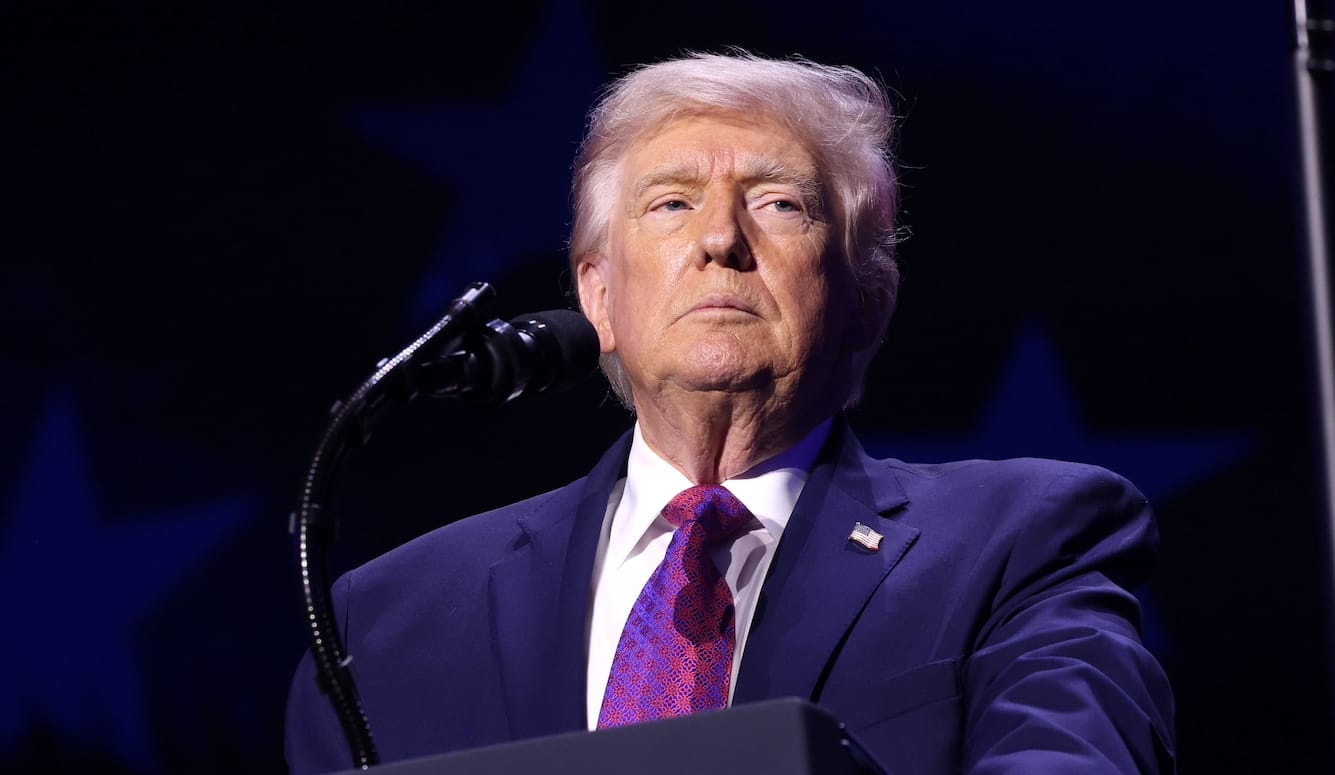
Donald Trump was indestructible until he wasn’t. The midterm election wasn’t a blue wave or even a blue tsunami but the Chicxulub Tsunami, a mile-high wave of death that overwhelmed Republican seawalls in coastal states like North and South Carolina and flooded as far inland as Kansas, bang in the centre of the contiguous 48 states, where voters are sending their first Democratic senator to Washington in almost a hundred years. Trump’s presidency, at least as we’ve known it, is finished. Which means Trumpism is finished aside from its brief upcoming zombie stage.
Trumpism was never an ideology, coherent or otherwise. It has always been a cult of personality around a would-be strongman who vowed to smash the established order and remake America and the world. Aside from a handful of Trump detractors from the ancien régime like Representative Liz Cheney and Senator Jeff Flake, the entire Republican Party discarded its long-held belief in free markets, free trade, the rule of law, the economic benefits of legal immigration, and global democracy-promotion. It no longer agreed that Europe and Canada are allies and that Russia is hostile, or that tariffs and trade wars are mutually destructive. The Republican Party pitched all of its postwar ideas into the sea—not because it suddenly changed its collective mind about everything but because its voters were besotted with a man who promised that only he could fix everything. And that man was governed by his own impulses, ideas, and grievances, most of which were formed decades ago and miles from any Republican milieu.