The Learning Crisis Begins Before the Classroom
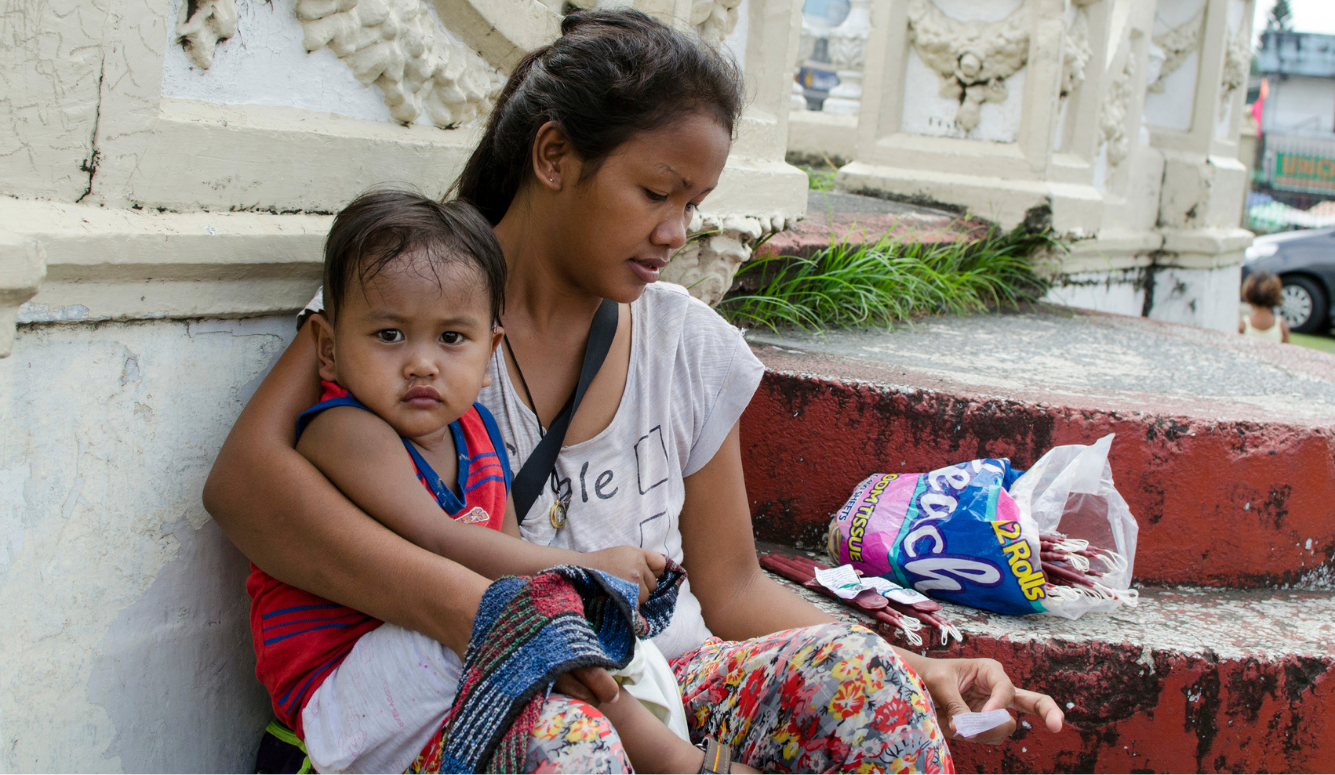
Differences in height between men and women—a biomarker of stressor exposure in childhood—suggest that poor early health and nutrition constrain what children are achieving at school.


David C. Geary is a Curators’ Distinguished Professor in the Department of Psychological Sciences and the Interdisciplinary Neuroscience Program at the University of Missouri.
Differences in height between men and women—a biomarker of stressor exposure in childhood—suggest that poor early health and nutrition constrain what children are achieving at school.
A combination of activism and evolved cognitive bias results in suboptimal social and economic policies.
Iona Italia talks to evolutionary psychologist David C. Geary about why he believes evolved differences between the sexes have been growing more salient in western societies.
Many psychological and behavioural gaps between men and women have widened in more gender-equal countries, dealing a major blow to sociological theories of sex differences.
Men’s and women’s brains are biased to notice and process different aspects of the social and physical world.
Fatherless children are at higher risk of delinquency that undermines their own prospects and disrupts the communities in which they reside.
The social dynamics of girls’ and women’s friendship groups, including a desire to fit in and avoid conflict, may make them more susceptible to social contagion.
Boys and girls are not infinitely malleable, socially constructed products of the patriarchy.
The COVID-related disruptions of schooling have scattered hundreds of millions of children and adolescents across an archipelago of small islands that are not well-suited to fostering modern educational goals.
The sex difference here is found in hunter-gatherer, pastoral, and agricultural societies, as well as in early empires, developing nations, and the modern world.
The prevailing view in the social and behavioral sciences is that human sex differences are typically small in magnitude, largely social in origin, and driven by gender roles (below).