Politics
Siding with Islamists
As US Special Envoy to Sudan, Tom Perriello was sent to help return the country to civilian rule. Sudanese democrats say his choices empowered the very networks that buried it.
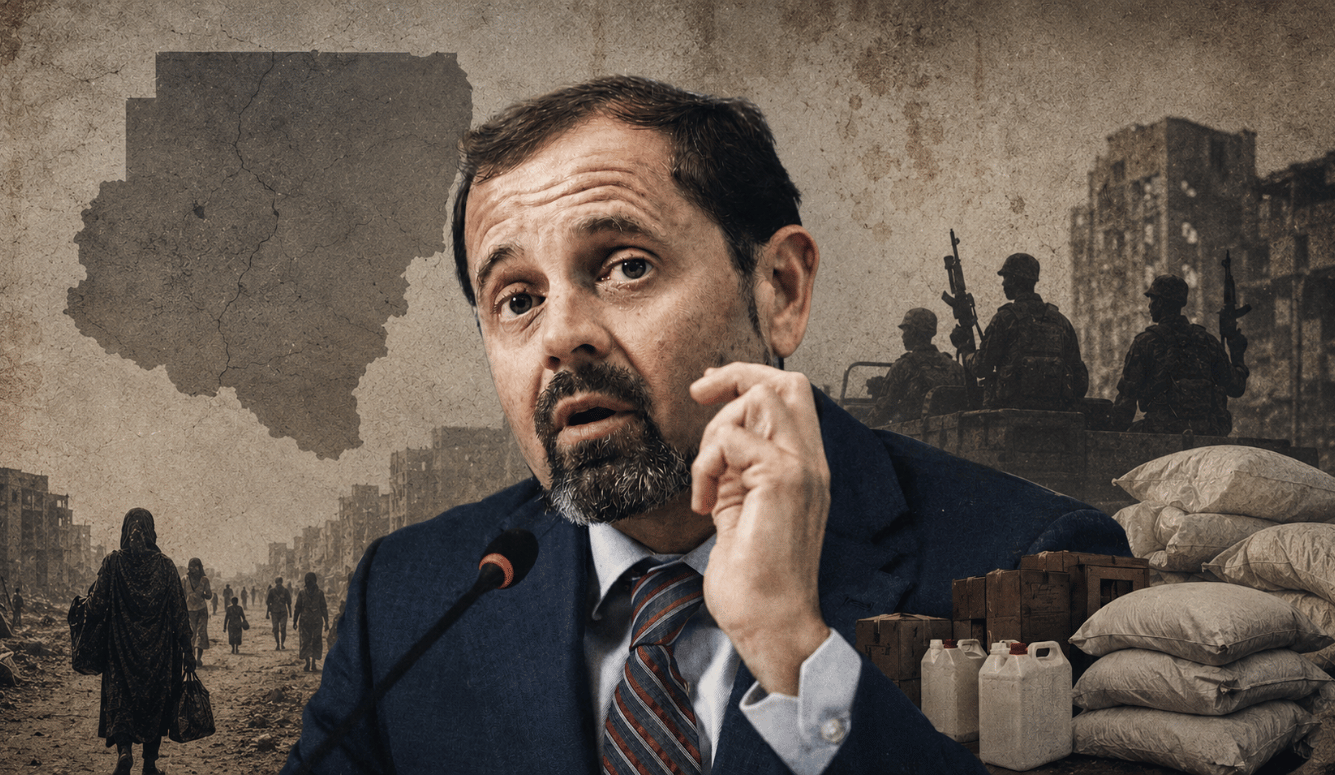
In January, Sudan’s last civilian prime minister, Abdalla Hamdok, received me in Abu Dhabi like a daughter. This soft-spoken and scholarly man, who built his career inside the United Nations, had invited me to his office for what became an hour and a half of testimony. I have not stopped thinking about that meeting since. He had read an essay I had written about Sudan in December that named what most of the Western commentariat would not: the Islamist architecture behind the brutal war devouring his country. Within days of its publication, Sudanese democrats I had never met began contacting me from across the diaspora. “A khawajiya—a foreigner—who understood. At last.”
 Chama Mechtaly
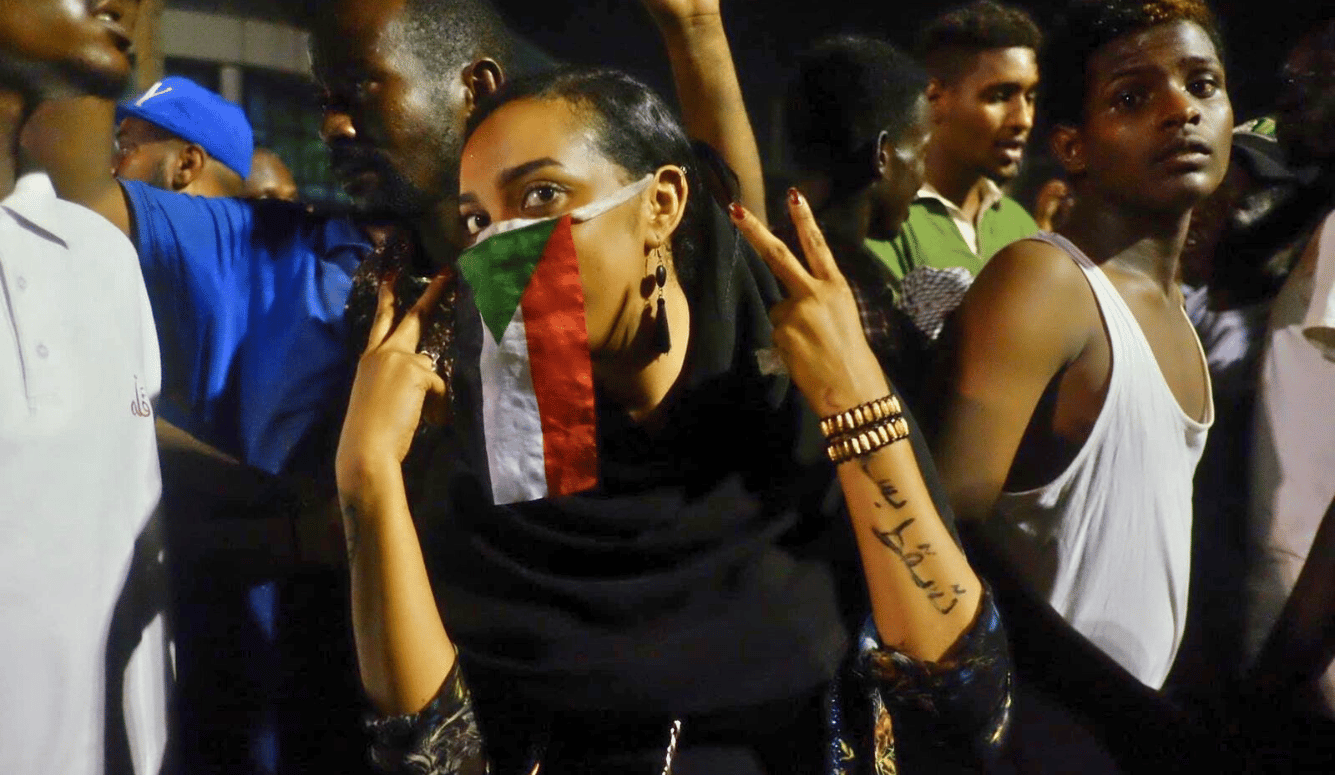
To understand why Hamdok was sitting in exile in the first place, it is important to understand what Sudan almost became. In 2019, after three decades of Islamist rule under Omar al-Bashir—a dictator wanted by the International Criminal Court for genocide in Darfur—Sudanese civilians poured into the streets in unprecedented numbers: doctors, teachers, mothers, students. They did not just demand the fall of the regime. They wanted the entire Muslim Brotherhood-aligned system that had sustained it to be dismantled: the security services, the morality police, and the patronage economy of looted contracts, captured banks, and shell companies that enriched Bashir-loyalists while ordinary Sudanese watched their currency collapse, their savings vanish, and sanctions drive the country into poverty. For two extraordinary years, a fragile civilian transition led by Hamdok tried to deliver exactly that.
Then came the coup of 2021, when generals aligned with Sudan’s Islamist networks detained Hamdok and recaptured the state. The transitional military council split into two armed factions: the Sudanese Armed Forces under General Burhan, which became the political vehicle for the Brotherhood-aligned old guard, and the Rapid Support Forces, a paramilitary group with its own brutal history that broke from Burhan as the alliance collapsed. In April 2023, that rupture became a brutal war. The country has since become one of the worst humanitarian catastrophes on earth, with millions displaced, famine spreading, and Darfur once again a site of mass killing. Roughly half the country’s territory is now under RSF control, while the other half languishes under Sudan’s Islamist-aligned military.
Hamdok discussed all of this with the precision of a man who has decided that accuracy is the last remaining dignity. He was exactly the kind of civilian leader the United States should have empowered on the Red Sea—a corridor where Iranian-backed proxies now threaten America’s allies and the arteries of global commerce. And then he told me about Tom Perriello.