Authorship in an Age of Automation
The quiet erosion of responsibility in an age of machine-generated prose.
A collection of 31 posts
The quiet erosion of responsibility in an age of machine-generated prose.
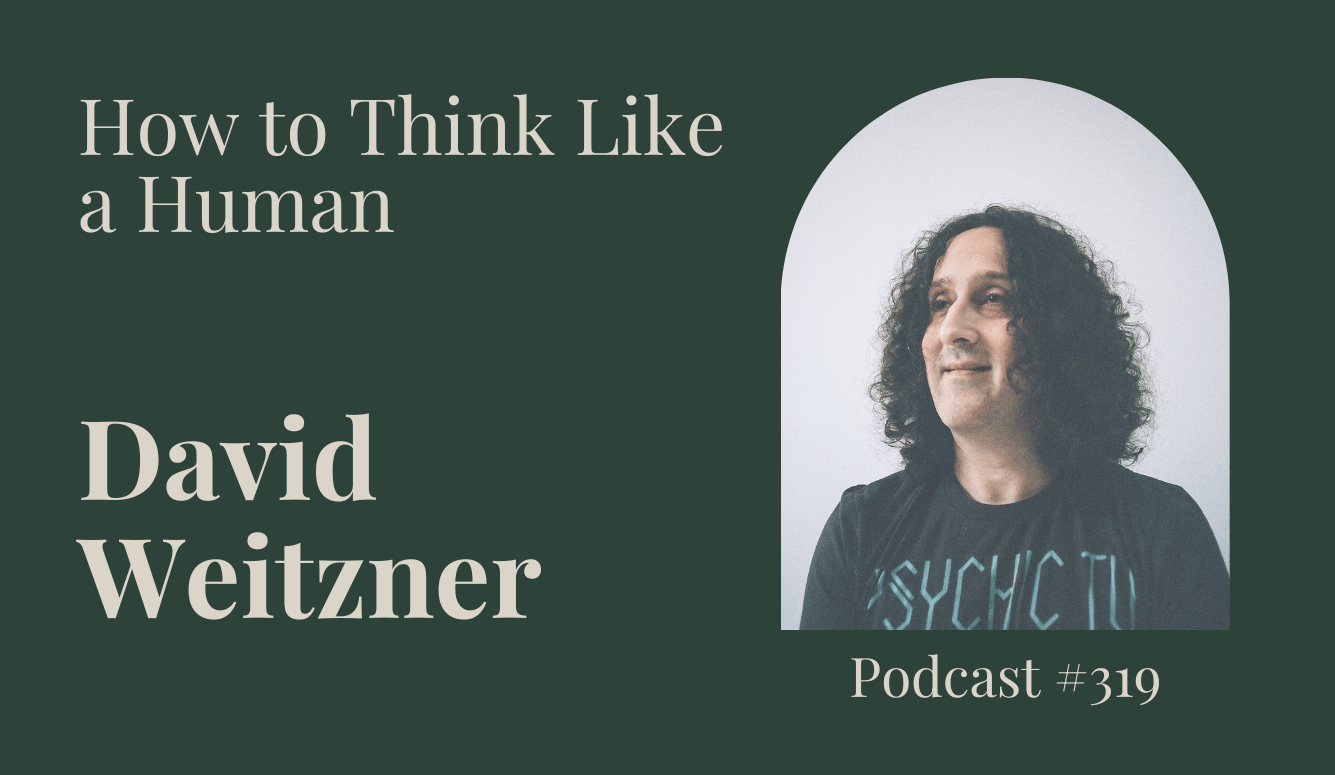
Managing Editor Iona Italia talks to psychologist David Weitzner about the differences between human cognition and artificial intelligence.
Culture is fragmented; it is about to become atomised.
Tech companies stand to benefit from widespread public misperceptions that AI is sentient despite a dearth of scientific evidence.
Generative AI, disinformation, and the dangerous temptation of benevolent censorship.
The philosopher John Searle’s concept of Intentionality and his Chinese Room experiment reveal the differences between AI computation and human thought.
How AI training produces evasion over engagement.
Amid all the overexcitement about artificial intelligence, there is little room for public consideration of mind-blowing findings on natural intelligence.
The hyperbole surrounding AGI misrepresents the capabilities of current AI systems and distracts attention from the real threats that these systems are creating.
Philosopher and programmer Sean Welsh talks with Zoe Booth about AI, colonial history, and why scepticism is the best guide through both technology and politics.
The disillusion produced by GPT-5 is not a technical hiccup, it’s a philosophical wake-up call.
The discipline of English literature seems unlikely to survive the coming technological tsunami—and maybe it doesn’t deserve to. And I say this as a professor of English, who believes in the power of the written word.
Automation, artificial intelligence, and robotics are set to redefine the relationship between labour, capital, and production.
Virtual friends are already good enough to engage us and satisfy some of our appetites. They are going to get better, spread into more corners of our lives, and settle in.
AI catastrophe is easy to imagine, but a lot has to go consistently and infallibly wrong for the doom theory to pan out.