Academic Exile, Two Years On
Academia has become an intellectual prison, and many incarcerated professors are compelled to live a dual existence.
A collection of 55 posts
Academia has become an intellectual prison, and many incarcerated professors are compelled to live a dual existence.
Next week, I am taking my university to court. To my knowledge, it is the first time an academic institution has been forced, at trial, to justify why it prioritises trans rights over women’s rights. The other party in the case is the University of Bristol, which one might
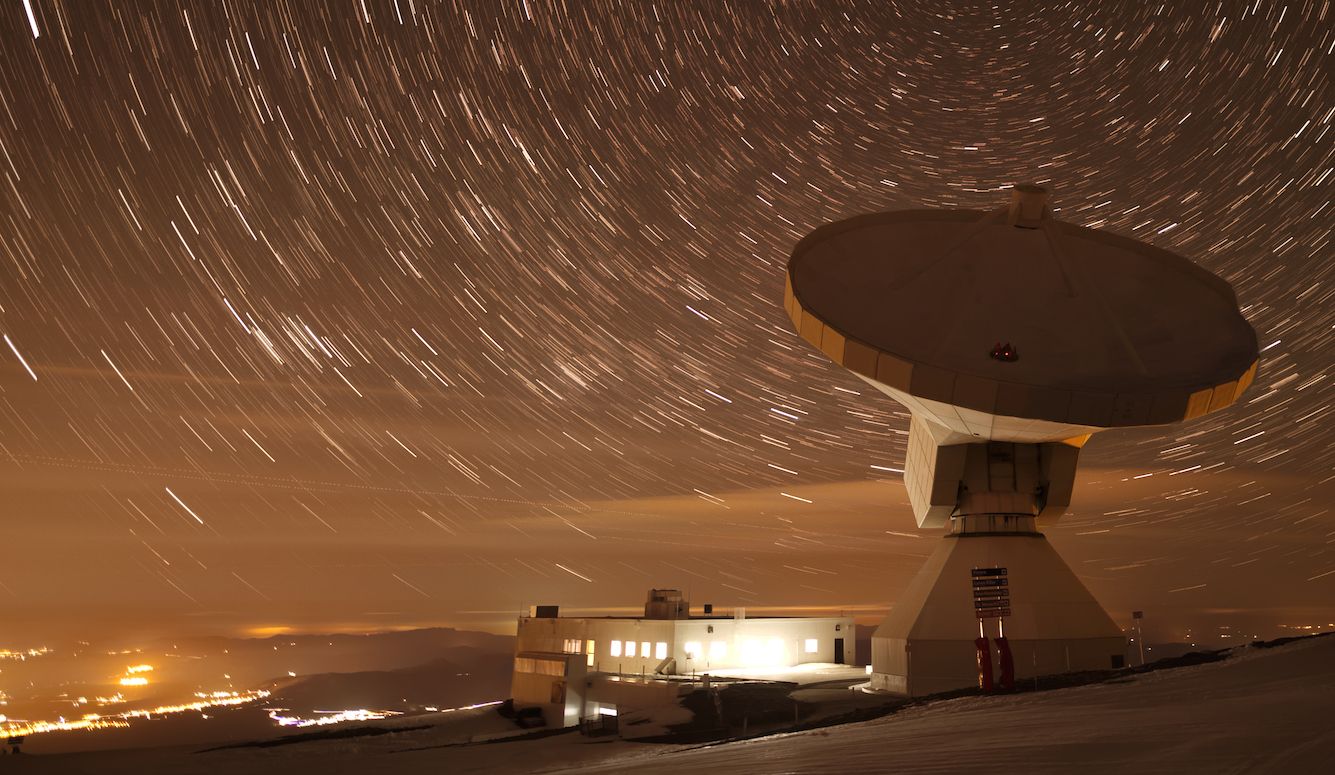
Astronomy seems to be in trouble, as it is increasingly populated by researchers who seem more concerned with terrestrial politics than celestial objects, and who at times view the search for truths about nature as threatening. This became obvious in recent years, once the proposed Thirty Meter Telescope (TMT) project
The administration, well-aware of these defamatory messages, did not refute them or even address their impropriety with the perpetrators of the misinformation.
“Grievance Studies” hoaxster and philosophy professor Peter Boghossian tells Quillette podcast host Jonathan Kay why he could no longer continue waging his struggle for intellectual pluralism without first shaking off the ideological constraints of campus life.
But it is sad to see established facts now suppressed along with undesirable beliefs and opinions. And to see our institutions of higher learning being led to this kind of neo-obscurantism in the name of enlightened social attitudes.
The share of academics who lean left is between 71 and 83 percent across the first six columns, with just 4–16 percent conservative.
Dozens of scholars threatened to resign from the college if my appointment were allowed to stand.
One young man said to me, “How did you get tenure?” When I said that I didn’t have tenure he said, “Good! Because you’re not going to get it.”
If a formally refereed and published paper can later be erased from the scientific record and replaced by a completely different article, without any discussion with the author or any announcement in the journal, what will this mean for the future of electronic journals?
Pursuing unorthodox scholarship can lead to frustration and failure, to exciting breakthroughs, or anything in between.
Understanding these mechanisms can hopefully produce a broader sense of how ideologically motivated people are able to acquire and wield so much power.
Though different literary forms, the key message of both works was the same: beware any person or group that redefines words.
Access to journals is crucial for how they do their work. But few research libraries can afford all the journal subscriptions needed by all of their faculty for all occasions.
To understand what happened at Wilfrid Laurier we need to understand what’s causing the gradual advance of leftwing ideology as a cultural phenomenon.