Canada
Canada’s Elusive Unmarked Graves: a Third-Anniversary Update
Many of the public figures who stoked the country’s morbid 2021 social panic are now doing their best to change the subject.
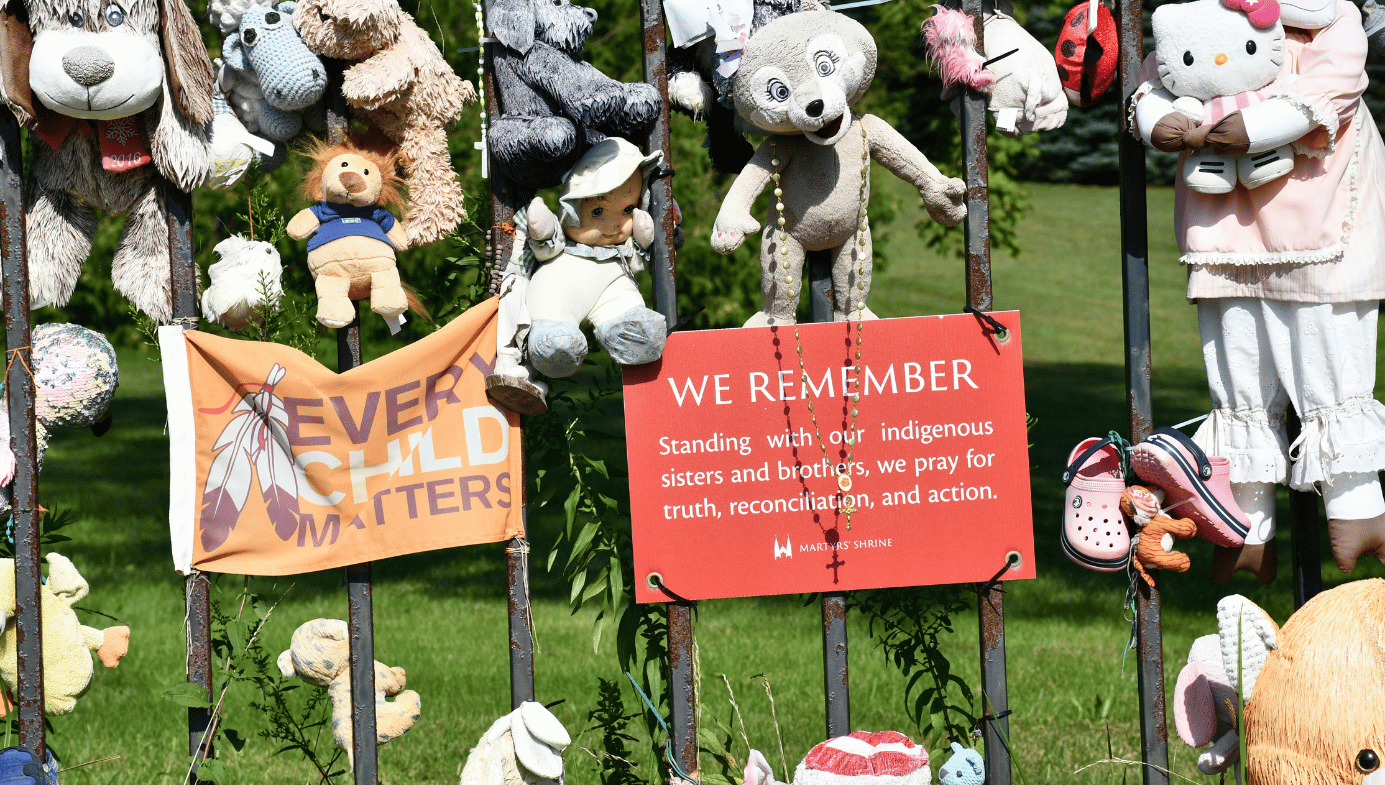

This week marked the third anniversary of Canada’s strange “unmarked graves” scandal—a morbid social panic that took hold of my country in late May 2021, following unverified claims that the corpses of 215 (presumably murdered) Indigenous children had been located at the site of a former school in Kamloops, British Columbia.
As I’ve already described this saga in several Quillette articles, I will not belabour the specifics (which, by now, have also been covered in the international press, as well as Canada’s National Post and Dorchester Review). Instead, this update will focus on the manner by which Canadian public figures (journalists, in particular) have tried to evade accountability for their original gullibility, as it presents an interesting case study in social psychology on a national scale.
 Jonathan Kay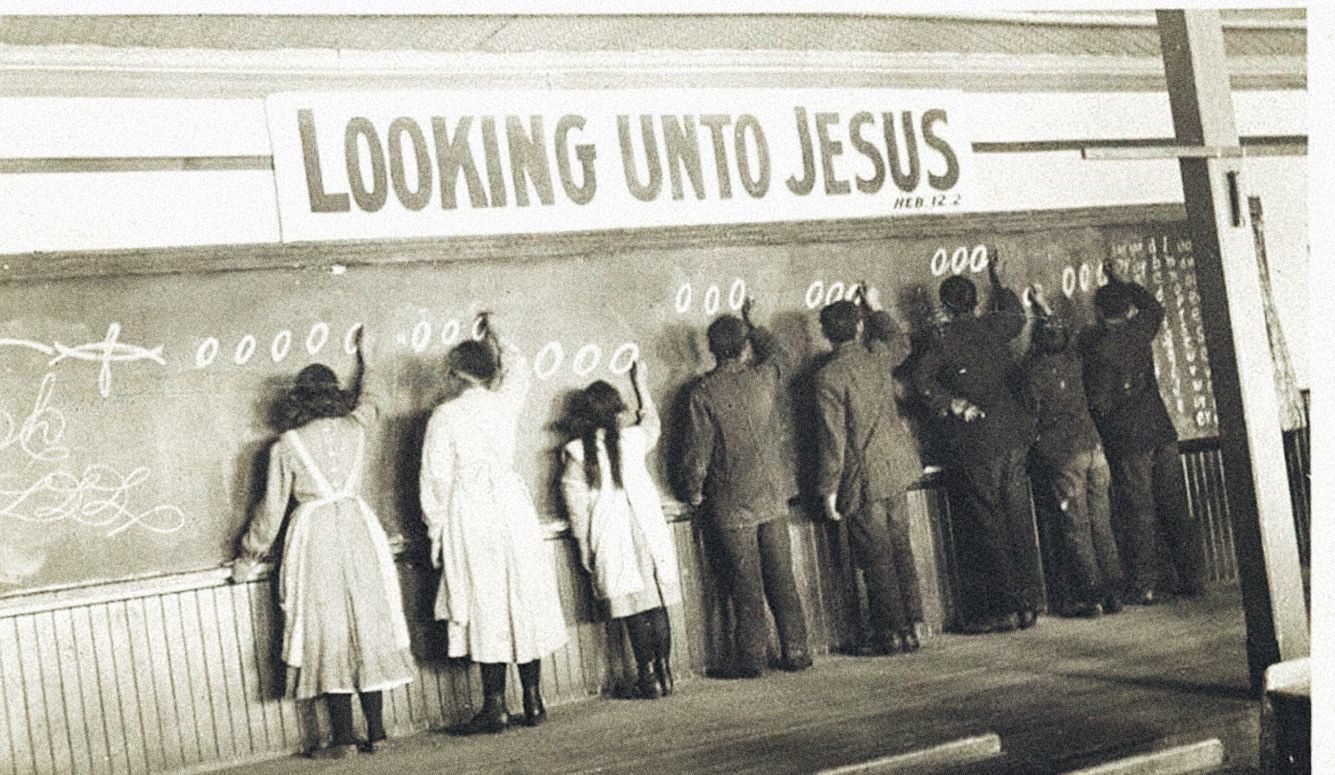
The background here, as anyone who’s followed the story closely will know, is a genuinely shameful aspect of Canadian history—the federally funded, church-run system of residential schools established in the nineteenth century as a means to assimilate the country’s Indigenous population. In many cases, children were forced to attend boarding schools located hundreds of miles from their home reserves. Mortality rates from infectious diseases (especially tuberculosis) were tragically high, and the whole issue was properly referred to an authoritative body known as the Truth and Reconciliation Commission, which concluded that at least 3,200 children died after enrolling in residential schools. The real number might well be considerably higher.
Keep reading
Apocalypse ’92
Love and Theft
AI Is Not About To Become Sentient

The Innovation Trap

Treating Myths as Science