
The Defenestration of Bari Weiss
Brian Stewart
· 5 min read

The Harper’s letter itself bent over backwards to mollify prospective critics, so it’s hardly surprising that the vast majority of signatories felt comfortable adding their names.
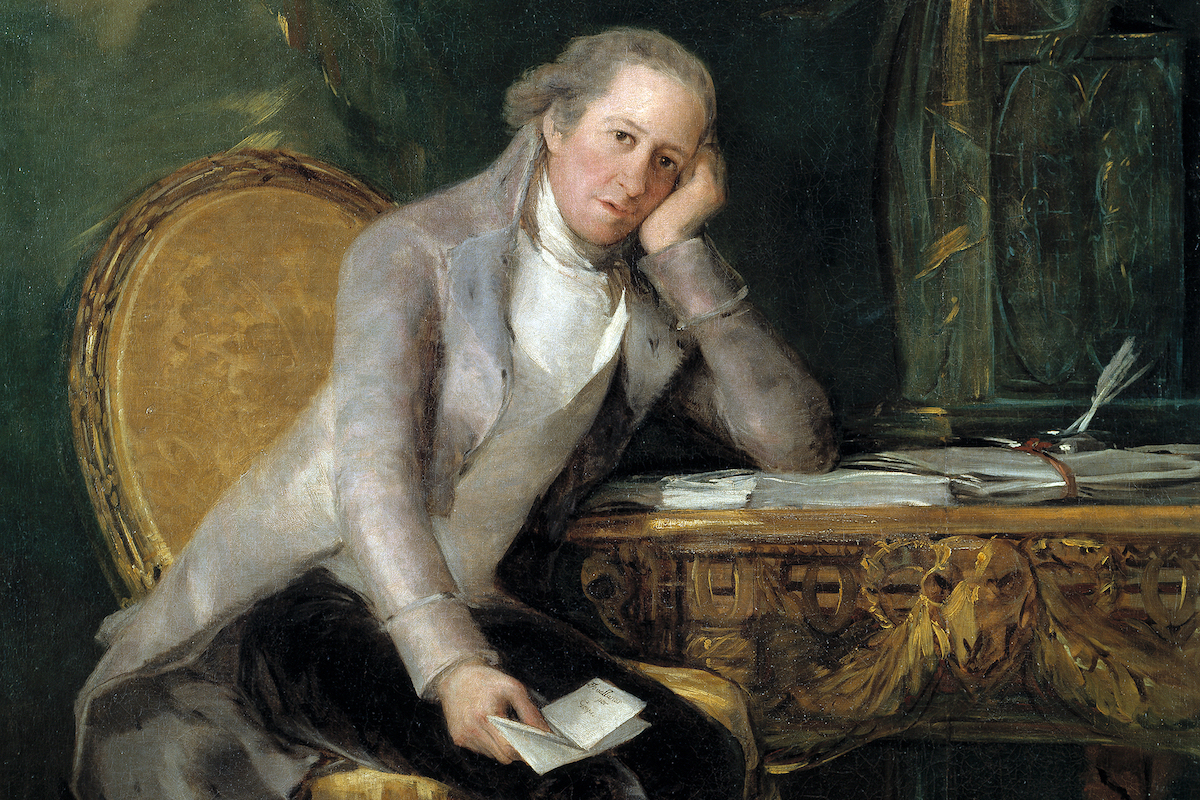
Scholars in the humanities are the bearers of the memory of civilisation, and their role in our society is indispensable.

The US’s hegemonic period, now shrinking, often looked like empire, especially the British version, which it mostly replaced.

Nwanevu is predictably coy about affirmative action, the most explicit form of institutional racism in the United States.

Listen onSpotify Michael Shellenberger, President of Environmental Progress, talks to Jonathan Kay about global warming, natural disasters, media scaremongering—and why the world is actually getting safer, notwithstanding the scaremongering of Extinction Rebellion. An extract from his new book, Apocalypse Never: Why Environmental Alarmism Hurts Us All, recently appeared in

America’s racial inequities, of which police brutality is only a minor part, must end.

Dozens of scholars threatened to resign from the college if my appointment were allowed to stand.
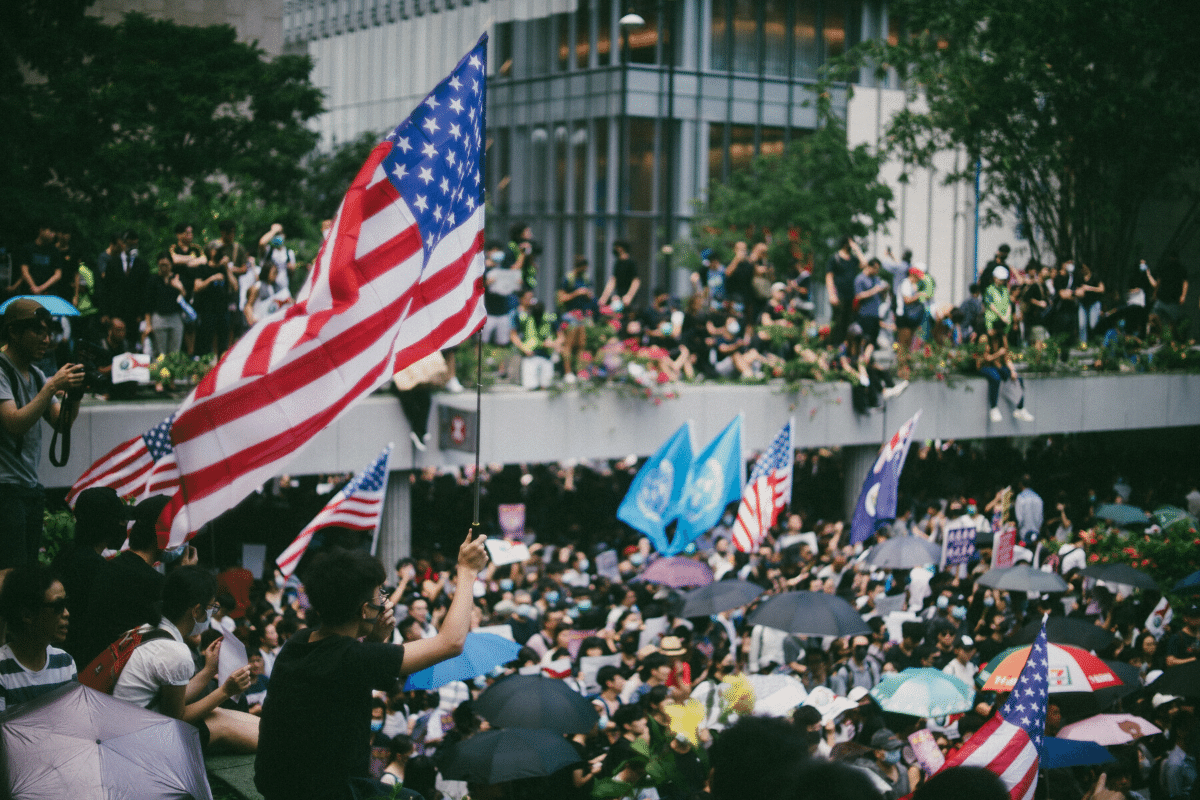
Accepting Hongkongers into our countries would be good for us.
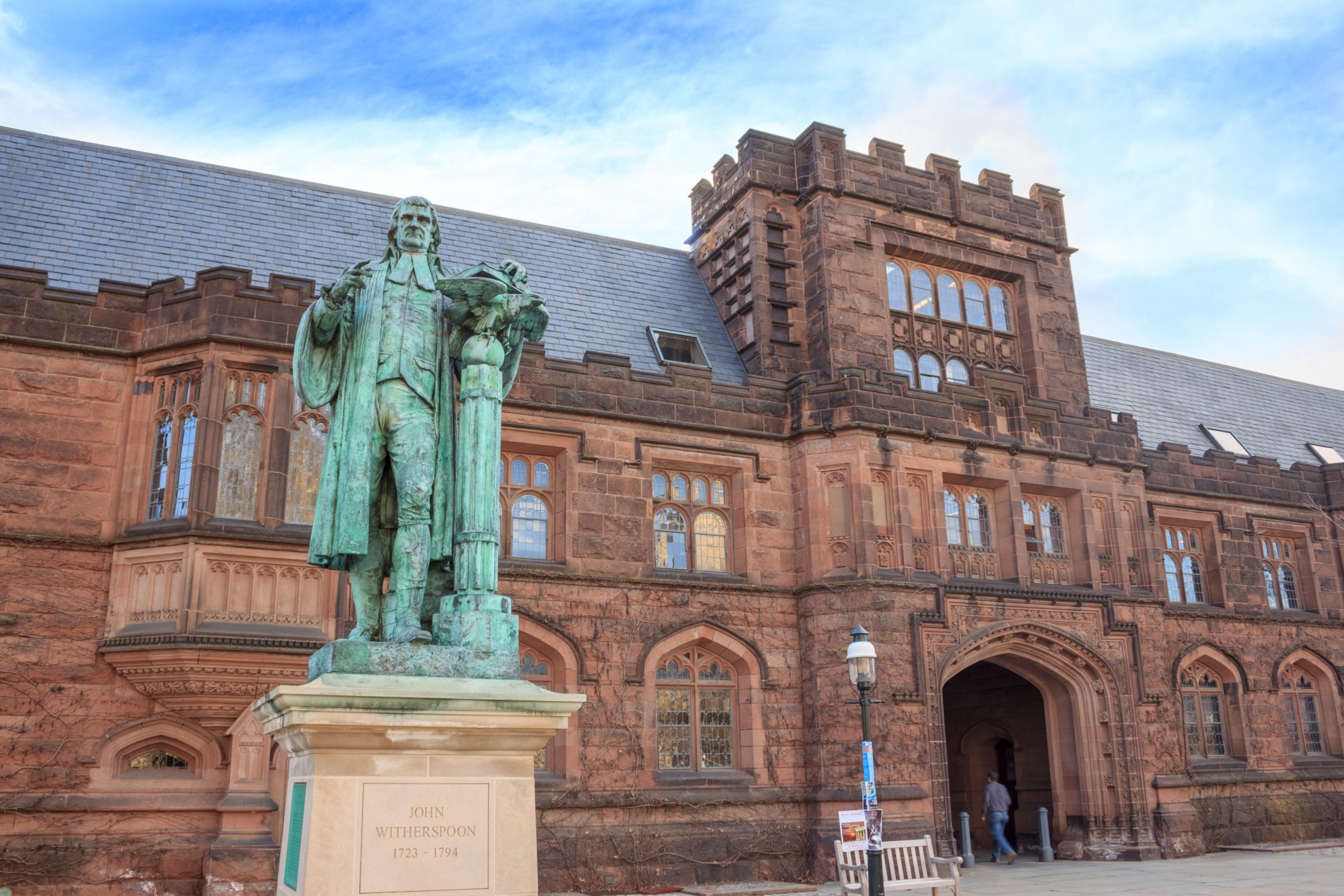
Independence of thought is considered the hallmark of academia, but everyone deserves it.

The Congo has a way of putting first-world prophecies of climate apocalypse into perspective.

Contemplation of such great age is intrinsically moving, perhaps because it releases us from the oppressive clamour of the moment.

The lack of childhood history was critical, since traditional gender dysphoria typically begins in early childhood.
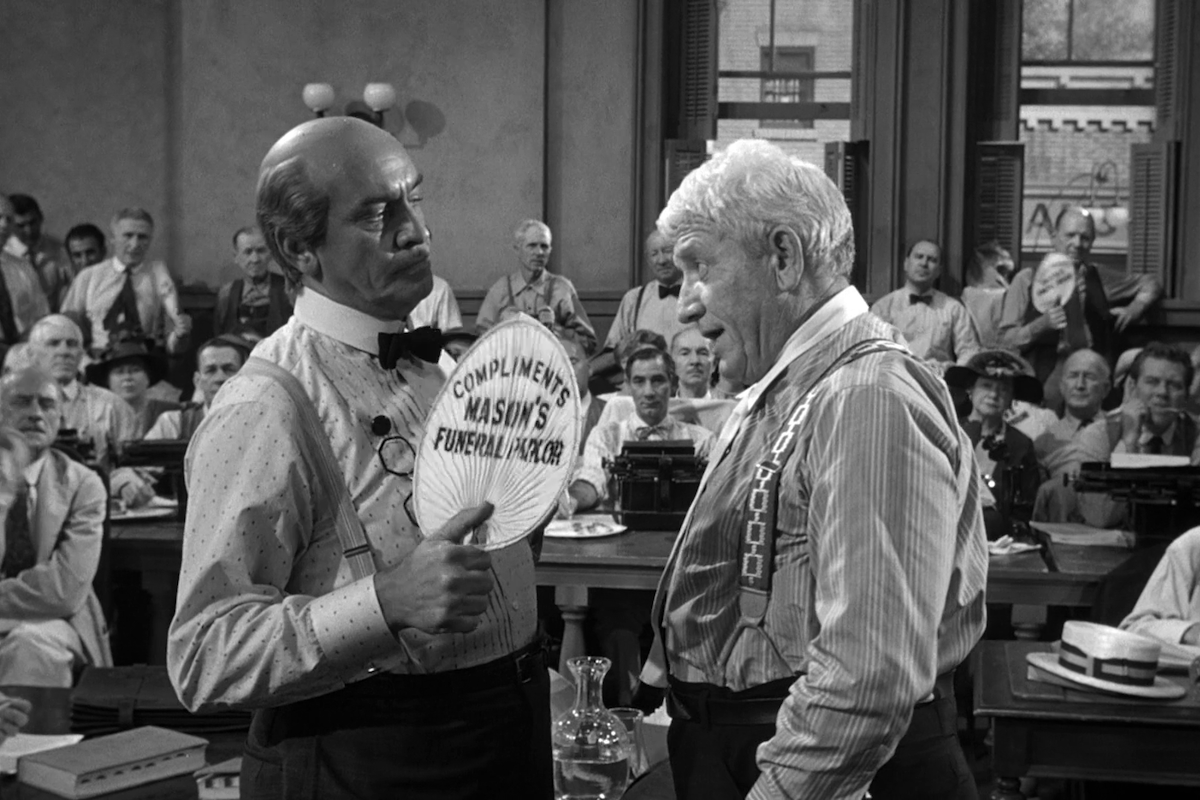
Lawyers like to joke that a ruling is probably correct if both sides are equally upset by it.

The New Yorker story remains an albatross around my neck.