Jonathan Kay
Podcast #327: Will Post-Islamist Iran Get a Royal Restoration?
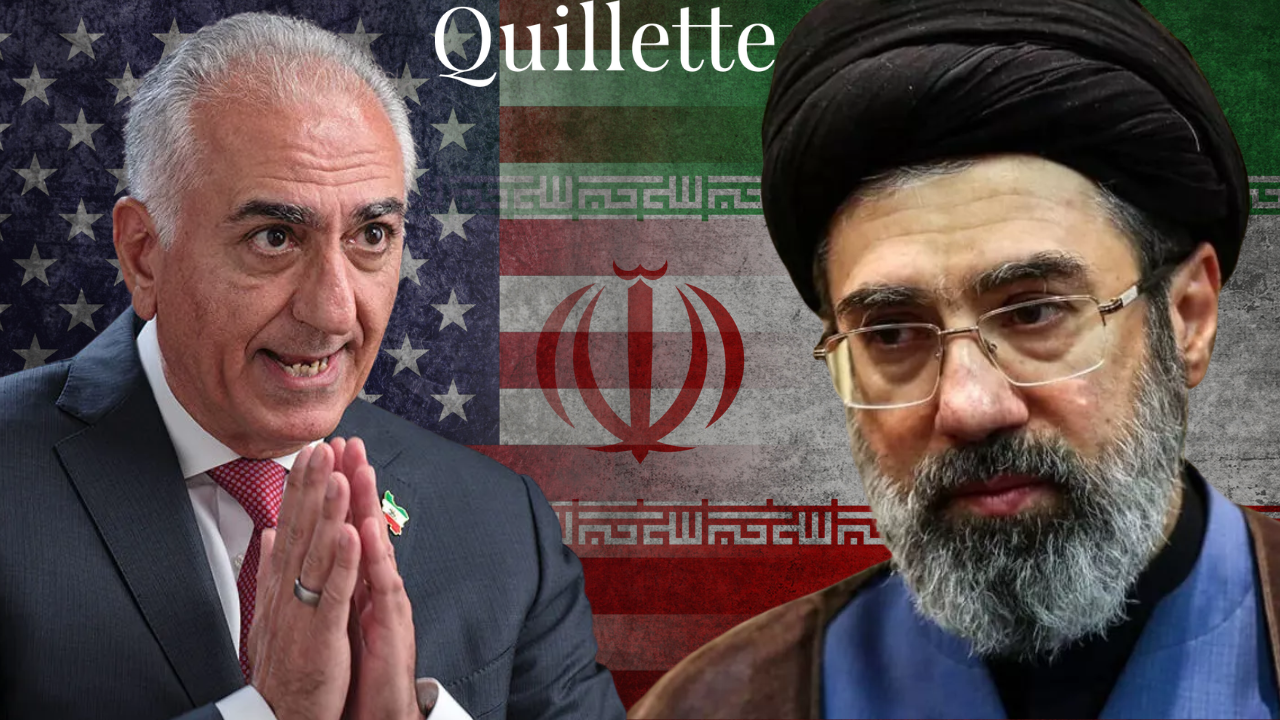
Quillette podcast host Jonathan Kay speaks with Iranian-Canadian human-rights activist Kaveh Shahrooz about whether Reza Pahlavi, the eldest son of the last Shah of Iran, might rise to power as a new Prince of Persia.

Chapters
00:00 Khamenei’s Potential Fall and Kaveh Shahrooz’s Background
02:07 Diaspora Bias and Generational Divides in Iran
05:08 Masih Alinejad and Iran’s Rural–Urban Divide
07:15 IRGC Economic Control and Rising Public Anger
10:32 Reza Pahlavi and Growing Monarchist Nostalgia
14:04 Nostalgia for Pre-Revolutionary Iran
16:51 Divisions Within the Opposition Coalition
20:05 Kurdish Representation and the Case for Federalism
22:25 Renewed Prospects for Liberal Democracy
23:58 Succession Crisis After Khamenei
26:05 Clerical Power and a Regime in Limbo
28:31 US Negotiations vs Israeli Push for Regime Change
29:57 Collapse of Iran’s Regional Alliance Network
32:58 Sectarian Politics and Fracturing Proxy Alliances
34:36 Secular Society Under Theocratic Rule
37:08 Moral and Legal Debate Over Military Intervention
39:31 Diaspora Plans to Rebuild a Post-Regime Iran
This week, we’re going to be talking about what will become of Iran now that its Supreme Leader, Ali Khamenei, has fallen victim to the ongoing bombing campaign by US and Israeli forces.
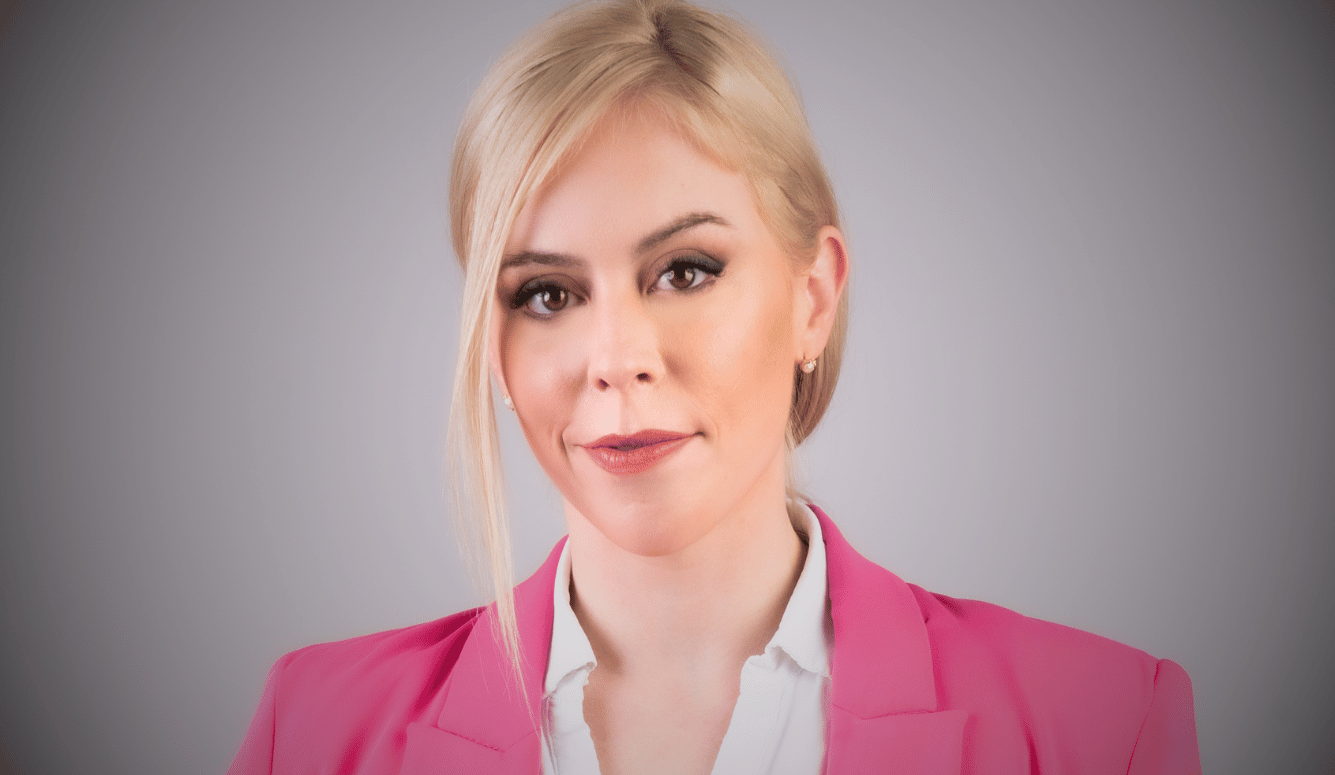
With me to discuss the issue is Kaveh Shahrooz, an Iranian-born Canadian lawyer and human-rights activist who now serves as a senior fellow at the Macdonald-Laurier Institute.
Before taking on this role, Kaveh served as a policy advisor on human rights to Global Affairs Canada. A graduate of Harvard Law School and the University of Toronto, he recently led a successful effort to convince Canada’s parliament to recognise the 1988 massacre of political prisoners in Iran as constituting crimes against humanity under international law.
During his career, Kaveh has spent a lot of time networking with other liberal-minded Iranian reformers, and we’re going to discuss some of the tensions and rivalries that exist within that community—tensions and rivalries that are coming to the fore now that the demise of Iran’s Islamist theocracy seems like a realistic short-term objective.
 Iona Italia
In particular, we will discuss Reza Pahlavi, the eldest son of Mohammad Reza Pahlavi, the last Shah of Iran. For decades, Pahlavi has lived the life of a wealthy exile in the United States. And he has used his wealth and freedom in the West to assemble a large body of supporters, both on the ground in Iran, and in cyberspace.
Many Iranians, especially those with positive memories of his father’s strongarm rule before the 1979 Islamic Revolution, are looking to Pahlavi to take over the country as part of some new royalist restoration.
We will also discuss the underlying nature of Iranian society, with a focus on understanding how the Mullahs and their brutal Islamic Revolutionary Guard Corps security forces, known as the IRGC, have been able to maintain power for so long in a country that is, in fact, one of the most secular in the Middle East.
Please enjoy my interview with human-rights expert Kaveh Shahrooz.
Quillette invites thoughtful responses to its essays.
Selected responses are published once per week as part of a curated Letters to the Editor feature. If selected, letters appear under the contributor’s real name and may be edited for clarity and length.
To submit a letter for consideration, please email [email protected].
Keep reading
Treating Myths as Science

The Edifice Complex
Letters to the Editor
Criminal Research
Getting Away With It