
When Xi Jinping gloated about the “chaos” that rules world affairs, he hardly had in mind a cacophony of drone strikes on Beijing’s energy partners in the Gulf. Nor did he envision the sudden closure of a chokepoint through which China gets half its oil. The president saw great opportunity in the general turmoil and supposed multipolarity of the age: a chance for the CCP lion to rise. If Washington has its way, it will be the lion of Persia, instead, that emerges triumphant—a long-oppressed people rising to retake a stolen country.
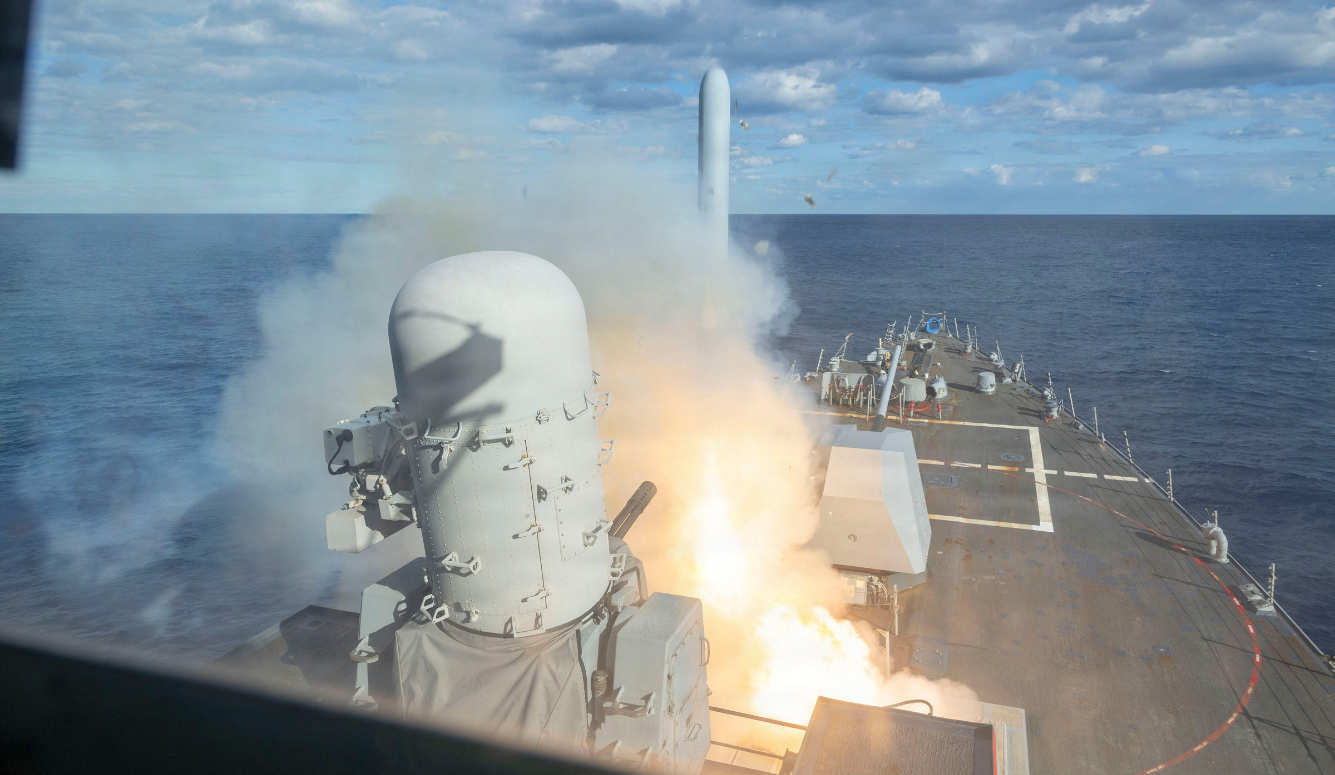
Operation Epic Fury is not just about Iran. Much like the recent American operation in Venezuela, this was primarily about China. Tehran is a node in a network; a proxy for the CCP in a new Cold War. And for reasons ranging from energy to munitions, these new US–Israeli attacks could mark a turning point in the war, swinging the balance in Washington’s favour.
Officially, China buys no oil from Iran. In reality, ninety percent of Iranian crude is taken by the tankers of Iran’s fabled shadow fleets, under cover of darkness with disabled transponders, or masked by GPS spoofing tech. The cargo is transshipped in waters east of the Malay Peninsula, rebranded as Emirati or Malaysian, and moved north to the Shandong headland, jutting out from China’s east coast. Iranian dark oil accounts for 13.5 percent of all Chinese crude imports, while the purchases add up to some 45 percent of Tehran’s total government budget. Beijing has been keeping the Islamic Republic afloat. At the same time, it has saved billions by spiriting cheap oil into China via ghost fleets. The dependency works both ways.
China is, in fact, uniquely dependent; it is the world’s largest energy importer. That could become a serious headache in the event of the Taiwan takeover Xi has planned for 2027, considering the flood of sanctions and cascading disruptions likely to follow. So the CCP has rapidly diversified both the sources and the routes of its vast intake. Gulf crude now makes up a third of China’s supply. And in 2021, the Party agreed to invest US$400 billion in Iranian energy, infrastructure, transport, and seaports over the next 25 years—all in return for oil at a sharp discount.
Keep reading
Treating Myths as Science
The Edifice Complex
Letters to the Editor
Criminal Research


Getting Away With It