Politics
After Trump’s Iran Decision
The real dilemma is not between war and negotiation. It is between episodic action and sustained architecture.
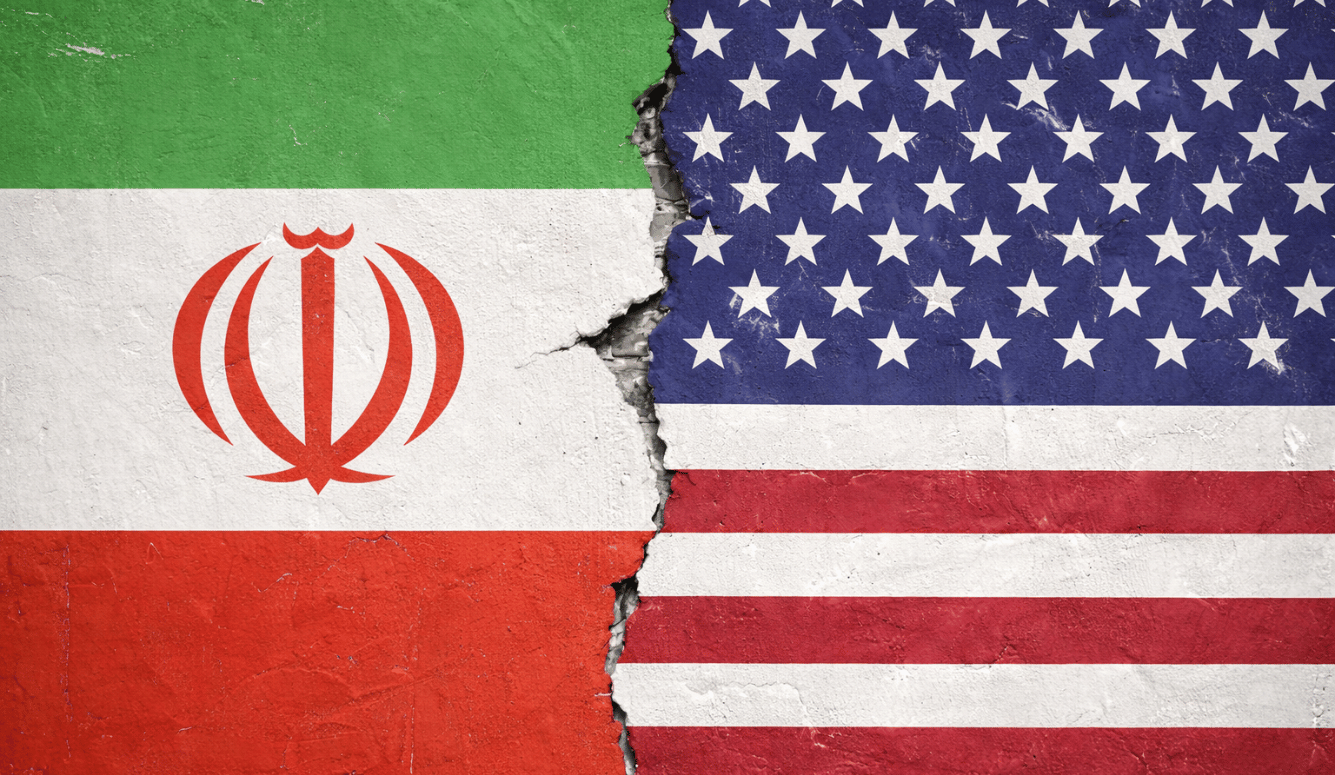

Benny Morris has explained US president Donald Trump’s Iranian dilemma with characteristic clarity, but his analysis is incomplete. The decisive question is not whether Washington strikes or negotiates, it is what institutional architecture follows either decision. Without durable enforcement mechanisms, either path risks becoming a prelude to recurrence rather than resolution.
 Benny Morris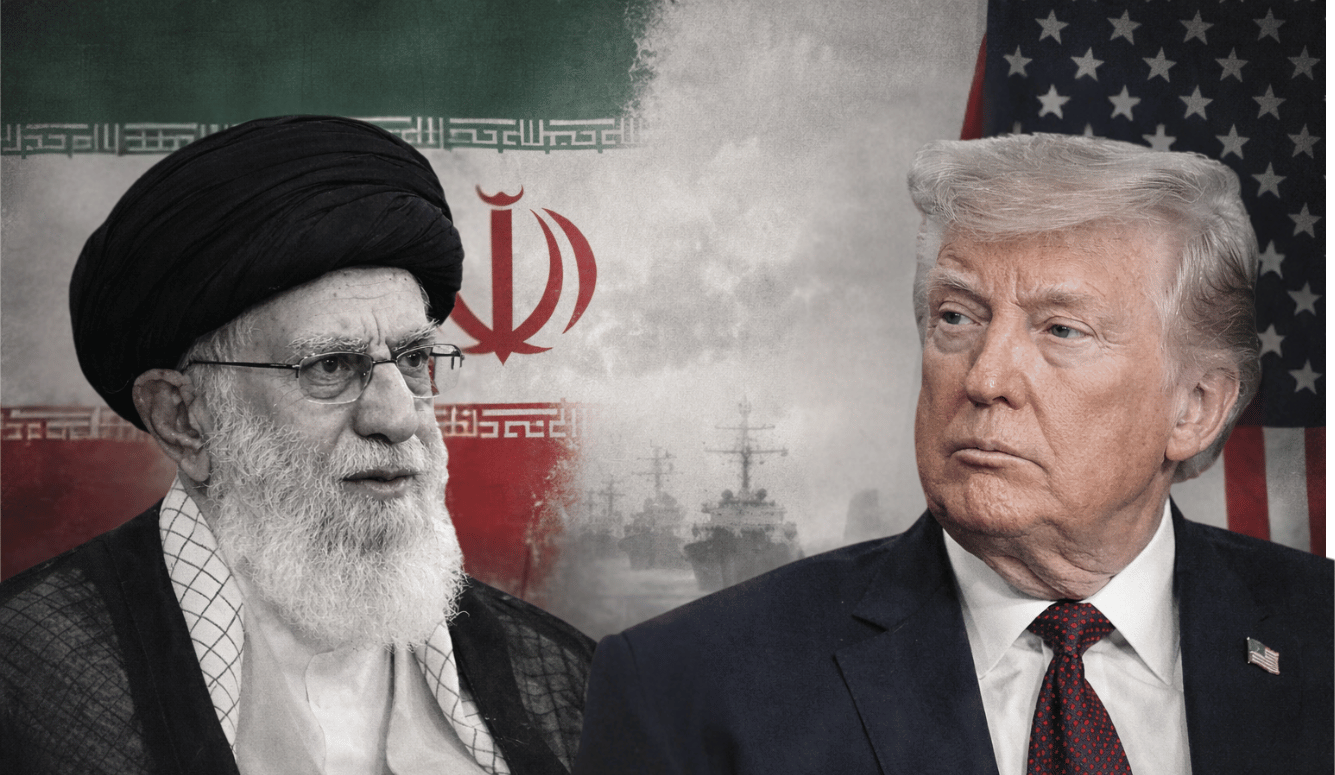
The Strike Scenario: Degradation Versus Elimination
A military strike on Iran’s nuclear facilities could significantly degrade its program, but degradation is not elimination. Iran’s nuclear capacity is a distributed system embedded in scientific expertise, engineering capacity, hardened facilities, and procurement networks. Destroying centrifuge halls cannot erase technical knowledge or the latent capacity to rebuild.
The central strategic question is therefore whether or not the United States and its regional partners are prepared for the sustained enforcement campaign that would have to follow a strike. Tehran would almost certainly activate its proxy network in Lebanon, Iraq, and Yemen. In addition to striking Gulf shipping, Iran may attempt to close the Strait of Hormuz. At which point, Washington would face a second decision: escalate further, or accept a contained but ongoing shadow war as the price of delaying Iran’s nuclear progress.
A strike, in other words, would not be a discrete event, but the opening act of a containment strategy that could last years. If policymakers are unwilling to sustain that follow-on architecture—maritime protection, proxy suppression, procurement interdiction, cyber disruption, intelligence monitoring—then the initial strike becomes strategically incomplete.
Historical Precedent and Strategic Endurance
History suggests that preventative military action can delay but rarely eliminate determined proliferation efforts. Israel’s 1981 strike on Iraq’s Osirak reactor disrupted Saddam Hussein’s program, but Iraqi nuclear ambitions continued covertly until they were exposed after the 1991 Gulf War. The 2007 strike on Syria’s al-Kibar facility removed a nascent capability, but only because the program was at an early stage and the Assad regime chose not to rebuild. Iran’s nuclear program, on the other hand, is mature, distributed, and deeply embedded in national infrastructure.
Likewise, arms-control agreements have had mixed durability. The JCPOA (the Joint Comprehensive Plan of Action, also known as the Iran Nuclear Deal) signed by the Obama administration extended breakout timelines and imposed inspections, but sunset clauses and political fragmentation undermined long-term confidence. The lesson is not that diplomacy is futile, nor that force is decisive. It is that neither instrument operates independently of sustained enforcement and political cohesion.
The more ambitious the objective, the longer and more disciplined the enforcement period must be.
The Negotiated Settlement: Verification or Drift
Negotiation presents a different set of risks to military action. Iran insists that uranium enrichment is a sovereign right. From Tehran’s perspective, this is a matter of national dignity as much as strategic leverage. A settlement that leaves enrichment intact but capped may extend breakout timelines and reduce immediate risk, but only if verification is intrusive, continuous, and backed by automatic consequences for noncompliance.
The weakness of the JCPOA was not just that its terms were flawed, but that enforcement relied too heavily on political consensus. Sunset clauses created ambiguity about long-term intent. Disputes over compliance became arenas for diplomatic bargaining rather than automatic triggers for response.
If Washington negotiates again, the architecture must be different. Inspection regimes would need real-time access. Procurement channels would need constant monitoring. Financial networks supporting missile programs and proxy groups would need to remain constrained even if nuclear-related sanctions were lifted.
A settlement that isolates the nuclear file while ignoring Iran’s regional conduct may temporarily stabilise one dimension of the threat while leaving others intact.
Over time, these domains intersect. Ballistic-missile development and proxy warfare create pressure on neighbours that increases incentives for nuclear hedging. The architecture must therefore account for interdependence rather than compartmentalise it. Without such mechanisms, negotiation risks becoming managed delay.
Keep reading
James Cameron Goes Native

War in Straitened Circumstances
An Ambivalent Relationship

The Many Faces of Tucker Carlson

Podcast #329: Has the Gay Rights Revolution Gone Too Far for the Gay Community’s Own Good?
The Original Ladies of Letters