Russia
Russian Lies Won’t Bring Peace
The latest Russian “peace proposal” is a set of demands designed to enable a complete Russian takeover of Ukraine, which would otherwise be impossible to achieve.
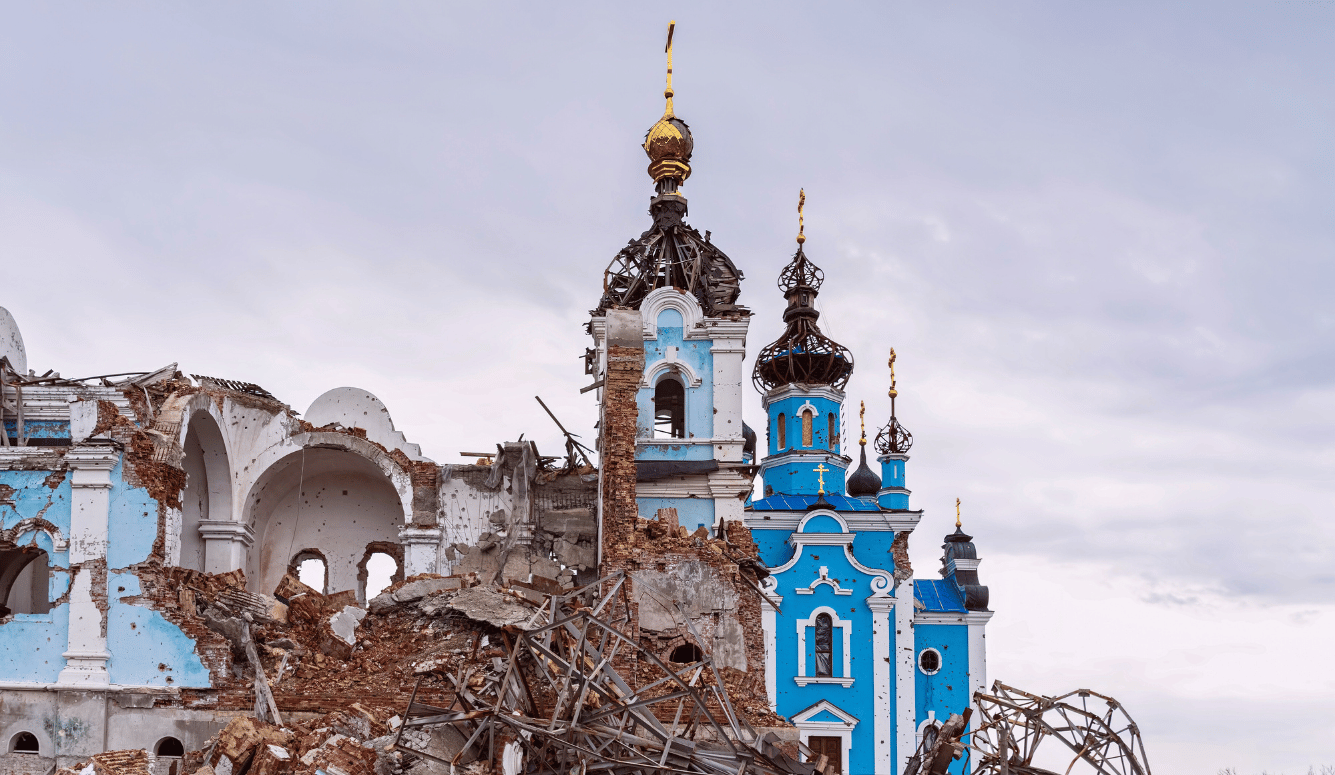

Nearly four years after Russia’s full-scale invasion, one can perhaps be forgiven for a bit of wishful thinking when another peace proposal is introduced to end the war in Ukraine. Even if “tough concessions” are demanded from the Ukrainians—isn’t it worth paying a high price to end the war? Perhaps, this time, we are finally on the brink of peace?
That wishful thinking quickly comes to an end once you realise that the latest Russian “peace proposal” is not a peace proposal at all. It is a set of demands designed to enable a complete Russian takeover of Ukraine, which would otherwise be impossible to achieve. In other words, the problem isn’t that the proposed deal is unfair towards Ukraine, but that it won’t deliver peace at all. What it will deliver is the destruction of a sovereign European country and the opportunity for Russia to launch its next invasion of Europe.
The most obvious giveaway is the Russian demand that Ukraine cut its armed forces by a third and withdraw from some of its critical defensive fortifications in Donetsk. No such limitations are being demanded of the Russian side. For nearly four years, and at colossal cost, the Russians have tried to decisively break through the Ukrainian fortifications in question, with the aim of enabling a rapid advance into the hinterland. But the Ukrainian defences have held. Now the Russians are trying to negotiate their way to the military breakthrough they haven’t been able to achieve on the battlefield by promising “peace” in exchange for Ukraine ceasing to defend itself.
The proposal includes language reaffirming Ukrainian sovereignty. It offers a “comprehensive non-aggression pact” and makes a vague promise of a US security guarantee. But all this means little when coupled with a prohibition against stationing NATO troops in Ukraine—without which a security guarantee would lack credibility—and a lack of punitive measures in case of renewed Russian aggression (other than returning to the status quo).
The US, Russia, and Great Britain offered vague affirmations of this kind more than thirty years ago in exchange for Ukraine giving up its nuclear arsenal. The fact that Russia signed the now infamous Budapest Memorandum in 1994, and that Putin himself repeatedly dismissed the idea of military action against Ukraine as preposterous, did nothing whatsoever to prevent Russia from invading Ukraine in both 2014 and 2022—just as security guarantees that exist only on paper did nothing to make the US or others intervene directly or deter the Russian invasion in the first place.
This is precisely why a strong Ukrainian army, security guarantees underpinned by the physical presence of Western troops in Ukraine, and defensible fortified boundaries are critical to a lasting peace. Since experience tells us that Russian promises of non-aggression are utterly worthless—in fact, they are more often an active indication of future Russian territorial ambitions—effective deterrence is the only way to ensure that a peace deal actually brings about peace.
The current proposal would achieve the opposite, by trading away the deterrence required to secure peace in exchange for worthless promises that have already been broken multiple times. All in all, Russia’s proposal is akin to that of a burglar who vows to stop breaking into your house—if you will only give him your keys, disable your alarm system, cut the phone lines to the police, and sell your gun.
Keep reading
Addressing the Academic Skew

Letters to the Editor

Podcast #332: The Historical Case for Israel

The IOC Is Protecting Female Athletics. Canada’s Secretary of State for Sport Isn’t Happy About It

Rohmer at Camelot

Communism’s Obsolescence