Sport
The Vanishing of Peng Shuai
Whatever really happened between Zhang and Peng, the truth is that they were both already victims, having been raised in a society that completely denies the importance of the individual.

We’ve always heard that the world is getting smaller, but in recent years it has seemed truer to say the opposite. Today, feminists in the West will squawk and squabble over the most incoherent questions (when is a man not a man, but a woman?) while raging against the supposed sexism of history’s least sexist culture, seemingly uninterested in, or unaware of, the very real sexism that exists in other parts of the world. In 2021 there are still places where a woman’s accusations of sexual abuse will go unheard; worse, there are places where such a woman will be made to disappear. But China is far away from us now, further than seemed possible only a decade ago, and its internal issues have become opaque to us.
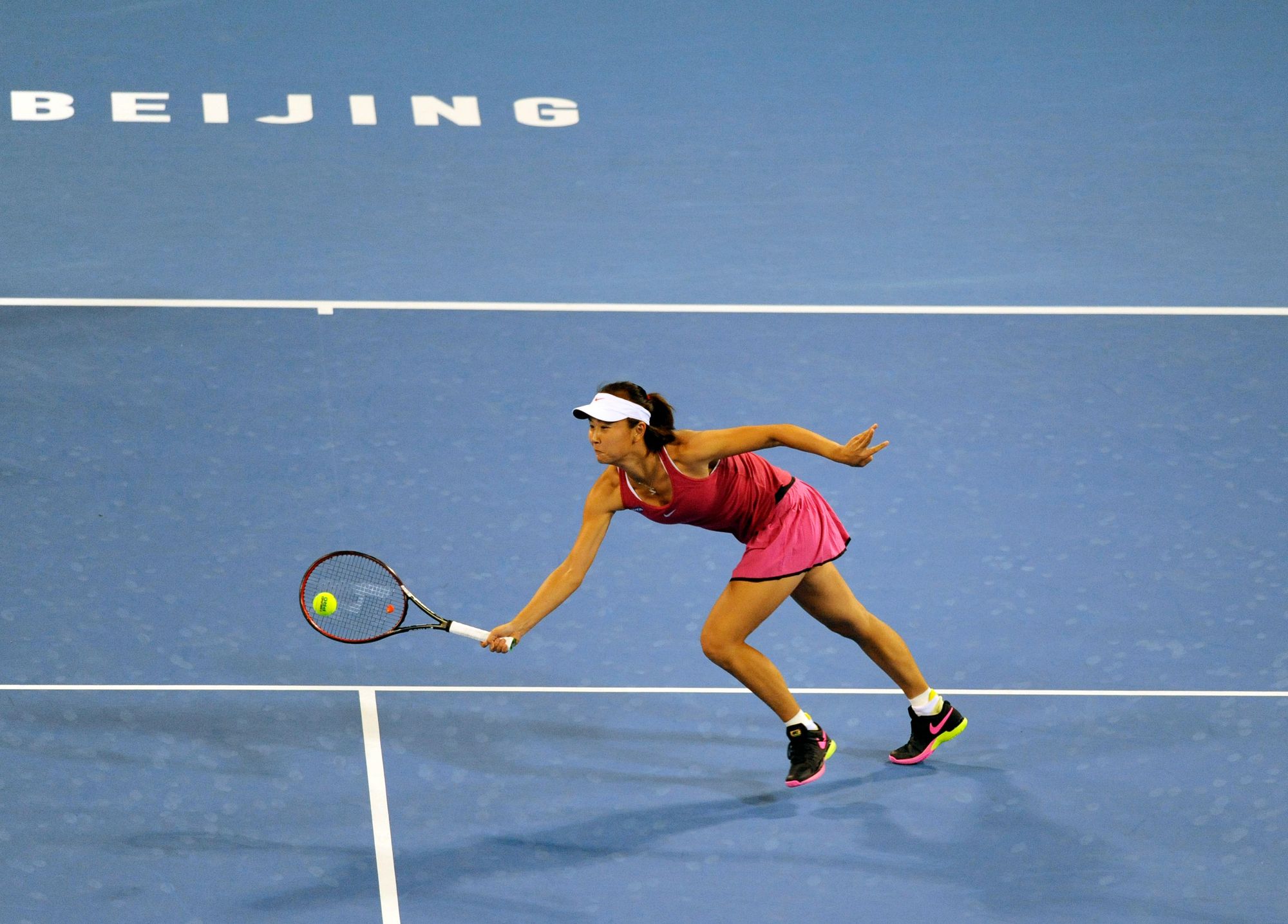
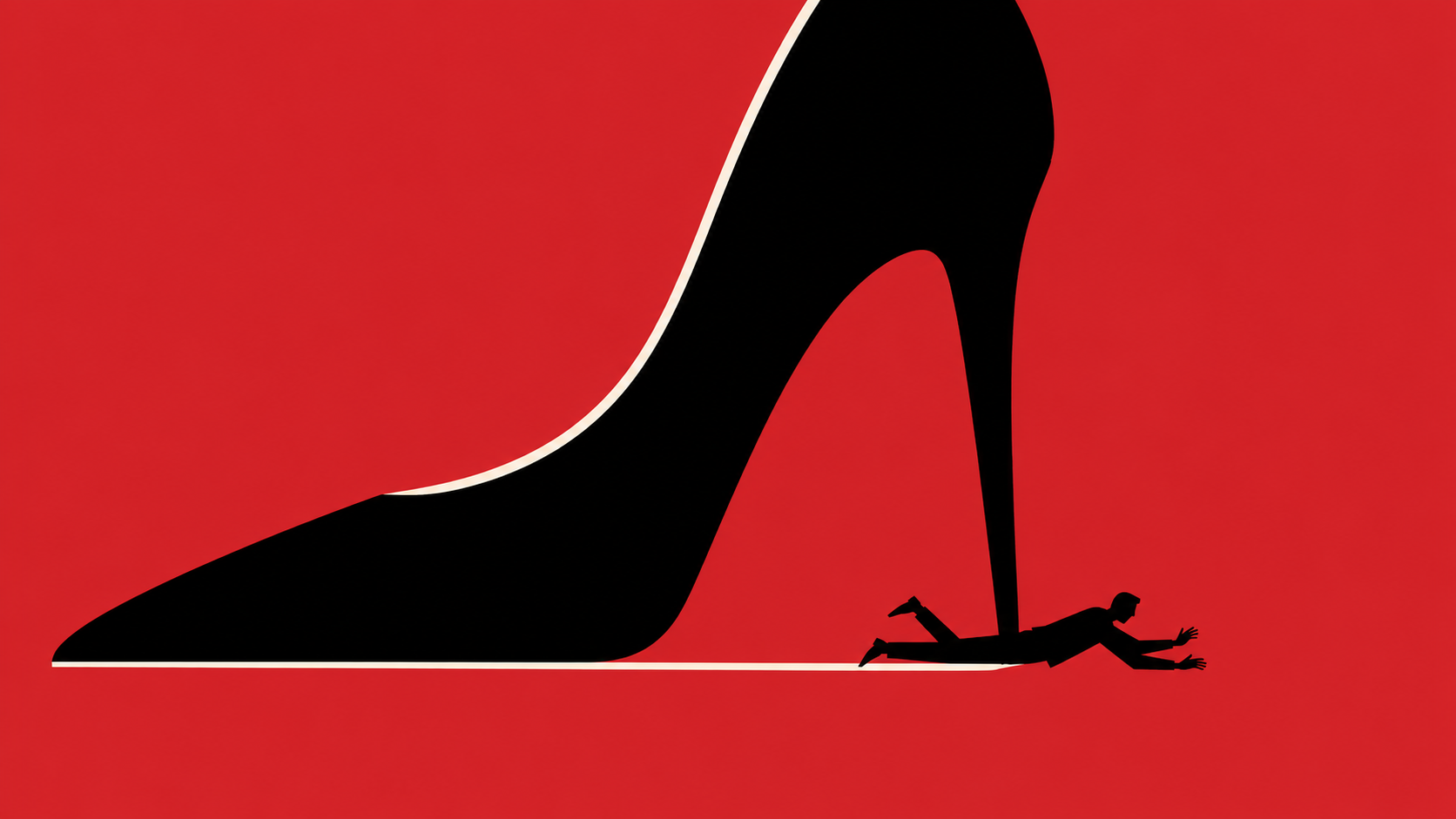
On November 2, the Chinese tennis star Peng Shuai made the claim that she had been assaulted by Zhang Gaoli. Zhang was a former Vice Premier and member for five years of the Politburo Standing Committee, the seven-man body that rules China. In a lengthy post on Weibo, the Chinese version of Twitter, Peng said that Zhang invited her to his house and forced her to have sex with him (the two had previously engaged in an affair which ended seven years before the alleged assault). Her post was quickly deleted and then Peng simply vanished—digitally as well as physically. All mention of her name was deleted from major social media platforms; even followers’ innocuous posts to her Weibo account (“Hi”) were blocked.
I am devastated and shocked to hear about the news of my peer, Peng Shuai. I hope she is safe and found as soon as possible. This must be investigated and we must not stay silent. Sending love to her and her family during this incredibly difficult time. #whereispengshuai pic.twitter.com/GZG3zLTSC6
— Serena Williams (@serenawilliams) November 18, 2021
On November 17, Chinese state media CGTN reported that Peng had broken her silence and emailed Steve Simon, chairman of the Women’s Tennis Association (WTA), to deny having ever made the allegations. A screenshot was provided to reassure us all: “I’ve just been resting at home and everything is fine,” it read. If Beijing really expected that to settle the matter, then we must conclude that China understands the West about as poorly as the West understands China. As Simon stated in response, the email only increases concerns for her safety.
An accusation of assault is not itself proof of guilt, no matter what many in Western countries seem to believe these days. But Zhang Gaoli is a high-ranking member of the Chinese Communist Party, which means that he occupies an exalted plane far above the law. He can expect to face no investigation—that is, just so long as he remains close to Xi Jinping. For such men, factional struggles within the Party represent the only possible danger. And sure enough, the rumours have already begun swirling. Dissident Cai Xia sees great significance in the 20-minute period for which Peng’s post remained visible online: “This signals an intention to let the bullet fly… fly for just a moment.” The implication is that such a sensational post would ordinarily have been removed much faster, but a 20-minute window allowed the news to spread while maintaining the illusion that the Party was still censoring in its normal fashion. Zhang has fallen out of favour, so the theory goes, and he is about to be purged.
Other dissidents have reacted against this interpretation, feeling that it distracts from Peng’s accusation. But it is entirely possible that both the accusation and the conspiracy theory are true. In Communist China, as mainlanders are forever telling me, everyone has dirty laundry. If a political figure belongs to the ascendant faction then his misdemeanours will remain a secret; if his faction is losing power then his misdemeanours will be exposed. But a clean politician? There is no such thing: everyone is guilty.
Back in 2012, when Xi Jinping needed to undermine Bo Xilai, his charismatic rival for the presidency, the story suddenly broke that Bo had been enjoying trysts with Zhang Ziyi (star of films like Crouching Tiger, Hidden Dragon). The actress had supposedly been paid one hundred million yuan for her services. There were denials all round, of course, but it was clear that the timing of the news showed something of the Party’s internal power struggles. Unfortunately no one ever seems able to provide a clear and detailed picture of these struggles, and here again we see the opacity of modern China.
Meanwhile, and more importantly, Peng Shuai has lost her freedom and potentially jeopardised her career. To its credit, the WTA has now threatened to pull its tournaments out of China (there are ten scheduled for 2022, worth tens of millions of dollars), and the Professional Tennis Players’ Association (PTPA) is suggesting that players must be prepared to “take action” if there is no reasonable confirmation of Peng’s safety. There have even been murmurings that Peng’s case will provide the necessary boost to the flagging Boycott Beijing 2022 movement. The Biden administration had already been planning a diplomatic boycott, but a full cancellation would be an unprecedented move, and an enormous blow for the CCP.

The coming days and weeks will put this rhetoric to the test. Of course, it is only in the wake of the Trump government’s course correction on China that such rhetoric has become possible at all. A few years ago we saw American basketball stars slamming support for Hong Kong as “not educated”; today we see them calling for Hong Kong to be free, and reserving their ire for “ruthless dictator Xi Jinping and the cultish Chinese Communist Party.”
Keep reading
How France Lost Control of Its Streets
How to Suppress Men’s Writing
Back to the Dark Ages

Prison or Peer Review

France’s Imaginary Austerity