Quillette's Best on Human Nature
Humans have evolved to empathize with the suffering of others, and to provide assistance so as to eliminate or compensate for that suffering.


The Behavioral Ecology of Male Violence | William Buckner
“Globally, men are 95 percent of homicide offenders and 79 percent of victims. Sex differences in lethal violence tend to be remarkably consistent, on every continent, across every type of society, from hunter-gatherers to large-scale nation states.”
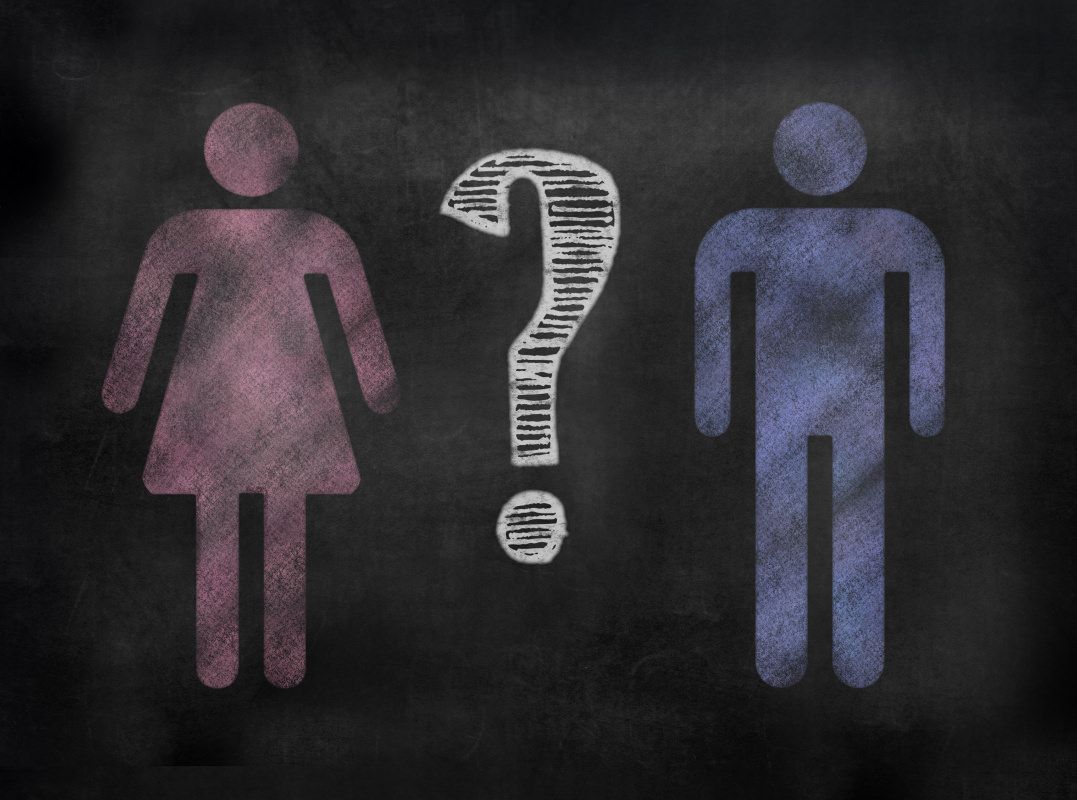
The Real Causes of Human Sex Differences | David C. Geary
“The gender roles explanation of sex differences enjoys wide popularity inside and outside of academia, a level of acceptance that qualifies—given abundant contradictory evidence—as one of Mackay’s extraordinary popular delusions.”

From Hegemonic to Responsive Masculinity: the Transformative Power of the Provider Role | Belinda Brown
“The male provider role is not something which we can simply label hegemonic and therefore seek to dispense with. Rather it is a counterpart of responsive masculinity and therefore a deeply rooted and invaluable part of human male behavior.”

What Light Does ‘Three Identical Strangers’ Throw on the Nature/Nurture Debate? | Nancy L. Segal
“Their remarkable resemblance in abilities, interests, food preferences and choice of partners, in addition to their curly locks, sturdy build and outgoing personalities, are typical of the findings reported by five comprehensive studies of separated twins.”

A Girl’s Place in the World | William Buckner
“Male cults where men would punish women with rape or execution for intruding on their rituals can be found across cultures all over the world, from hunter-gatherers to agricultural societies.”

Sex Differences in Occupational Attainment are Here to Stay | David C. Geary
“From an evolutionary perspective, the sex differences in work-life trade-offs and in career outcomes follow seamlessly from the historical pressures on men to achieve some level of cultural success, as well as women’s greater investment in children.”

Keeping it Casual | Steve Stewart-Williams
“Cultural forces clearly influence people’s willingness to engage in casual sex, and to some extent their desire to do so as well. But the idea that culture creates these sex differences out of nothing not only clashes with the available evidence, it clashes with everything we know about how evolution works.”
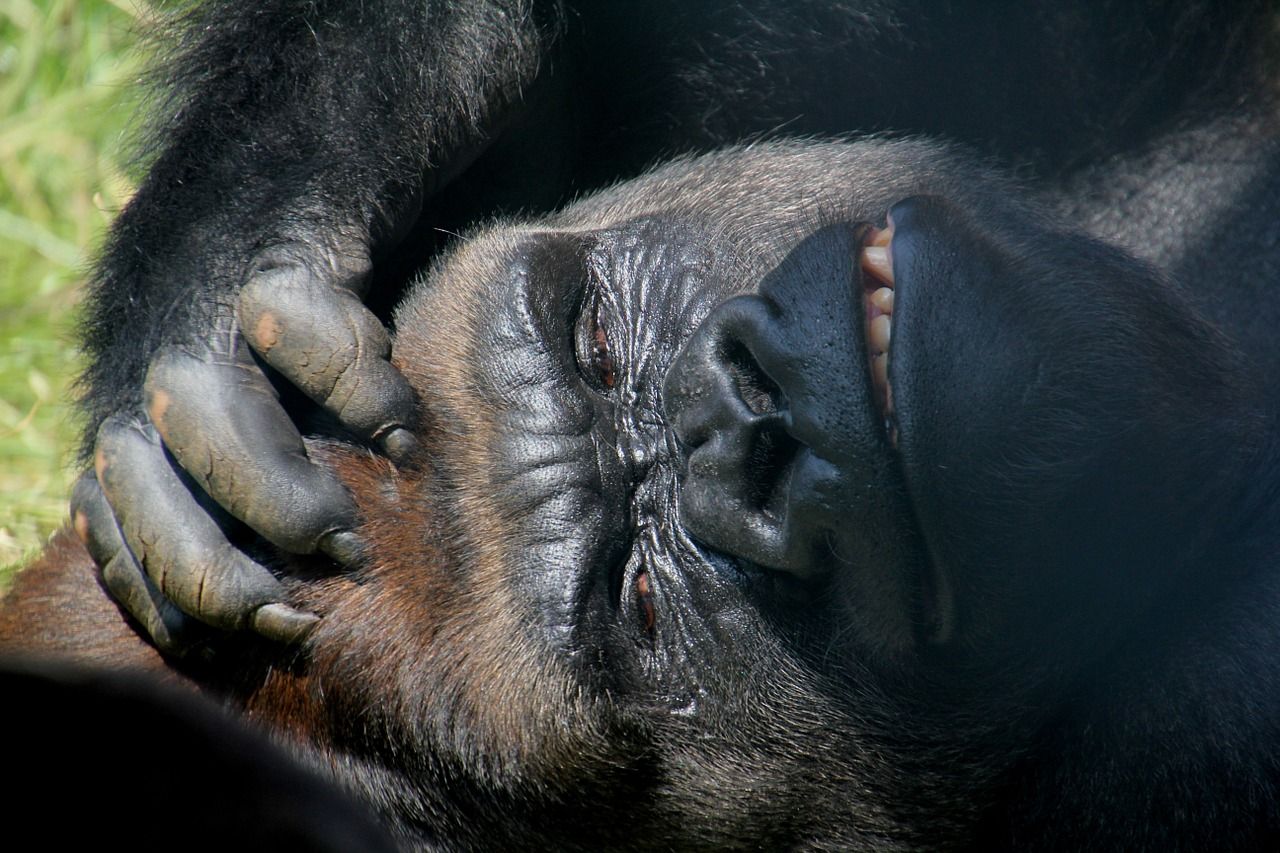
Explaining Monogamy to Vox | William Buckner
“People often choose to be in monogamous pairings. Despite the perception that monogamy is coercive, overall normative monogamy constrains the behavior primarily of higher-status males, seemingly to the benefit of the rest of society.”

Sex, Love, and Knowing the Difference | Debra Soh
“A tendency to overlook a partner’s faults, a common side effect of love, has been thought to be the result of decreased activation in frontal brain regions, which otherwise lead us to exercise caution.”

The Evolutionary Advantages of Playing Victim | Cory Clark
“Humans have evolved to empathize with the suffering of others, and to provide assistance so as to eliminate or compensate for that suffering. Consequently, signaling suffering to others can be an effective strategy for attaining resources.”