Art
"Canada Has Gone Mad": Indigenous Representation and the Hounding of Angie Abdou
Abdou responded to the advice she got by writing a different kind of book altogether. “These were big edits,” she says. “I now had a ghost story without a ghost.”


Late last year, I wrote an essay for Quillette describing how the fight against cultural appropriation had suddenly gone viral in Canada—particularly regarding stories about indigenous peoples. The issue “has become the subject of full-blown social panic among the country’s intellectual class,” I argued, and would remain so until artists and authors of color themselves “eventually become exasperated by doctrines that limit the influence and reach of their [own] literature.”
I’m not holding my breath. But a telling controversy involving a newly published novel by Athabasca University creative writing professor Angie Abdou does show us that even some First Nations intellectuals now are becoming infuriated by the campaign to control the permitted range of literary expression in my country. I’m hoping it’s a sign of things to come.
* * *
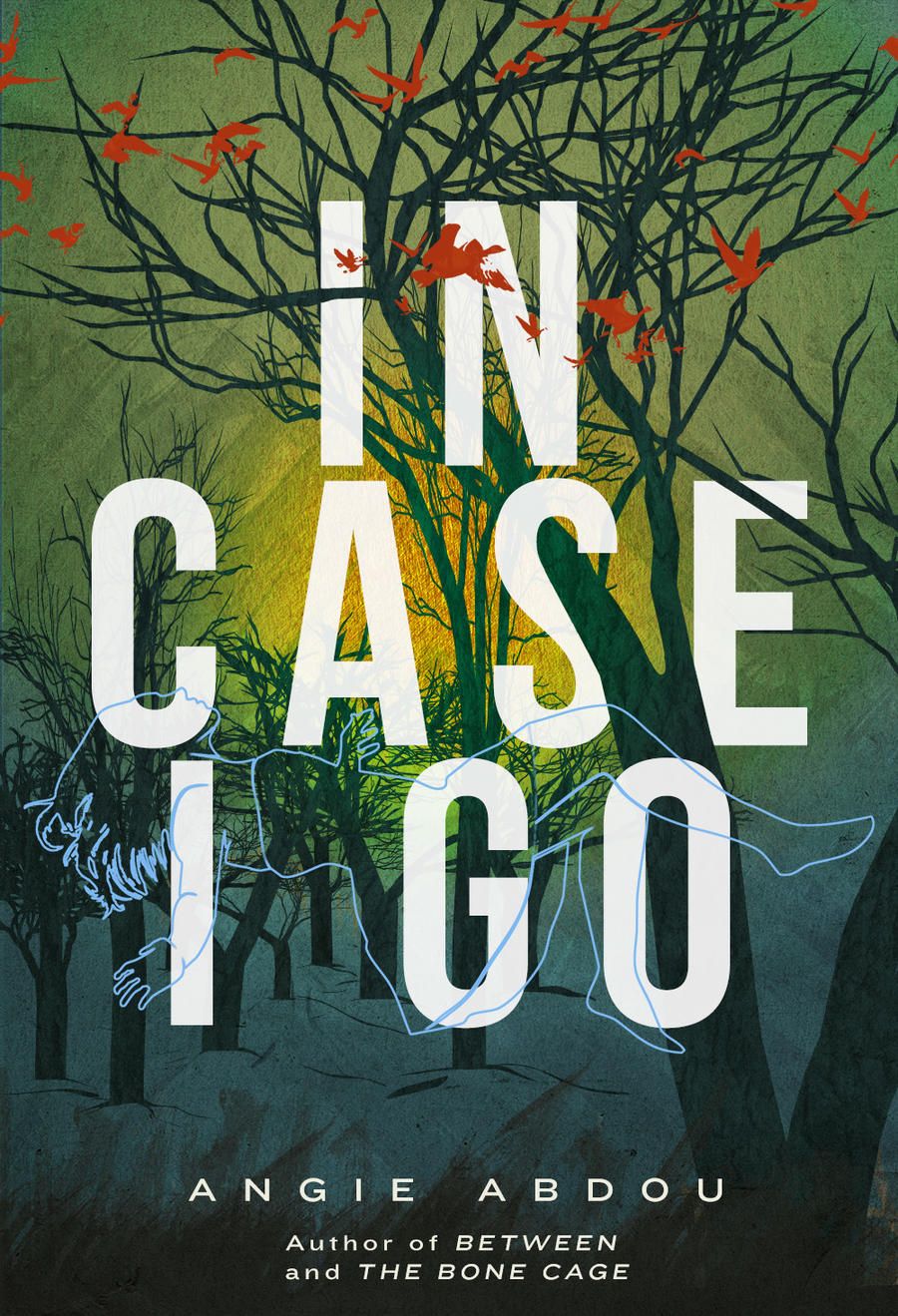
Abdou is one of those progressive, conscientious, sensitive white writers who dedicate themselves to all the penitent literary rituals of our age. She seems to have done everything humanly possible to make sure her new book, In Case I Go, would offend no one, honour everyone, and perhaps even help heal the wounds inflicted by Canada’s history of cruelty against indigenous peoples. Instead, she’s been raked over the coals by critics accusing her of ever-more-exotic artistic sins.
Keep reading
Ezra Klein’s Feeble Liberalism

Trump’s Iranian Dilemma

Nine Intellectual Virtues

The Cost of Indifference
Bertrand Russell’s Cancellation and the Ongoing Battle Over Campus Speech