Iran’s Hidden War Against the West: Emily Schrader
Emily Schrader joins Pamela Paresky to explain how Iran’s regime works, why reform has failed, and what may come next.
A collection of 105 posts
Emily Schrader joins Pamela Paresky to explain how Iran’s regime works, why reform has failed, and what may come next.
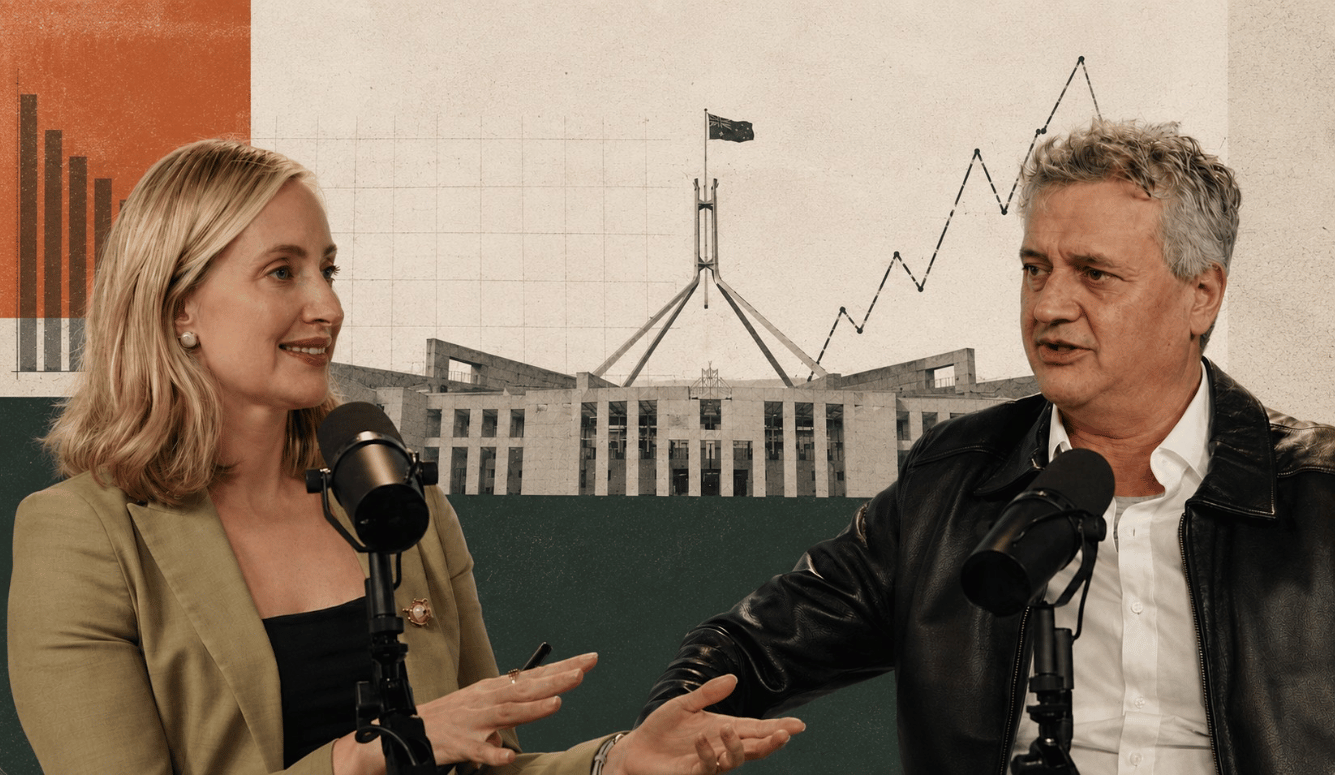
Australia has long been considered politically stable compared with Europe and the United States. But according to political scientist Eric Kaufmann, that period of “Australian exceptionalism” may be coming to an end.
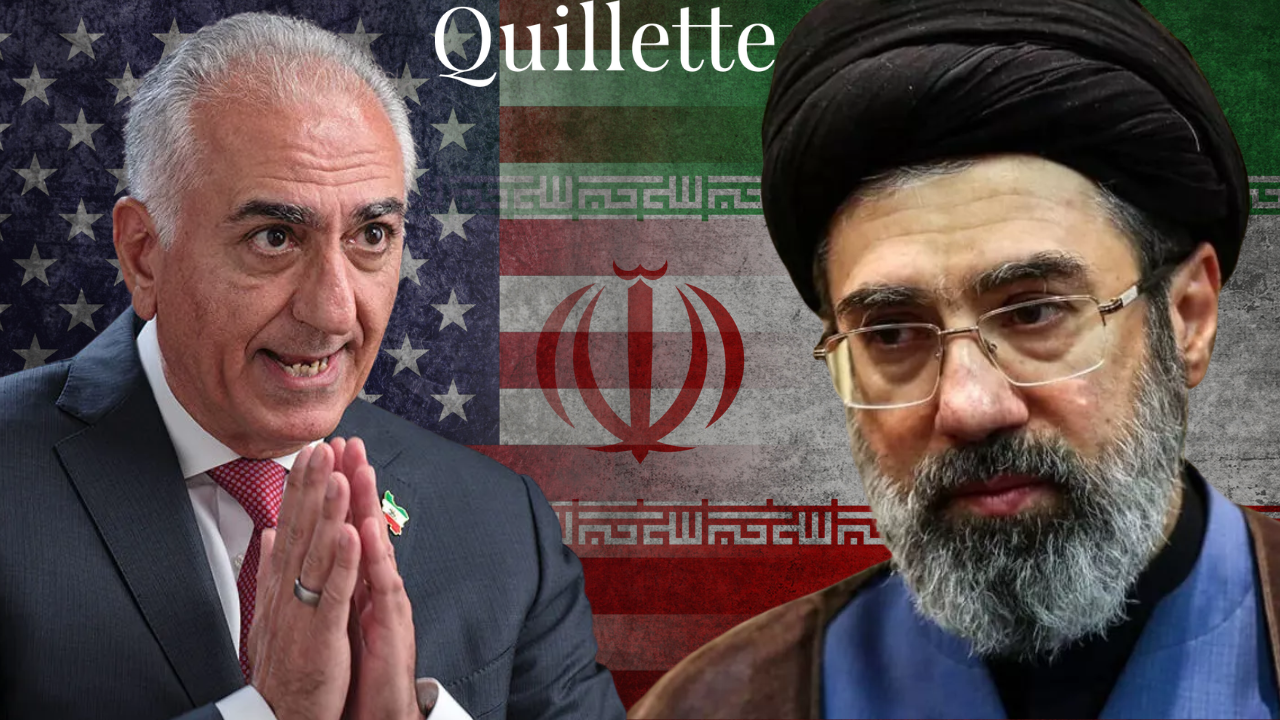
Quillette podcast host Jonathan Kay speaks with Iranian-Canadian human-rights activist Kaveh Shahrooz about whether Reza Pahlavi, the eldest son of the last Shah of Iran, might rise to power as a new Prince of Persia.
How religious conservatives cancelled philosopher Bertrand Russell in 1940, sparking academic freedom debates that echo today.
Historian Gadi Taub discusses media leaks, military censorship, and the Sde Teiman controversy in Israel—and his defamation suit against Ronen Bergman.
Escalating house prices and density rules trap young people in renting, eroding homeownership—a key to democracy.
For their research showing that rape is generally motivated by sexual desire, Randy Thornhill and Craig Palmer were subjected to death threats and hounded in their personal and professional lives. And yet, they were right.
Tasmania looks like wilderness from afar. Up close, it is lush, intimate, and unexpectedly generous—a place that feels familiar, yet entirely its own.
How did Britain end up granting citizenship to radical activist Alaa Abd El-Fattah?
What large-scale genomic data reveals about consanguinity, inherited disease, and the uneasy politics of discussing biological risk.
Why has Australia proved reluctant to confront antisemitism when its sources are treated as culturally or religiously sensitive?
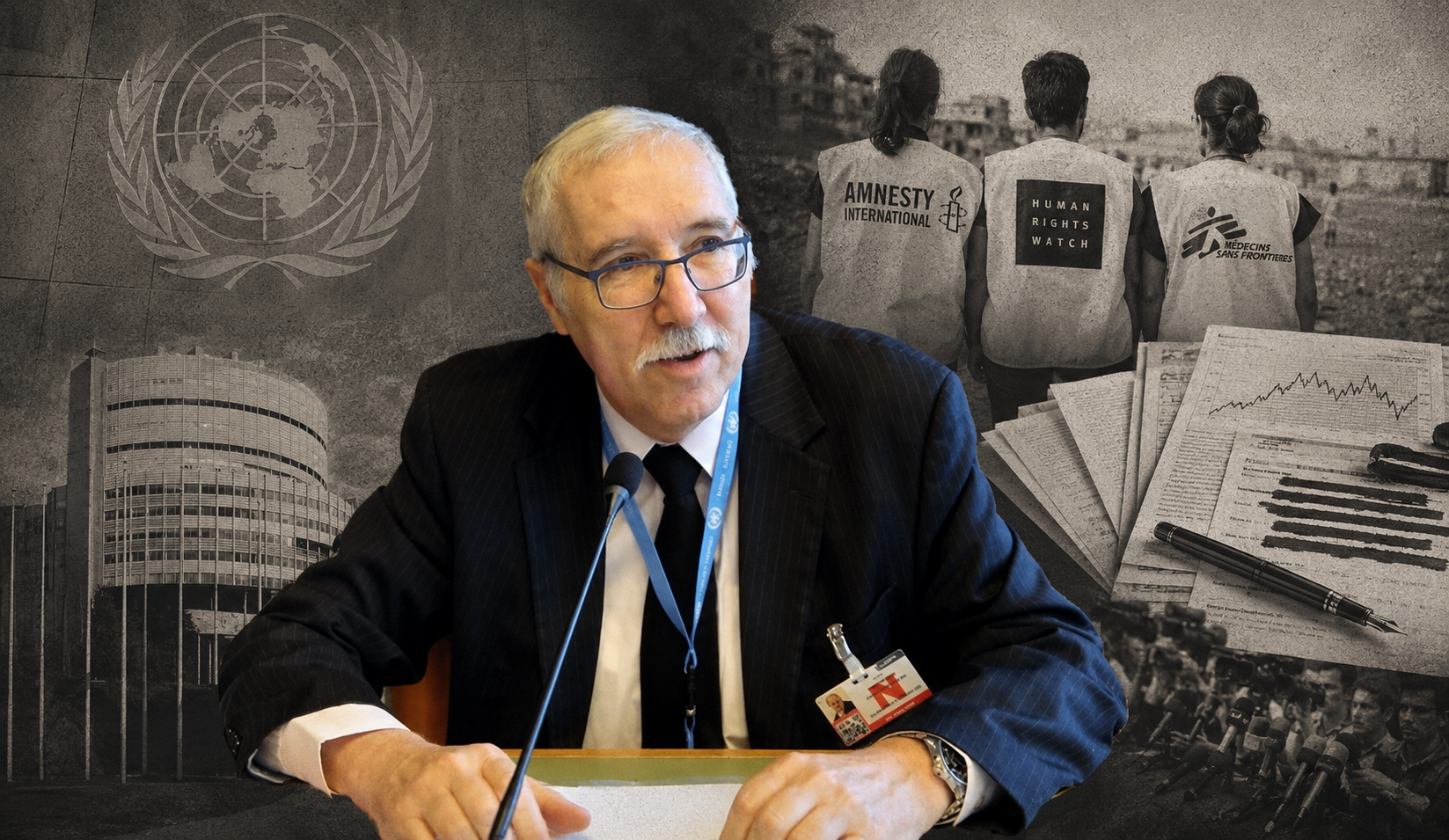
In recent years, large international NGOs have increasingly blurred the line between humanitarian work and political advocacy.
A video essay examining the Chanukah terror attack at Bondi Beach, the acts of courage that unfolded in its aftermath, and the ideological and institutional failures that allowed antisemitism in Australia to escalate unchecked.
The Akram case exposes with brutal clarity that time does not ensure assimilation. Being born in Australia does not guarantee allegiance.
Why the Bondi attack was not an aberration, but the consequence of years of tolerated antisemitism across Australian public life.