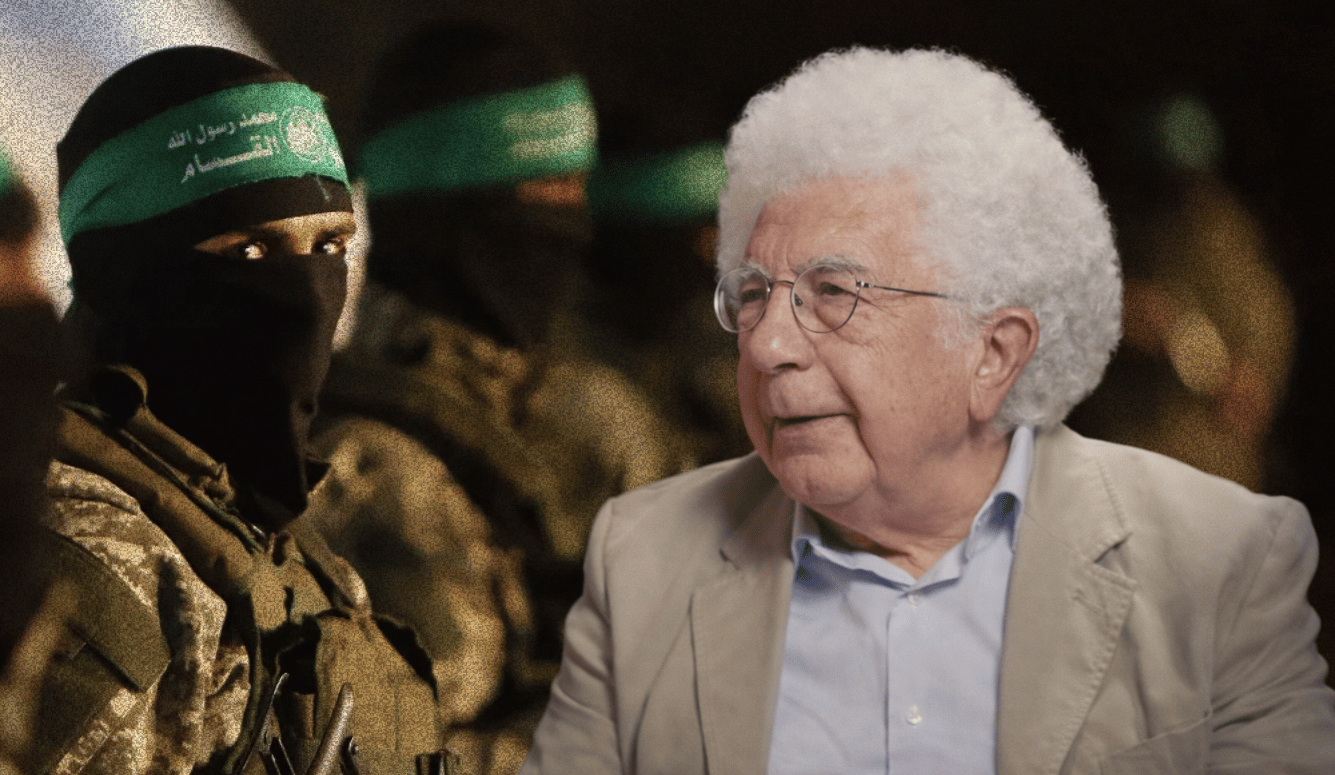
From Zionist to Hamas Apologist
The extraordinary career of Oxford historian Avi Shlaim.
Benny Morris
· 21 min read
A collection of 120 posts
The extraordinary career of Oxford historian Avi Shlaim.

In Iran, Donald Trump is showing us what a populist war looks like.

Three Flemish universities are about to convey the sanction of university-recognised expertise to a deeply dishonest and fraudulent individual.

The contributions of Robert Trivers belong in the special category of ideas that are obvious once they are explained, yet eluded great minds for ages; simple enough to be stated in a few words, yet with implications that have busied scientists for decades.

An interview with Dr Shmuel Bar.
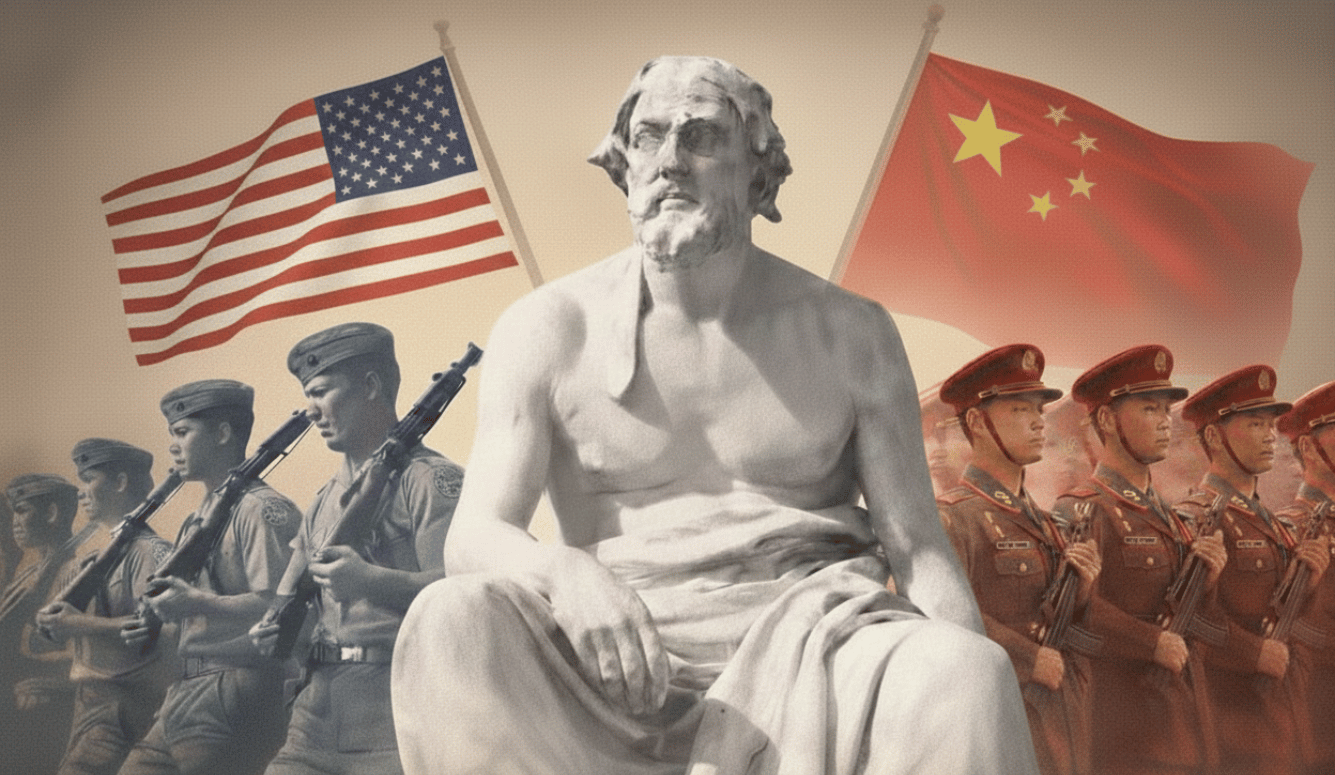
In geopolitics, moral culture shapes whether influence is experienced as leadership or domination, cooperation or coercion.

A selection of Quillette essays and interviews examining the cultural, scientific, and legal dimensions of gender identity.

Middlebrow movies weren’t just two-hour escape pods, they functioned as a civic glue, a source of shared language, cross-generational references, and indeed, contemporary American myth.
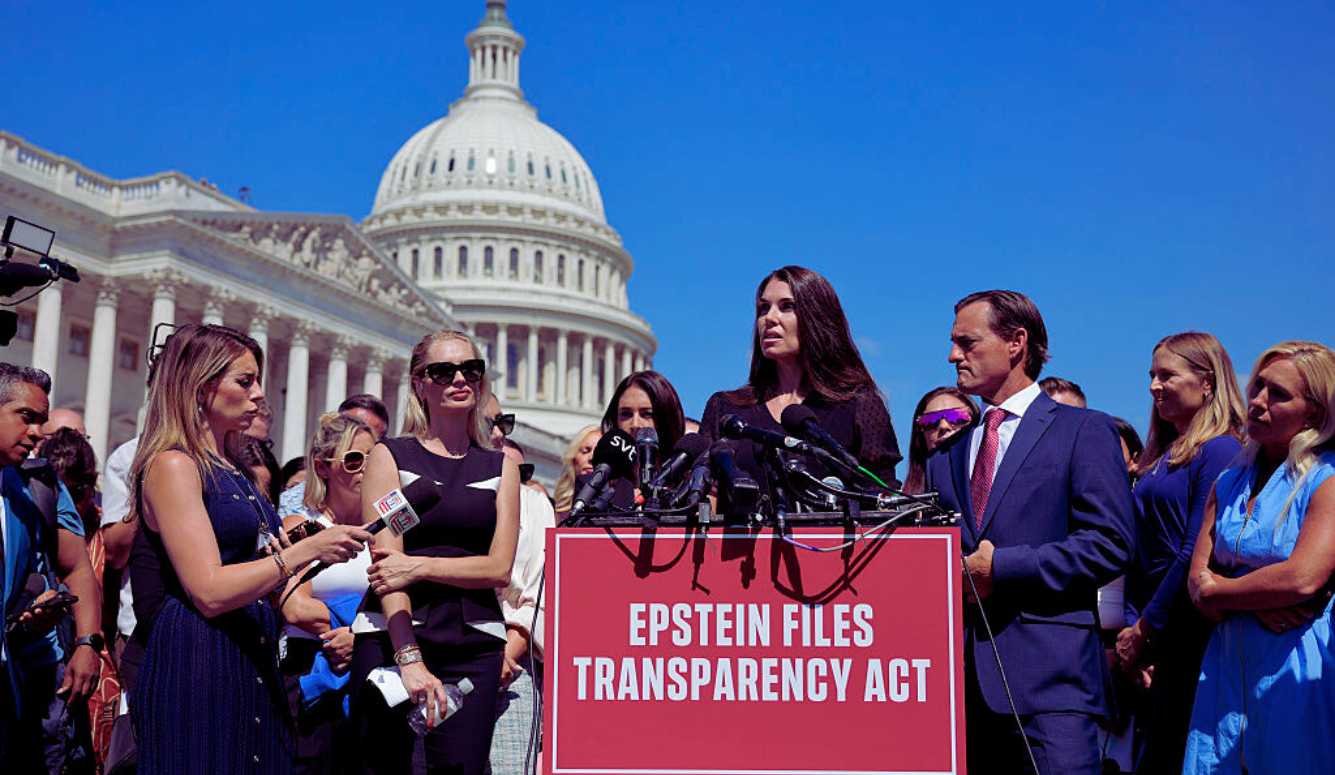
Press-led hysteria and institutional cowardice are inflicting needless damage on higher education.
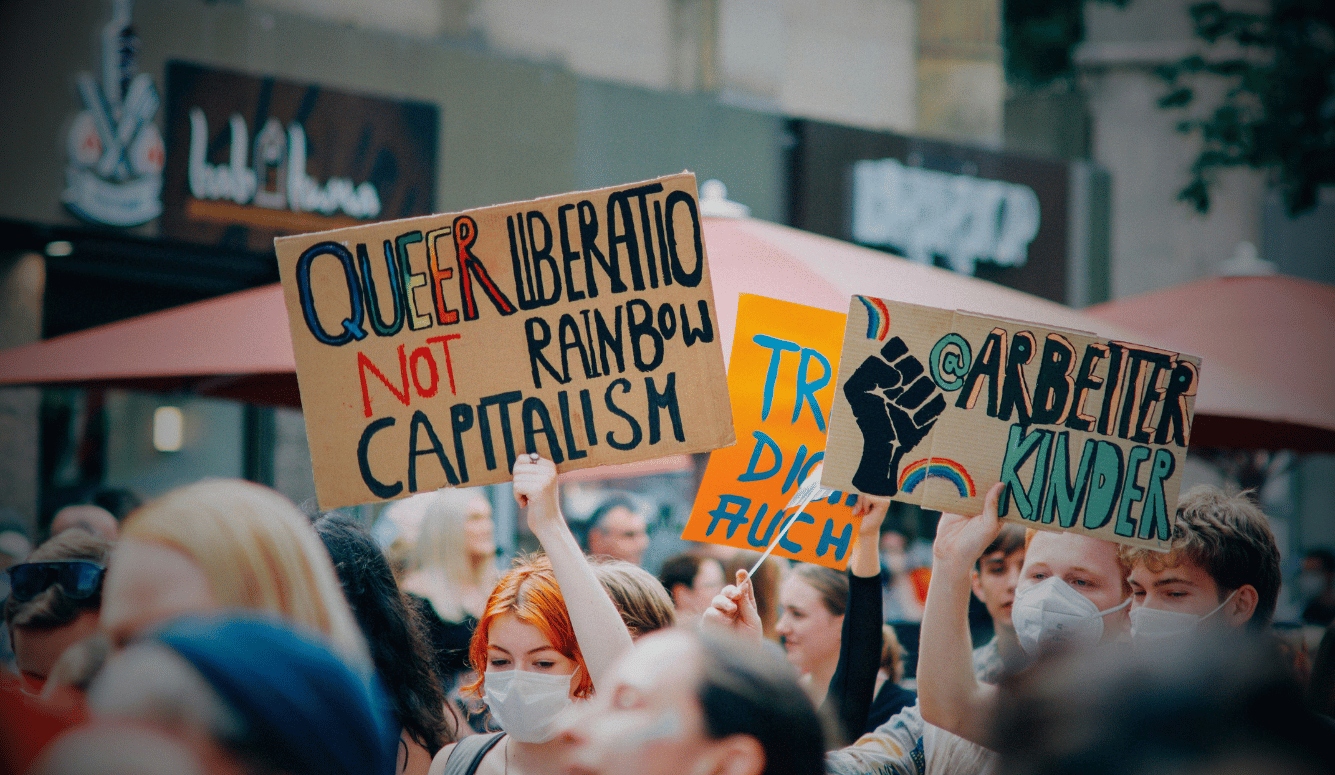
Why prosperity breeds guilt, how status incentives reward critique, and what happens when function is replaced by moral performance.

Why artists, academics and others should not exploit the presence of a captive audience.
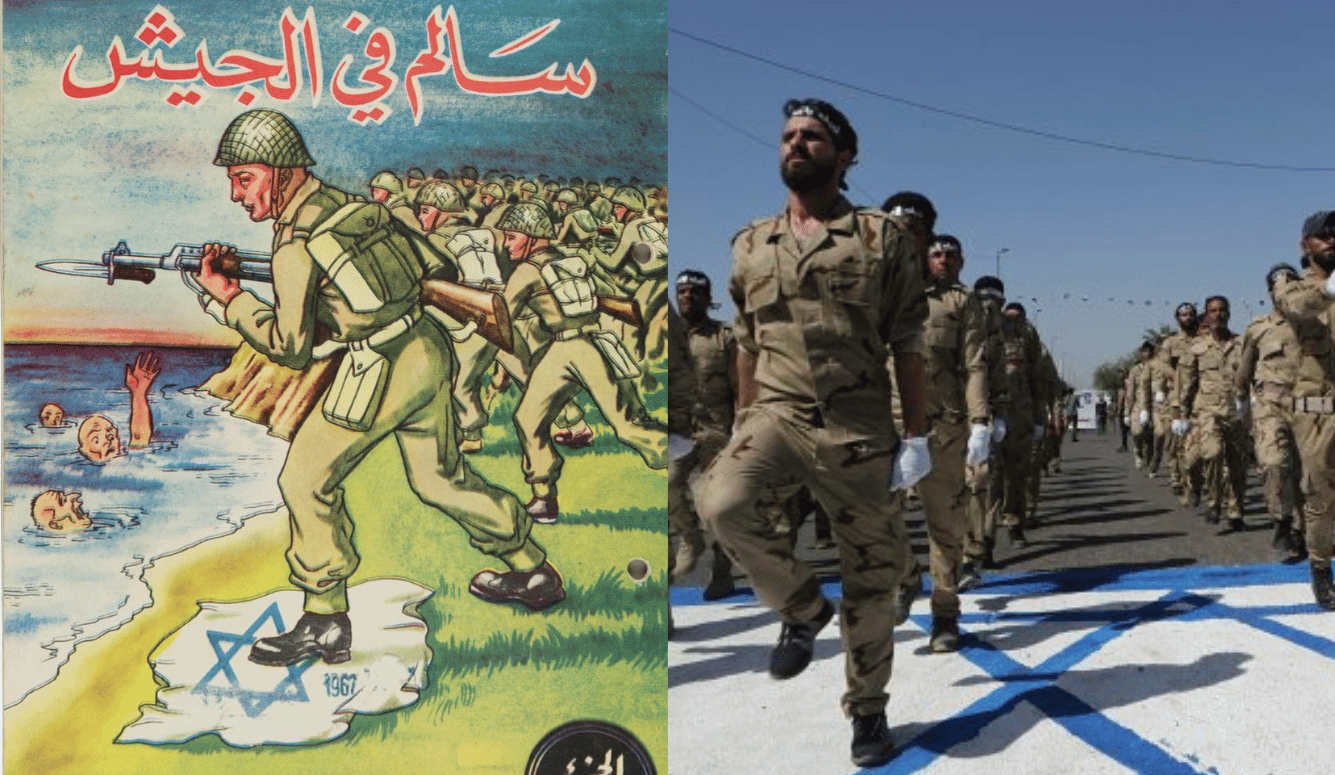
The Arabs still believe that they are fighting a colonial war against Israel. But they are not.

Quillette’s editors choose their favourite essays of the year.

How Margaret Mead’s romanticised account of Samoan life became the founding myth of cultural determinism—and why it endures despite having been thoroughly debunked.

Tech companies stand to benefit from widespread public misperceptions that AI is sentient despite a dearth of scientific evidence.