Deeply Problematic
How Canada Jumped the Rails on ’Gender-Affirming Care’: A Quillette Investigation
The career arc of Canadian Paediatric Society president Natasha Johnson helps explain why her country has become such an outlier in the treatment of trans-identified children.
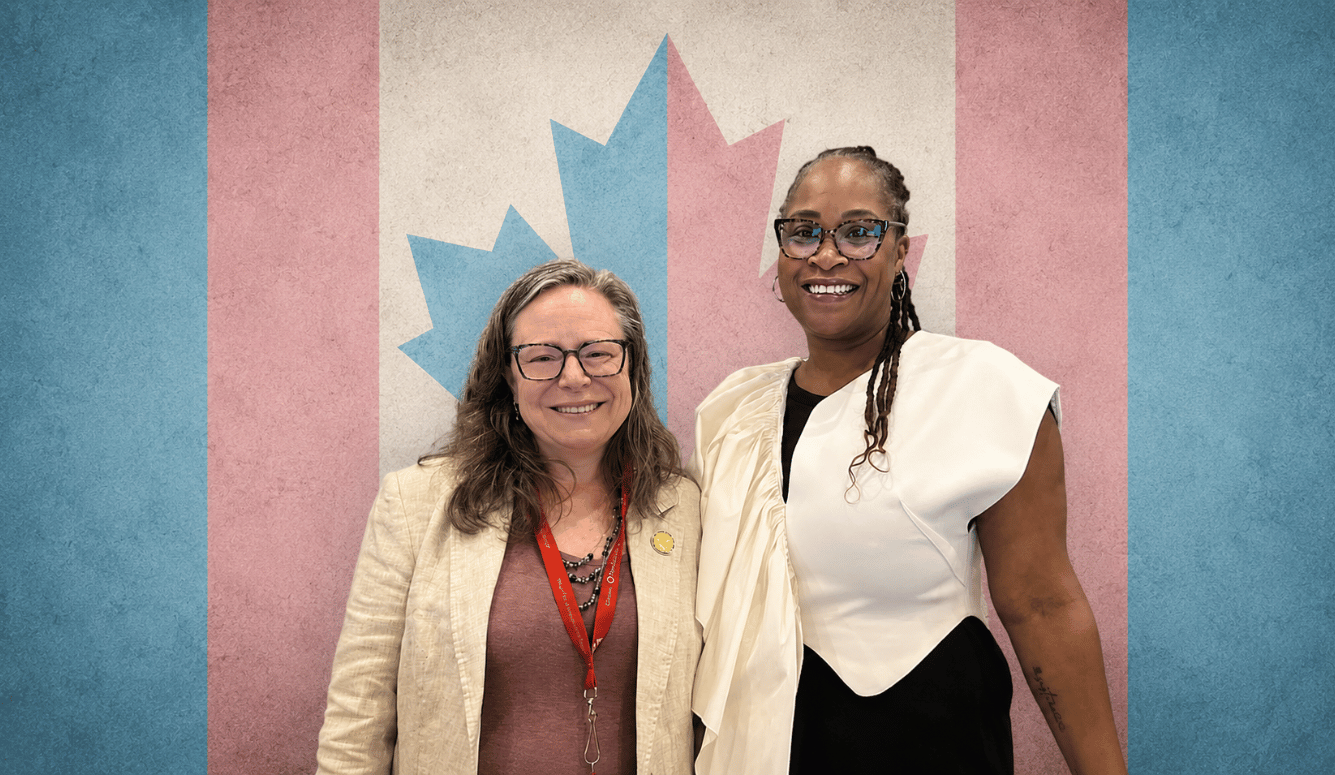

On May 12, I published a Quillette essay criticizing the Canadian Paediatric Society’s ongoing advocacy of “gender-affirming care” for transgender-identified minors. The practice of gender-affirming care, sometimes referred to as GAC, is based on the principle that health professionals should uncritically accept the claimed gender identity of dysphoric patients; and, where possible, facilitate their access to puberty blockers, “gender-affirming hormone therapy,” and “gender-affirming surgeries.”
Those latter euphemisms—which helpfully serve to obscure the risks of stunted development, painful physical disfigurement, sterility, and sexual dysfunction—entered common usage in the 2010s, a period during which transgender identification became an object of fascination in popular culture. The number of minors seeking referrals to gender clinics exploded in western nations. By far, the largest demographic consisted of adolescent females—many of them suffering from autism, trauma, psychiatric comorbidities, and internalised homophobia—who’d become convinced their anxiety and pain were caused by being trapped (as the expression goes) “in the wrong body.”
The idea that doctors should uncritically heed a patient’s self-diagnosis was an unsettling innovation, and one that is generally alien to other branches of health care. To this day, the Canadian Paediatric Society proselytises the idea of gender identity as a soul-like ether that most children can categorise reliably when they are just three years old.
Keep reading
How to Suppress Men’s Writing

Back to the Dark Ages

Prison or Peer Review

France’s Imaginary Austerity


The Limits of Perfectionism