Science / Tech
Did Fossil Fuels Halt the Next Ice Age?
New evidence suggests industrial civilisation interrupted the return of continent-sized glaciers. This is a very good thing.
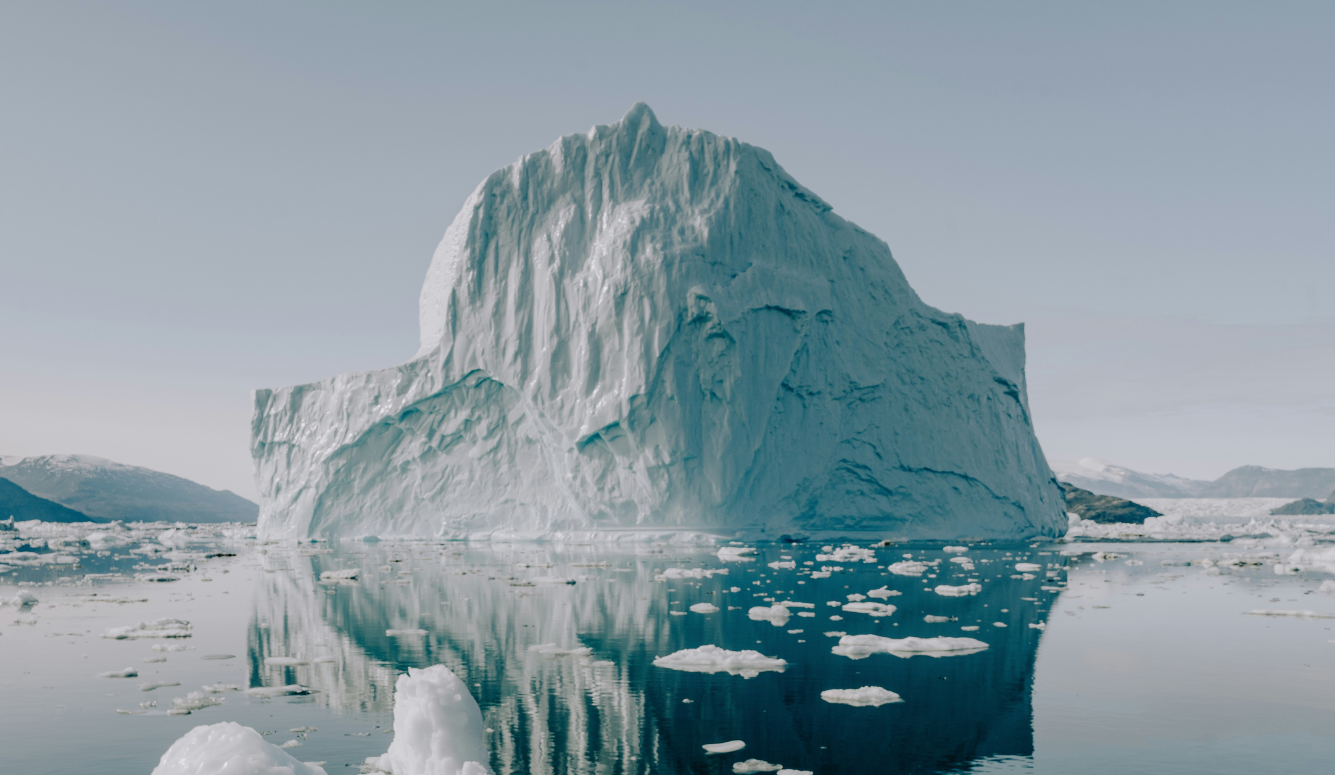
Human activities that impact the Earth are often portrayed in a bad light. But a new study in Science gives us reason to be grateful for our newfound powers. Humanity seems to have interrupted the beginnings of the next glaciation—commonly known as an ice age. We have long suspected our activities might postpone the return of continent-sized ice sheets. The extraordinary suggestion now is that the process had already started, and that we stopped it.
Researchers examined the Barnes Ice Cap—the last surviving remnant of the enormous Laurentide Ice Sheet—on Baffin Island, high in the Canadian Arctic, and found that it began expanding again roughly 2,000 years ago. They interpret that renewed growth as the first stage of the next glaciation. Around 1960, however, human-caused atmospheric warming seems to have reversed the trend, and the ice began retreating. In their reading, humanity interrupted the next glaciation in its infancy.
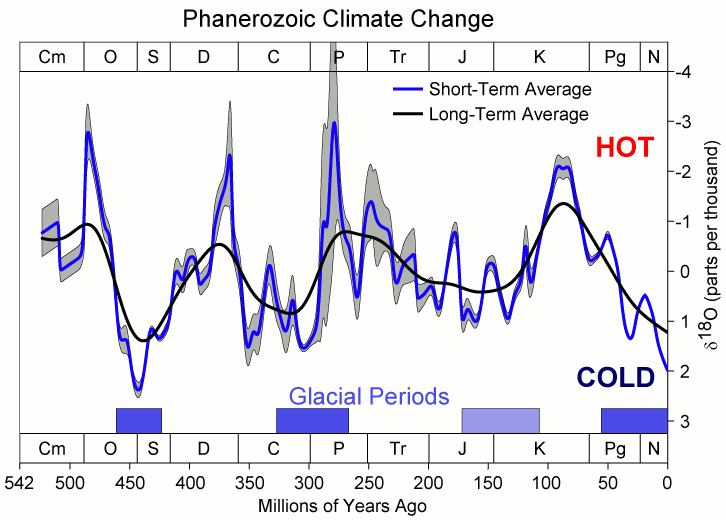
We sometimes hear talk to the effect that the natural world was perfect until humanity started interfering with it, and that we are better off ourselves the less we interfere. But the record of the advance and retreat of the ice makes that an impossible position to defend. Technically, we still live within an ice age that has been going on for millions of years, because an ice age is simply any period when there are persistent ice sheets at or near the poles; in colloquial usage, “ice age” just means another cold glacial period. During an ice age, the climate alternates between long glaciations where the ice advances and shorter interglacials where it retreats. Agriculture, cities and eventually the modern world developed during the Holocene, the current relatively warm interglacial that began around 11,700 years ago. We should work to make it last as long as we possibly can.
During the last glaciation, the Laurentide stretched across the North American continent and well south into the United States, and in places was over three kilometres thick. At the last glacial maximum, roughly 20,000 years ago, global temperatures were about 6 degrees Celsius cooler than today. So much water was locked up on land that sea levels were more than 120 metres lower. Coastlines were displaced, northern landscapes transformed, and enormous areas that now support farms, forests and cities were buried under sheets of ice. Land just beyond the ice would not have been especially pleasant either, as great ice sheets generate their own weather. Cold, dense air drains down their slopes via gravity, producing katabatic winds that spill onto the surrounding country. Although the threat is not imminent, a return to such conditions would eventually be devastating for human settlements and agriculture. Canada would be frozen off the map, as would much of the northern United States and significant parts of Europe.