Art & Culture
Post-Narrative Reporting in Gaza
A new documentary about volunteer medics in Gaza has been made to elicit an emotive reaction from decided progressives, and to reinforce their existing biases.

A new documentary about three medics who volunteered to work in Gaza after 7 October 2023 is so detached from reality that it makes agonising over a “post-truth” information environment seem almost quaint. American Doctor, directed by Poh Si Teng and released this year by Watermelon Pictures, adopts something closer to a post-narrative approach that dispenses with accuracy, nuance, and even coherent argument, leaving nothing but the emotive validation of chosen beliefs. Every element of the film scoffs at the notion that documenting reality requires accurate, verifiable information. The film’s fashionable antizionism and endorsement of the genocide charge provide the ideal proving ground, but the acclaim it is receiving will invite more of the same across other topics.
From the film’s chaotic opening scene—of a child being taken out of an ambulance—to its end credits, the director dispenses with basic information, important context, most backstories and timestamps, and anything resembling narrative flow. The child in the ambulance reappears an hour later, but we never learn who she is, under what circumstances she sustained her injuries, or whether she survived. She serves as just another pebble in the film’s avalanche of non sequiturs.
Scene Two takes place in the suburban American home of orthopaedic surgeon Mark Perlmutter, one of the volunteer doctors. Stilted and likely staged, the scene portrays Perlmutter pleading with Teng not to leave out or blur a photo of dead Gazan children he has shown her. “I got permission from every one of their survivors to put these pictures up,” he declares. “Israel took away their dignity. You’re not dignifying them unless you let their memory, their bodies tell the story of this trauma, of this genocide.” (Yes, the word “genocide” drops two and a half minutes into the film.)
Perlmutter’s conversations with the children’s survivors apparently included no information about when, where, and how they were killed, since such details are never provided to the audience. This information would have gone some way towards persuading sceptical viewers that his accusation of genocide—the deliberate killing of a specific population—might be warranted. Did the children in the photo die as the result of Israeli military action? If so, was it the indiscriminate bombing of a housing complex or a targeted attack on Hamas that resulted in civilian deaths? Was it an unexpected attack or did the children die in a zone that Israel had advised civilians to evacuate? Perlmutter never tells us—if he even cared to find out.
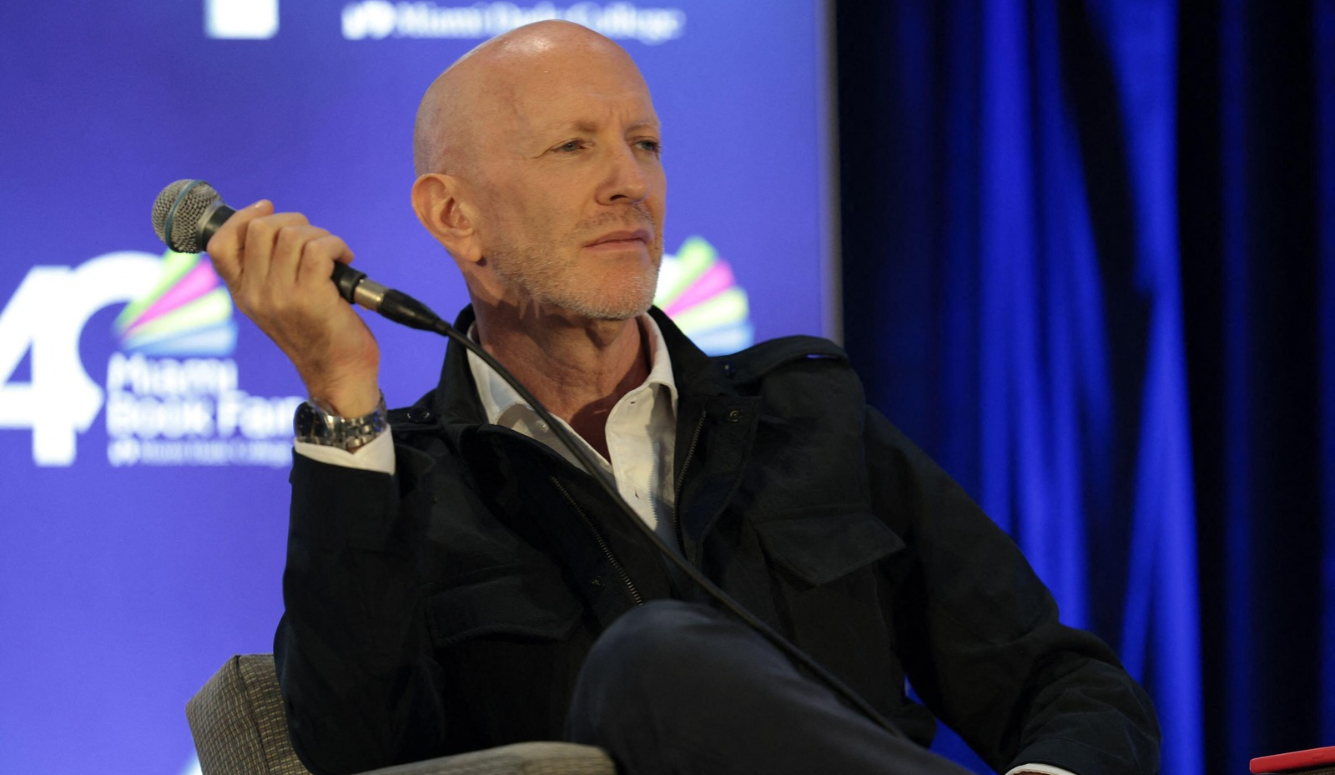
 Richard Landes

Sceptics are not American Doctor’s target audience; it was made to elicit an emotive reaction from decided progressives and to reinforce their existing biases. An extended scene portrays a heart-rending conversation between Perlmutter and a Gazan healthcare worker about the recent death of the local man’s infant daughter. The film never even alleges that her death was the result of Israeli actions, yet it is used as one of the film’s emotional anchors.
And in that manner, the documentary continues. Its required suspensions of disbelief are breathtaking: