Politics
The Greatest Tradition of All
Apart from the Declaration and Constitution, there is perhaps no more essentially American document than Thomas Paine’s revolutionary pamphlet ‘Common Sense.’
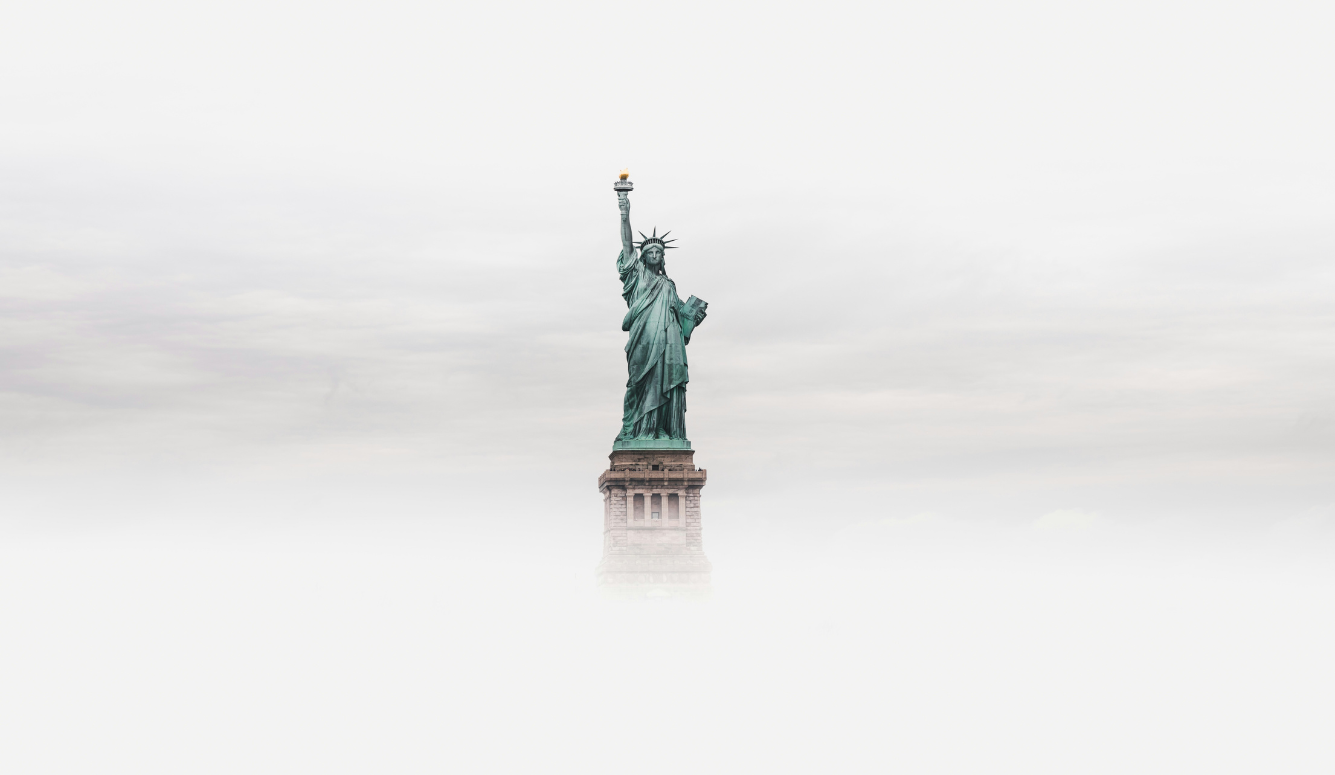

Americans are presently engaged in a bitter fight over their national identity. Liberals argue that America is an idea, a national project to more fully realise the universal rights instantiated in the Declaration of Independence and the Constitution. Critics of this view on the MAGA Right argue that America must have certain narrowly defined cultural, religious, and even racial characteristics, or it will lose its identity. As the United States approaches its 250th birthday, the divide between these conceptions of American national identity is a major source of political tension in the country.
During a speech at the Munich Security Conference earlier this year, Secretary of State Marco Rubio declared that “armies do not fight for abstractions. Armies fight for a people. Armies fight for a nation. Armies fight for a way of life. And that is what we are defending.” For Rubio, as for many others in the Trump administration, the United States is defined by “Christian faith, culture, heritage, language, ancestry.” According to vice president JD Vance, America is “not just an idea, we’re a particular place with a particular people and a particular set of beliefs and way of life.” Vance echoed Rubio: “People will not fight for abstractions, but they will fight for their home.”
This isn’t true. The Marquis de Lafayette commanded American troops during the Revolutionary War. He then returned to his home country of France, where he played a significant role in the French Revolution. When George Orwell fought in the Spanish Civil War, he did so to resist fascism years before Britain was at war. Since the beginning of the war in Ukraine, international volunteers have streamed into the country to help it fend off the Russian invasion.
If the United States is defined by Christianity, as Rubio and Vance insist, where does that leave Americans of other faiths? Or those with no faith at all? If the United States is defined by a common ancestry and heritage, what about the hundreds of thousands of new Americans proudly waving little flags at naturalisation ceremonies across the country? The only tradition that actually captures the diversity of the country is the one Rubio, Vance, and Donald Trump ceaselessly denigrate: the tradition of liberal universalism.
Apart from the Declaration and Constitution, there is perhaps no more essentially American document than Thomas Paine’s revolutionary pamphlet Common Sense. Paine’s simple and powerful case for American independence was an instant sensation, selling 120,000 copies in its first three months. By the end of the revolution, 500,000 copies had been sold, even though there were only 2.5 million colonists. If twenty percent of Americans possessed a book today, that would be nearly seventy million copies. (While some historians dispute the exact figures, there's no question that Common Sense was an exceptionally influential work.) Americans didn’t read Common Sense quietly by the fireplace. They took to the streets, lodges, and taverns to share Paine’s arguments as widely as possible, including to those who couldn’t read. The book was instrumental in generating and sustaining public support for the Revolution. Paine was a recent immigrant who arrived in Philadelphia holding a letter of recommendation for employment from Benjamin Franklin. His culture, heritage, and ancestry came from the other side of the Atlantic, but he was drawn to the American idea.
Keep reading
Australia's Coming Censorship Machine

Anatomy of a Book Promotion

They Walked in Line
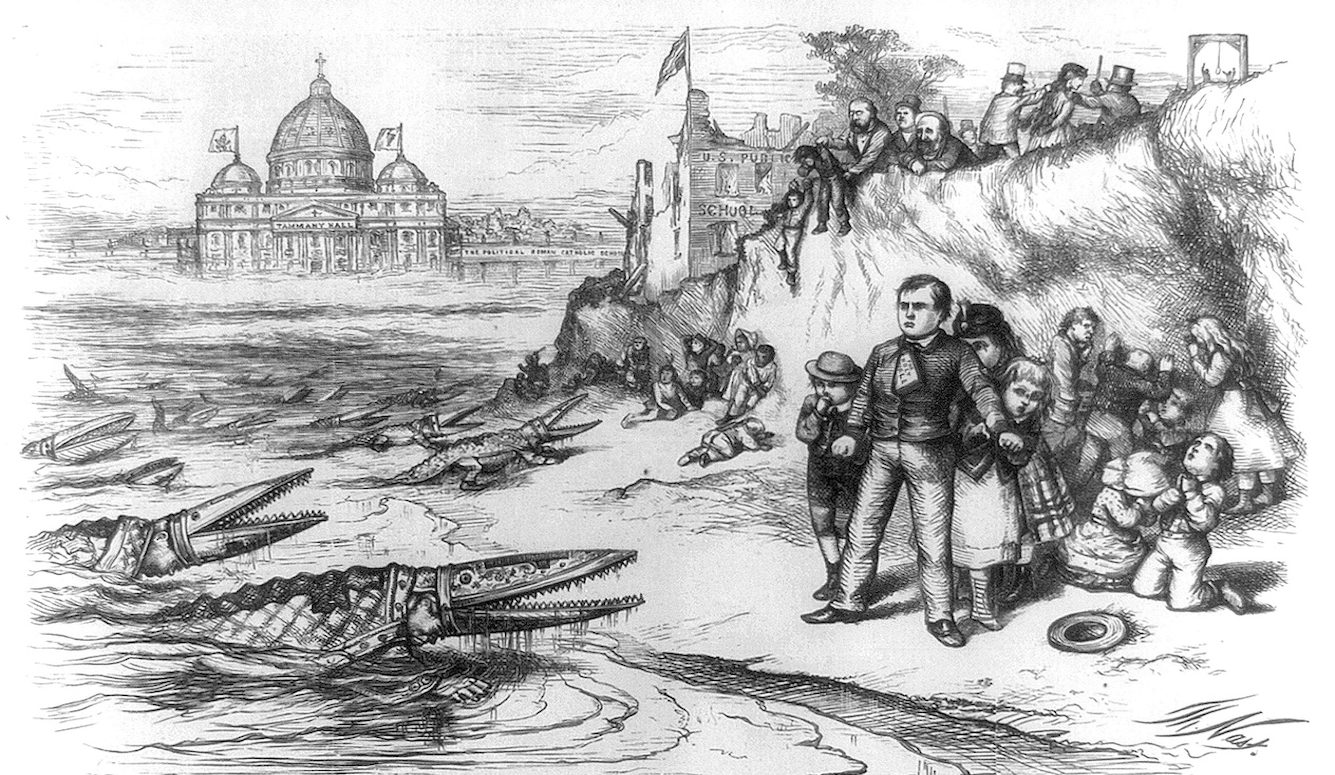
Anti-Catholic Social Panics, Then and Now
A Dishonest (and Dangerous) Nobel Laureate