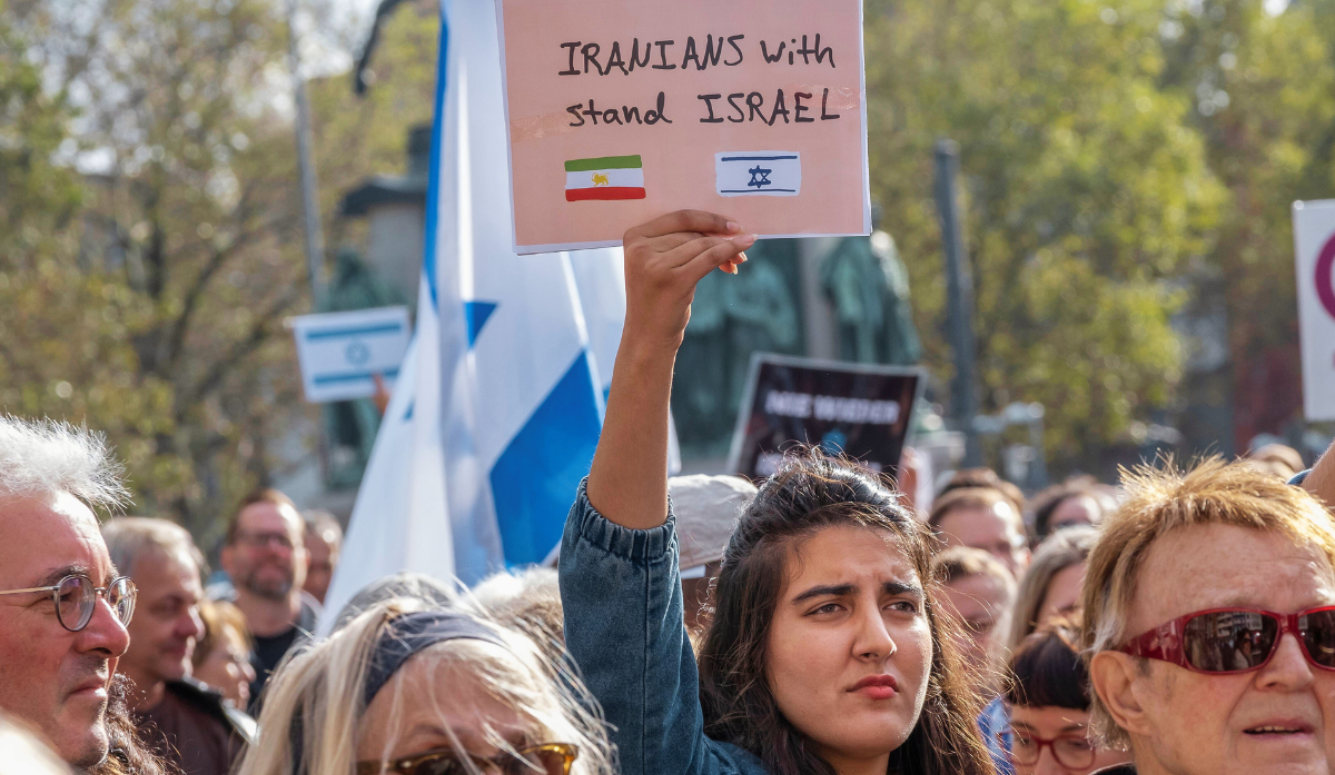
Why Iran is the Key to Peace in the Middle East
Many Iranians perceive Israel as a potential ally in their struggle against Islamic oppression.
Armin Navabi
· 10 min read
A collection of 86 posts
Many Iranians perceive Israel as a potential ally in their struggle against Islamic oppression.
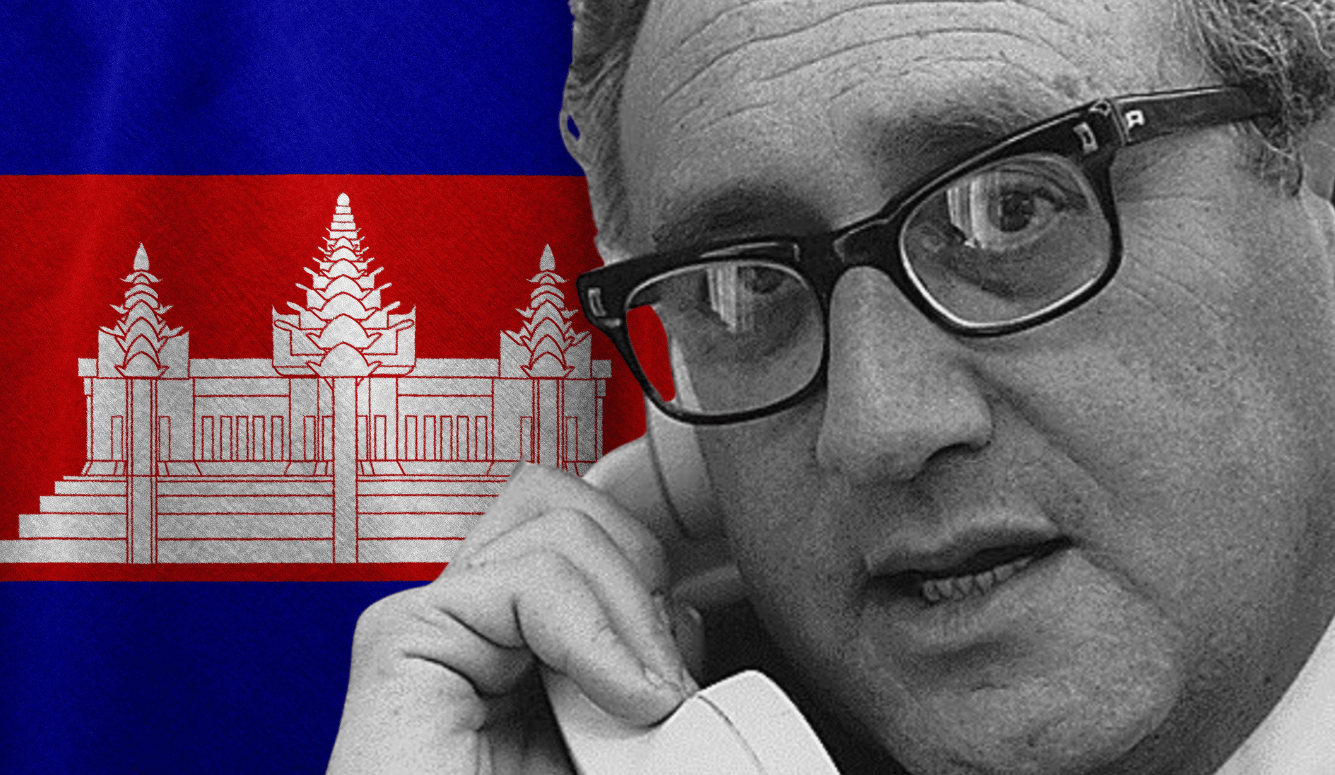
Henry Kissinger’s policies influenced Cambodia’s fate, but they alone did not cause the rise of the Khmer Rouge.
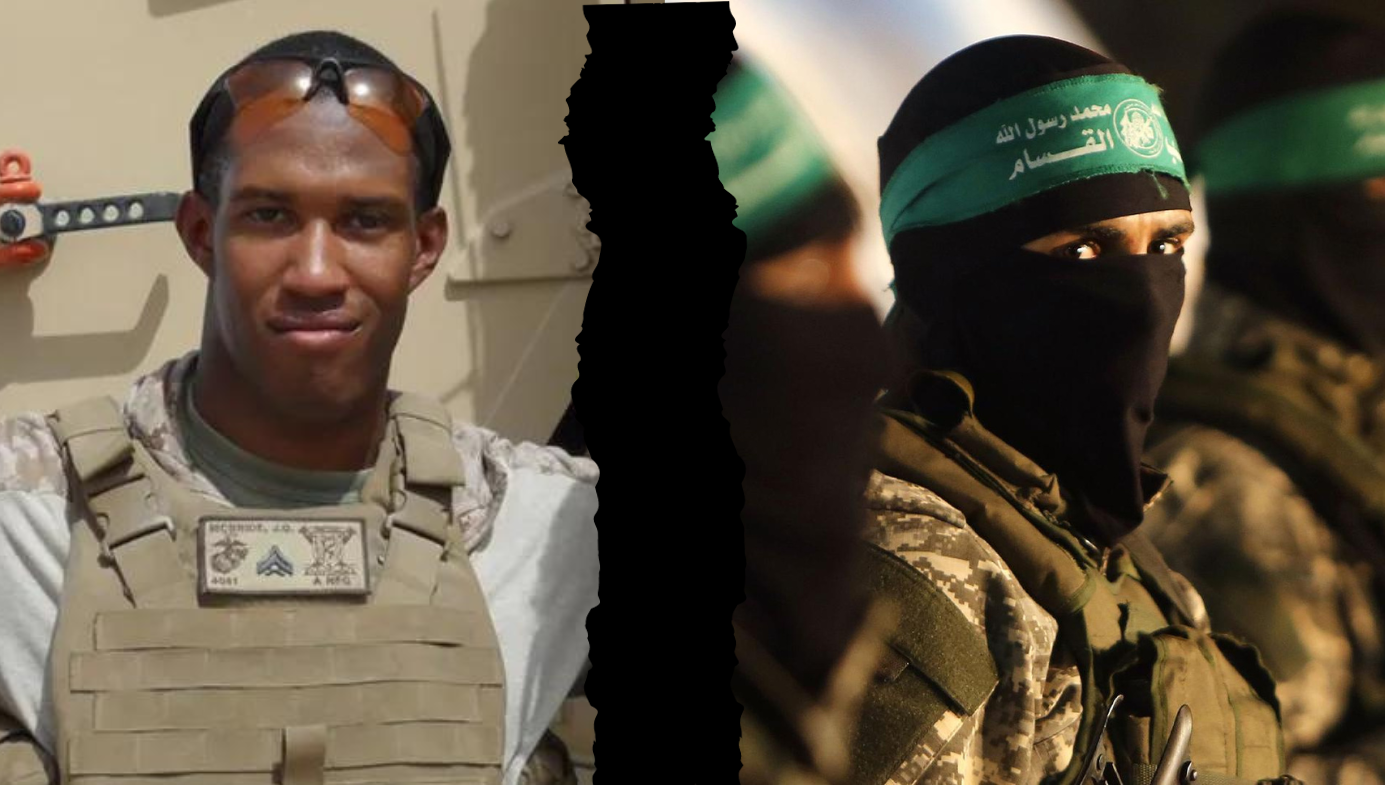
Forensic anthropologist and former U.S. Marine Julian McBride joins Quillette Cetera host Zoe Booth in a discussion about the war in Gaza.
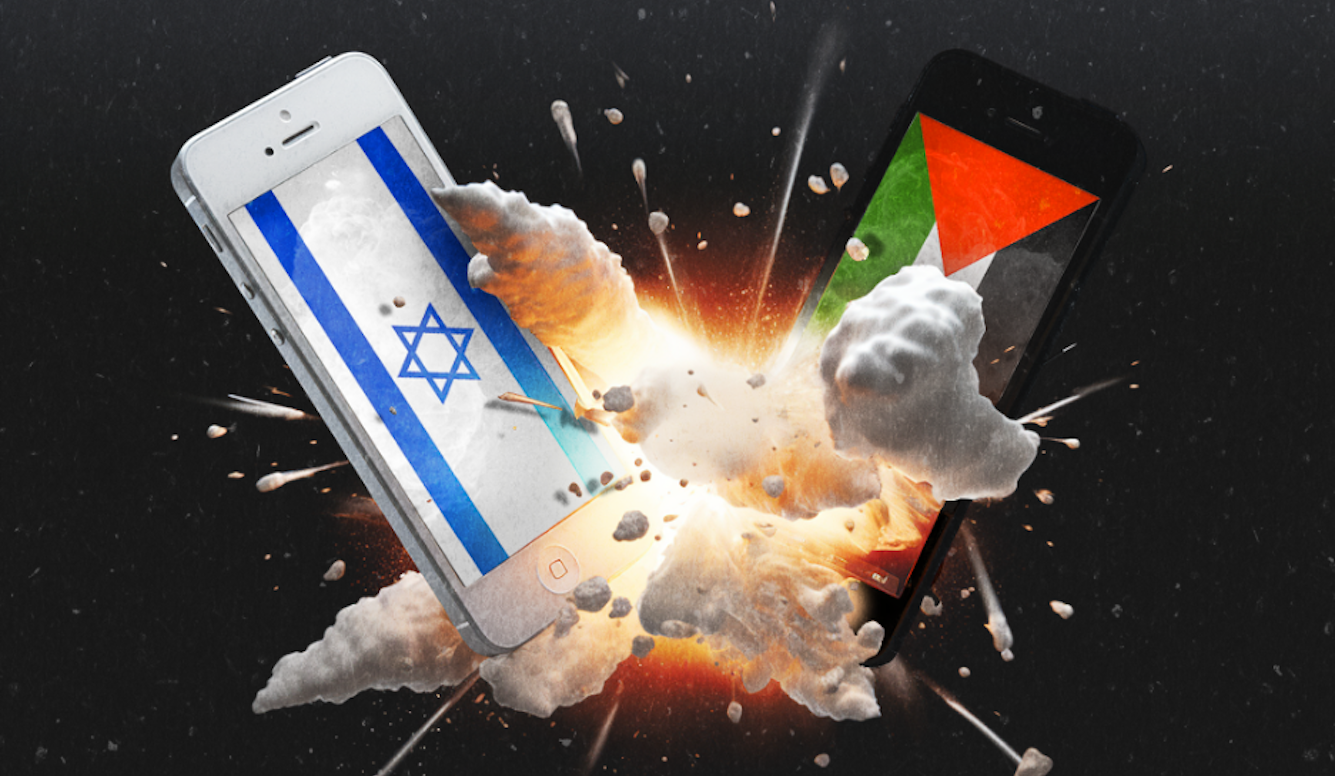
Since 10/7, young social-media users have been inundated with memes that present terrorists as social justice champions.
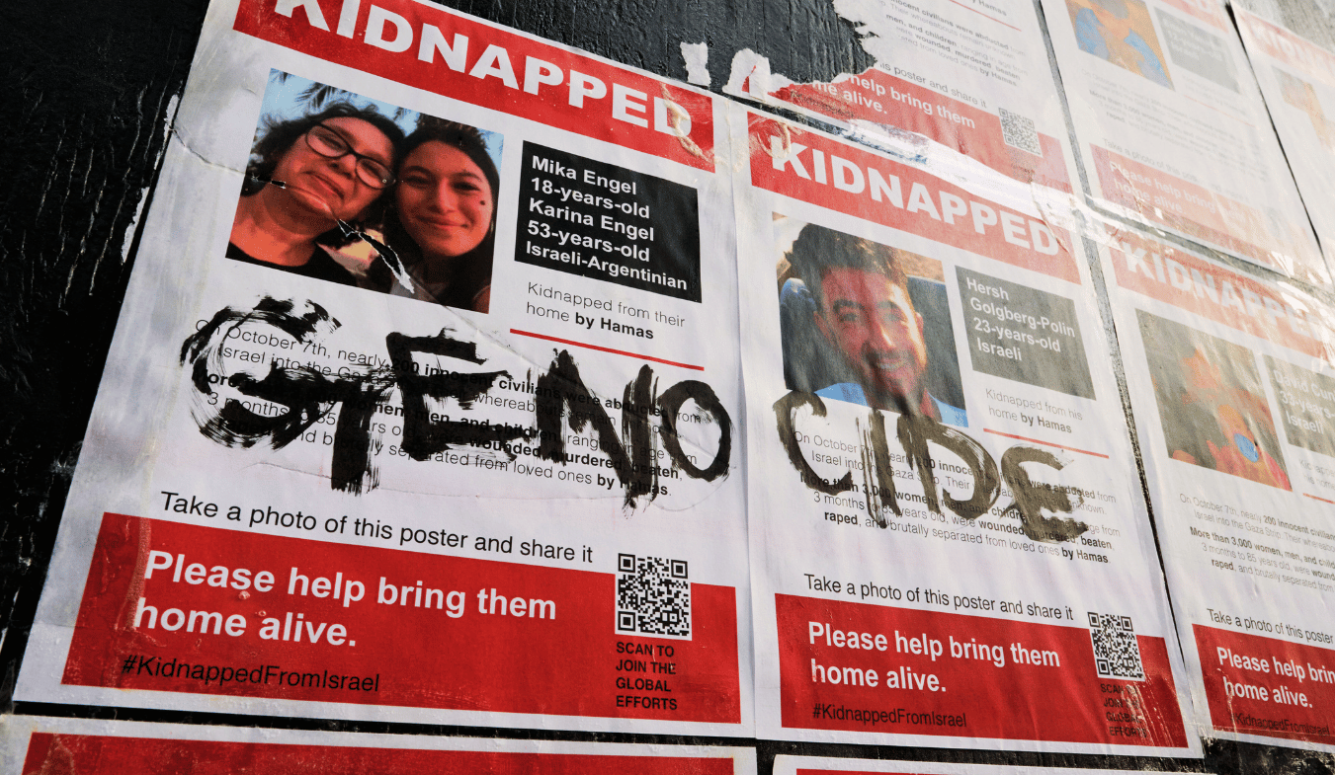
Hamas’s progressive apologists seek self-justification in the moral incoherence of relativistic absolutism.
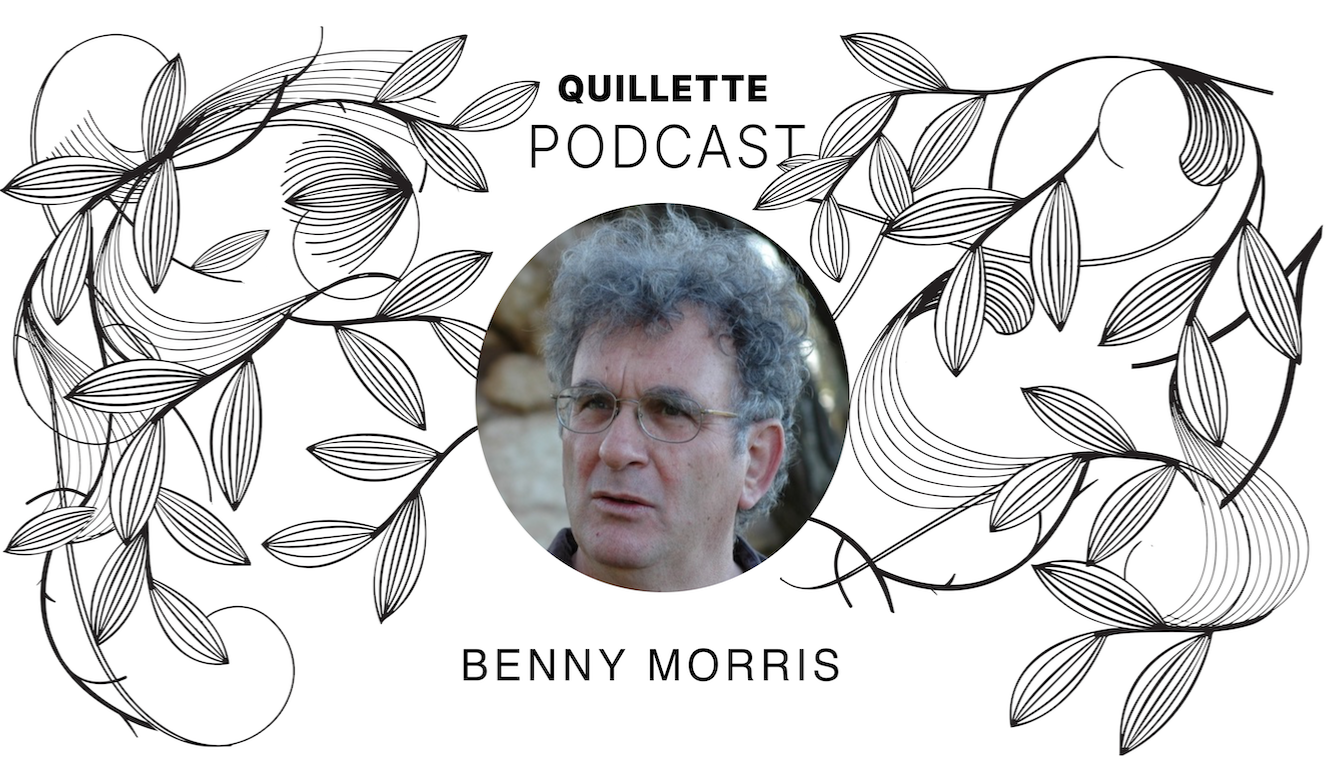
Quillette podcast host Jonathan Kay talks to influential Israeli historian Benny Morris about Hamas’ acts of mass murder, the Israeli response, and the future of Gaza.
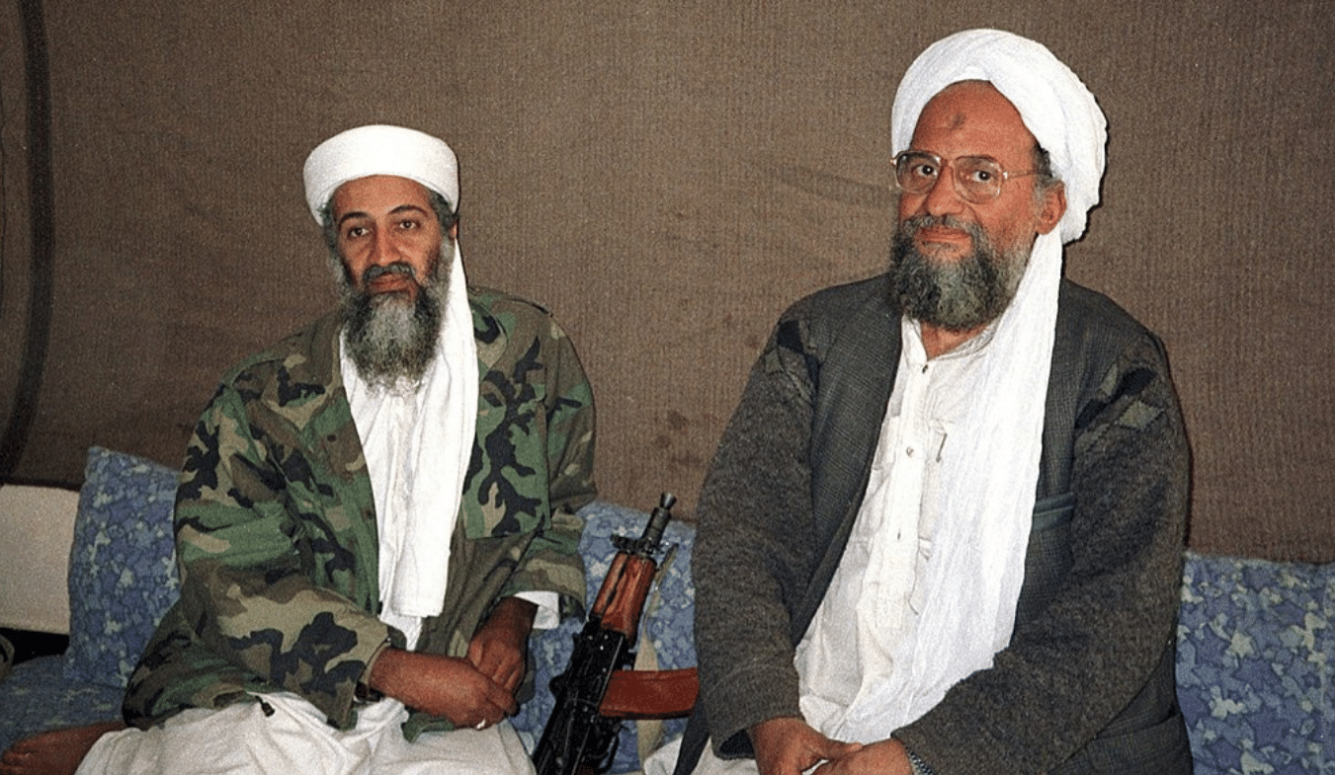
Ayman al-Zawahiri’s reign of pious terror is now over.
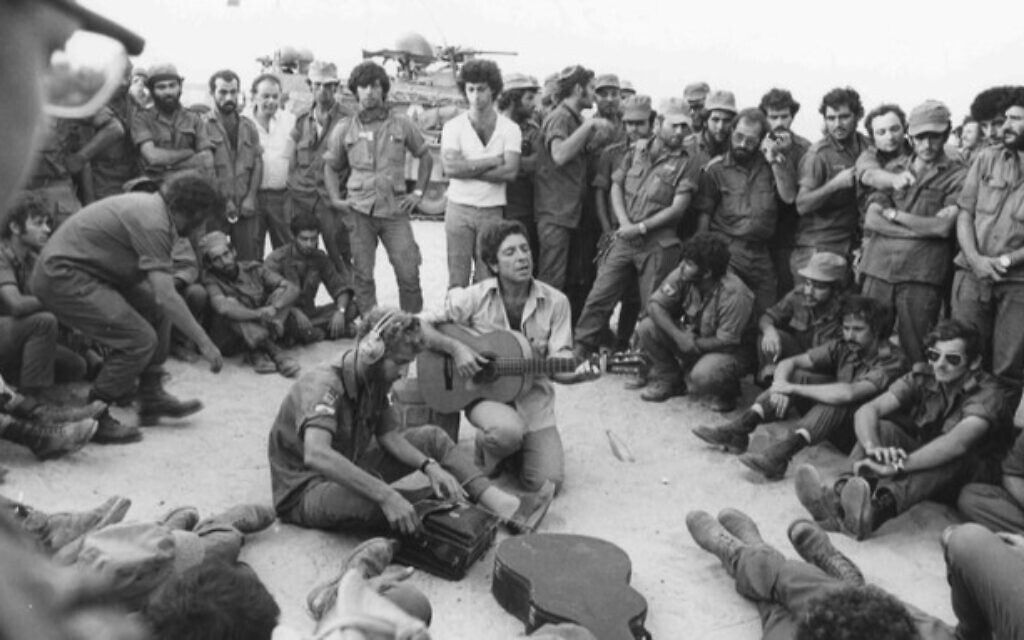
Leonard Cohen’s visit to Israel in its darkest hour.
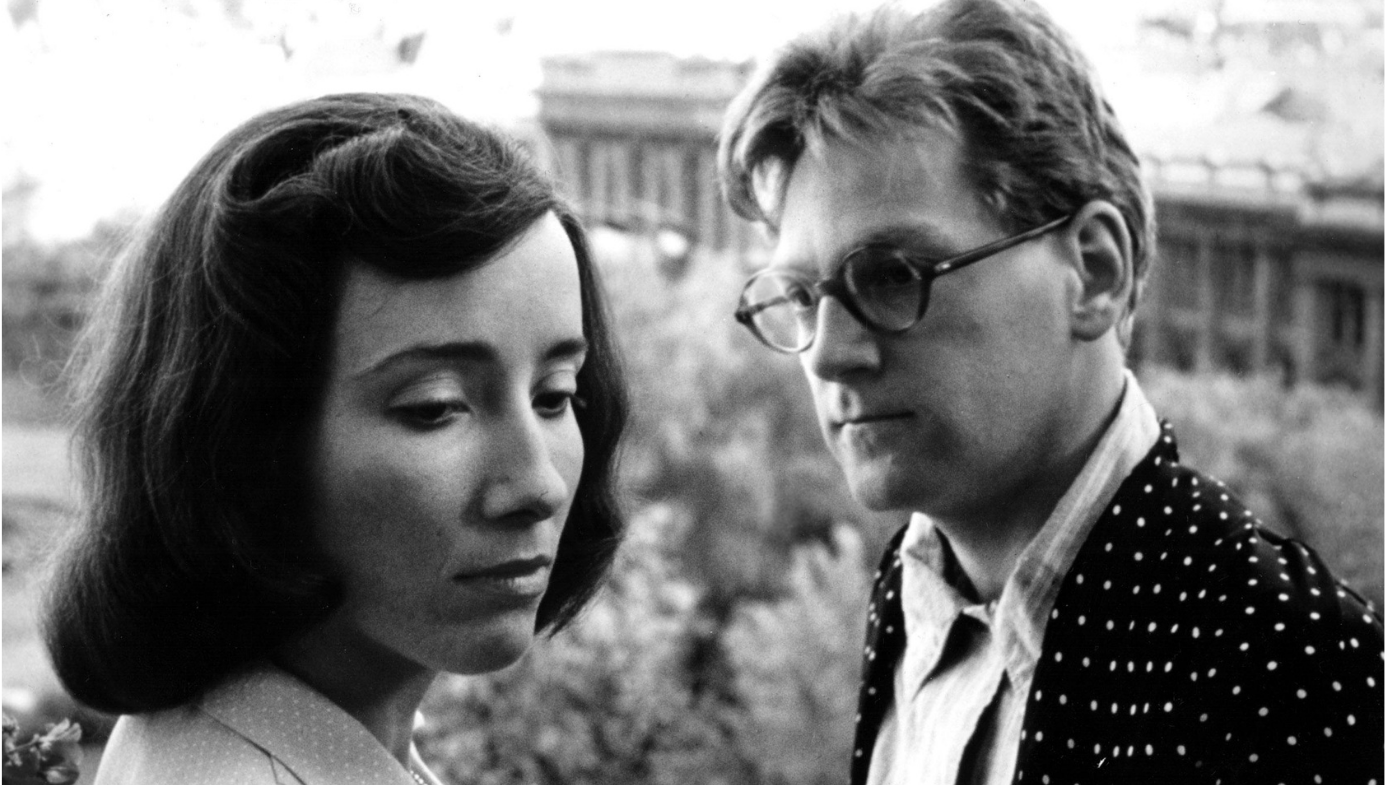
The Ukrainian war has made Manning’s writing more relevant now than at any time since it was written.
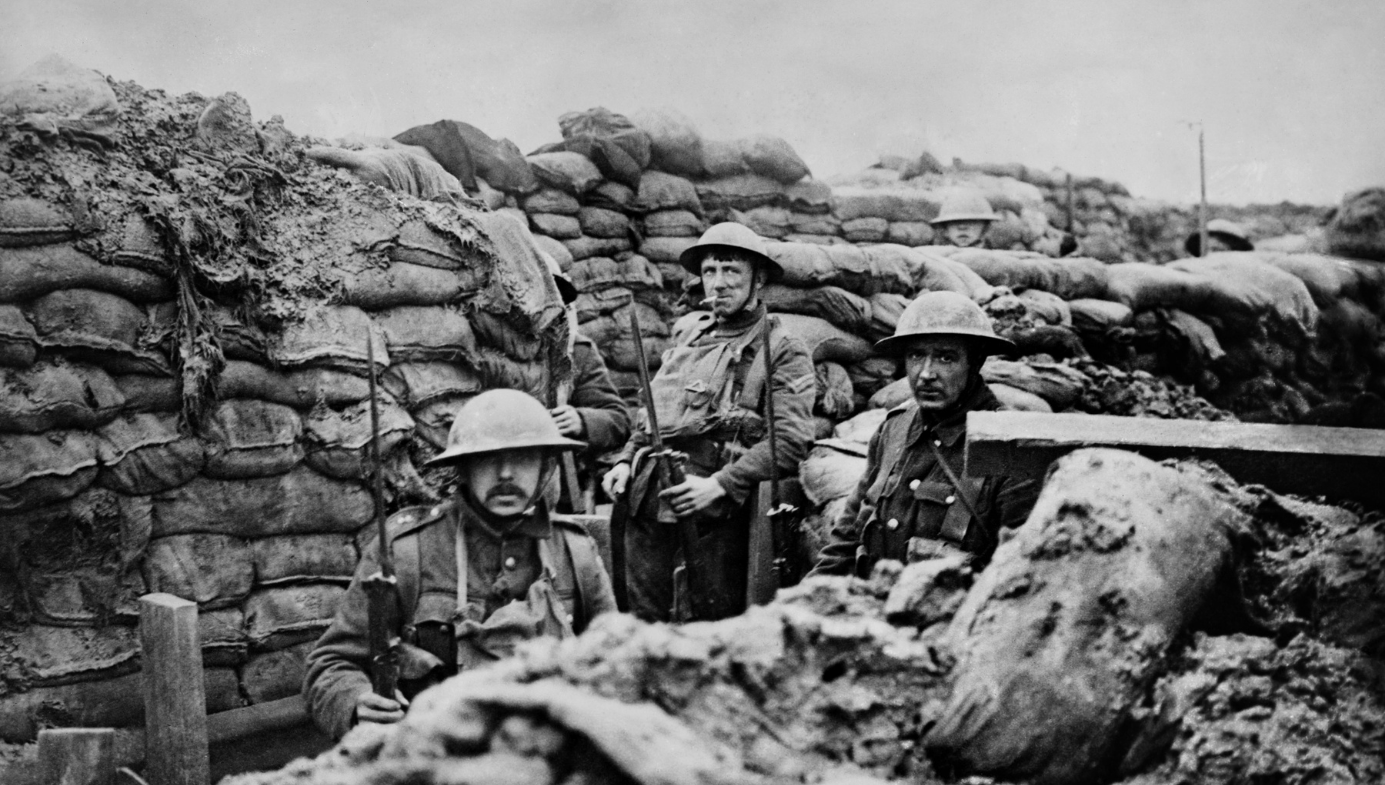
Among literary forms, war poetry is unusual for having enjoyed a universally acknowledged and tightly defined golden age.
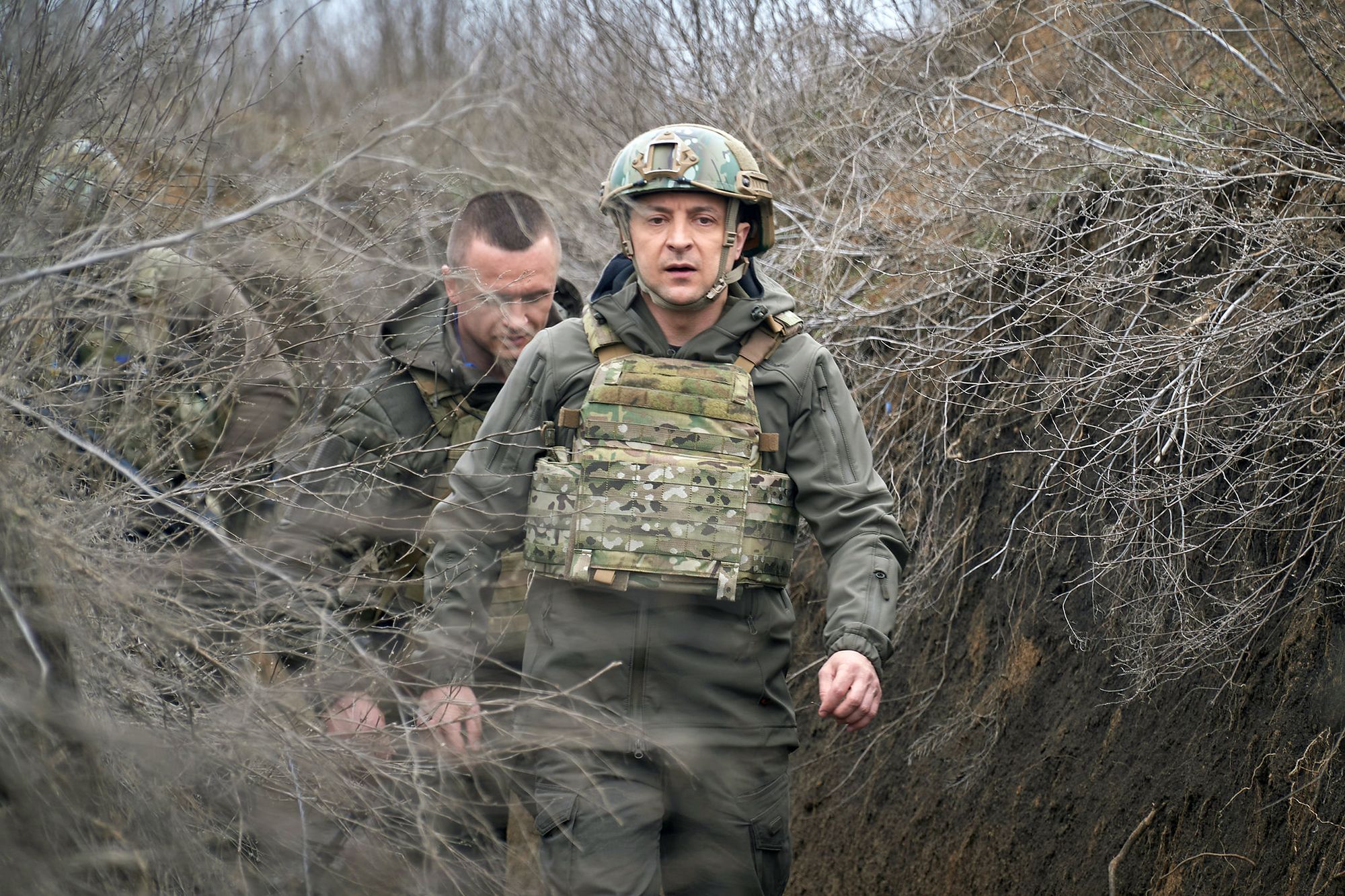
From the early days of the Russian invasion of Ukraine in February, discussions about the war in the West have been permeated by a dangerous tone of complacency and self-congratulation. The Russian military has indeed been exposed as less than effective, and Ukrainian bravery has resonated among the public
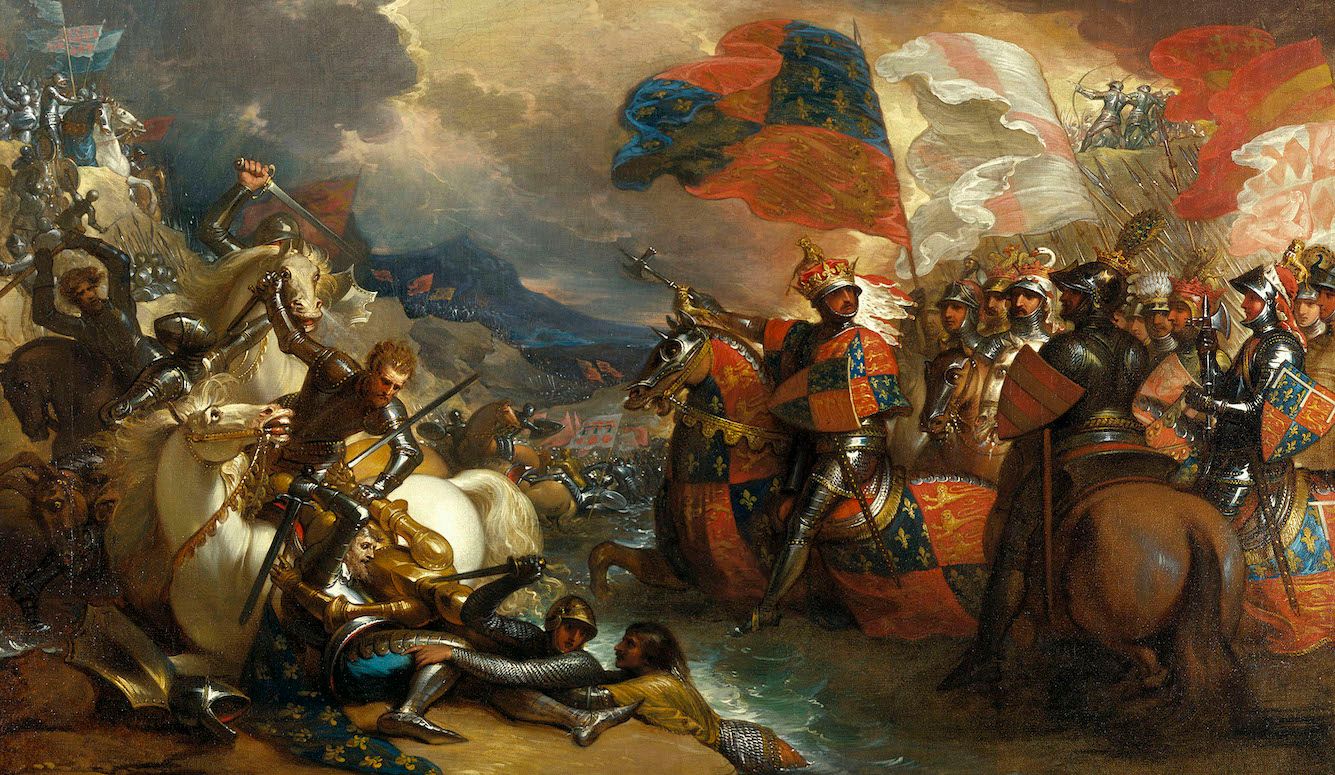
In 1338, the story has it, a notorious French exile named Robert of Artois strutted into the London palace of King Edward III, bearing a stuffed heron on a silver platter. “Clear the way, you miserable failures,” he said to the assembled lords. “I have a heron … the most cowardly
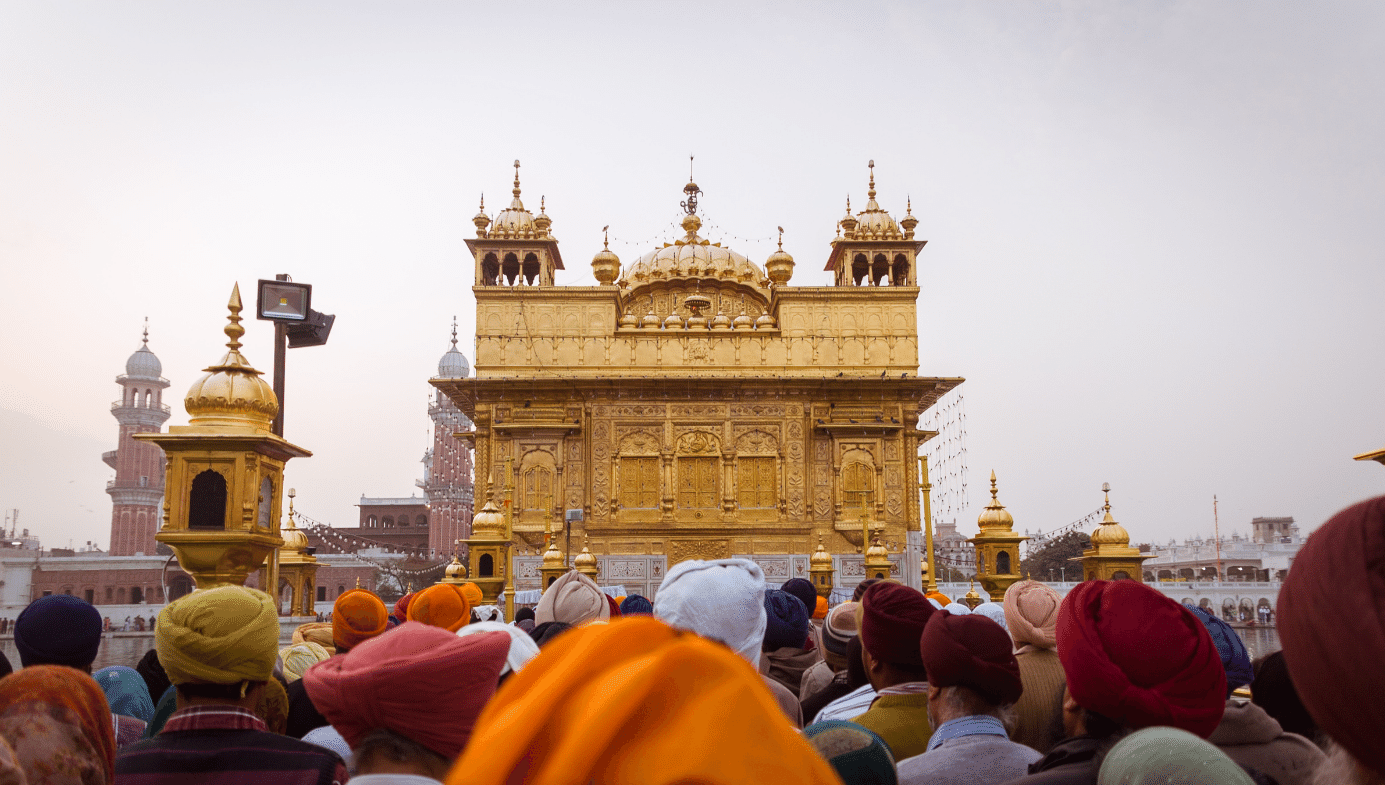
Even if the referendum turns out to be a complete failure, though, the Khalistanis seem unlikely to fade away.
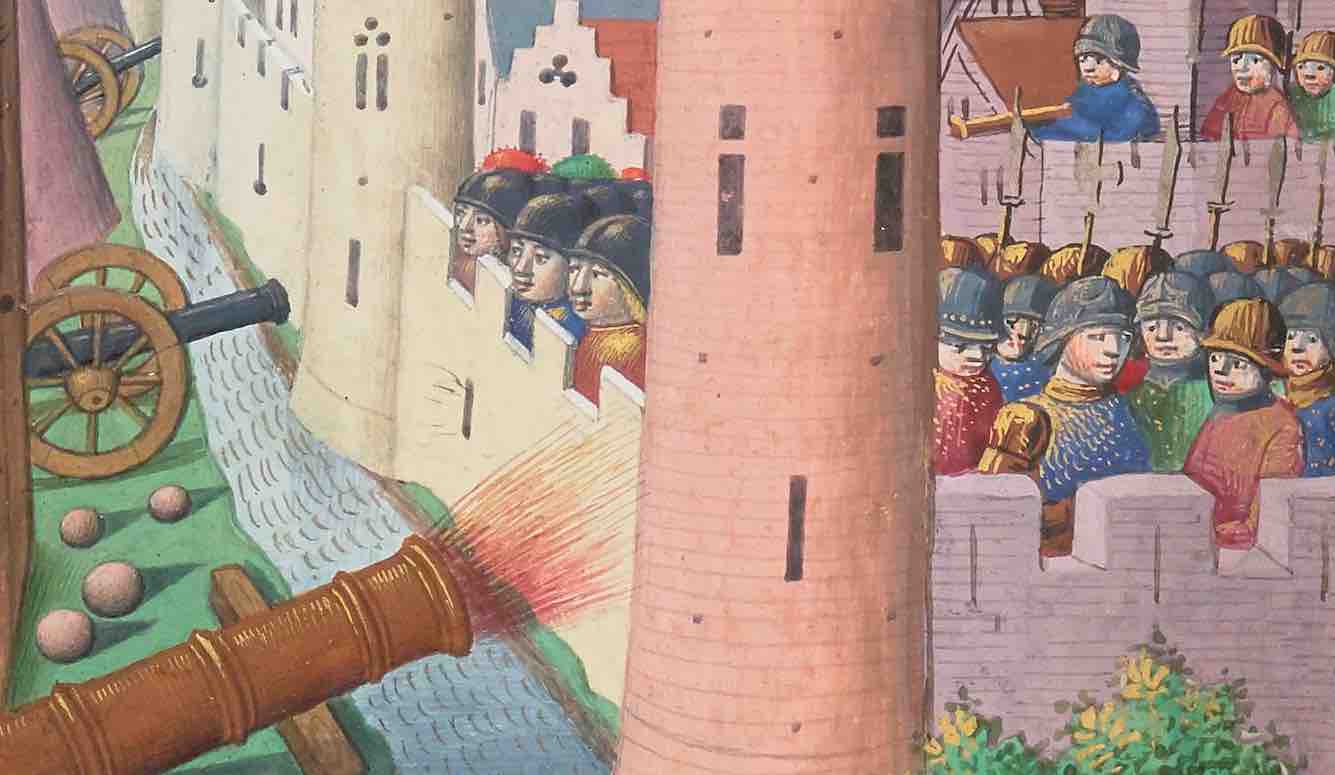
Philip the Bold, duke of Burgundy, was a warrior’s warrior. Hawk-nosed, ambitious, and brash, Philip had been a soldier since childhood. He was still a smooth-faced boy of 14 when he fought alongside his father, King John II of France, in the battle of Poitiers in 1356.

Many Finnish soldiers felt pity for their opponents, prodded into battle by merciless commissars.