As Newspapers Fade, Journalists Are Finding New Ways to Cover Local News
Less local reporting means less transparency, less informed voters, and lower levels of civic engagement.
A collection of 42 posts
Less local reporting means less transparency, less informed voters, and lower levels of civic engagement.
My primary goal—and Dr. Tyson’s if I read his tweet correctly—is to provide context. It is perhaps inevitable that our biases will continue to inform the responses of the general public on social media.
Within this fact lies the key to journalism’s power to search for a social truth that applies to all. Yes, I am talking about investigative journalism and the nitty-gritty of covering city council meetings.
History suggests another explanation, which has been left unexamined that radicalized union leadership is part, perhaps the primary part, of the problem.
In 2019, though, it turns out that yes, you’re entitled to a book deal—as long as you collect enough marginalization points.
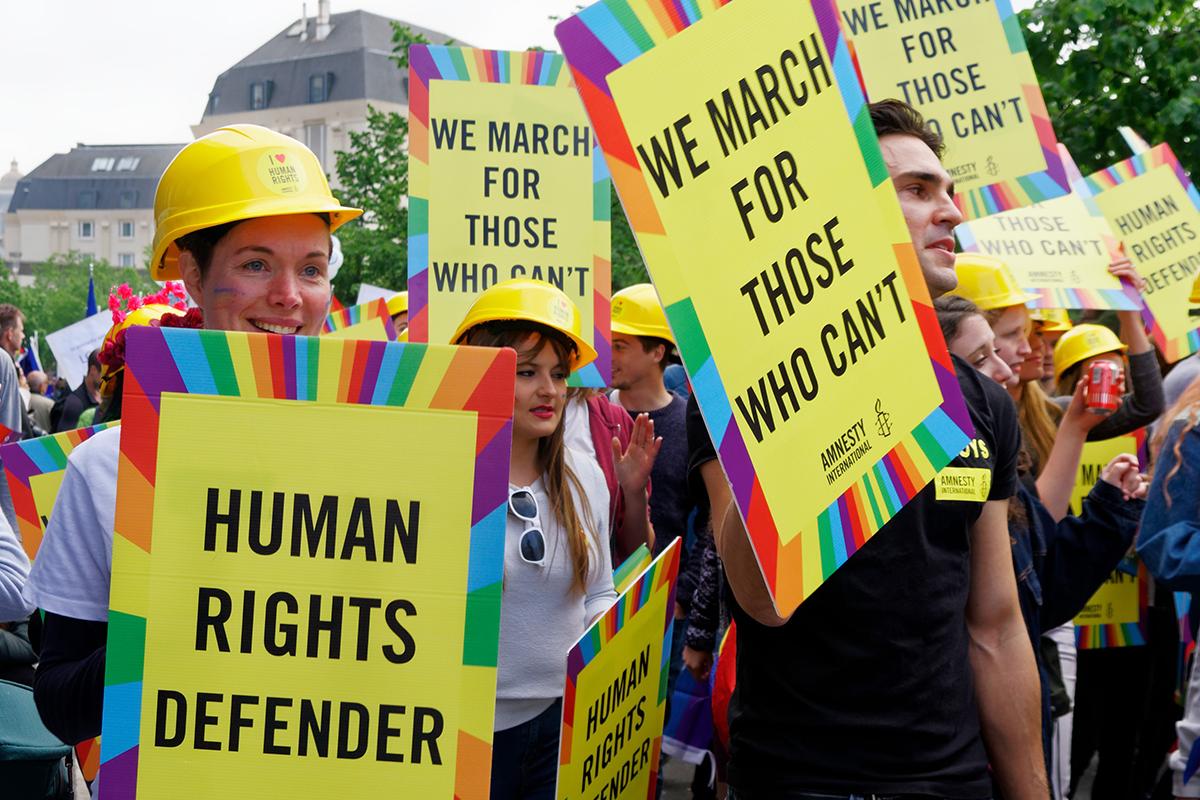
These data are consistent with Amnesty’s findings, where nearly 9 percent of Twitter mentions toward black women were problematic.
That seems itself to be an example of divisiveness and a snub to one form of diversity: that of diverse opinion.
I’m not the only reader left longing for an editor who displays a lordly disregard for public opinion
Bannon’s deplatforming has reignited the debate about the responsibilities that mainstream event organisers and media broadcasters have when giving a platform to far-right views, and what limits we should place on public discourse.
The job of the newspaper is to comfort the afflicted and afflict the comfortable.
Access to journals is crucial for how they do their work. But few research libraries can afford all the journal subscriptions needed by all of their faculty for all occasions.
Having falsely established that Charlie Hebdo were just picking on Muslims, he can lay the charge of hypocrisy upon anybody that has ever objected to any other speech.