
America’s Grief Cycle: The Negotiation Phase
How Trump’s tariffs and foreign policy signal the third phase of US decline on the world stage.
Andrew Roberts
· 7 min read
A collection of 457 posts
How Trump’s tariffs and foreign policy signal the third phase of US decline on the world stage.

Arguments that patriarchy exists in the West today are largely dependent on reinventions of the concept that would be better dispensed with.
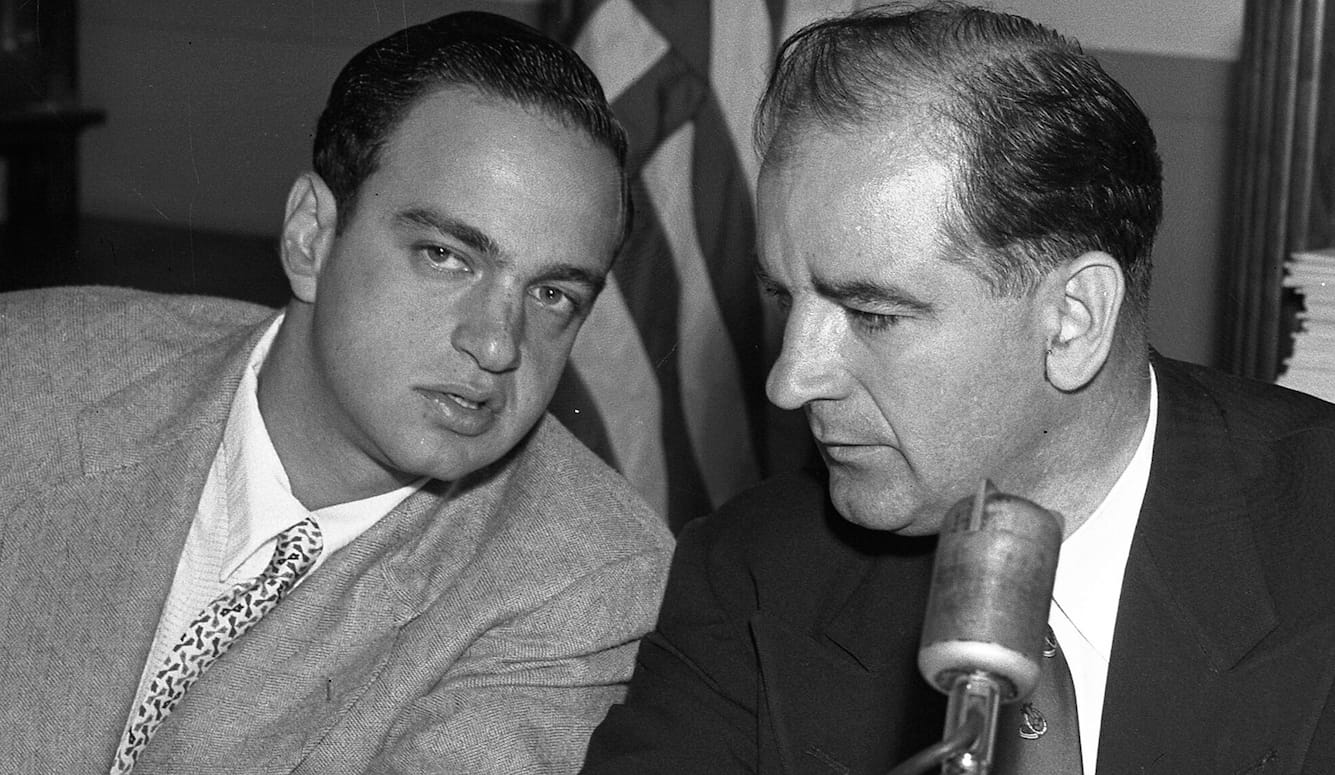
Clay Risen’s new book about the American “Red Scare” emphasises the injustices of anti-communism but minimises the true extent and danger of communist infiltration.

The history of Soviet totalitarianism is now being rewritten.

Quillette editor Jonathan Kay reviews three newly published history books about the Assyrian Empire, the fall of the Romanovs, and the travels of Marco Polo.
Donald Trump is often described as an imperialist and an expansionist and these terms are usually used interchangeably. Neither of these descriptions is meant to be flattering, but the larger problem is that they are imprecise.

The parallels between Nazism and communism complicate the standard left–right divide.

Brady Corbet’s panoramic epic, ‘The Brutalist,’ may be technically brilliant, but it is a cheat and a fraud.

Jodi Picoult’s latest novel is a ham-fisted expression of cultural rage, embodying the most anodyne values of corporate human-resources departments.

If the American Historical Association formally adopts a resolution accusing Israel of “scholasticide,” it could destroy the organisation’s reputation for serious scholarship.

Notions of injury or exclusion are often based on shifting cultural sensitivities and political pressures, rather than on any permanent, universal measure of good and evil.
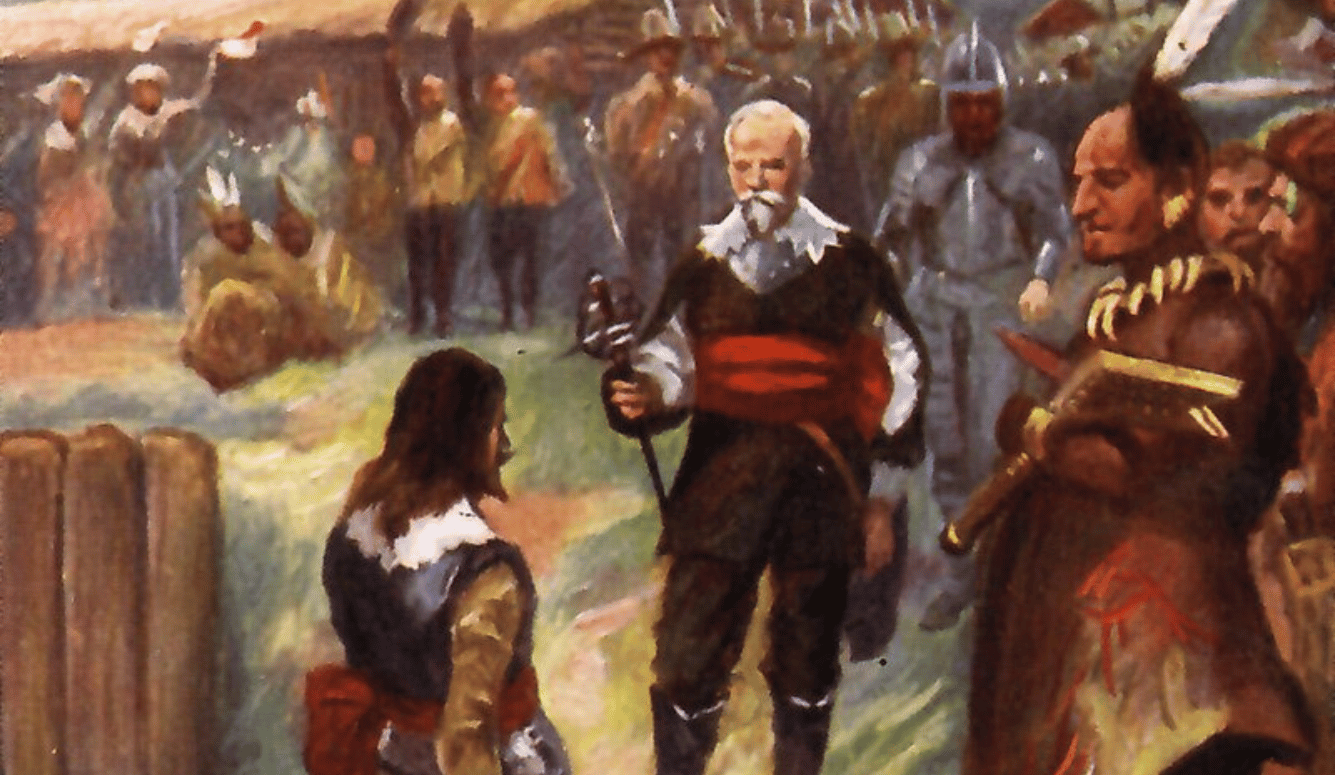
In the 24th instalment of ‘Nations of Canada,’ Greg Koabel describes how British adventurers briefly seized Quebec and Acadia following the Anglo-French War of 1627–29.

America is not fallen; it is simply given to periodic bouts of insanity. The patient is tiresome; the patient is ridiculous; but the patient is stable.

‘The Message’ is a lopsided, unserious, and frequently embarrassing essay, the real target of which is the very existence of Israel.

Since the 18th century, the very process of innovation was uniquely institutionalised in the West. That is now precisely what is being globalised.