
Tocqueville and Us
People joining a political movement don’t usually consider its logic or consequences; they react to an injustice or grievance.
Eric Clifford Graf
· 9 min read
A collection of 457 posts
People joining a political movement don’t usually consider its logic or consequences; they react to an injustice or grievance.

The most expansive interpretations of NAGPRA’s provisions now serve to place Indigenous oral traditions, which typically include religious stories, on equal footing with traditional forms of scientific evidence such as DNA analysis.
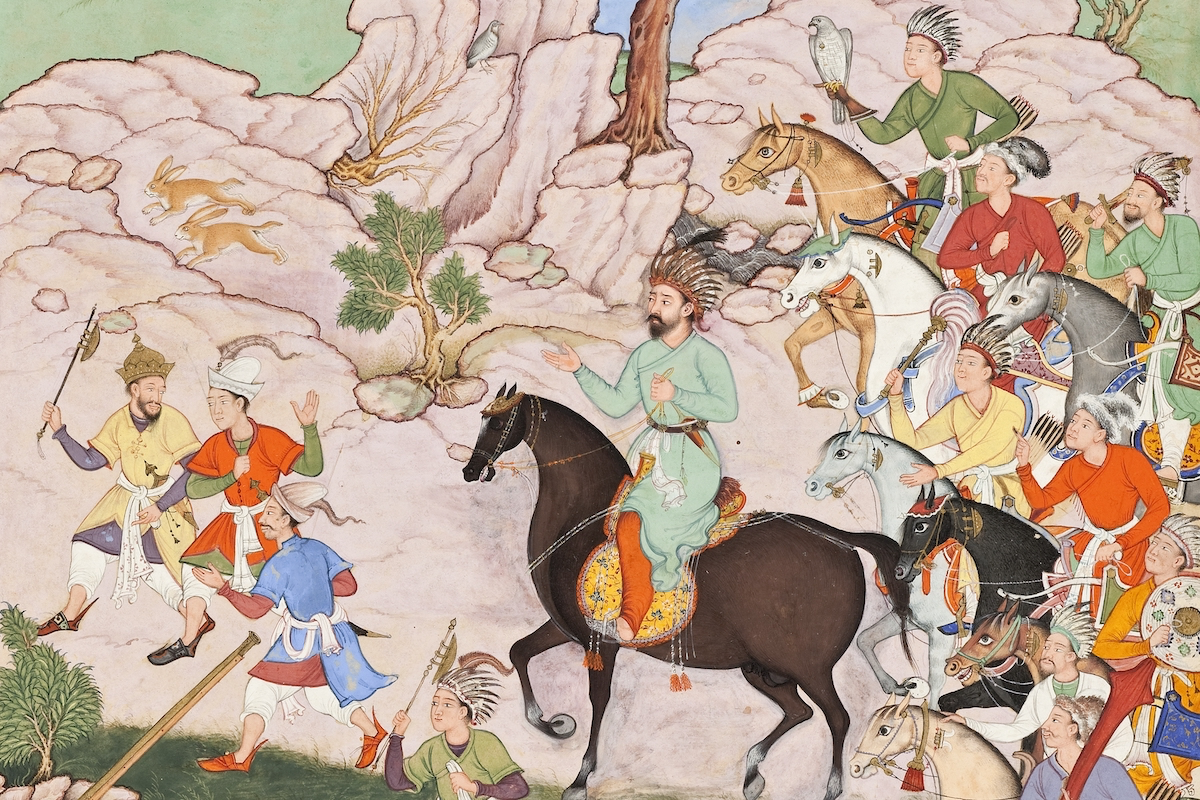
The Jochid khans considered the Russian principalities part of their dominion.
When one woman refused and snapped at them to “go away,” they attacked her with a chair and mop handle.

There is nothing wrong with elevating anti-racism in one’s own life. But there is something wrong with imposing one’s moral reality upon total strangers.
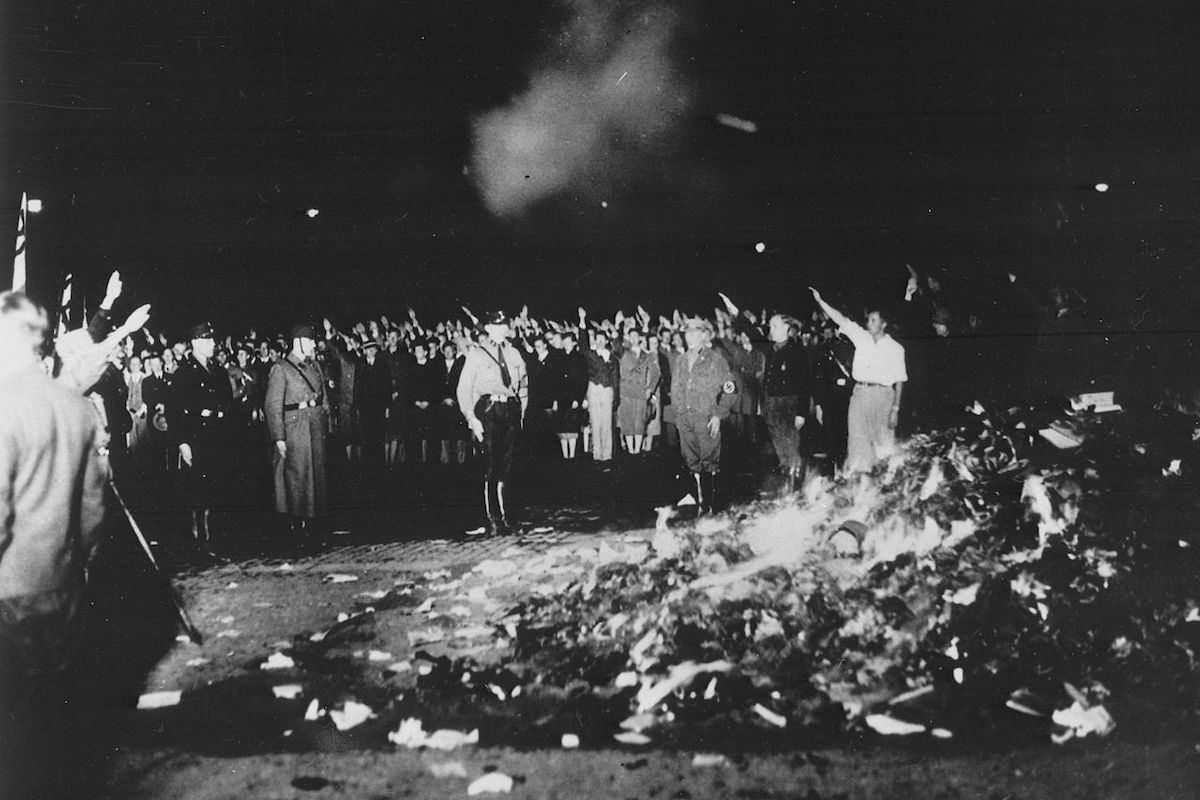
Following the Nazis’ defeat by the Allies, the imagery lived on. In succeeding decades, projections of the book burning were never long out of sight or reference.

A review of Doom: The Politics of Catastrophe by Niall Ferguson. Allen Lane, 496 pages (May 2021) Viewed from a certain angle, history appears to be the legacy of our errors—the record of humanity risking too much and anticipating too little, getting things wrong and getting them wrong all

In fact, the single most common technique for insisting that Austen is anti-slavery is for the critic to draw an equivalence between slavery and her depiction of social class, or her portrayal of the status of women.

As sexual violence was reaching historic lows, the narrative was demanding the opposite. The definition of sexual violence began to be broadened, and so the numbers grew.

Many Finnish soldiers felt pity for their opponents, prodded into battle by merciless commissars.

Indeed, the title misleads: On Property focuses more on the historical threads linking the slave plantations to the abuses of modern policing than it does on its purported subject matter.
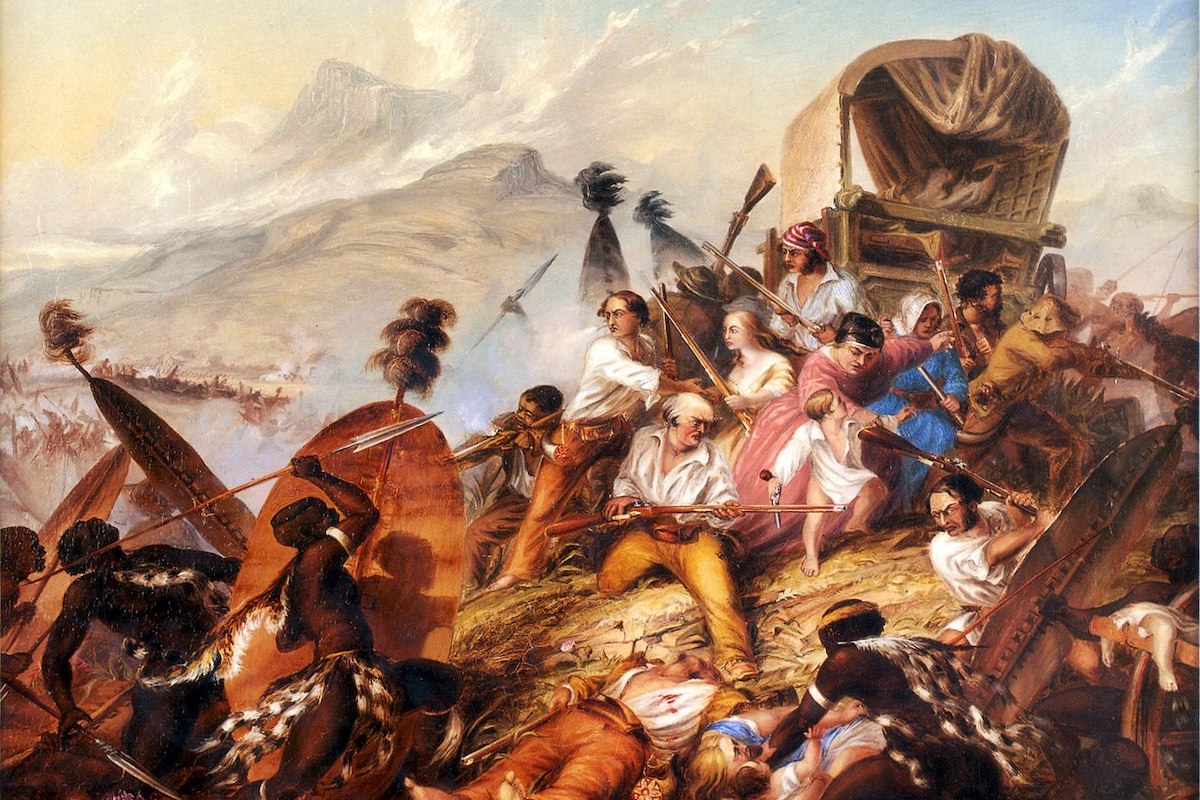
Crimes, no matter how heinous, cannot be passed onto the progeny like some modern variant of the original sin, condemning them to unending purgatory.

The ranks of this new ruling class are refreshed by immigrant academics who come to understand themselves in the way progressivism understands them: as minorities who can also act victim-like if they want—a precious endowment in the cultural academic market.
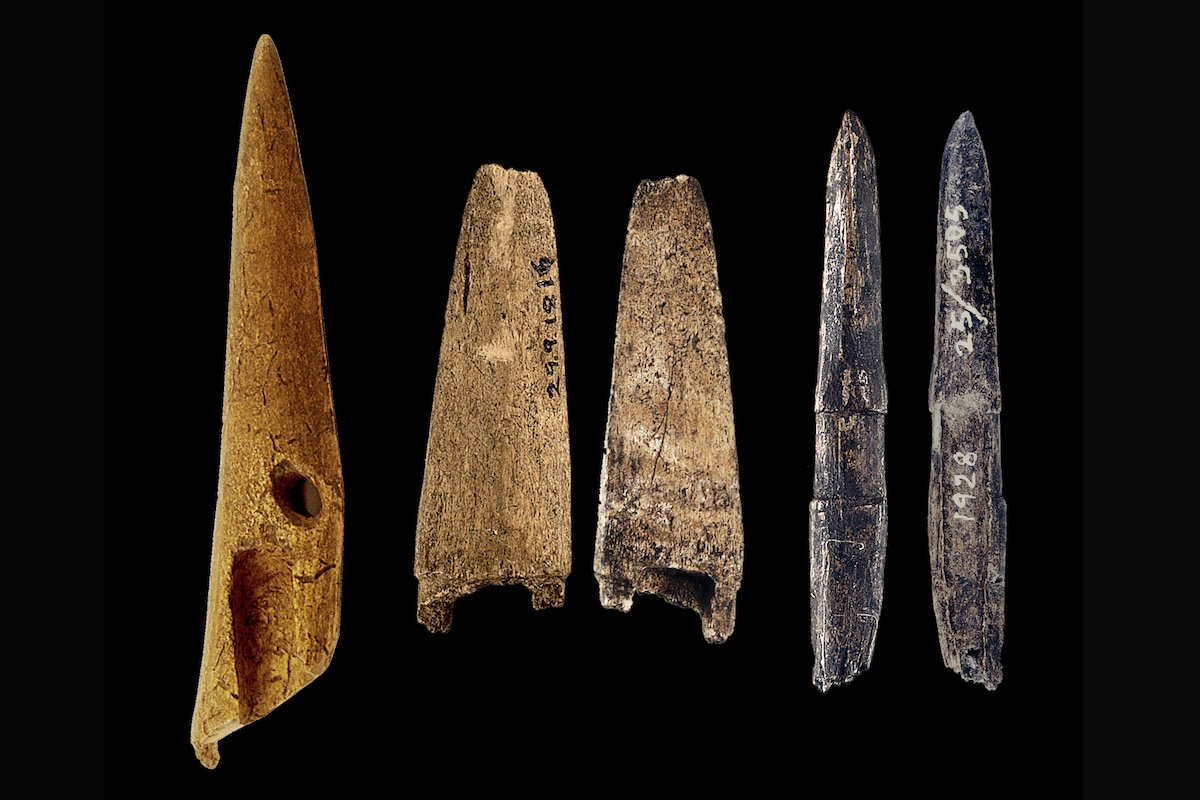
In the north, the Maritime Archaic gave way to Pre-Dorset Palaeoeskimos (as they are known in the literature) that had recently arrived from Siberia.

In some former British colonies, confronting the dispossession and murder of native peoples has prompted efforts at apology and restitution.