After Liberalism
The core principles of liberalism—freedom and equality—are insufficient for the good life. We need to supplement them with a more robust, metaphysically thicker understanding of human nature and the good.


Alan S. Rome is a teacher and writer in Sydney, Australia. He has a PhD in intellectual history from the University of Sydney.
The core principles of liberalism—freedom and equality—are insufficient for the good life. We need to supplement them with a more robust, metaphysically thicker understanding of human nature and the good.
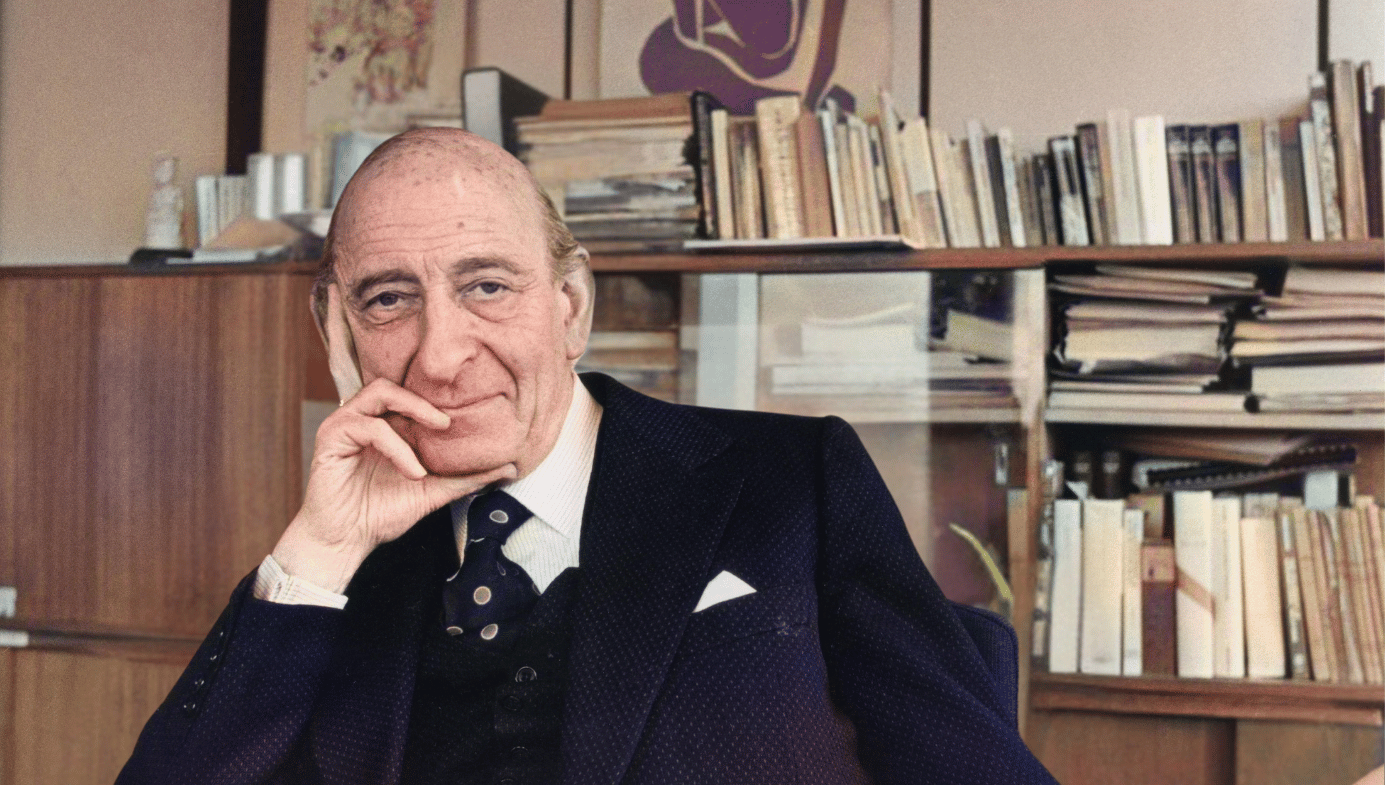
For Aron, politics is the art of living together, the art of the possible, and requires an “acute awareness” of the limitations of our power to influence reality.
Samuel Moyn’s analysis of what ails liberal societies is fatally compromised by his own socialist commitments.
Edward Berger’s award-winning film is a deeply flawed adaptation that replaces the book’s complexity and humanity with hyperbolic surrealism and misanthropy.
We should reject an unfalsifiable frame that can make anything and everything offensive or problematic, no matter how innocuous.
By rejecting any universally applicable standards of reason, it destroys the possibility of true conversation, of learning from and compromising with each other.