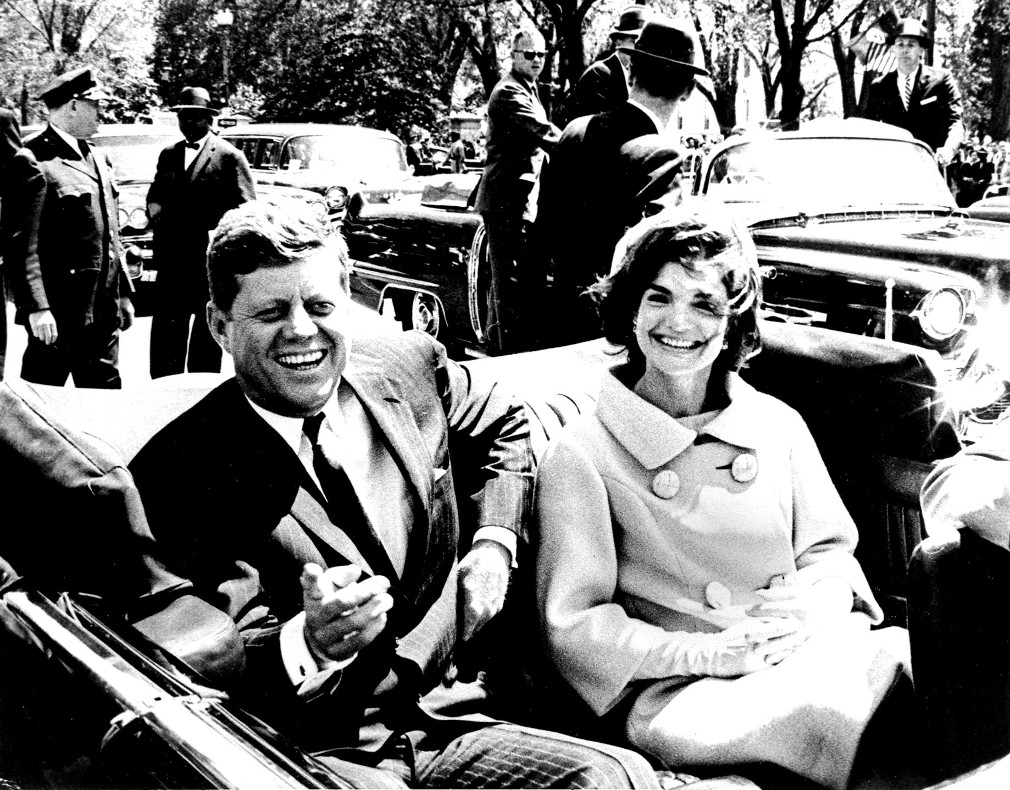
Roosevelt, Trump, and the Presidential Smile
“Character is the decisive factor in the life of an individual and of nations alike.” And what better marker of character is there than a smile?
Theo Zenou
· 12 min read
A collection of 20 posts
“Character is the decisive factor in the life of an individual and of nations alike.” And what better marker of character is there than a smile?

Now, let’s consider for a moment the practical consequences of this theory for our representative democracy.

This requires people to set aside their prejudices and preconceived ideas and engage into a dialogue with those with whom they may disagree or even hate.
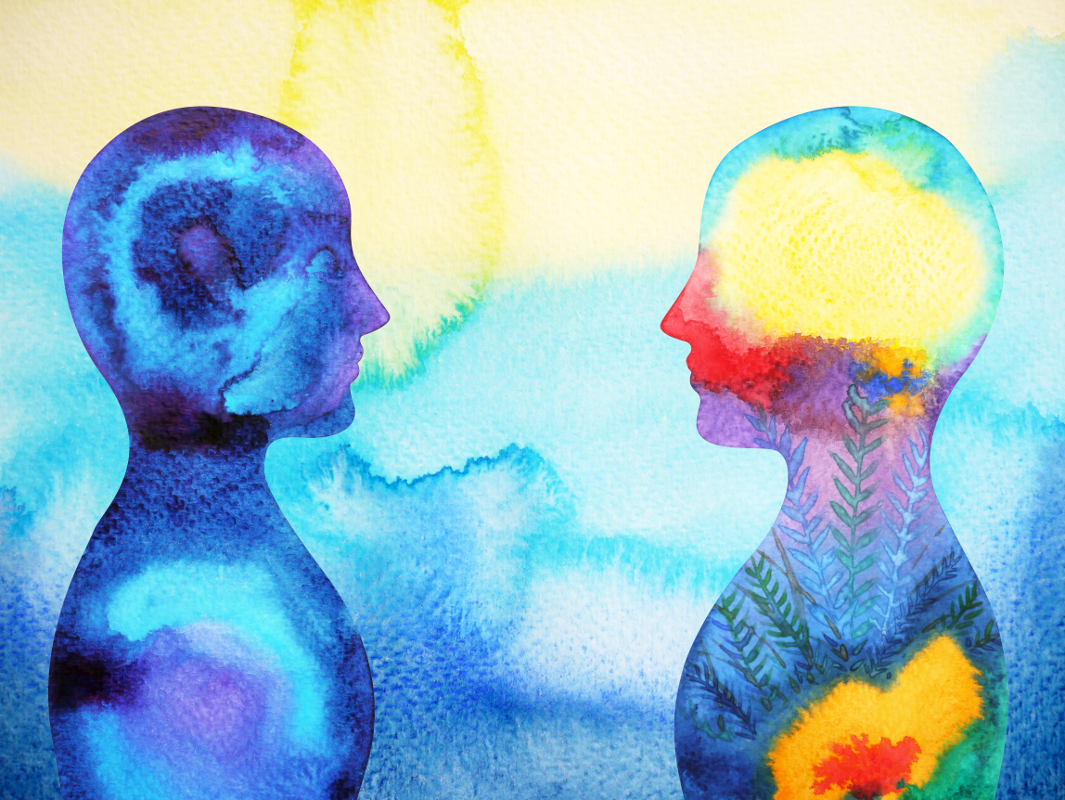
If you’re easily offended, it’s hard to understand the world.

Psychedelics are incredible tools whose significance lies in their ability to catalyze the power of the human mind for healing, creativity, and spiritual consciousness.
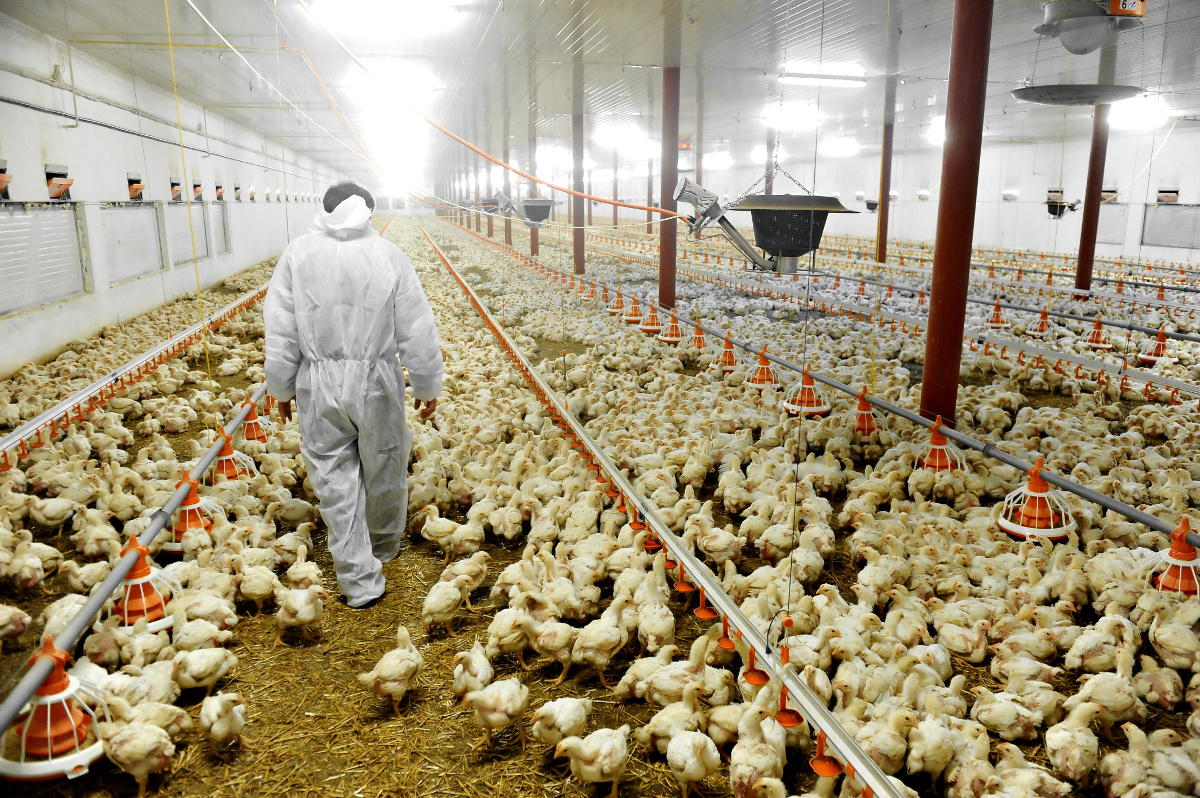
Like many practices, there are benefits as well as costs: meat from factory farms is cheaper than meat from free-range animals, often about half the price.

Mental disorders are highly stigmatized conditions, but they have a hidden upside.

Getting to know the emotional lives of farmed animals and developing the habit of associating meat with animal suffering may be a potent tool in the meat reducer’s tool kit.

Newton wouldn’t last long as a ‘public intellectual’ in modern American culture.

Recommendations to drink eight glasses of water each day and eat no more than 2,000 calories daily are pretty much common knowledge.
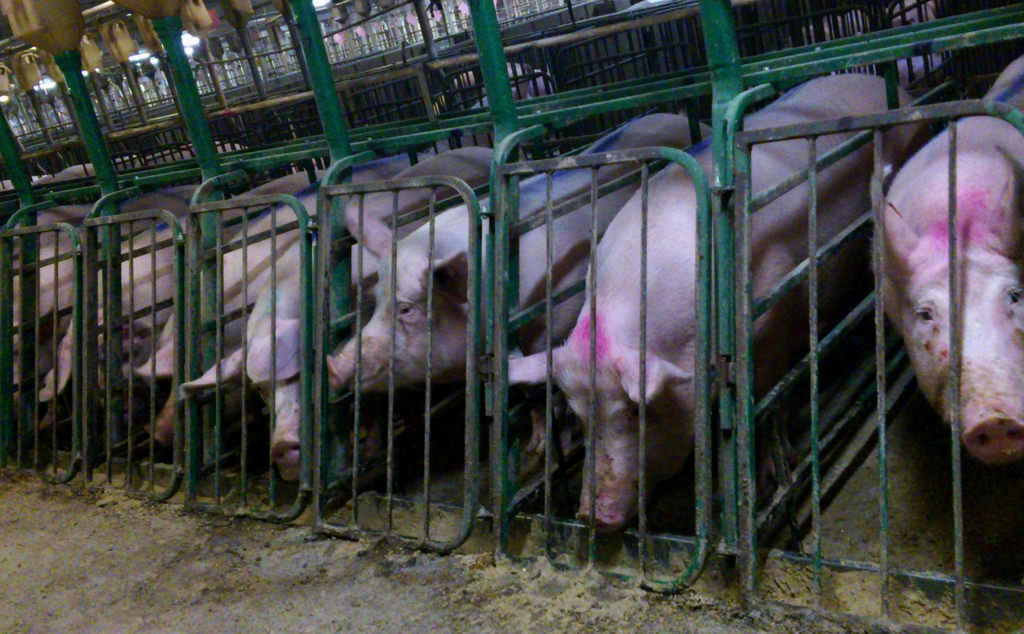
Infection is constant problem and most farms use large quantities of antibiotics to control it.

I find this theory to be a very elegant explanation of human potential and the process of growth and change.
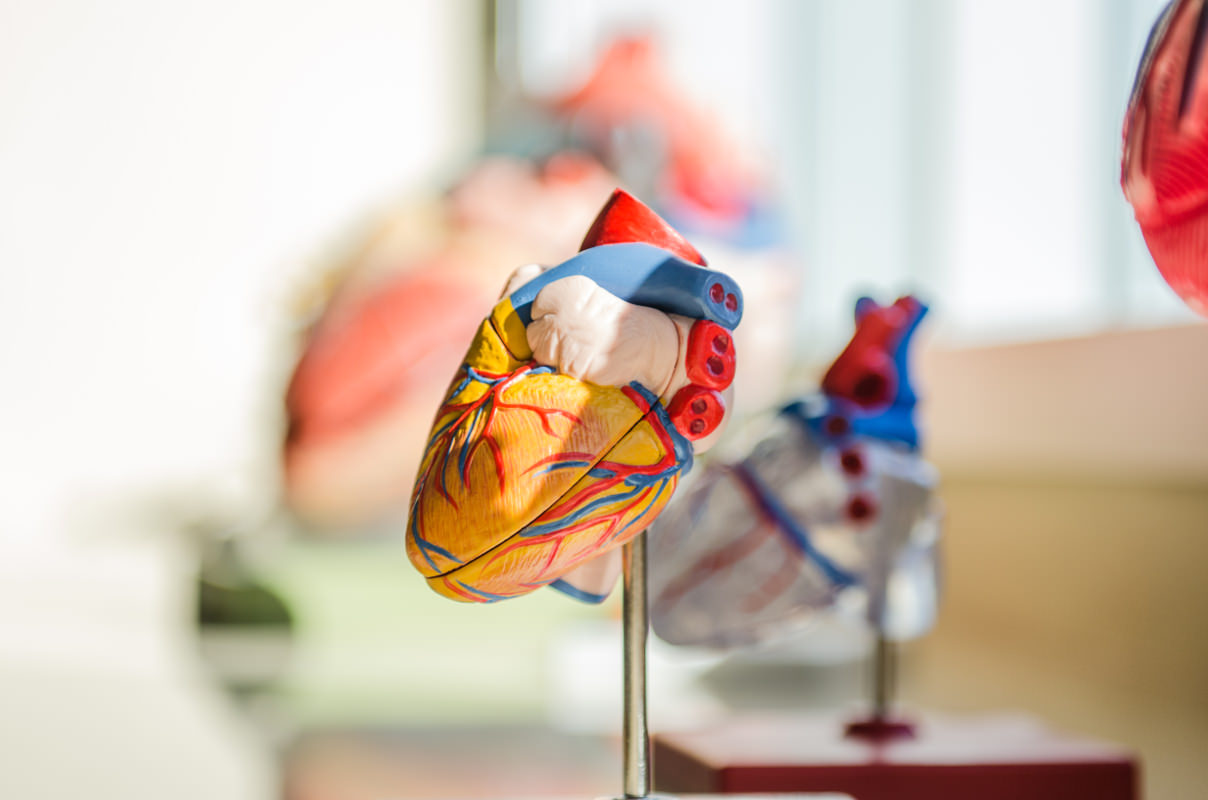
The real beauty of the biopsychosocial approach is that it has application to the individual (both in terms of causal explanation and of treatment offered), to the wider population, and to research.

The world is theirs for the taking — only a significant proportion are, it seems, too anxious, depressed and traumatised to take advantage.

The goal of public health is ostensibly primary prevention: this means a focus on anticipating, (rather than treating), disease, disorder, and injury.