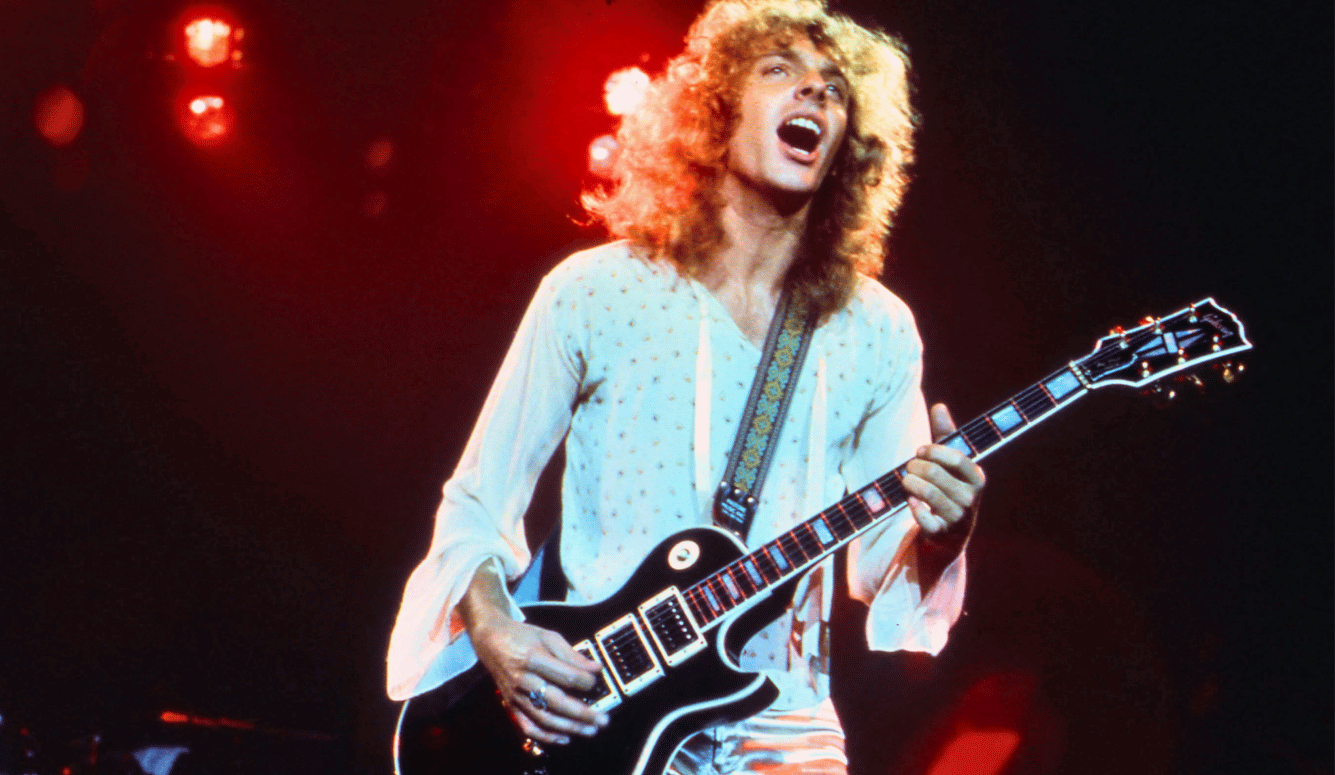
Frampton Comes Alive! at Fifty
The improbable story of rock’s greatest live album.
Jacob Bielecki
· 13 min read
A collection of 874 posts
The improbable story of rock’s greatest live album.
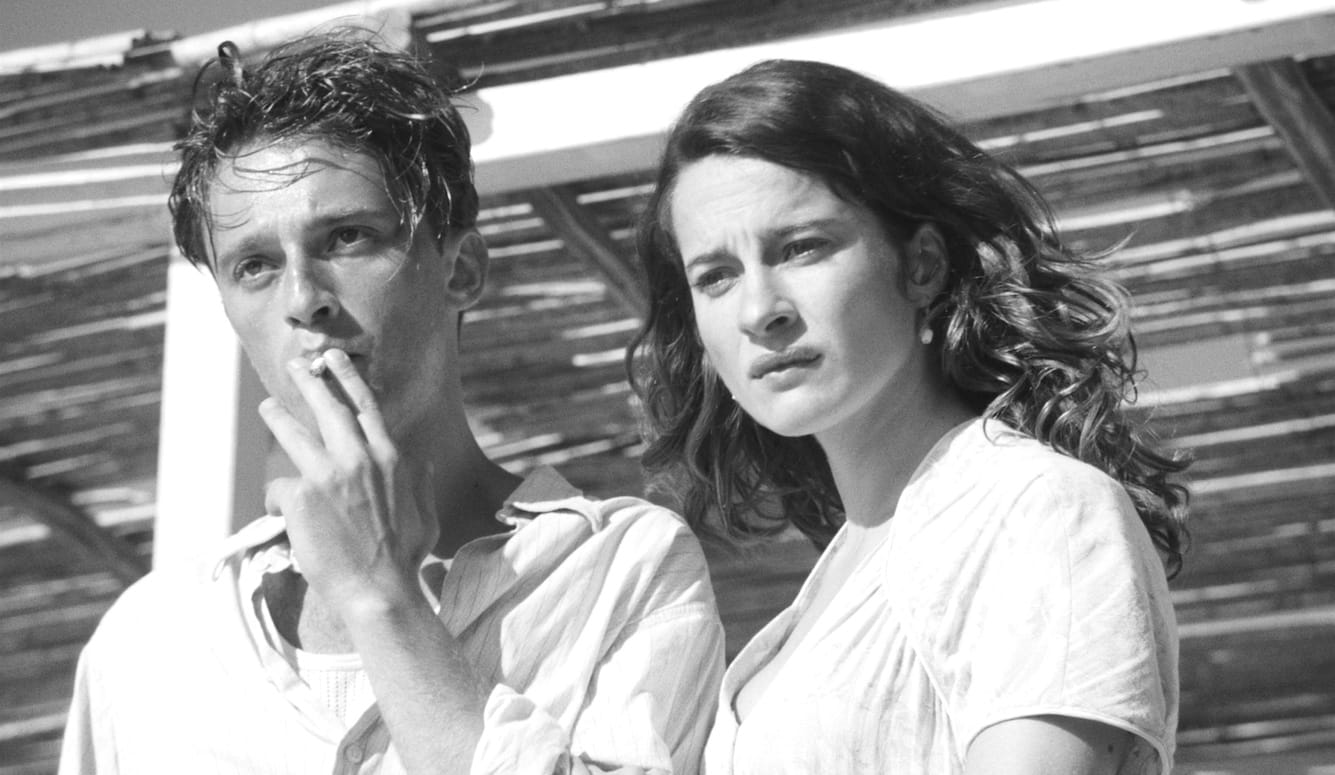
It would be very difficult to make a great film from a source as flawed as Camus’s novel, but Ozon has managed to make a very good one.
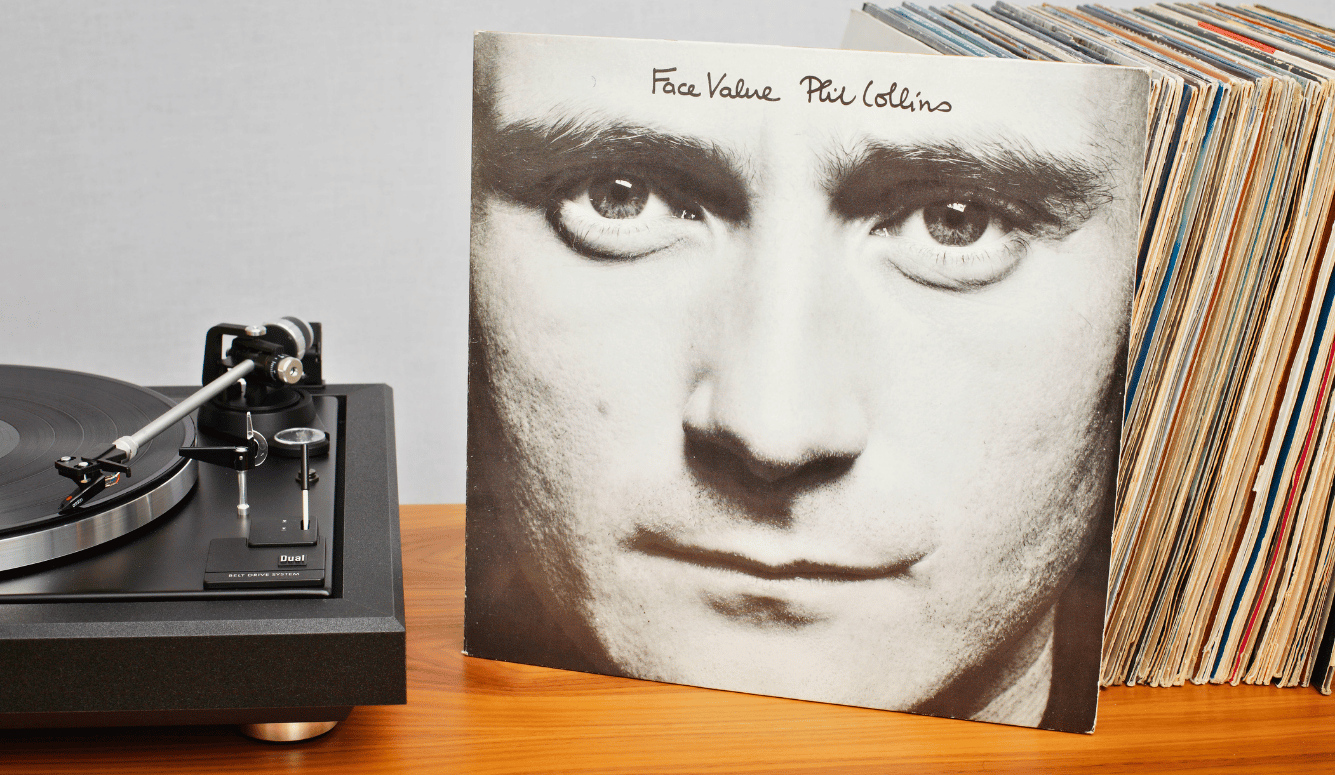
How Phil Collins created the pop sound that defined the 1980s.

The new film 'Project Hail Mary' based on Andy Weir's bestselling novel, celebrates scientific problem-solving on a cosmic scale. There are striking parallels with David Deutsch's radical optimism.
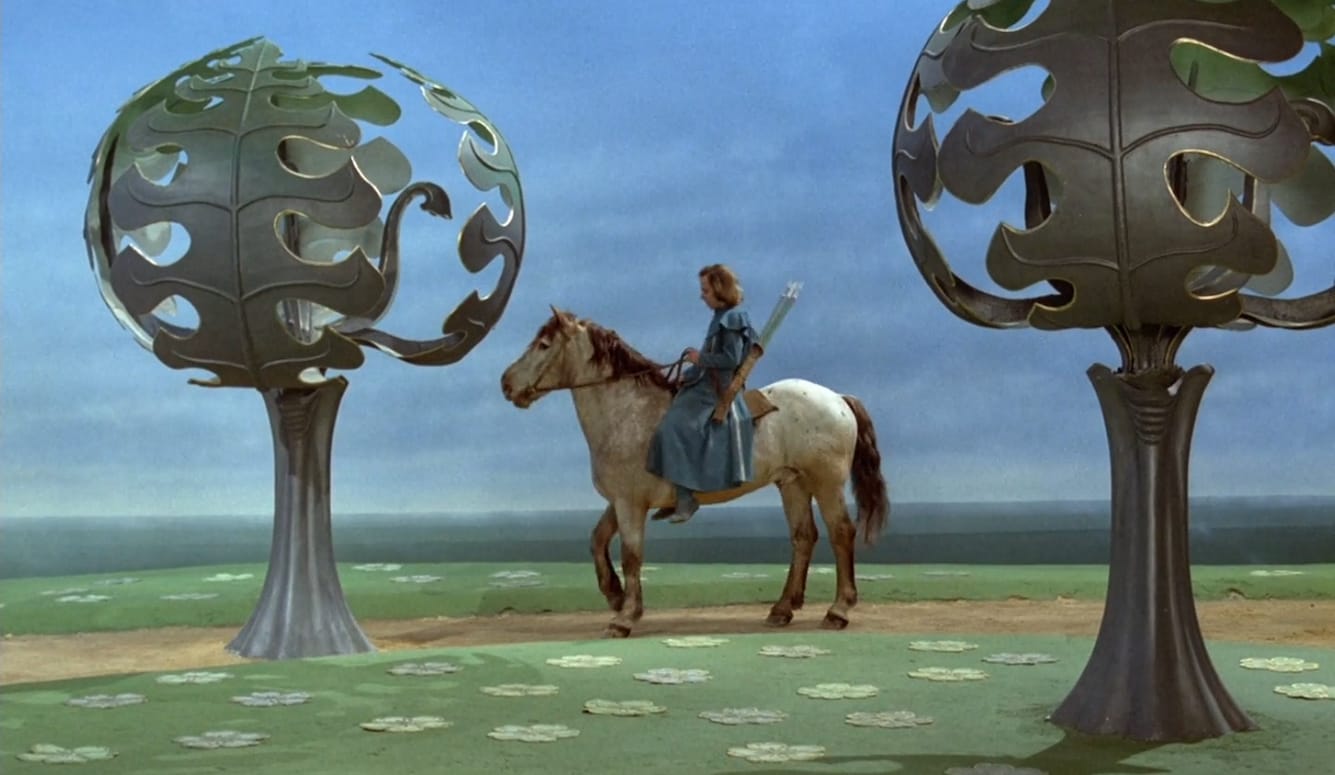
Éric Rohmer’s Perceval le Gallois (1978) vividly recreates the imaginative world in which the people of the Middle Ages lived inside their heads.

Reflections on the crisis of meaning afflicting not only Gen Z but all of us who are too online.
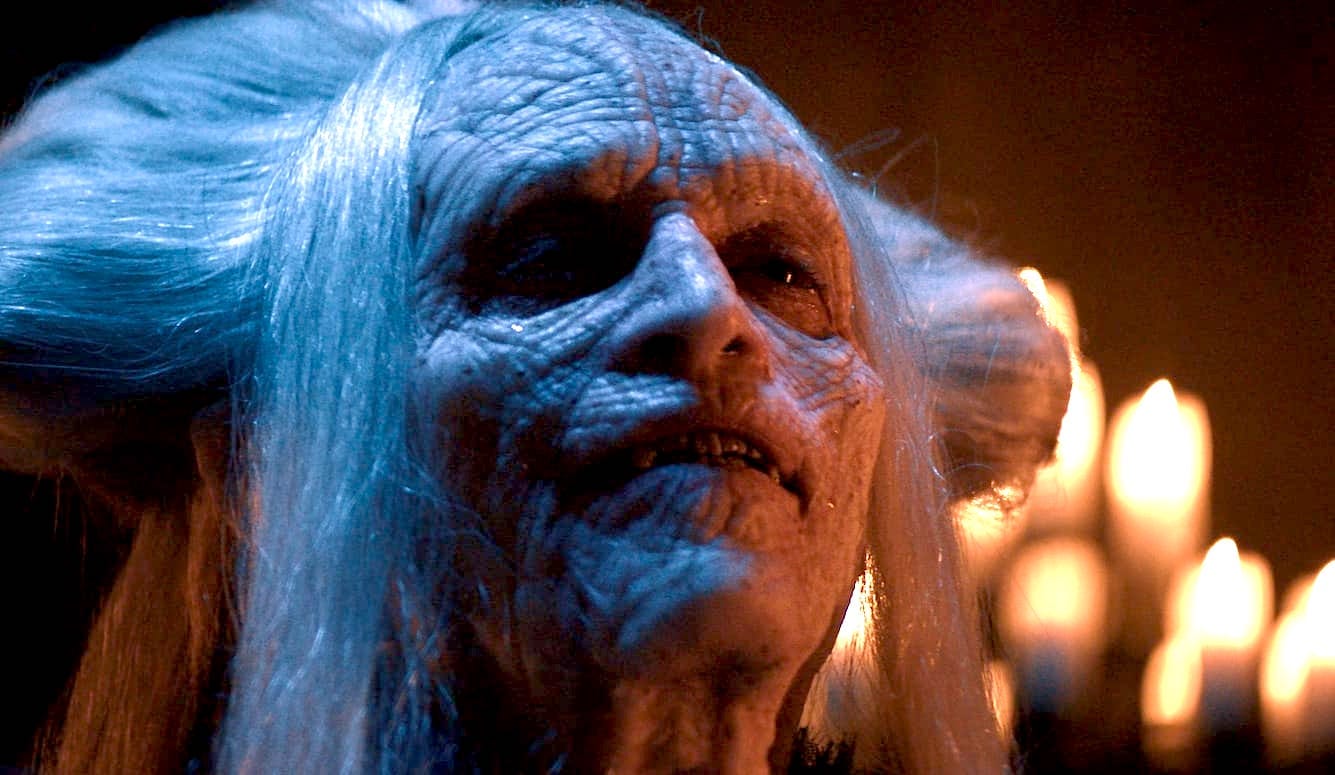
Luc Besson’s romantic adaptation of the Dracula story owes an unacknowledged debt to Eiko Ishioka, the visionary designer of Francis Cord Coppola’s 1992 classic.

Monuments don’t create legacy; they merely memorialise it.
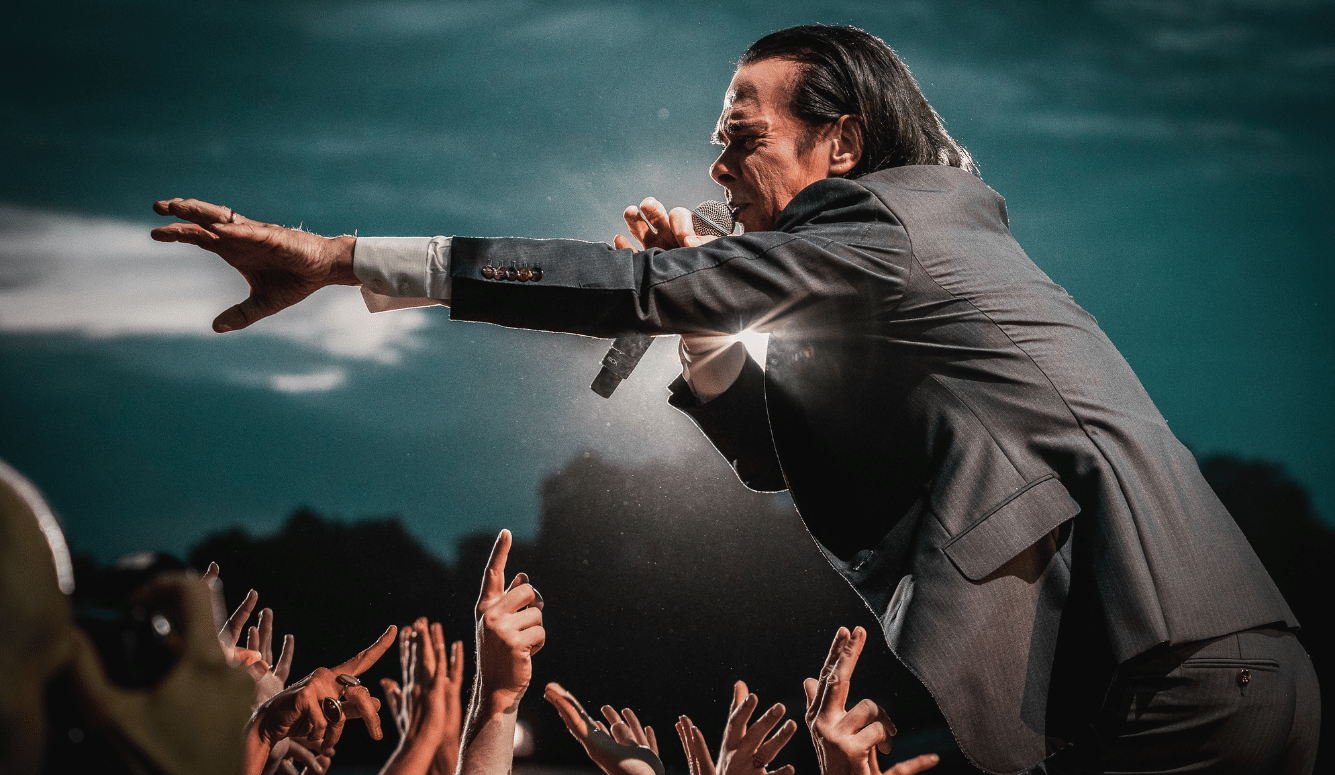
Nick Cave’s beautiful and tragic music brings redemptive catharsis to a grief-stricken city.
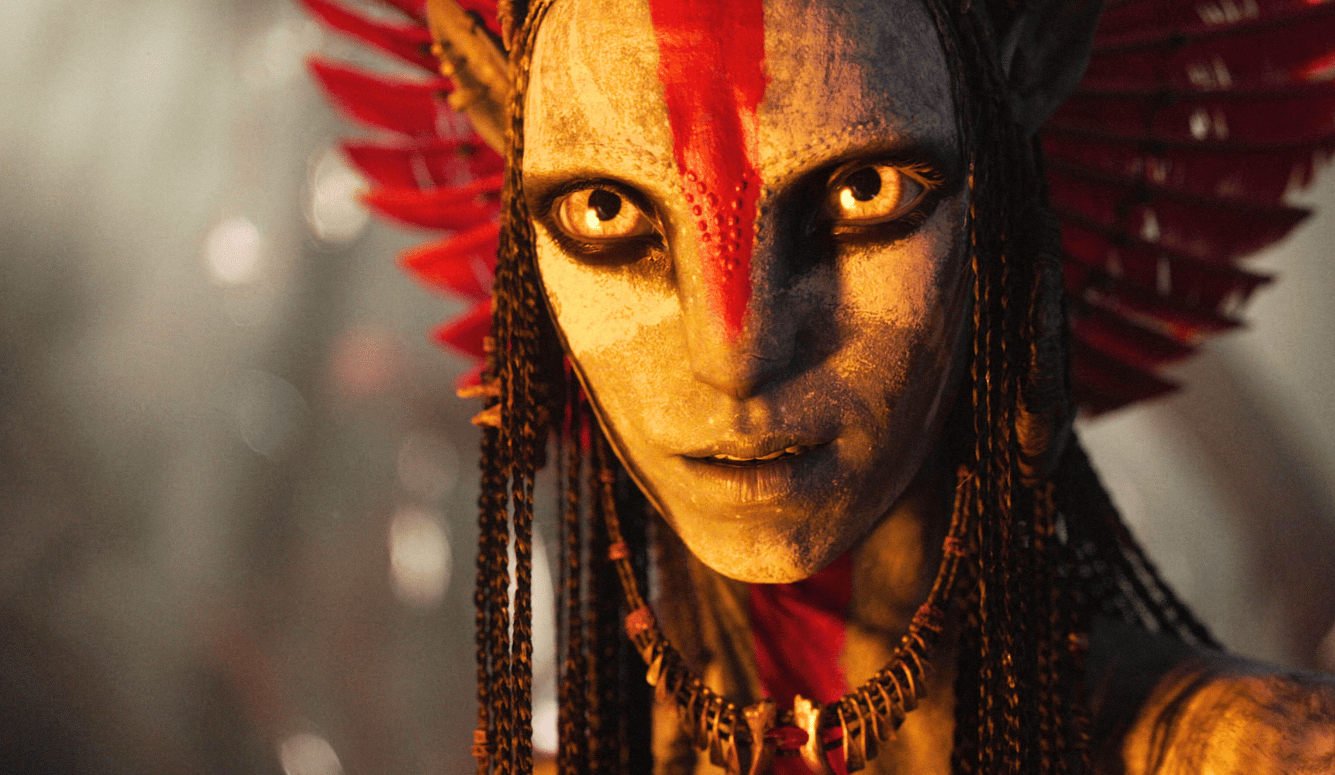
‘Avatar: Fire and Ash’ is a Rousseau-esque oikophobic fantasy of evil humans and noble savage aliens.
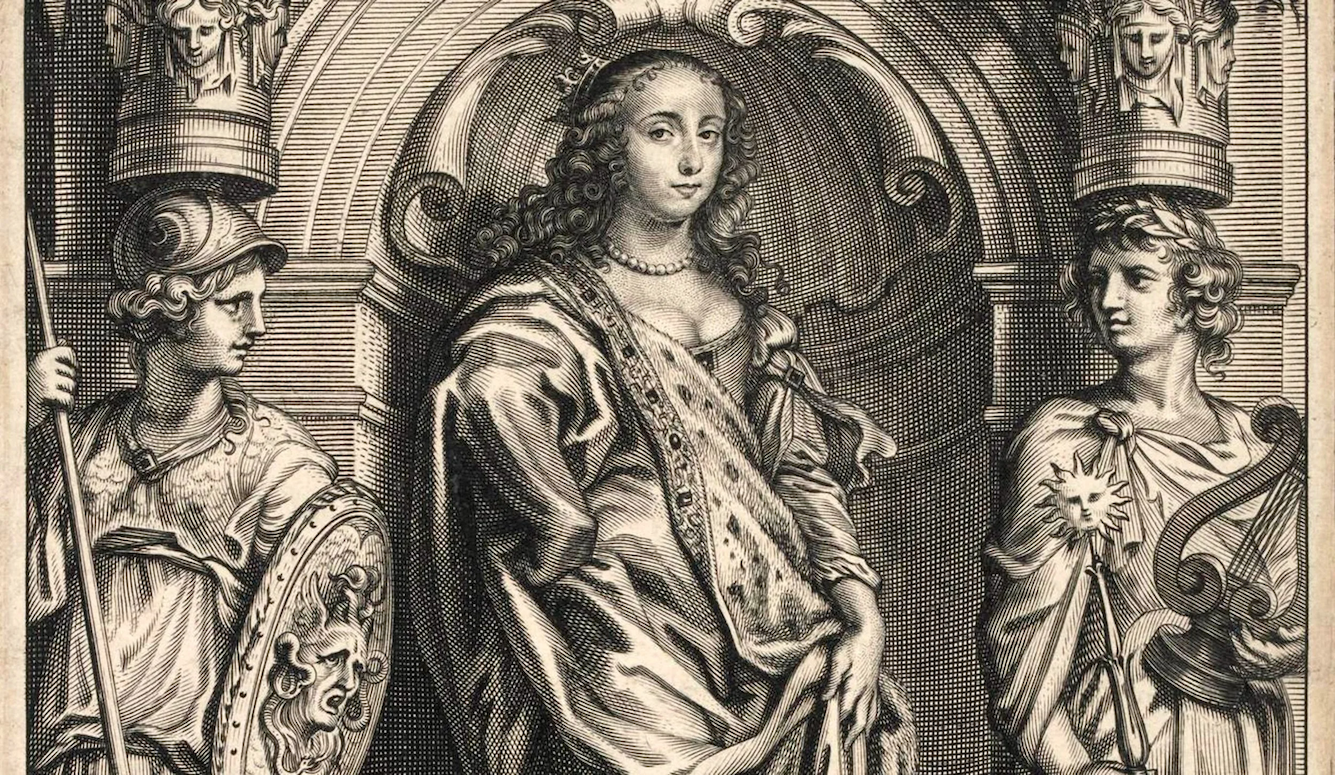
A new book by Elizabeth Scott-Baumann examines the female poets and literary critics who challenged seventeenth-century England’s male literary establishment.
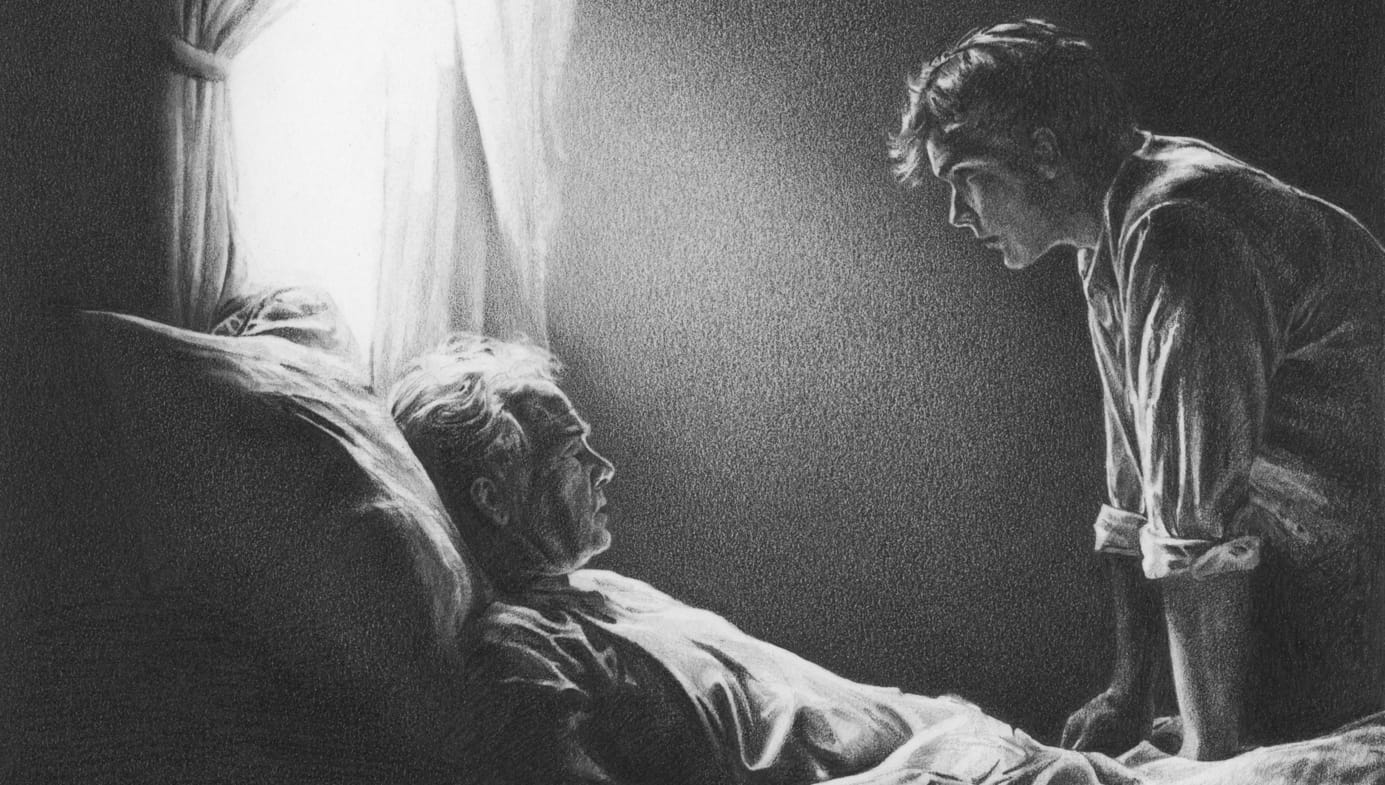
Why art and science serve different ends.

How we learned to reason poorly with accurate data.
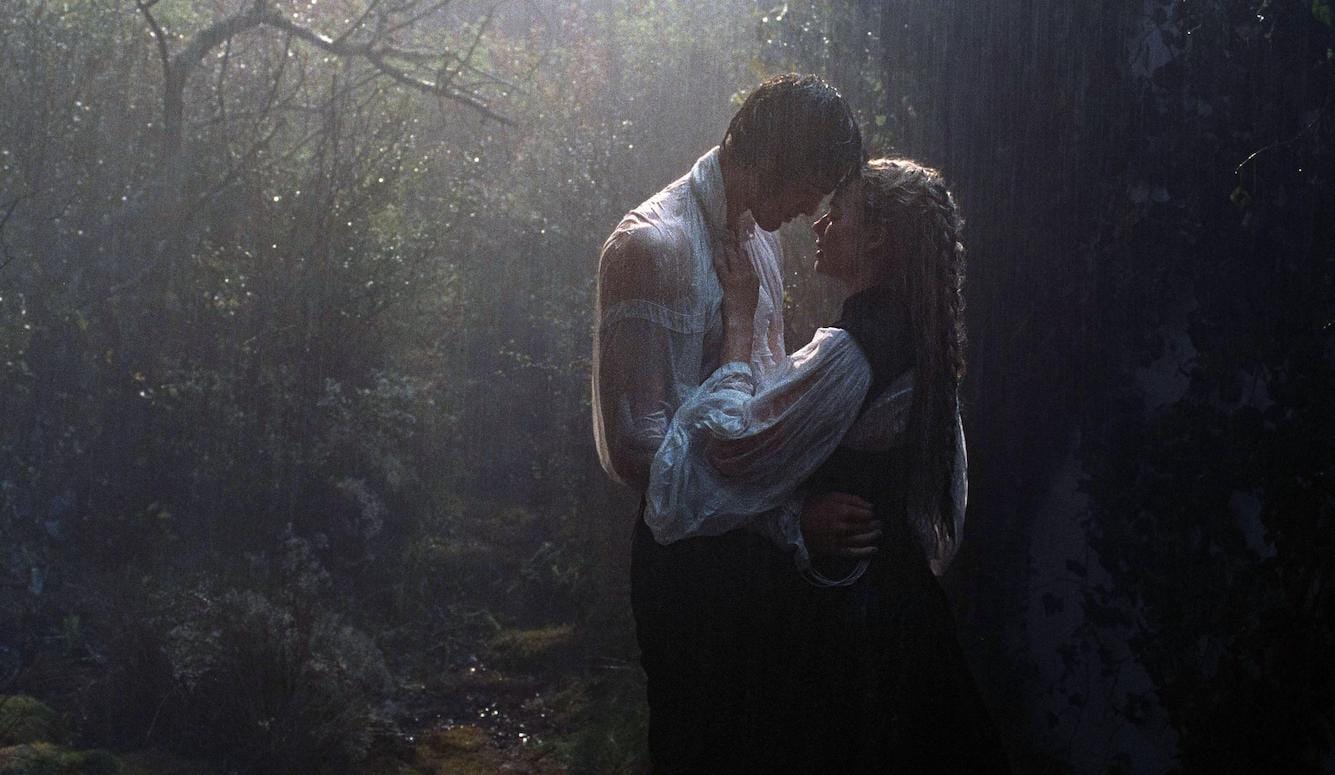
Emerald Fennell’s misbegotten adaptation of ‘Wuthering Heights’ destroys the very structure of Emily Brontë’s classic story.
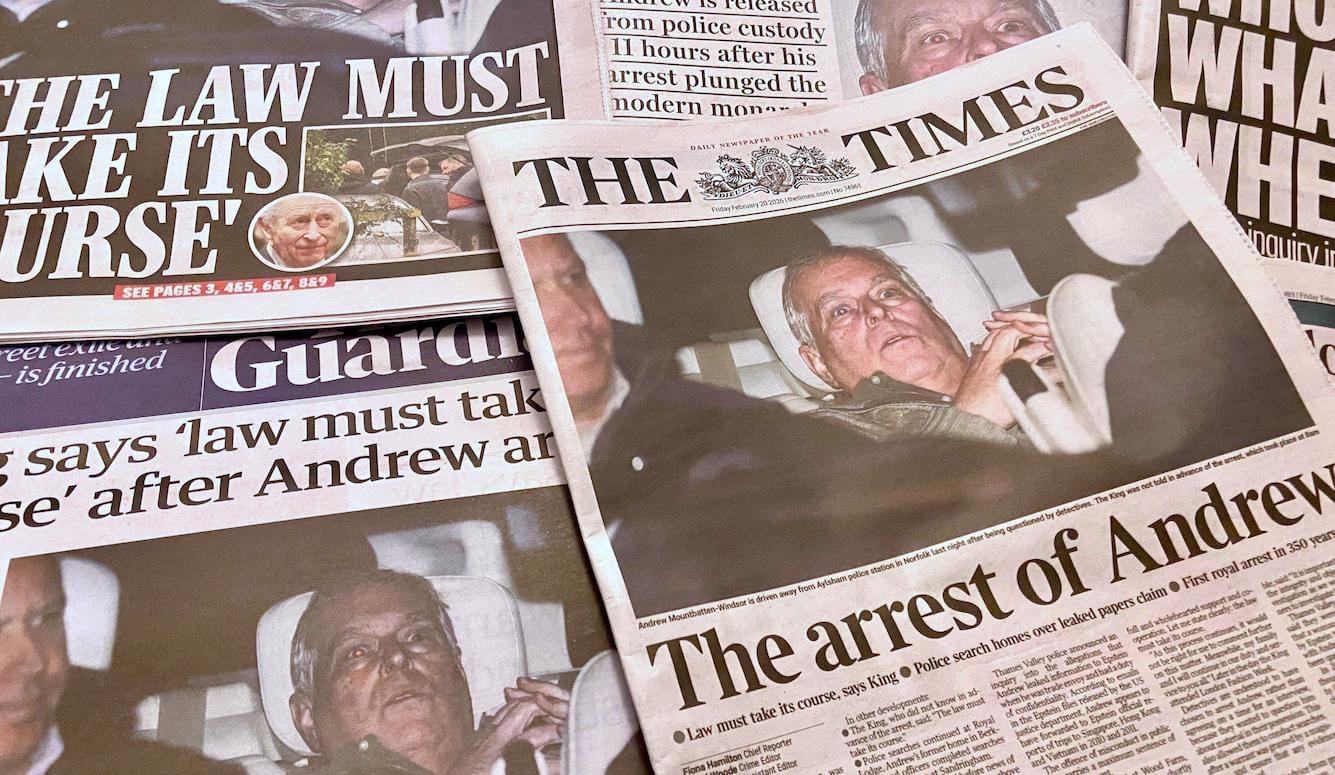
Andrew Mountbatten-Windsor, Mick Jagger, and the theatre of degradation.