
ChatGPT-5 and the Limits of Machine Intelligence
The disillusion produced by GPT-5 is not a technical hiccup, it’s a philosophical wake-up call.
Hugh Brosnahan
· 6 min read
A collection of 59 posts
The disillusion produced by GPT-5 is not a technical hiccup, it’s a philosophical wake-up call.

The discipline of English literature seems unlikely to survive the coming technological tsunami—and maybe it doesn’t deserve to. And I say this as a professor of English, who believes in the power of the written word.
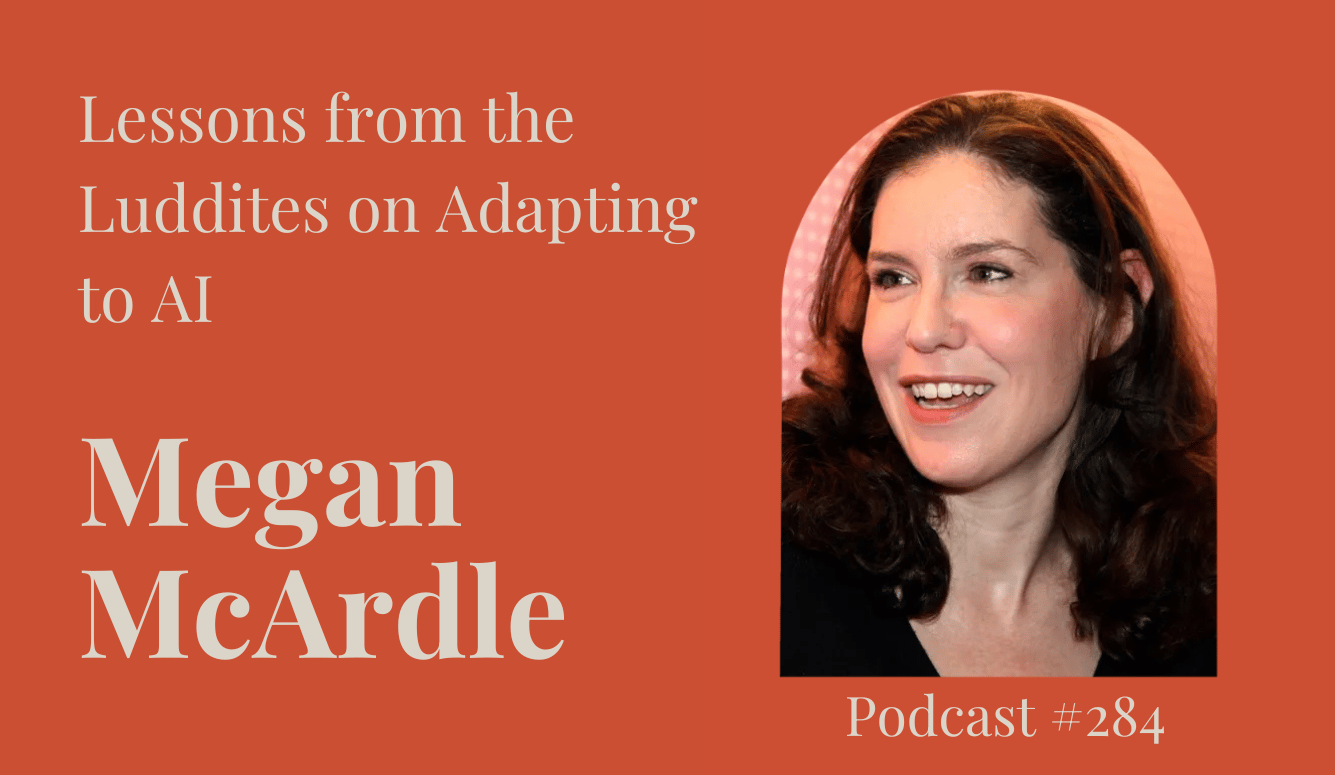
Quillette podcast host Jonathan Kay speaks with Washington Post columnist and TED Talker Megan McArdle about the short-term pain—and long-term gain—heralded by the AI revolution.

Automation, artificial intelligence, and robotics are set to redefine the relationship between labour, capital, and production.

Virtual friends are already good enough to engage us and satisfy some of our appetites. They are going to get better, spread into more corners of our lives, and settle in.
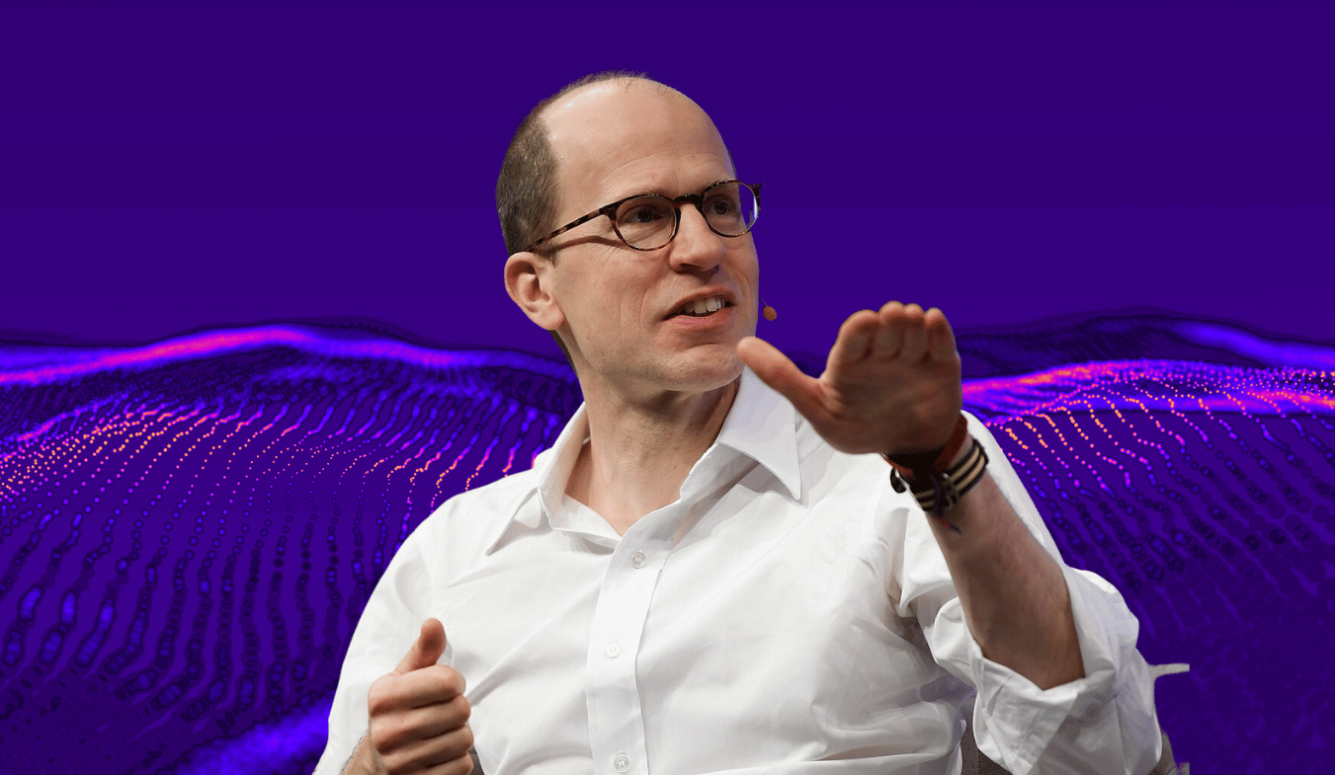
AI catastrophe is easy to imagine, but a lot has to go consistently and infallibly wrong for the doom theory to pan out.

Technology steers my life along tracks chosen for my digital double, not for me. But this proxy personalisation wouldn’t work at all if I didn’t play my part.
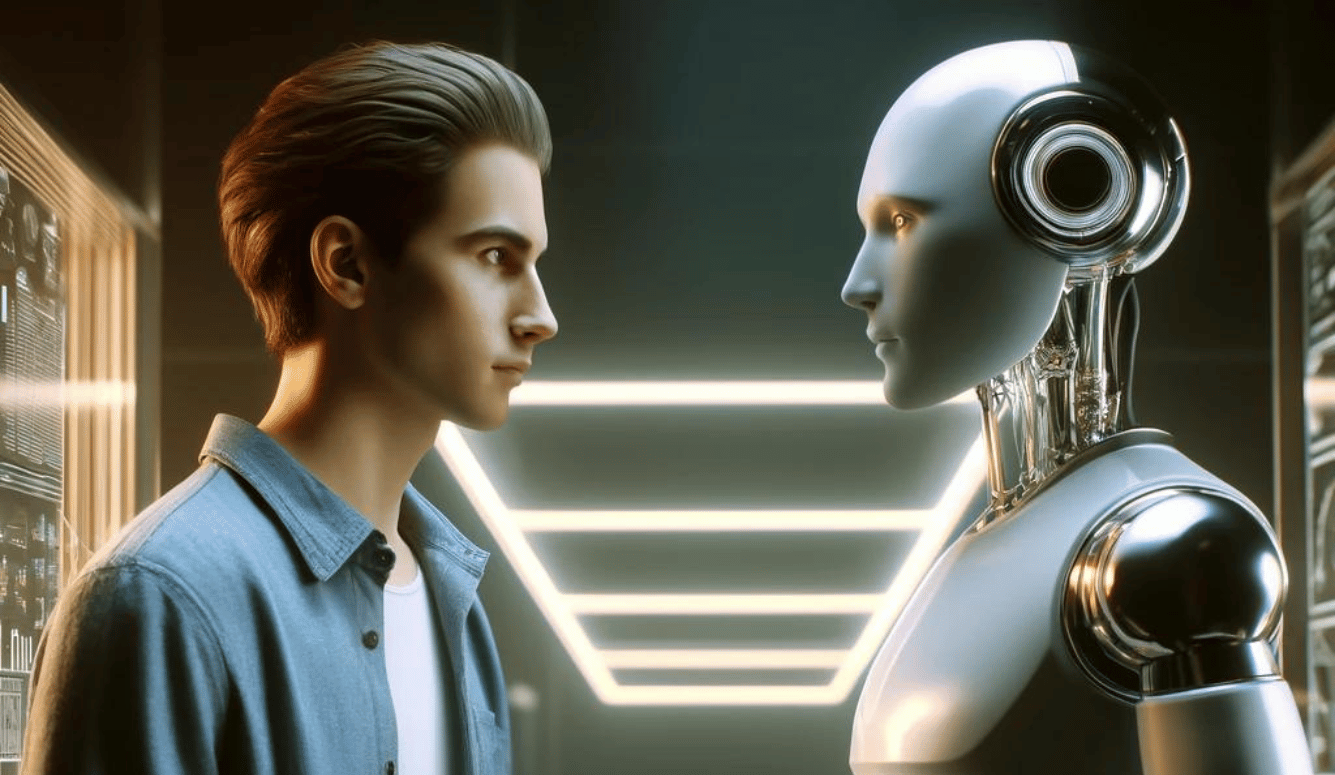
We hear much talk of “aligning AI with human values” but relatively little delineation of what these values are.

Just because we can imagine something terrible happening, that does not mean it will happen.

This cock-up was not caused by a bug that went unnoticed; it was deliberately engineered.
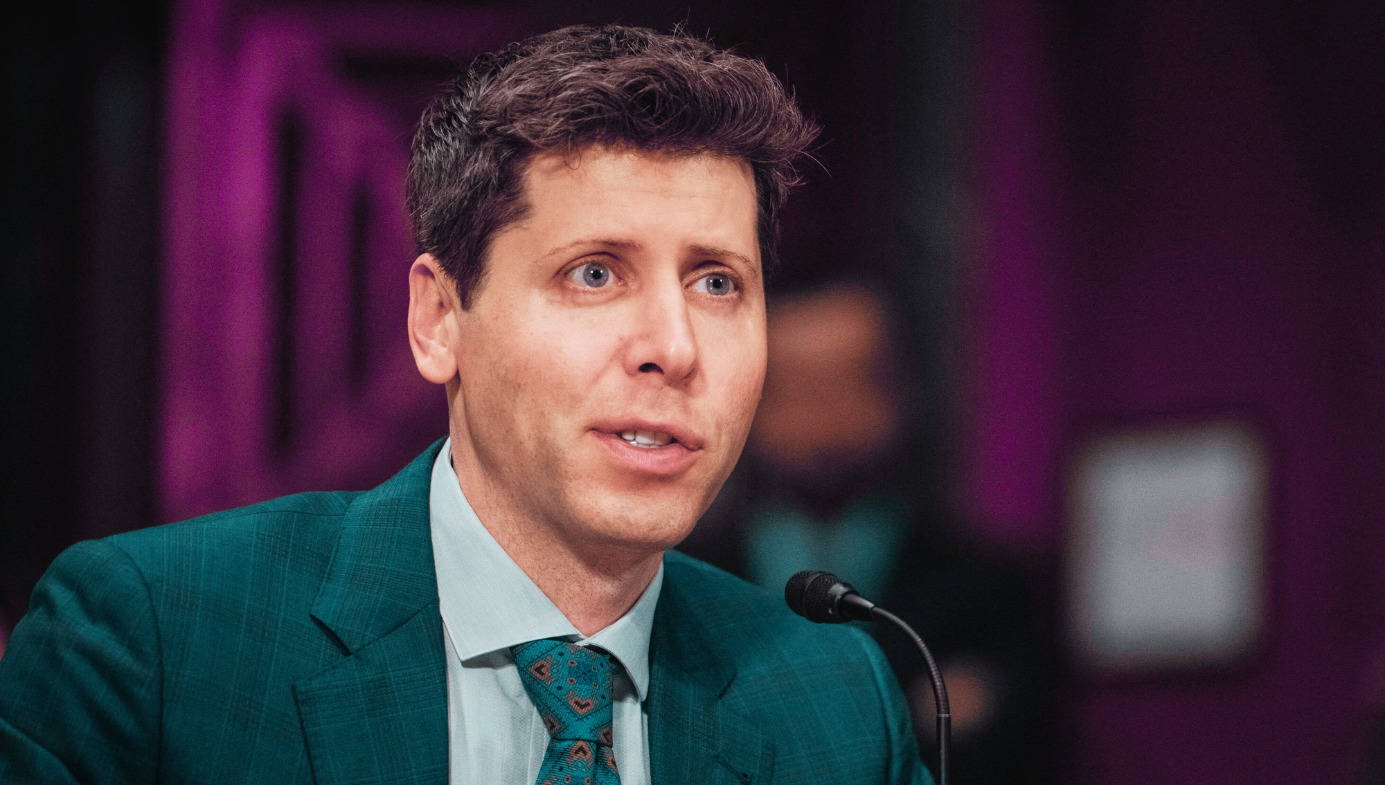
Explaining the “accel/decel” split at the heart of the OpenAI power struggle.
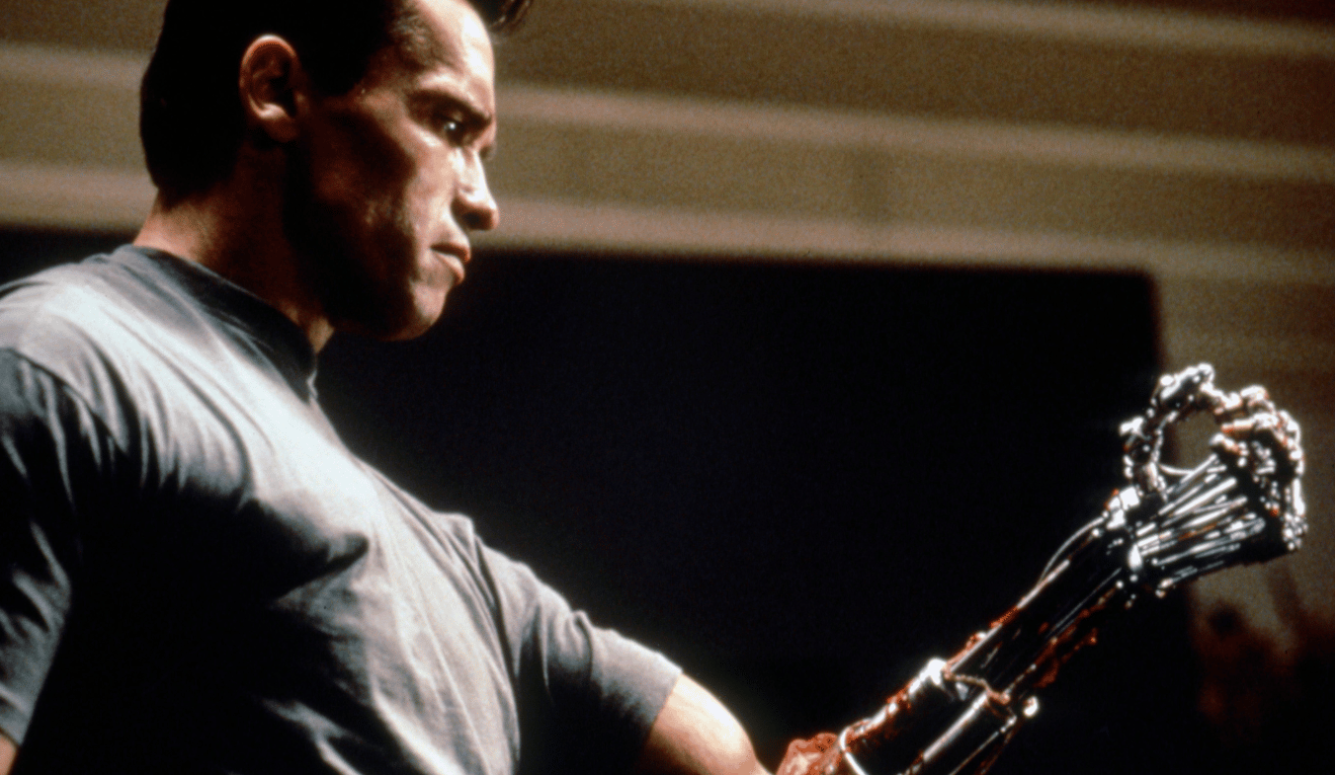
Human beings need meaning, and a life in which all one’s needs were met by external agents would fail to provide it.

There is a new contender for the most effective weapon in the propaganda wars: photorealistic, generative AI art.
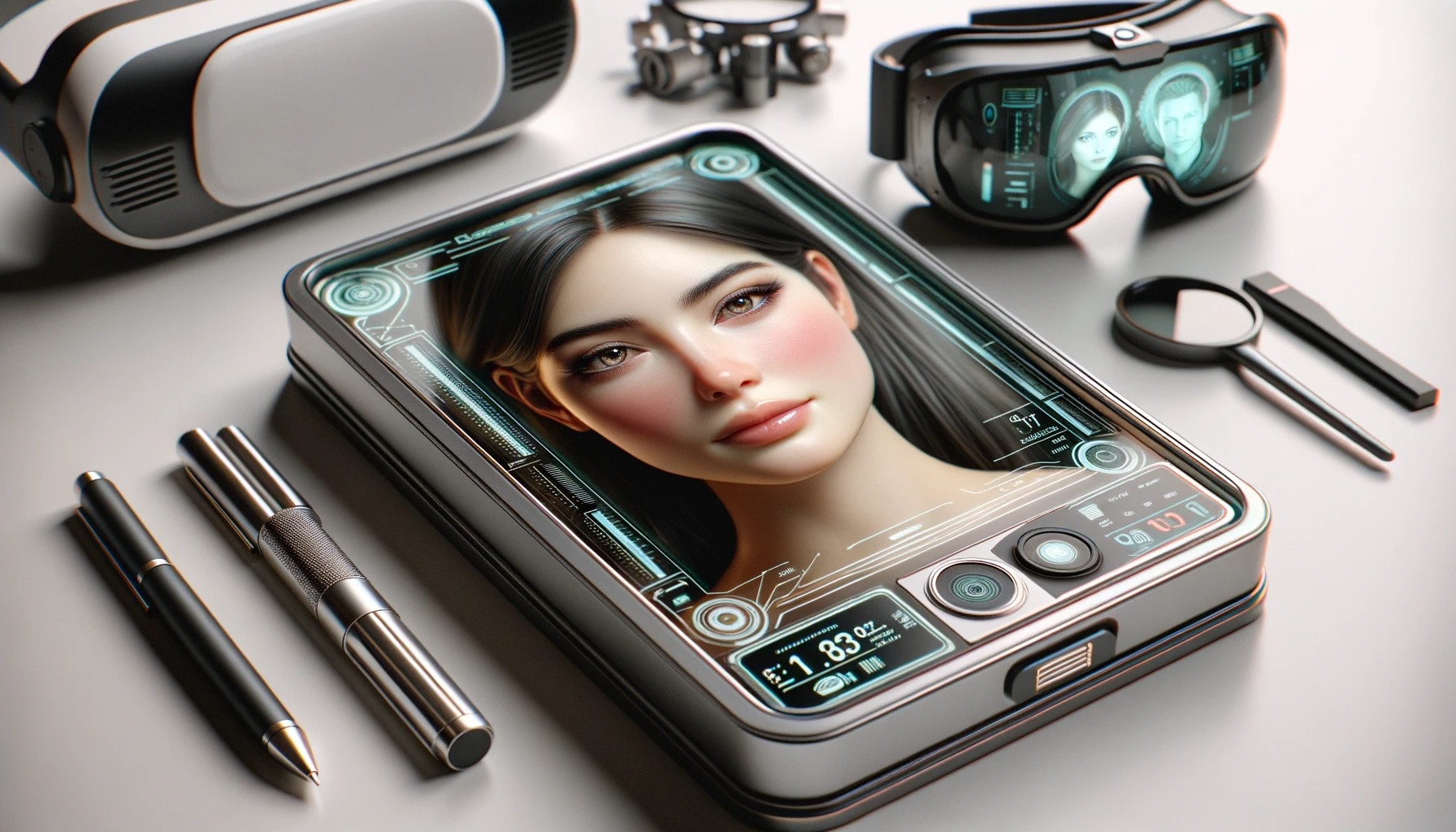
An interview with evolutionary biologist Rob Brooks about the positive aspects of AI lovers.

On the 85th anniversary of his death, a look back at the legacy of Nikolai Kondratiev and its implications for the coming age of GenAI.