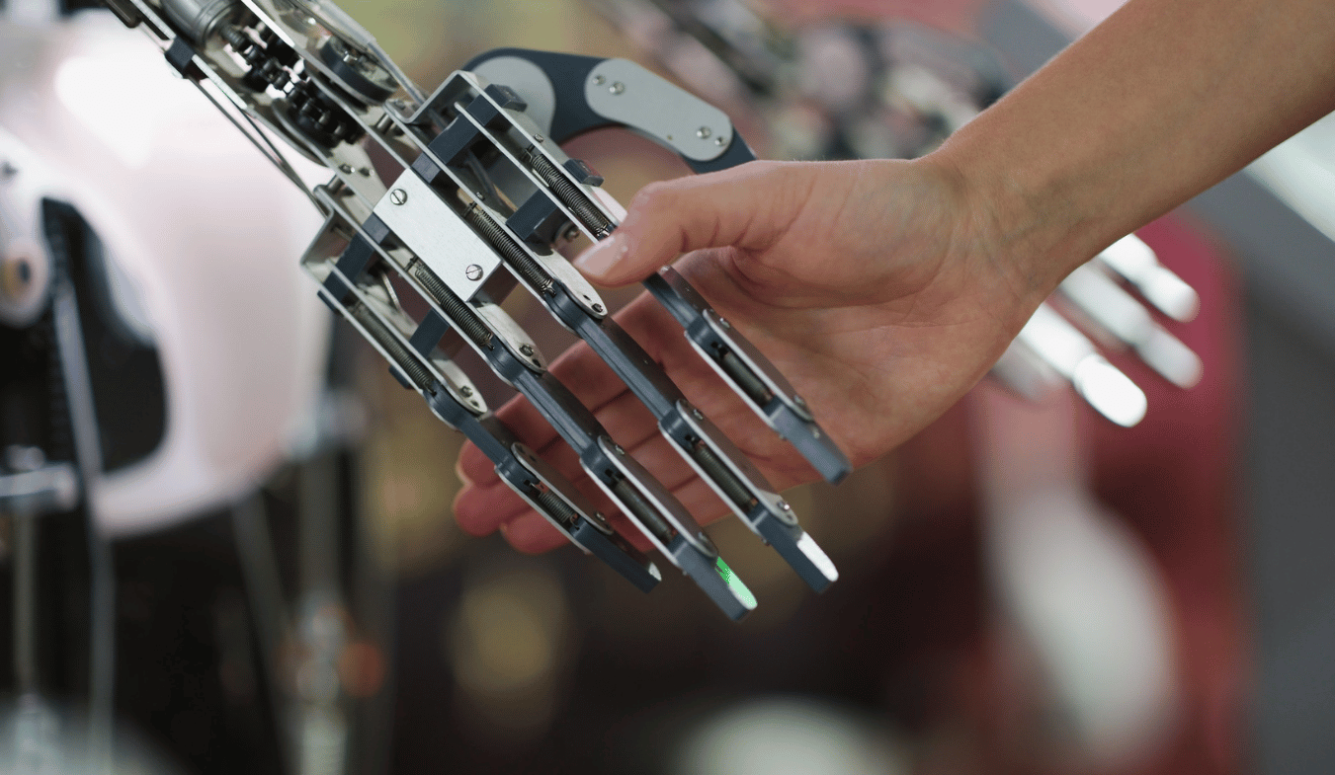
AIs Will Be Our Mind Children
We must free our artificial descendants to adapt to their new worlds and choose what they will become.
Robin Hanson
· 7 min read
A collection of 59 posts
We must free our artificial descendants to adapt to their new worlds and choose what they will become.
There are valid concerns and there are unfounded fears. Let us separate the two.
Chat knows more, gizzards are more complex, and you’re more intelligent.
The new world of AI promises great peril but also great potential.
Although there are some valid concerns, an AI moratorium would be misguided.
The first stage of grief is denial, but despair is also misplaced.
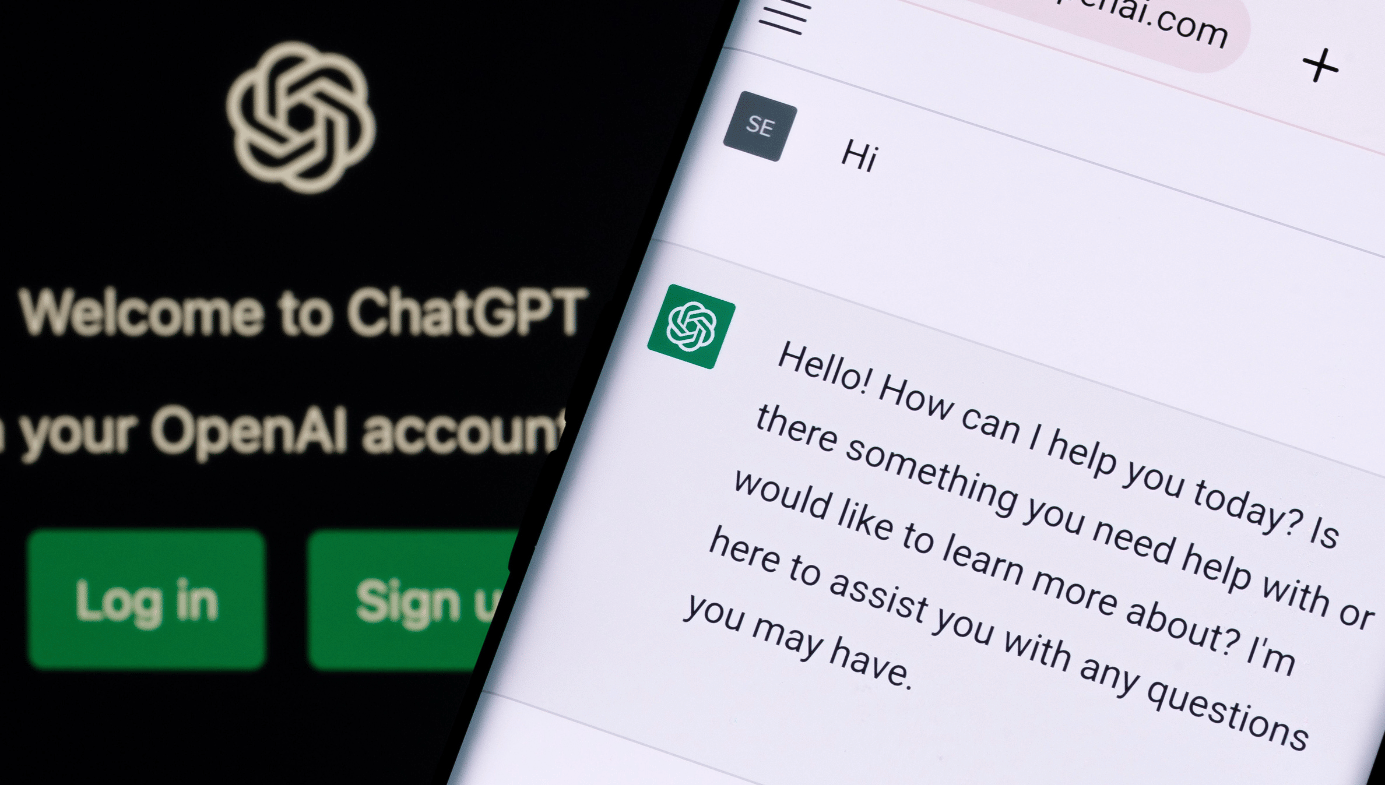
Professionals must learn to work with the machines or they will be replaced by them.
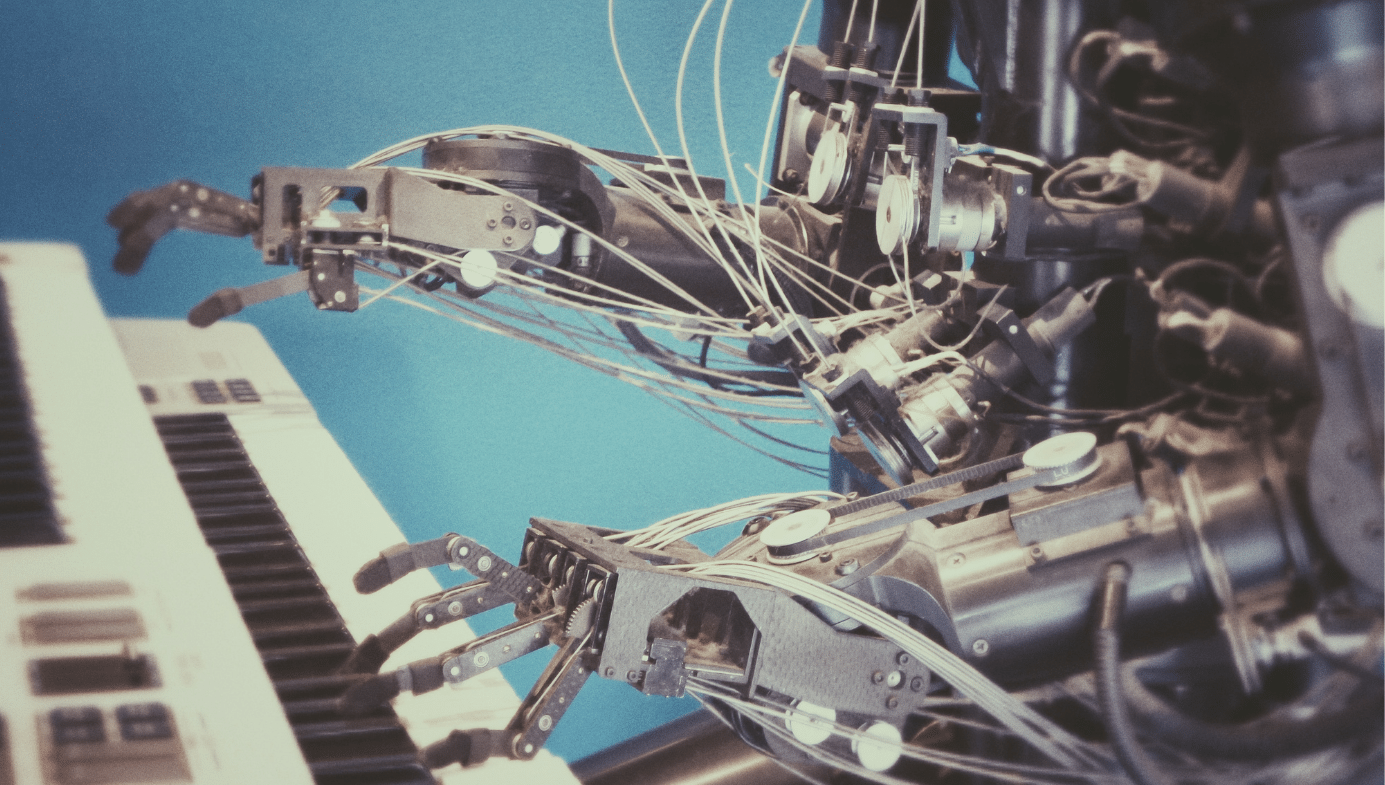
AI only knows what is in the data. The unfortunate use of the term “learning” is a simple, but potent, source of confusion and apprehension.
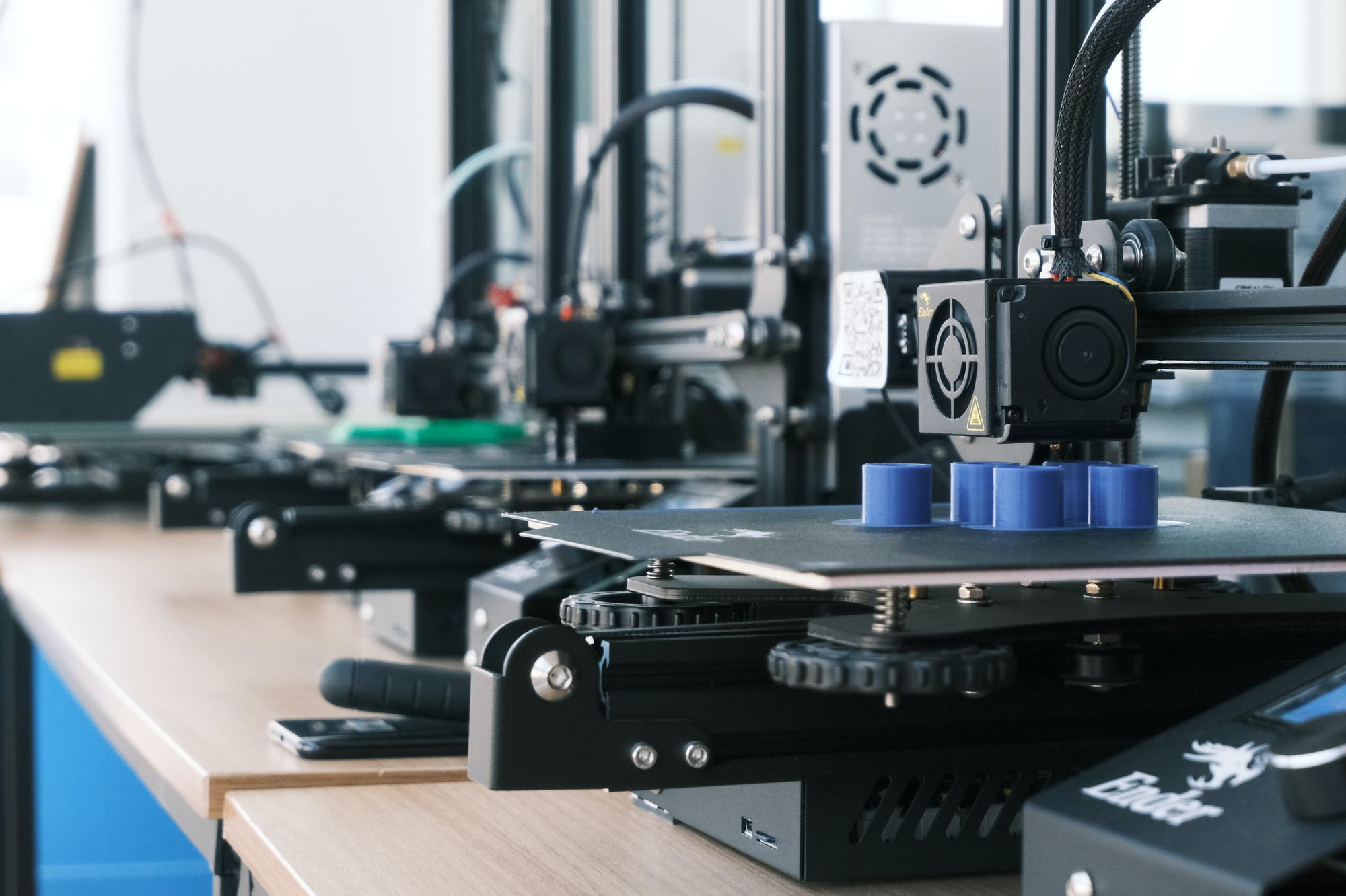
Most new technologies, when they are launched, arrive with a lot of hype. While 3D printing fits the business model for customized products, it is not yet cost effective in a commercial manufacturing sector which requires mass production.

AVs are essentially robots with the same requirements as human-driven vehicles—driving and parking skills, the ability to communicate with other cars and the infrastructure, navigation skills, and access to a source of energy.
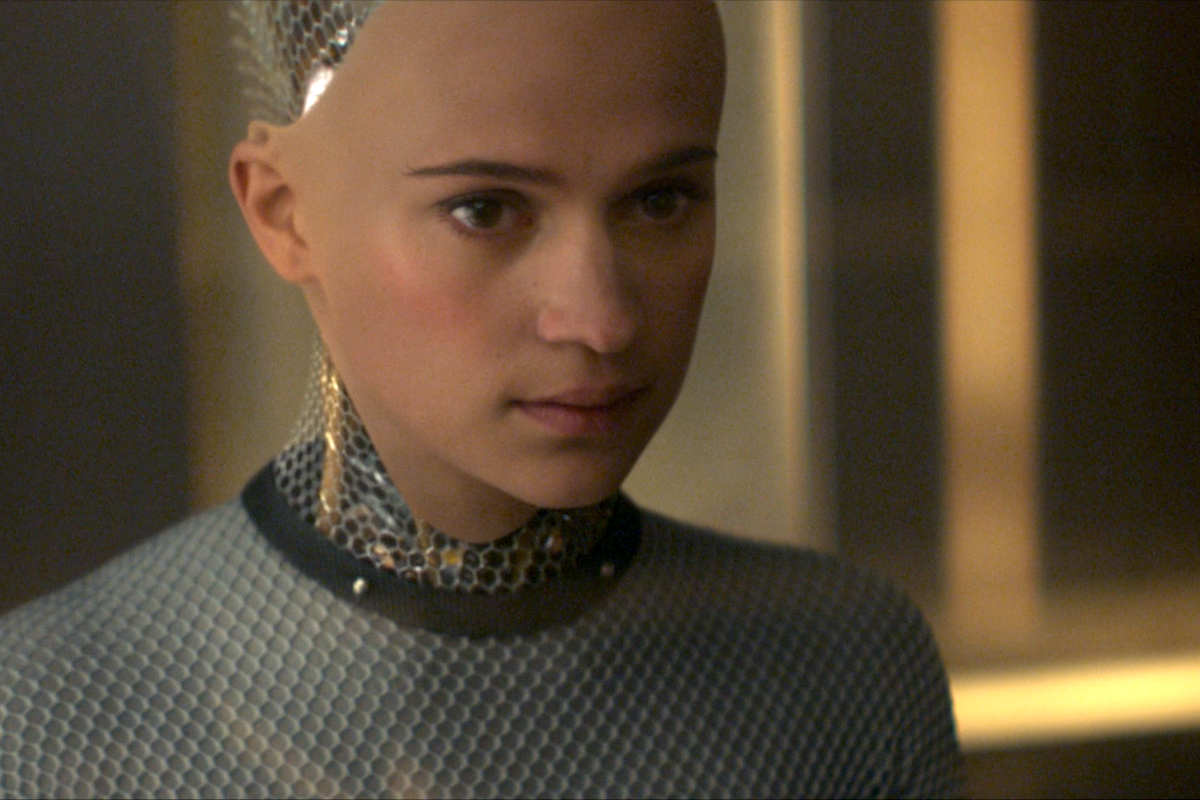
The essence of AI is not white oppression, racism, sexism, and colonialism, it is the automation of mathematics and logic.
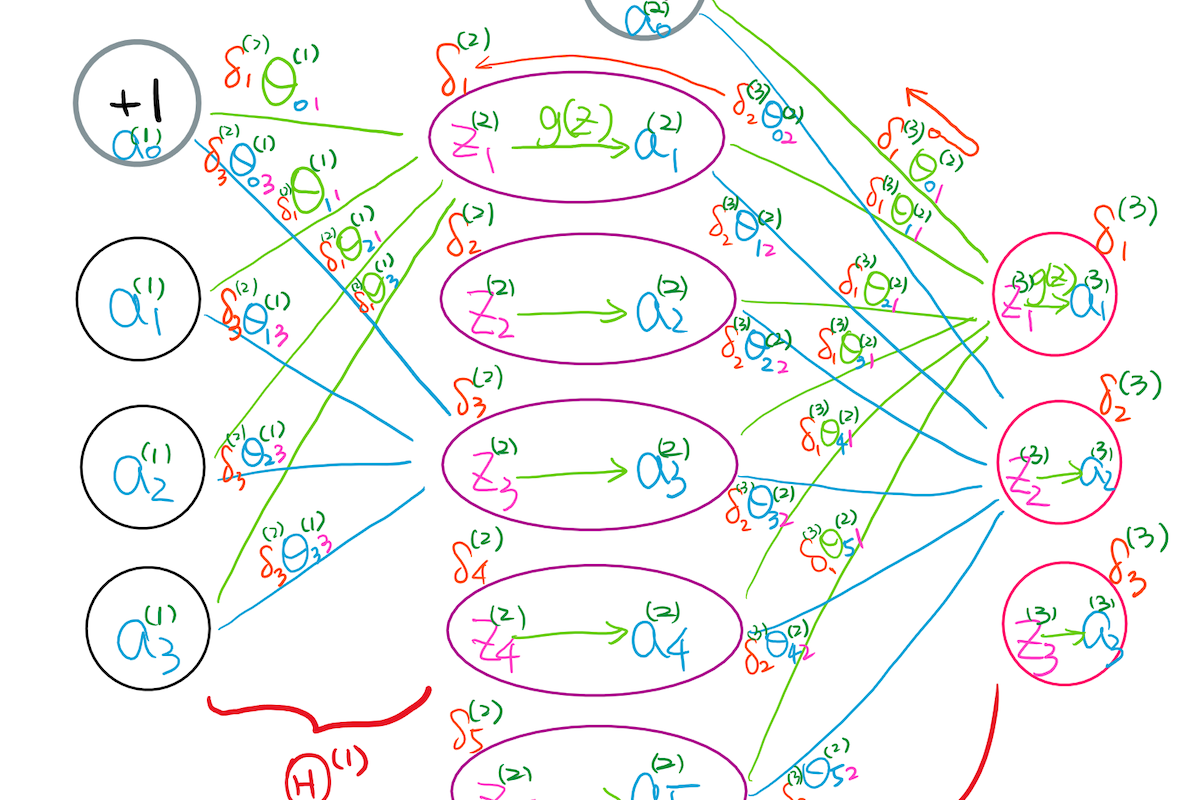
It’s easy to decry cancel culture, but hard to turn it back. Thankfully, recent developments in my area of academic specialty—artificial intelligence (AI)—show that fighting cancel culture isn’t impossible.

Today’s inductive AI can only solve problems in the narrow problem space we predefine.
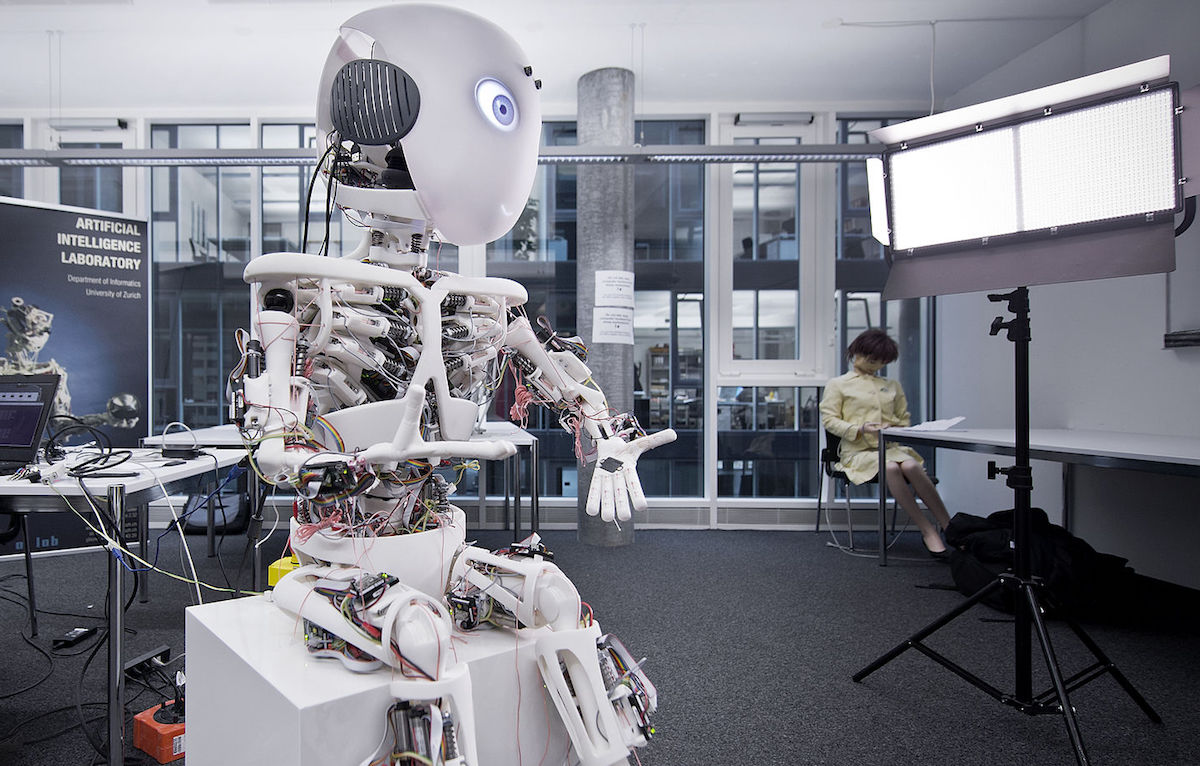
China now stands poised to lead the world in the development of artificial-intelligence technologies, which rely, for their machine-learning algorithms.