Is Surging Hate Crime in the UK Overcooked?
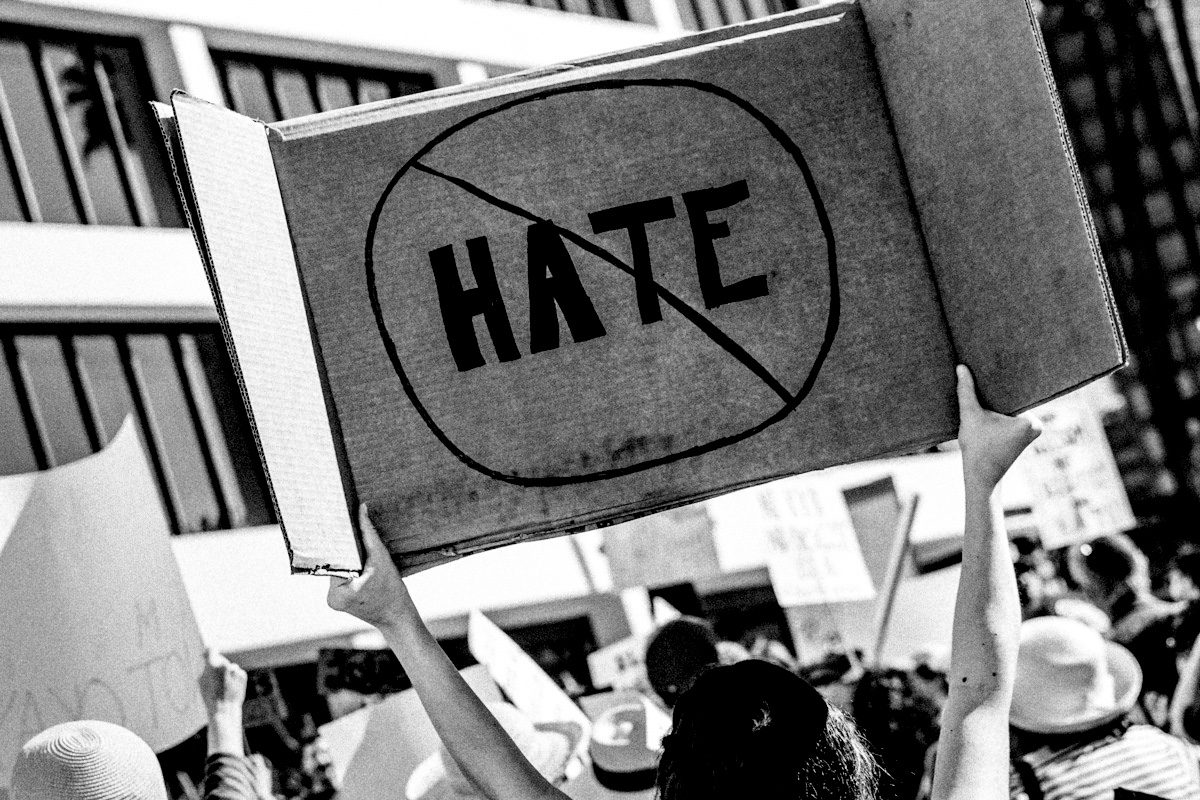
Hate crime now appears as a political crime, an outrage against social justice. There is a good case for saying that actual incidents of genuine hate crime should be seen in this way.


Hate crime now appears as a political crime, an outrage against social justice. There is a good case for saying that actual incidents of genuine hate crime should be seen in this way.
In a vein similar to Orwell’s lexicology of apologetics, criminological theory may help inform an understanding of how speech is used in defense of the indefensible at another level of analysis—that of rhetorical strategies.
But that’s the thing about freedom of speech: you tend not to notice it being curtailed until it’s your speech that’s being restricted.
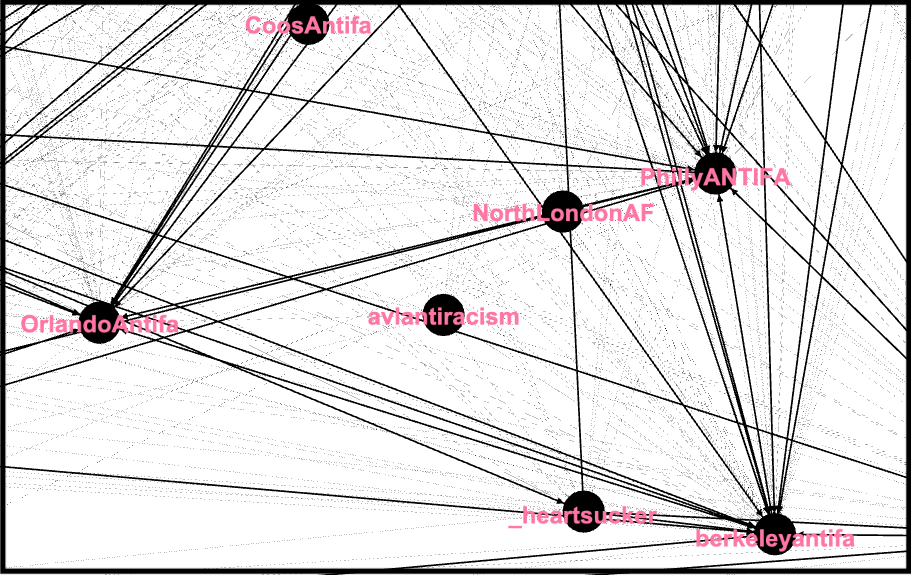
Antifa movements have sprung up in a variety of countries, often opposing Nazis and Nazi sympathizers while also promoting general far-left politics of the Marxist and communist variety.
The Antifa thugs who attacked Quillette editor and photojournalist Andy Ngo in Portland yesterday did not quite manage to crack his skull.
The ethical shortcomings of the 1969 Cornell student rebellion, which appear so glaring today, were anything but clear to us radical activists at the time.
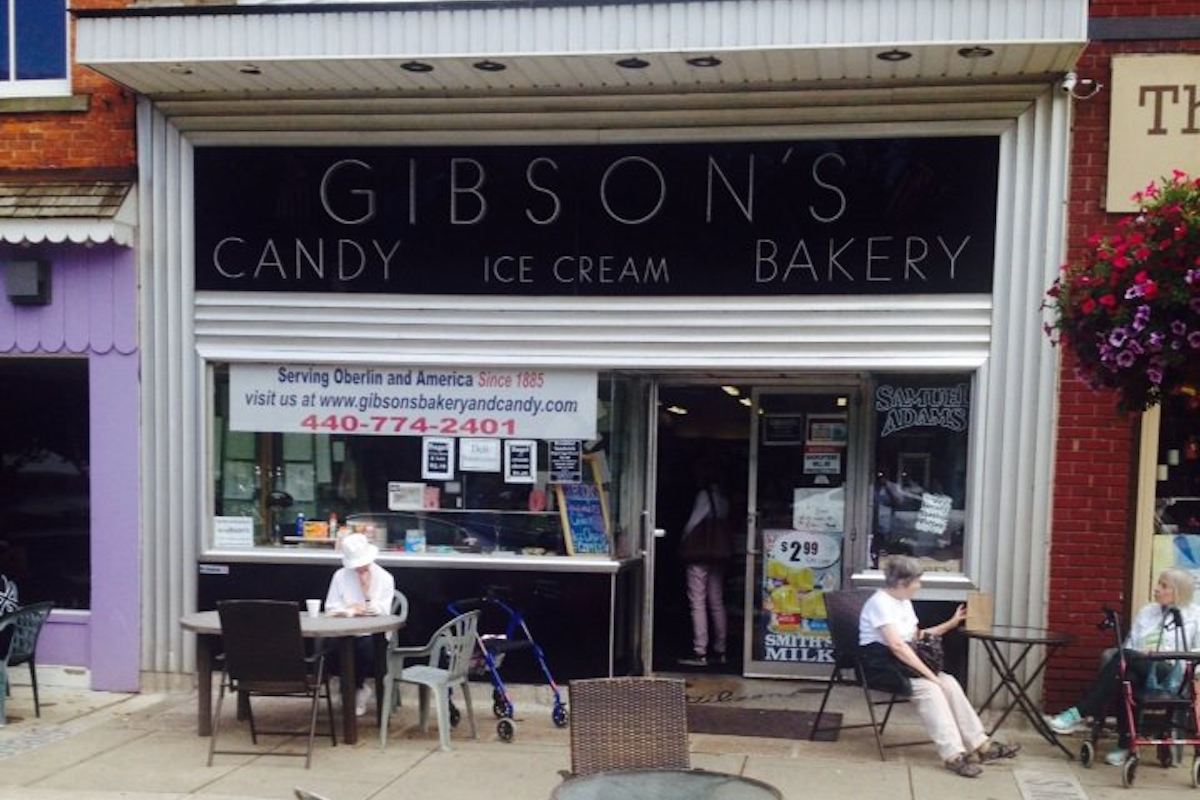
The recently concluded libel trial involving Oberlin College offered a demonstration of this phenomenon on the part of both the defendants and much of the media covering the case.
Dr Phyllis Chesler has never been afraid to be unpopular.
Essays attacking the left- or right-wing bias of this or that media outlet are, of course, old hat in my business.
They threaten the businesses and livelihoods and professional reputations of good people struggling to navigate a dense web of ideological trip-wires.
It is naïve to imagine that female voters will necessarily support feminist goals, even when they would benefit from them. Feminists have known this for a long time.
The intellectual dishonesty and disreputable methods used by these journalists are as bad as the behavior they aim to cure.