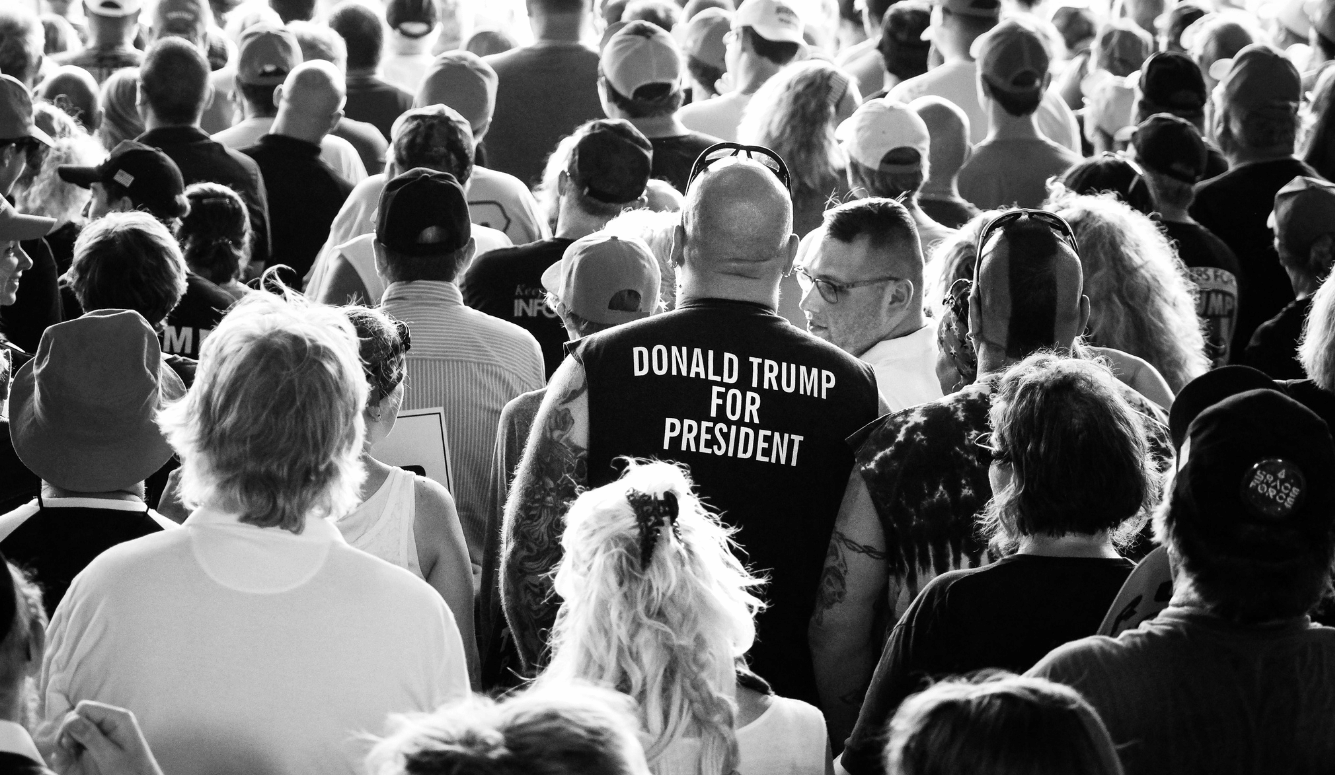
Hearts of Darkness
Laura K. Field’s smart new book takes a critical look at MAGA’s Ivy League intellectuals.
George Case
· 8 min read
Laura K. Field’s smart new book takes a critical look at MAGA’s Ivy League intellectuals.

An interview with Dr Shmuel Bar.
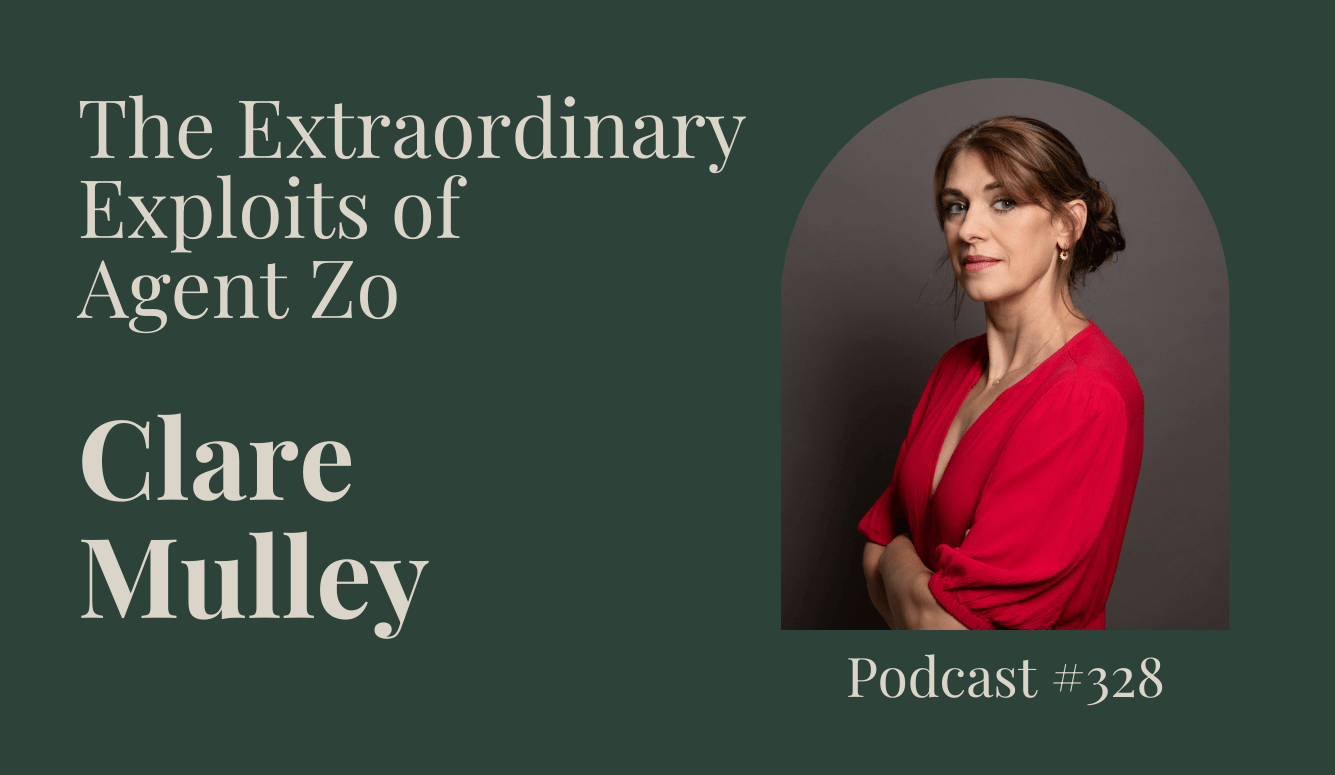
Iona Italia talks to historian Clare Mulley about her biography of Polish war heroine Elżbieta Zawacka, aka Agent Zo.
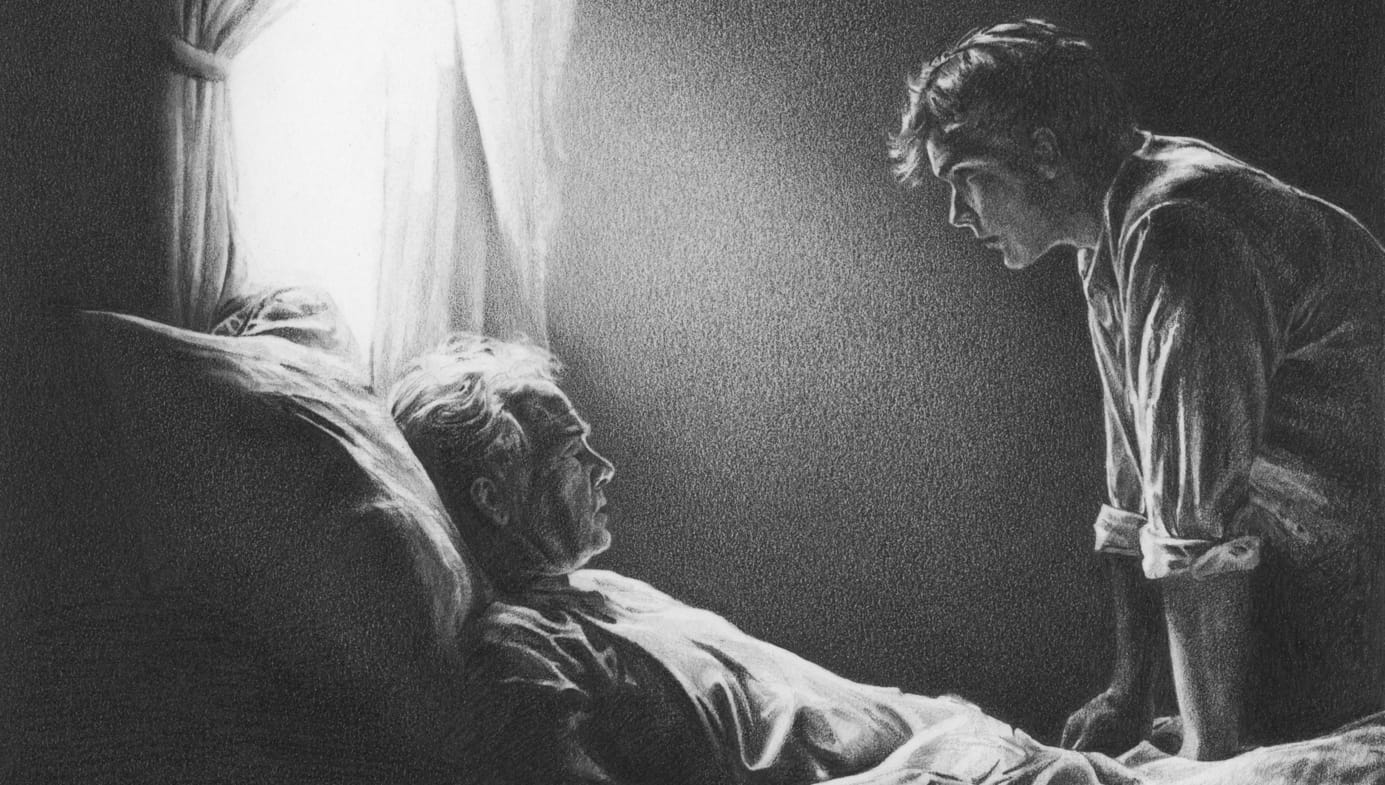
Why art and science serve different ends.

Australia has long been considered politically stable compared with Europe and the United States. But according to political scientist Eric Kaufmann, that period of “Australian exceptionalism” may be coming to an end.
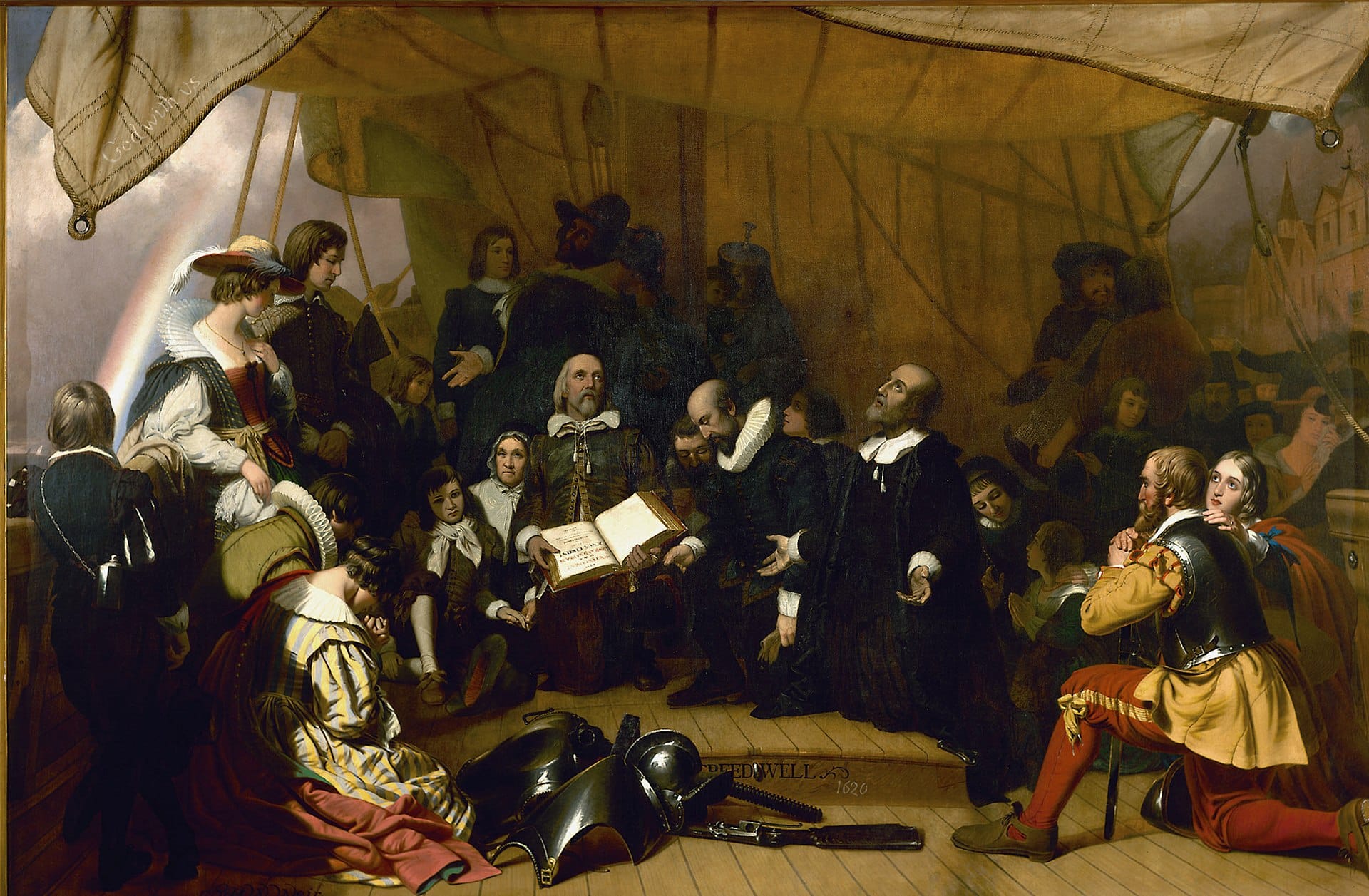
Why Germans fear American religion, and what this reveals about Europe.
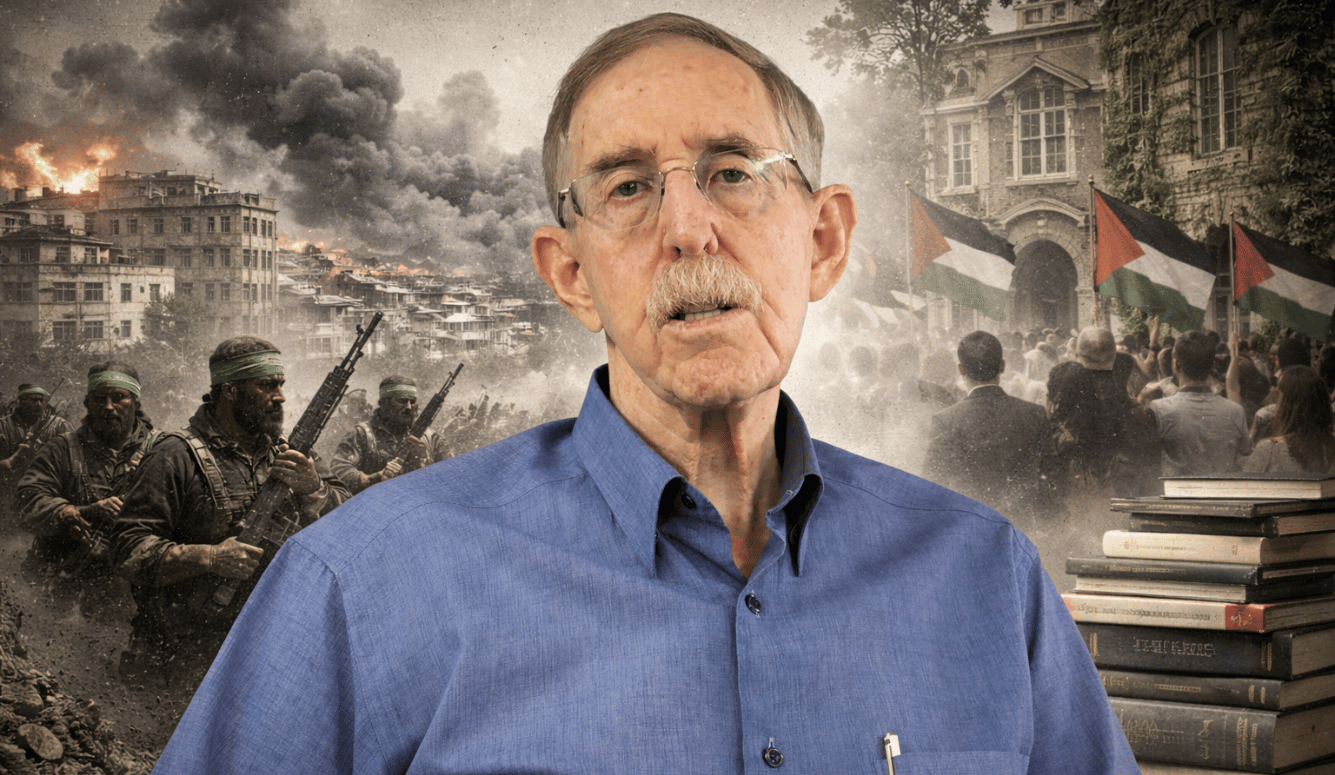
Israel faces not a solvable conflict but a permanent condition—one requiring deterrence, “violent maintenance,” and historic patience—while confronting both regional enemies and a cultural battle in the West.

How we learned to reason poorly with accurate data.
Too often, the UN’s valuable field work is overshadowed by cynical political posturing. As a result, collecting annual dues from member states has become more difficult.
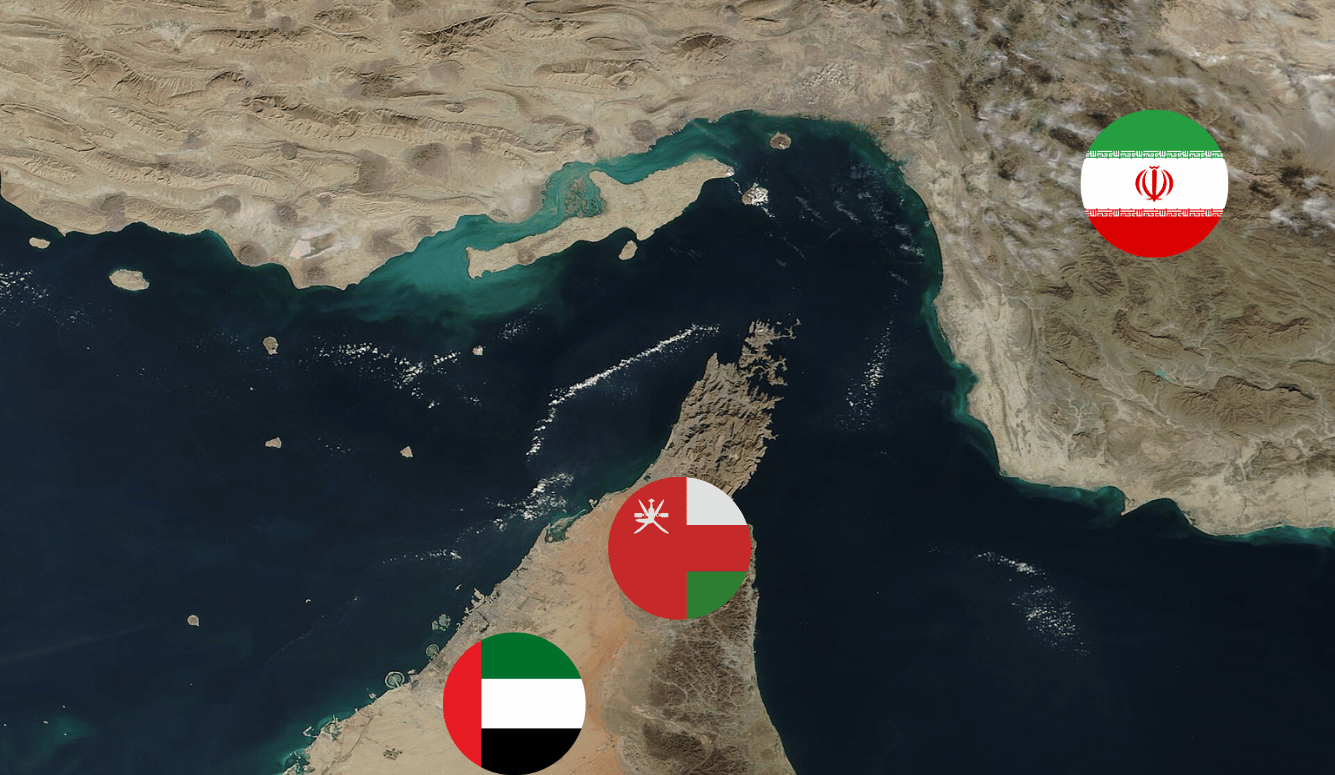
The war with Iran is reshaping the entire Middle East from the Gulf States to Lebanon with surprising speed.
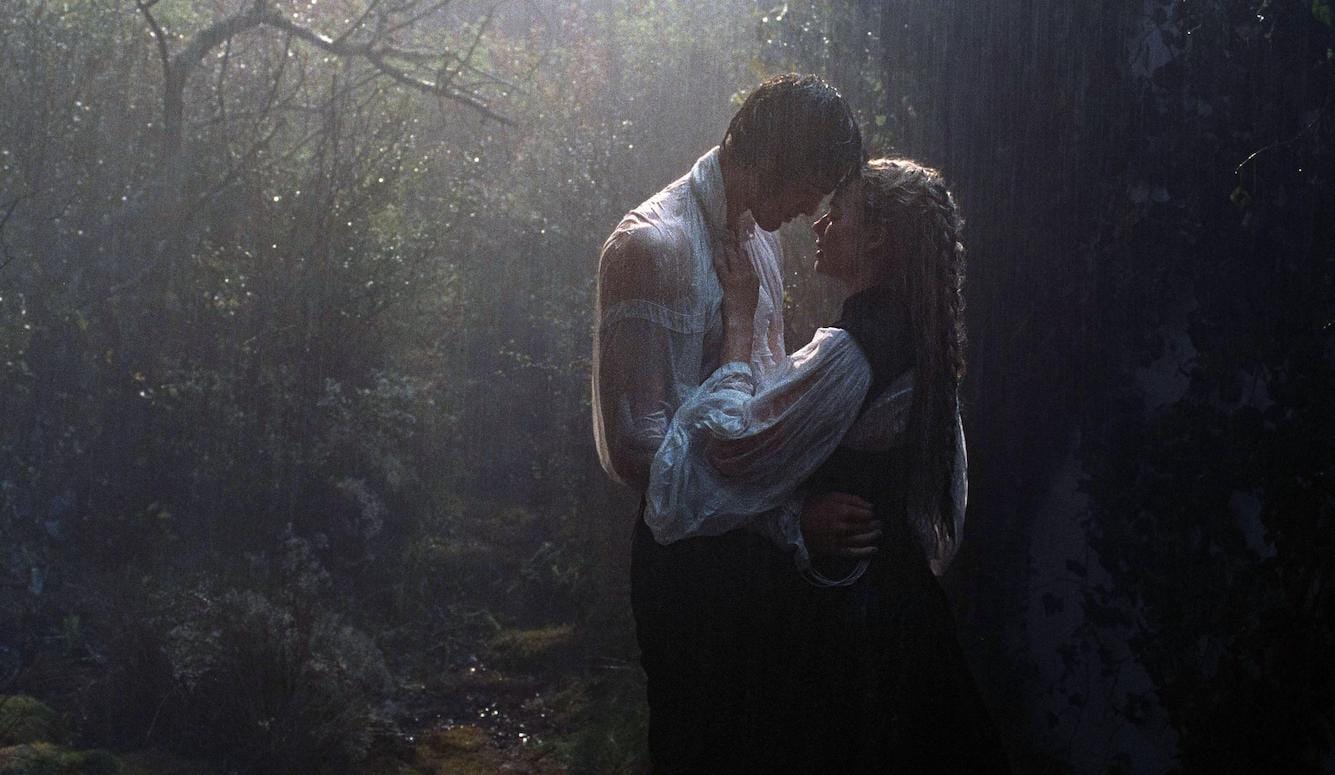
Emerald Fennell’s misbegotten adaptation of ‘Wuthering Heights’ destroys the very structure of Emily Brontë’s classic story.
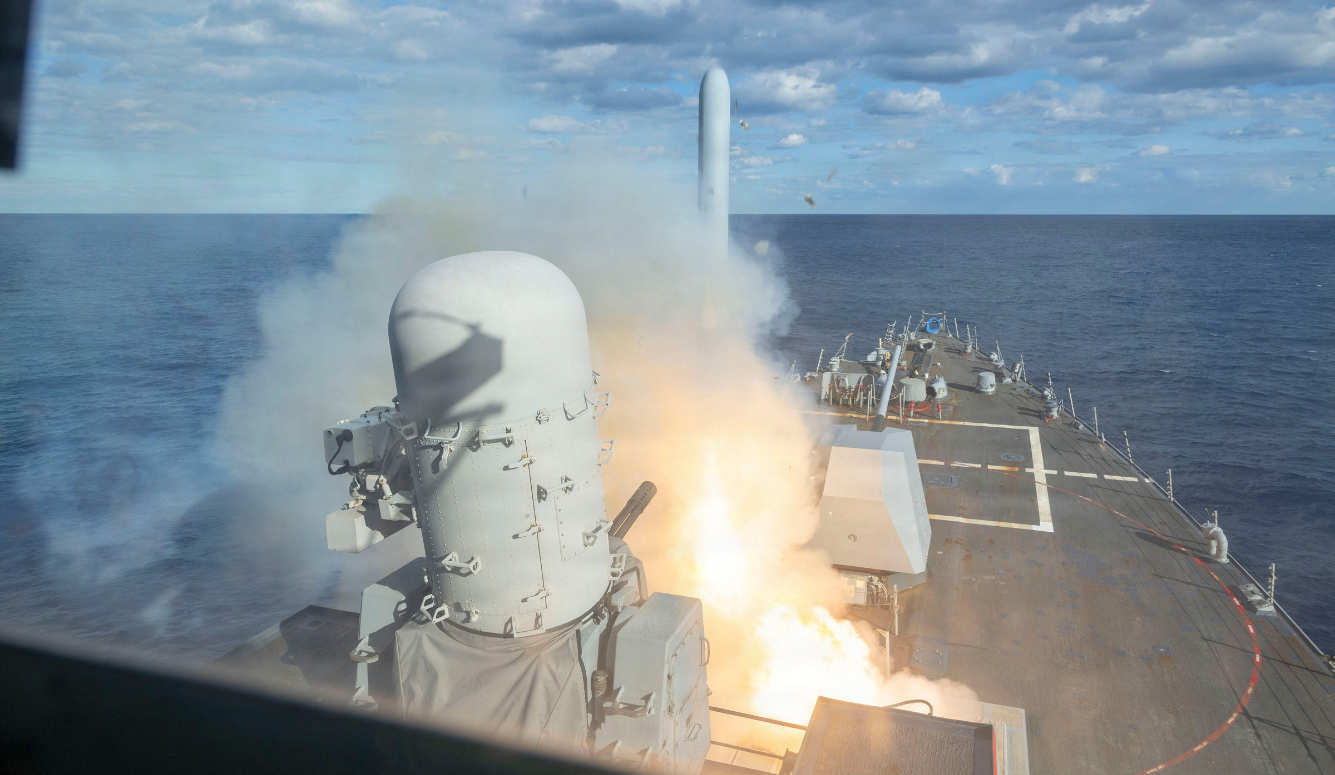
Operation Epic Fury is not just about Iran.
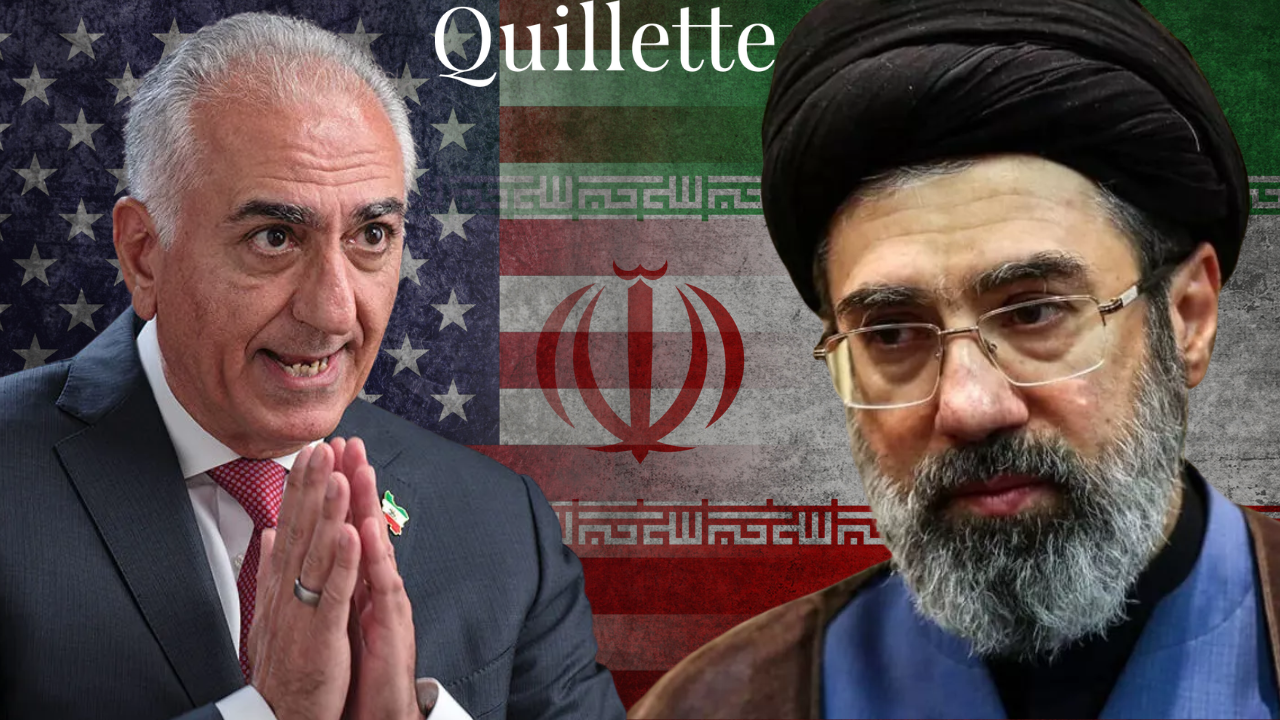
Quillette podcast host Jonathan Kay speaks with Iranian-Canadian human-rights activist Kaveh Shahrooz about whether Reza Pahlavi, the eldest son of the last Shah of Iran, might rise to power as a new Prince of Persia.

Elon Musk should remain focused on Mars; diverting to the Moon would be a mistake.

The Supreme Court has just invalidated Trump’s tariff agenda. But the economics were already doing that.