
The State of Grace
When an anti-Zionist worldview collides with the principle of “believe all women,” it is the principle that gives way.
Juliet Moses
· 6 min read
When an anti-Zionist worldview collides with the principle of “believe all women,” it is the principle that gives way.
Friday 13 March – Friday 20 March

Behnam Ben Taleblu discusses the history of Iran’s Islamic Republic, the evolution of protest movements, and the geopolitical stakes of the current conflict.
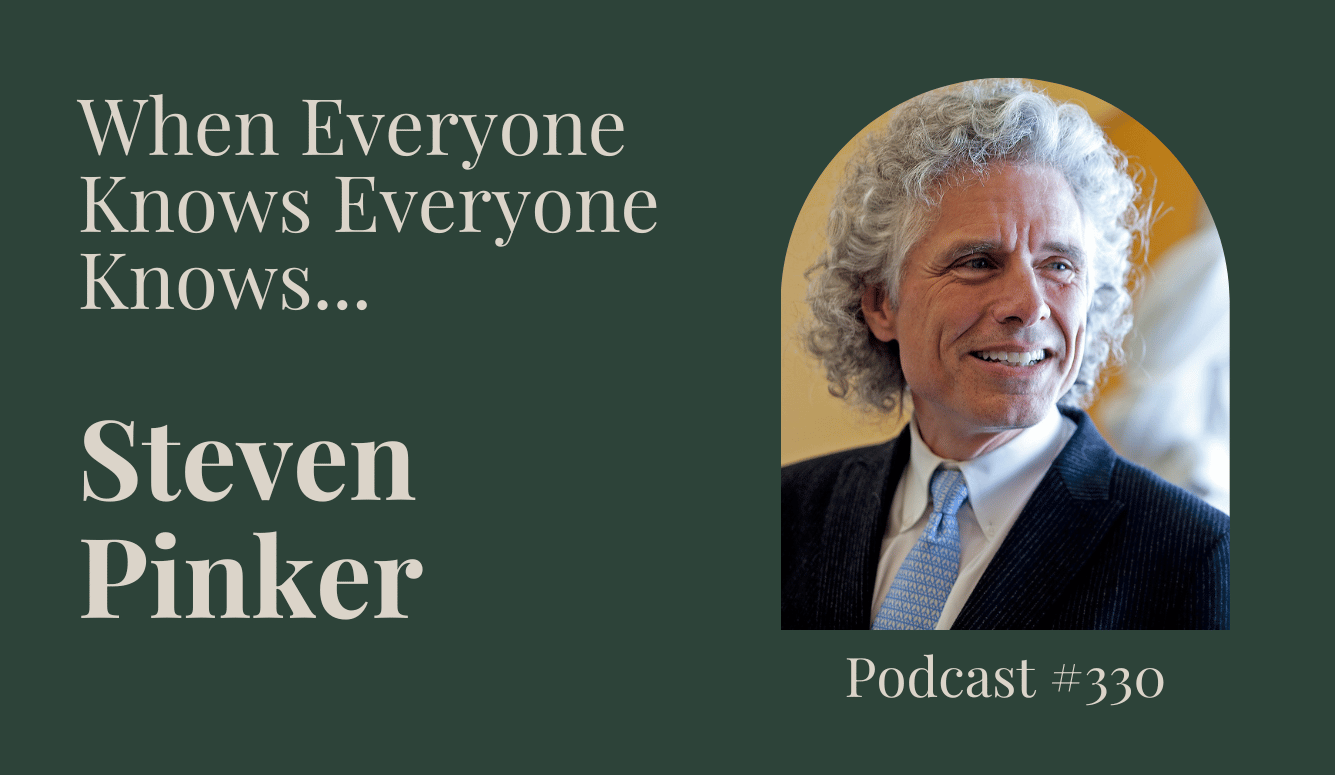
Iona Italia talks to cognitive psychologist and linguist Steven Pinker about his new book on Common Knowledge and the Mysteries of Money, Power, and Everyday Life.

How Argentina became a front in Iran’s war against the Jews.

‘Avatar: Fire and Ash’ is a Rousseau-esque oikophobic fantasy of evil humans and noble savage aliens.
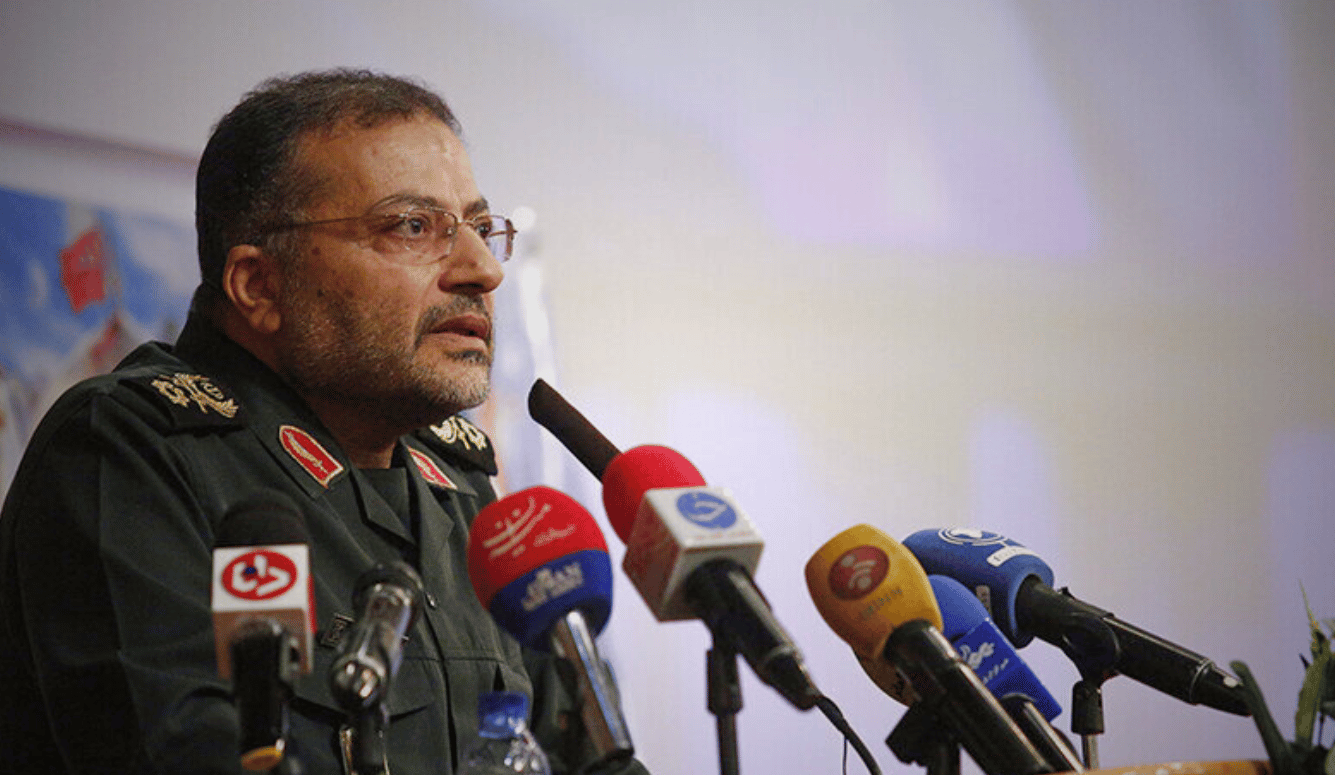
After nineteen days of war, Israel and America face a grinding conflict with Iran and Hezbollah, and there is no clear end in sight.

Southeast Asia in World War II, Part Three: Independence Movements under Japanese Occupation

Jason Zengerle’s new book about the degradation of a once-gifted writer and broadcaster also illustrates the downward trajectory of the entire news industry during the same period.
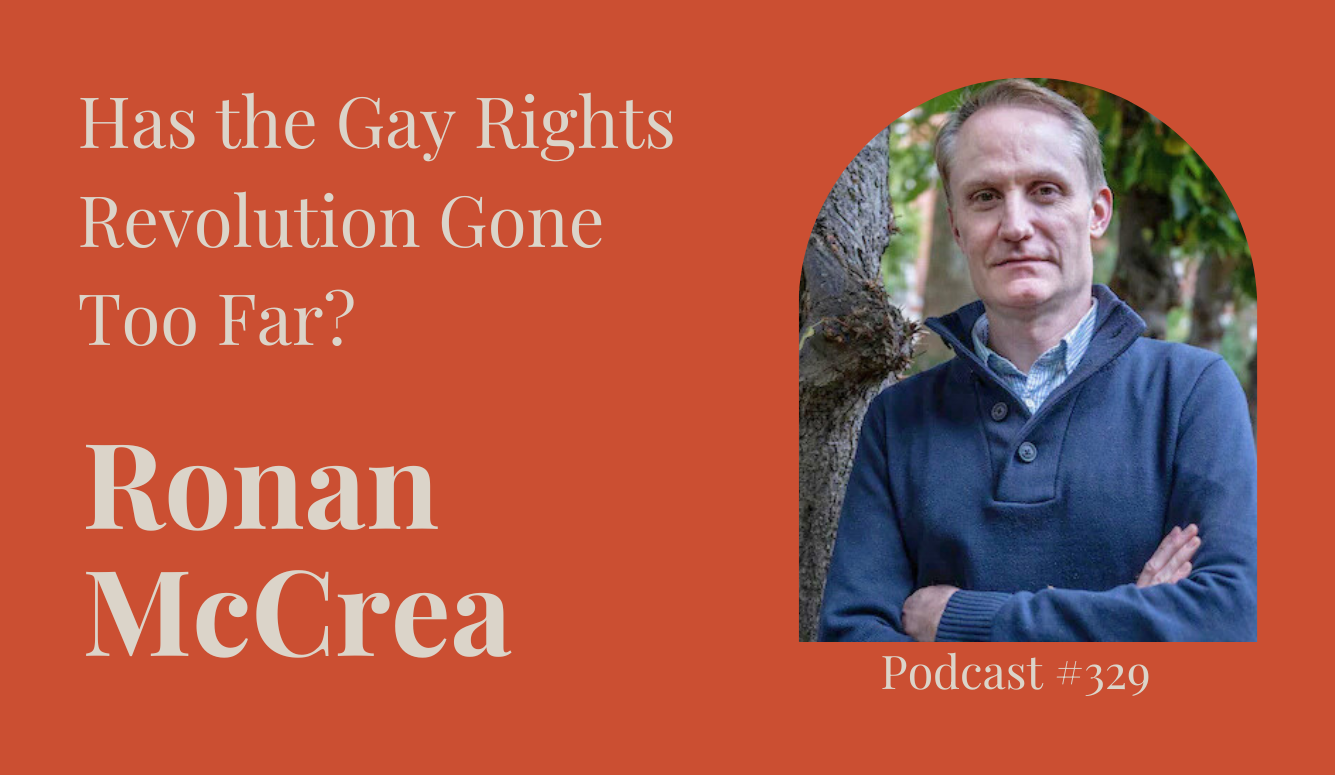
Jonathan Kay speaks with Ronan McCrea about his new book, ‘The End of the Gay Rights Revolution: How Hubris and Overreach Threaten Gay Freedom.’
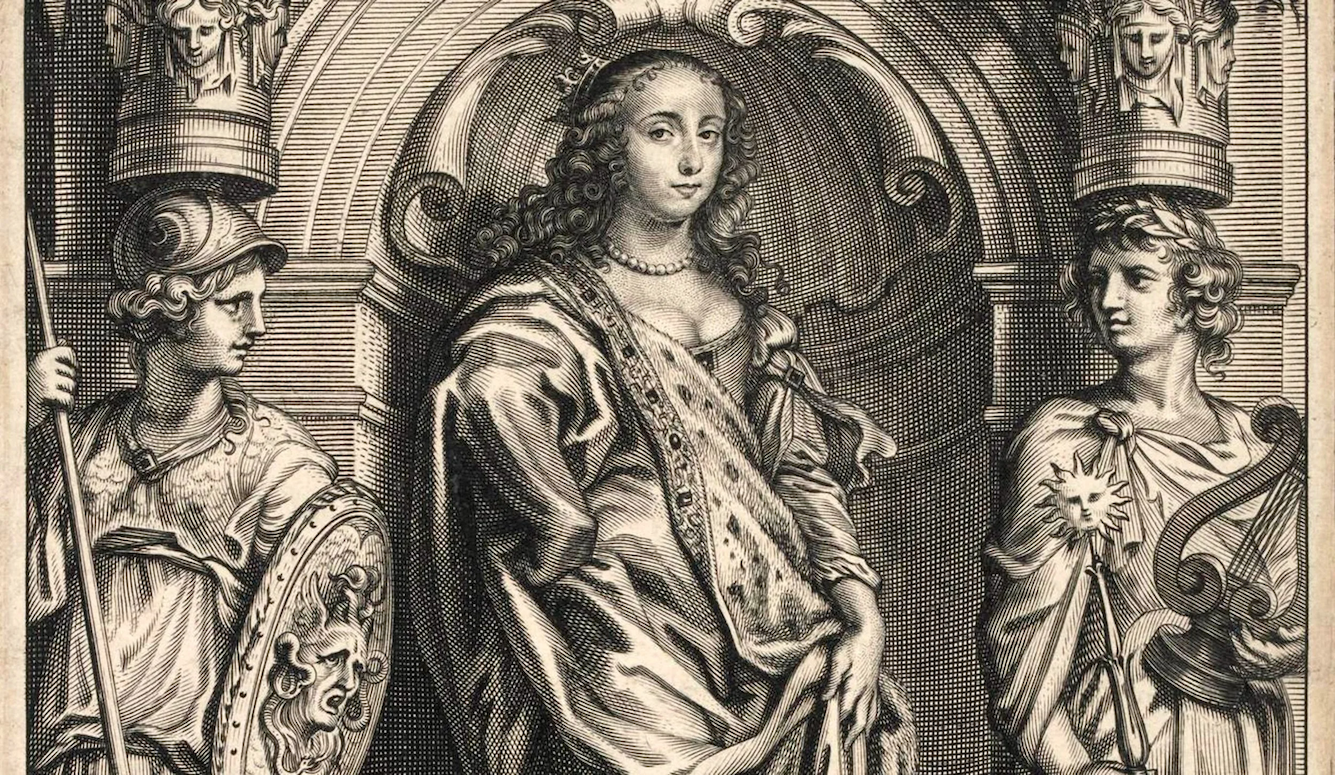
A new book by Elizabeth Scott-Baumann examines the female poets and literary critics who challenged seventeenth-century England’s male literary establishment.
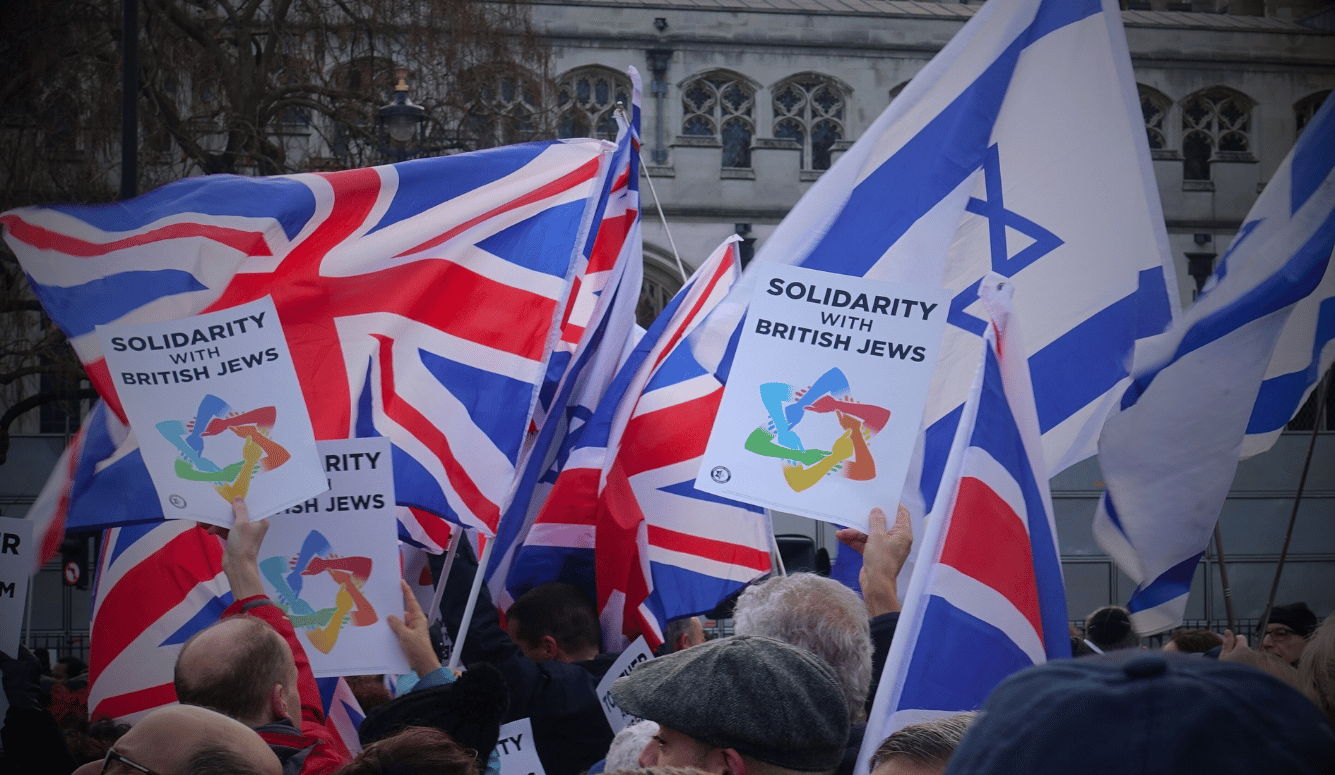
As Iranian agents surveil London’s Jewish communities and IRGC-backed plots multiply, Britain’s failure to proscribe the Iranian Revolutionary Guard Corps endangers UK citizens.

The foreign origins of Candace Owens and Tucker Carlson’s antisemitism.
Friday 6 March – Friday 13 March

The American debate about the campaign against the Islamic Republic of Iran.