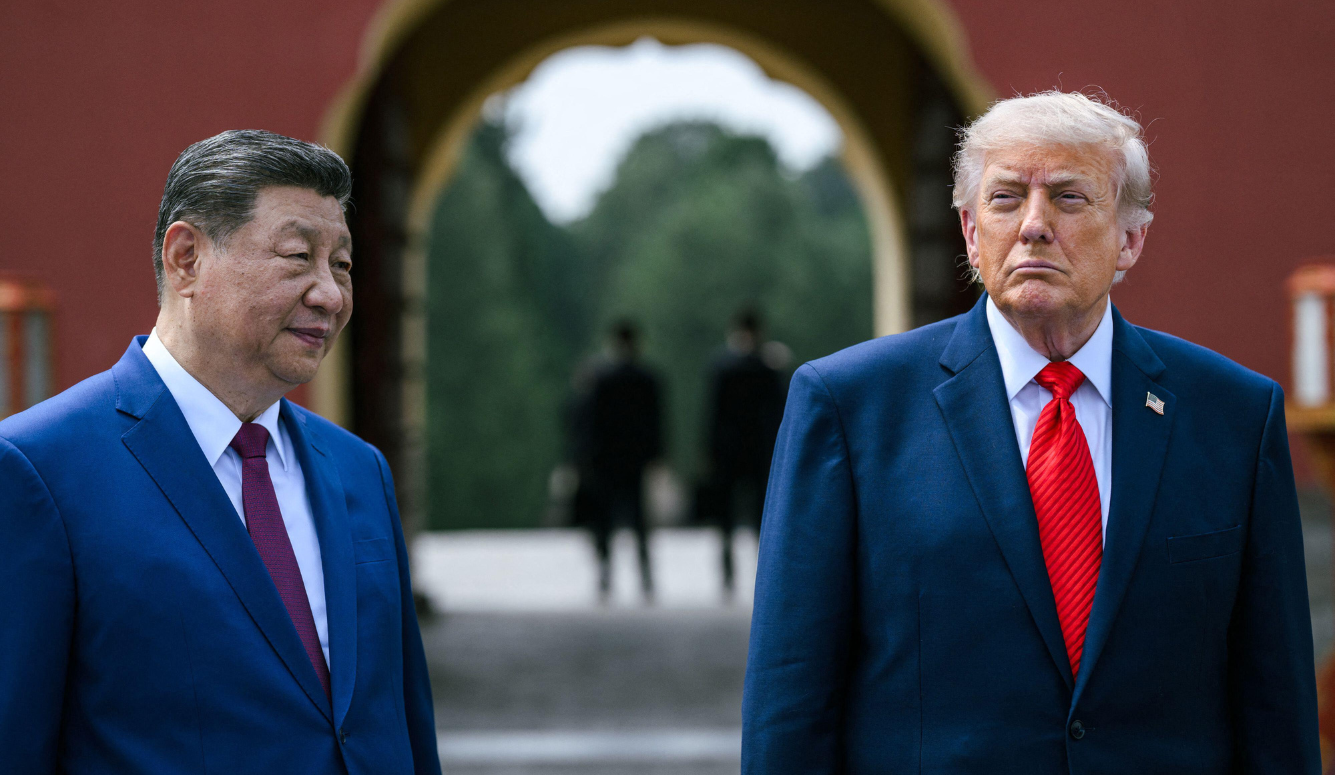

Media outlets were ablaze. It was, in the judgement of Thomas Friedman, “the most significant encounter between American and Chinese leaders since Richard Nixon met Mao Zedong in Beijing in 1972,” while the BBC declared that it could “set superpower relations for many years to come.” We must hope that these predictions fail. There were plenty of issues on the agenda at last week’s US-China summit, but the one that ended up dominating headlines cannot be allowed to establish a precedent. “I’m not looking to have [Taiwan] go independent,” said Donald Trump immediately after the meeting. “Taiwan would be very smart to cool it a little bit.”
WATCH IN FULL: President Donald J. Trump's interview with @BretBaier in Beijing pic.twitter.com/tCTPvZZayG
— Rapid Response 47 (@RapidResponse47) May 16, 2026
Leaving aside the fact that Taiwan is already independent, this was not the kind of statement we had heard before from a sitting US president. He seemed to have been rattled by whatever he was told in Beijing. We do know one particular detail from that conversation: Xi had asked directly if the United States would defend the island nation. This was also a first, and perhaps a sign that Xi thought he may get a candid answer, given Trump’s unorthodox approach to diplomacy.
However, Trump says he gave nothing away to his counterpart. He suggested that he could keep China at bay until the end of his term, at which point, things could start to look bleak: “I think [the CCP] might [invade], to be honest with you,” he told Bret Baier during their interview on Fox News. “I think all of those chip companies, if they’re smart, they’re going to be heading to Arizona.” Trump may have christened the summit a “fantastic success,” but that assessment hardly fits with his repetition of a narrative—the inevitability of unification and the hopelessness of resistance—that originated in Beijing.
Keep reading
How France Lost Control of Its Streets
How to Suppress Men’s Writing
Back to the Dark Ages

Prison or Peer Review

France’s Imaginary Austerity