PODCAST 90: John Lloyd on the Geopolitical Fall-Out From the Coronavirus Crisis
Listen onSpotify
Toby Young
· 1 min read
Listen onSpotify
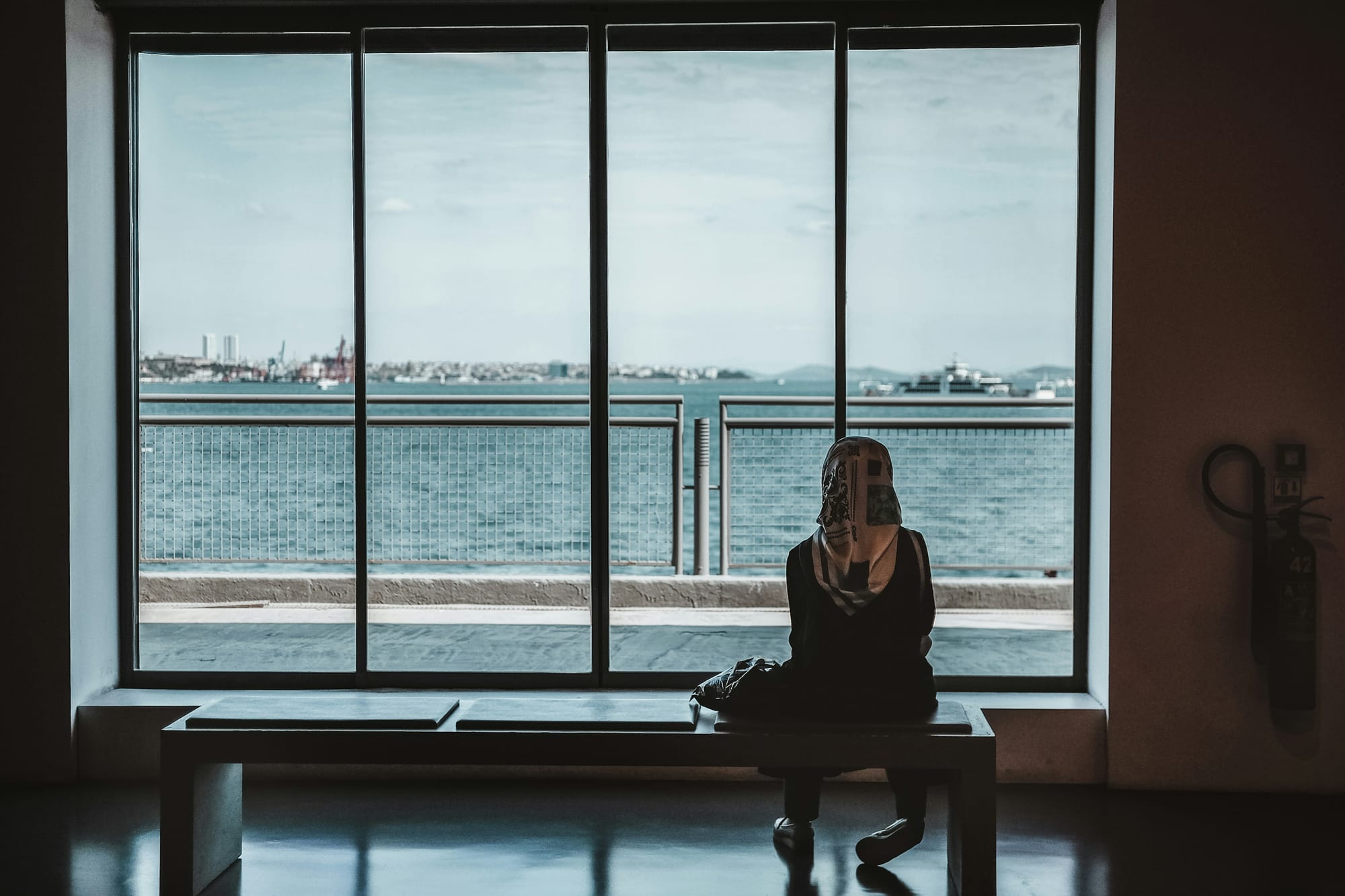
“It’s like the story of the boiling frog,” she says. “The water gets warmer and warmer and she always tells herself she can jump out any time."
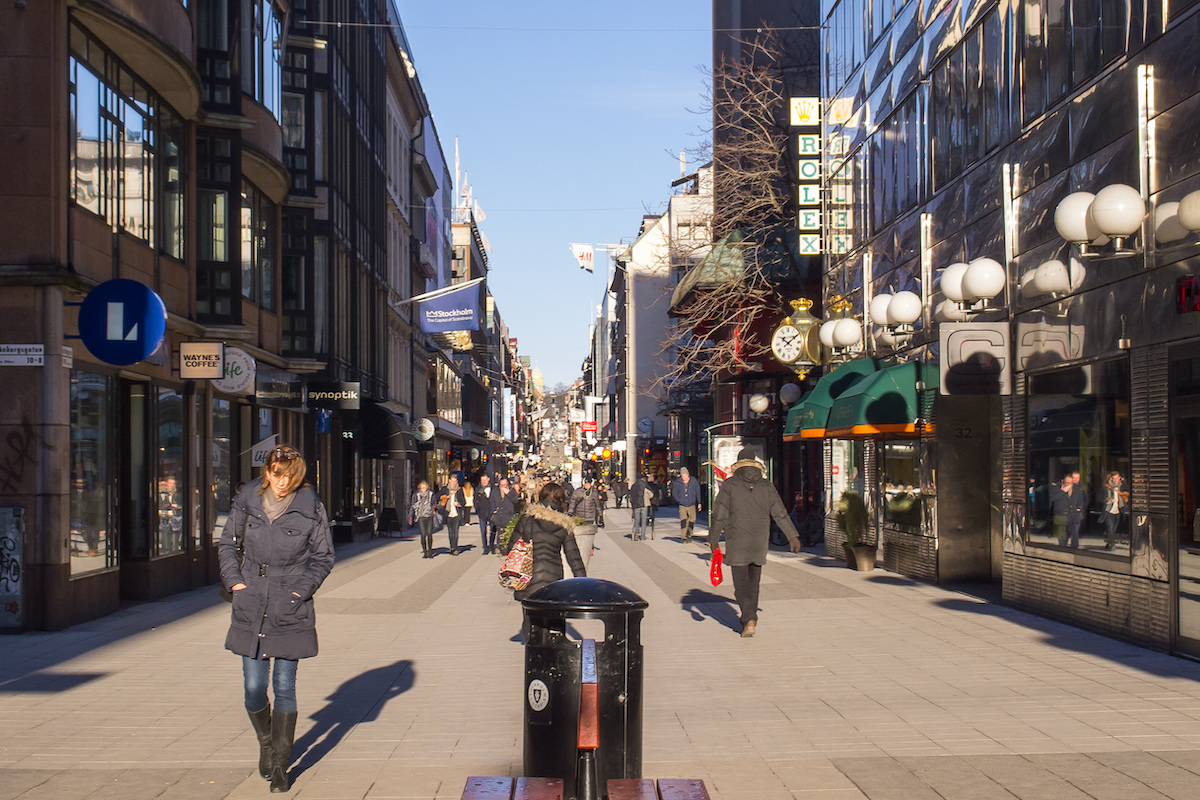
Its choice of a uniquely lax approach to the pandemic should not be mistaken for a sudden turn toward individual freedom.

Much of the criticism of the regulations centers around the requirement for cross-examination, which the critics believe will deter victims from coming forward.
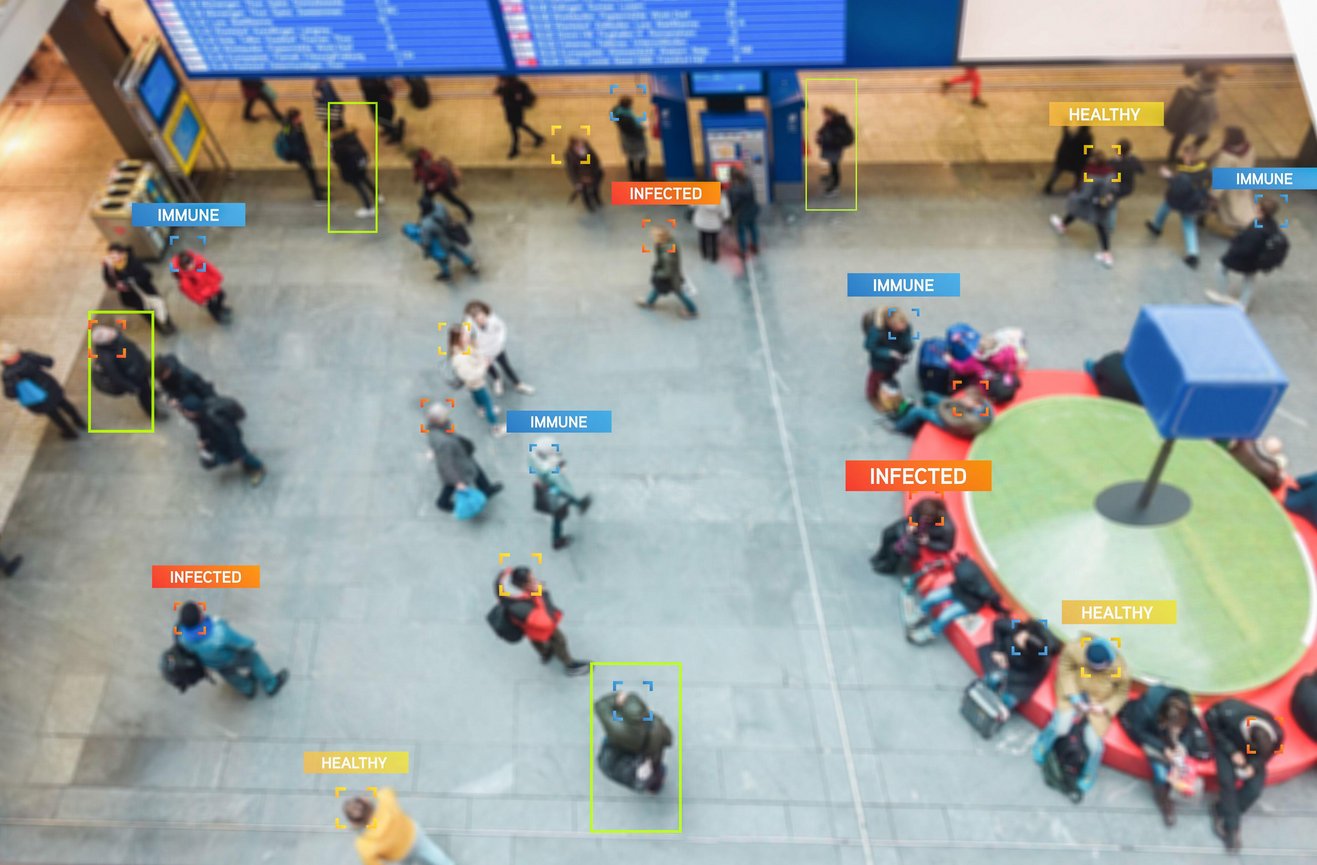
A culture war over privacy looms.
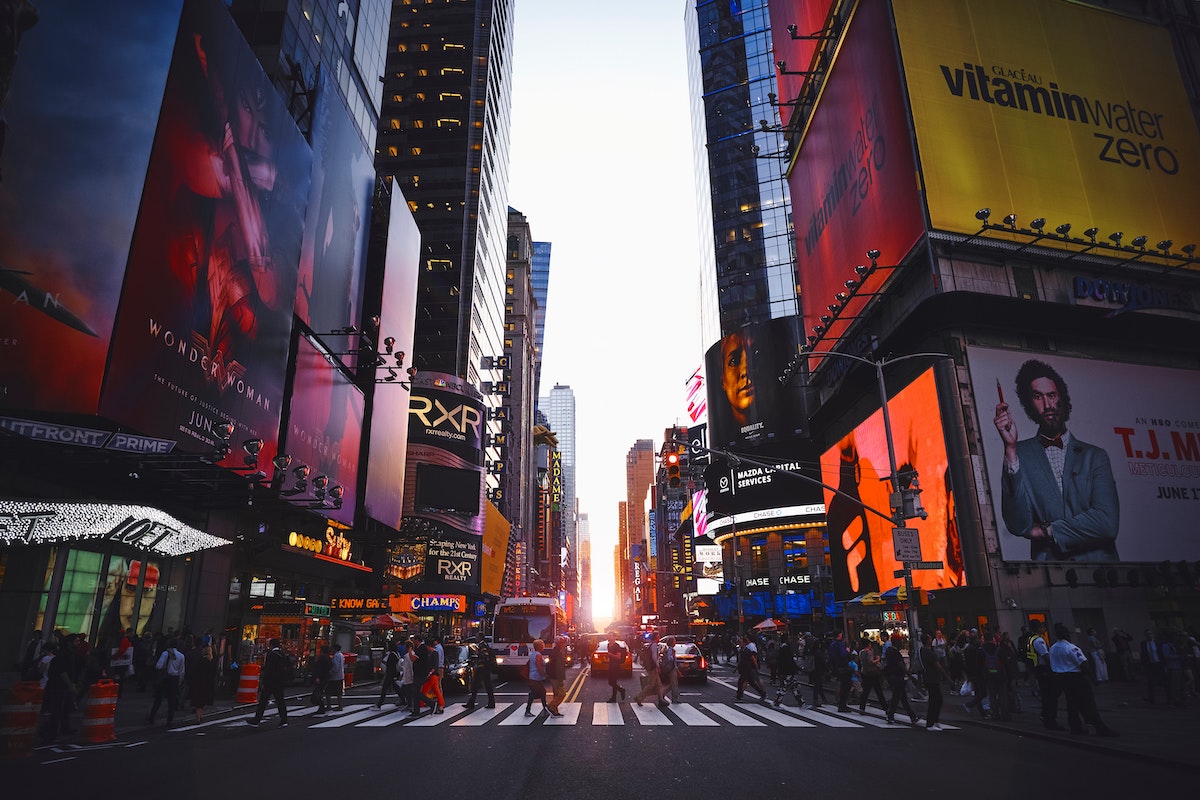
Much of the prognostication about the future’s outlines, especially the more dire forecasts, assume that we will change, or be changed, greatly. But will we?
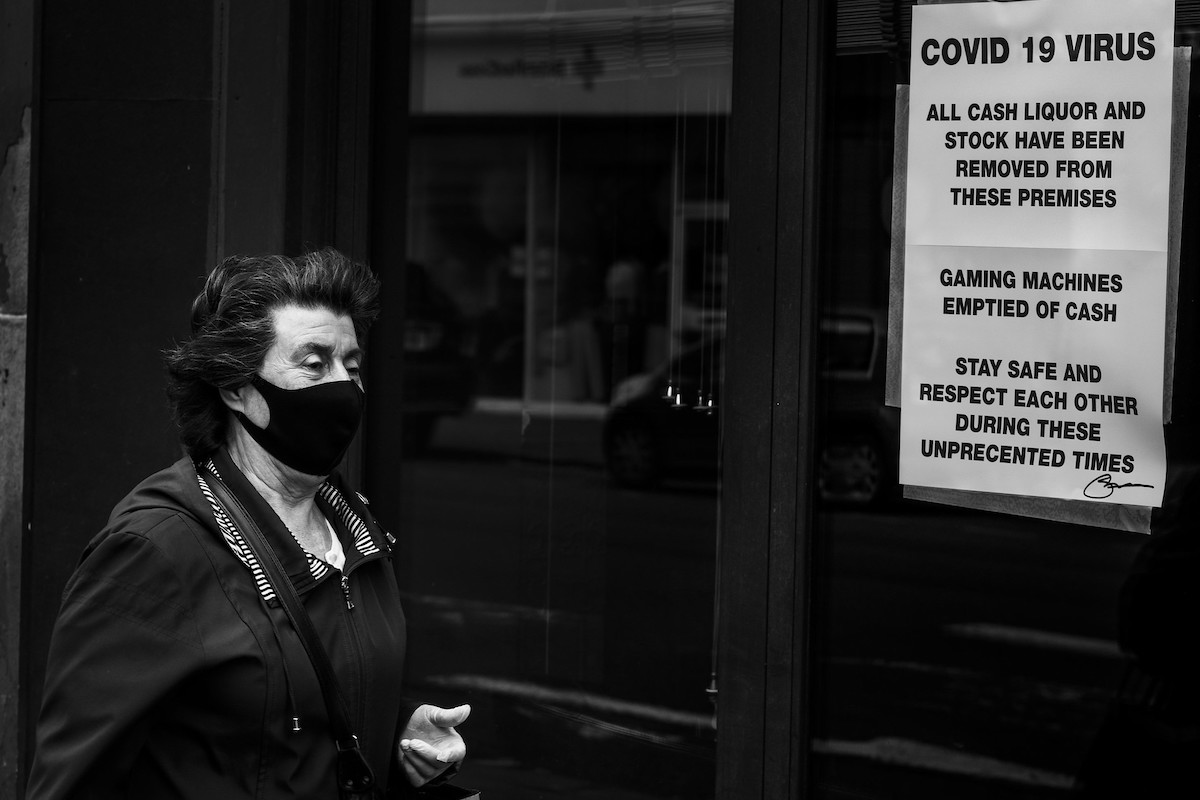
It’s been fuelled, on both sides, by the presumption that government decrees work as a sort of magic wand that will bring our economies (and perhaps the most acute phase of the pandemic) back to life.
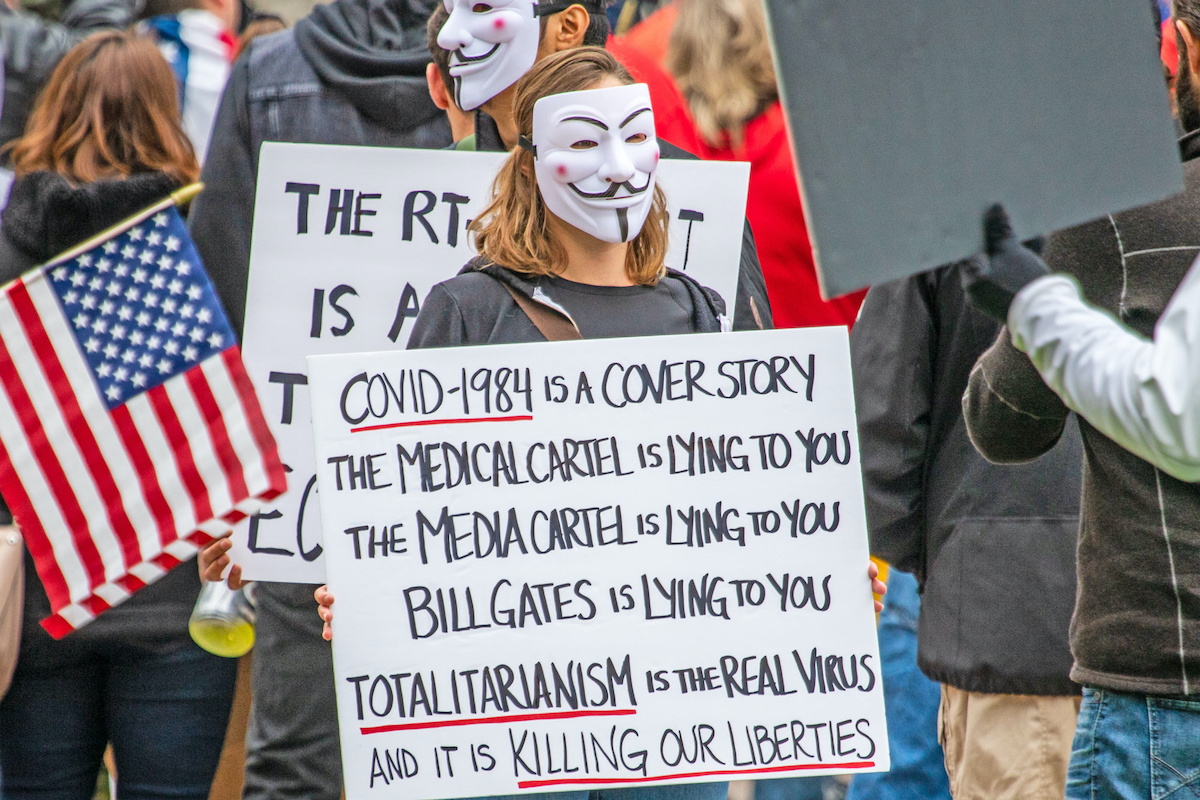
The mind abhors a vacuum of explanation. So when gaps in knowledge open up, the empty spaces are filled with available explanations that, however implausible, seem morally compelling.
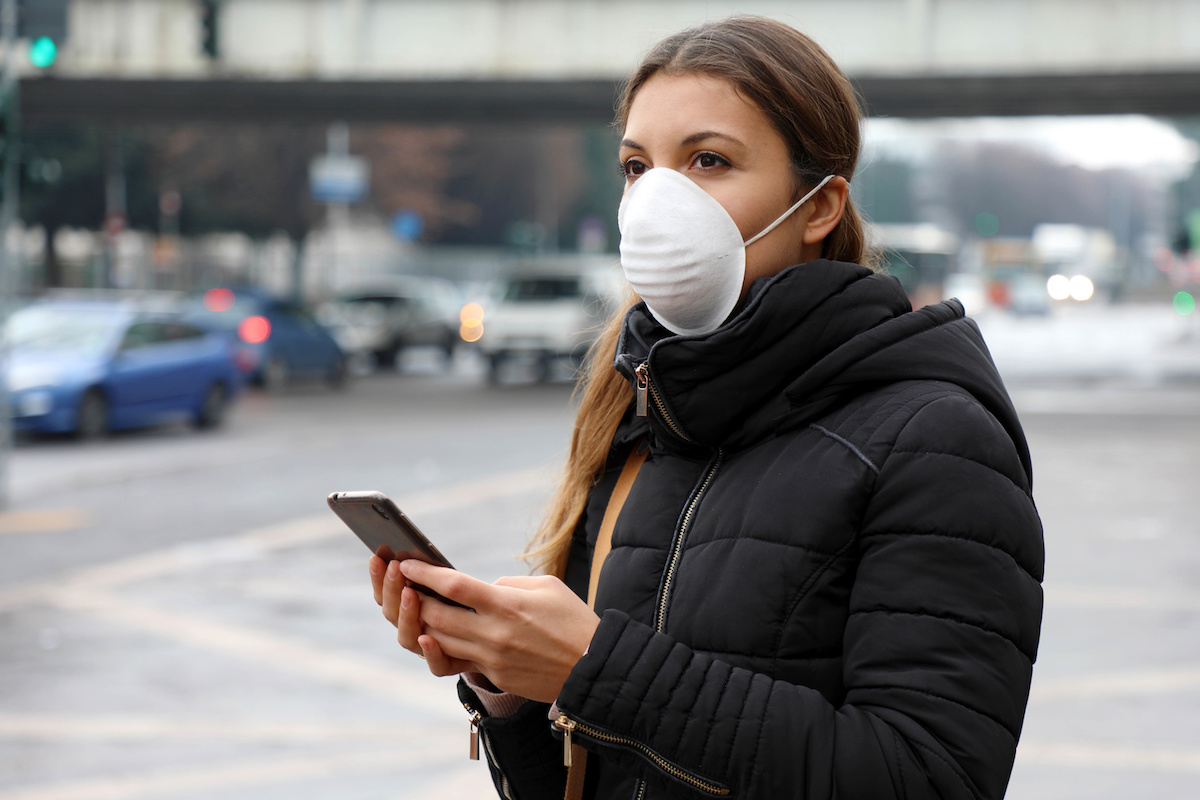
Given a choice between closing the mall to everyone or opening it and refusing entry to a few with an alert on their app, which is better?

The bar for opening the door and going outside is simply going to be set much higher.

It is by now a familiar truism that the Internet—and social media, in particular—has awarded the intolerant, the narrow-minded, and the censorious unprecedented power. To this challenge from below, publishers have, by and large, responded with dismaying timidity. Large multinational publishing firms have hastily withdrawn controversial titles
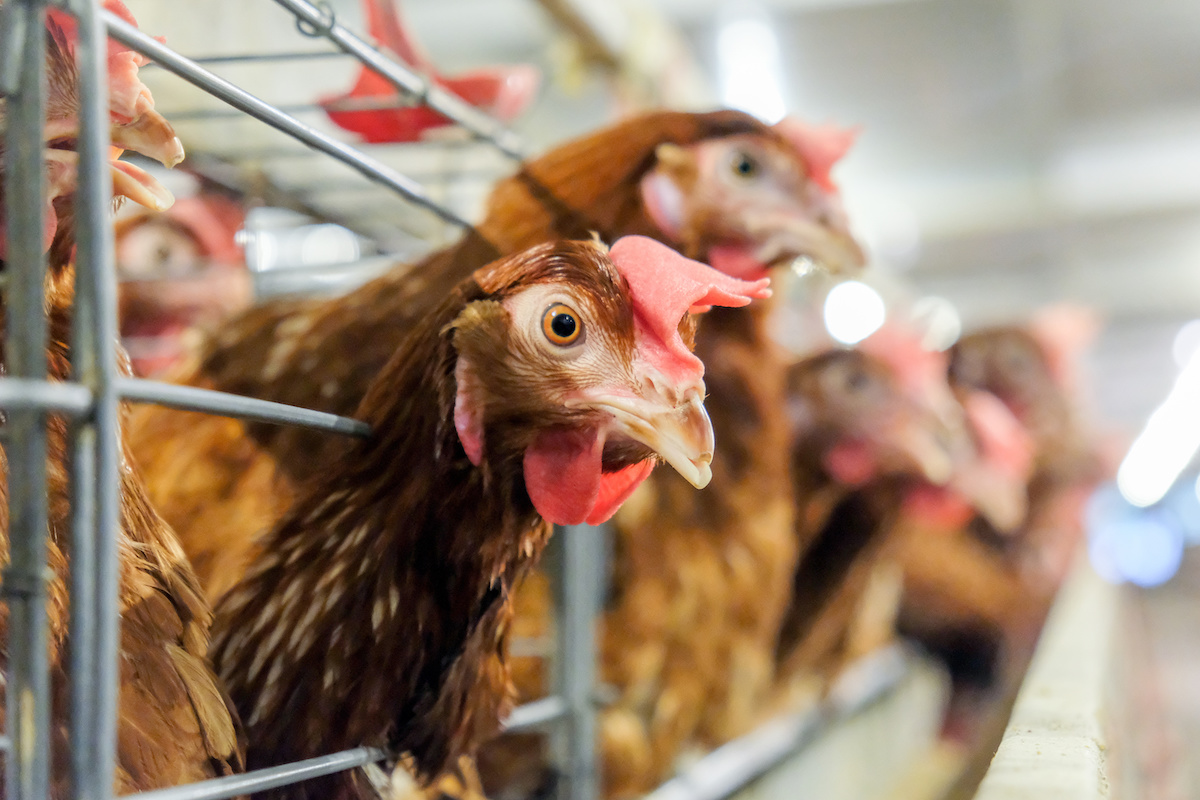
No animal on Earth is treated with more inhumanity than chickens, and this industrial cruelty has in turn made chickens and other birds one of the gravest threats to our health.
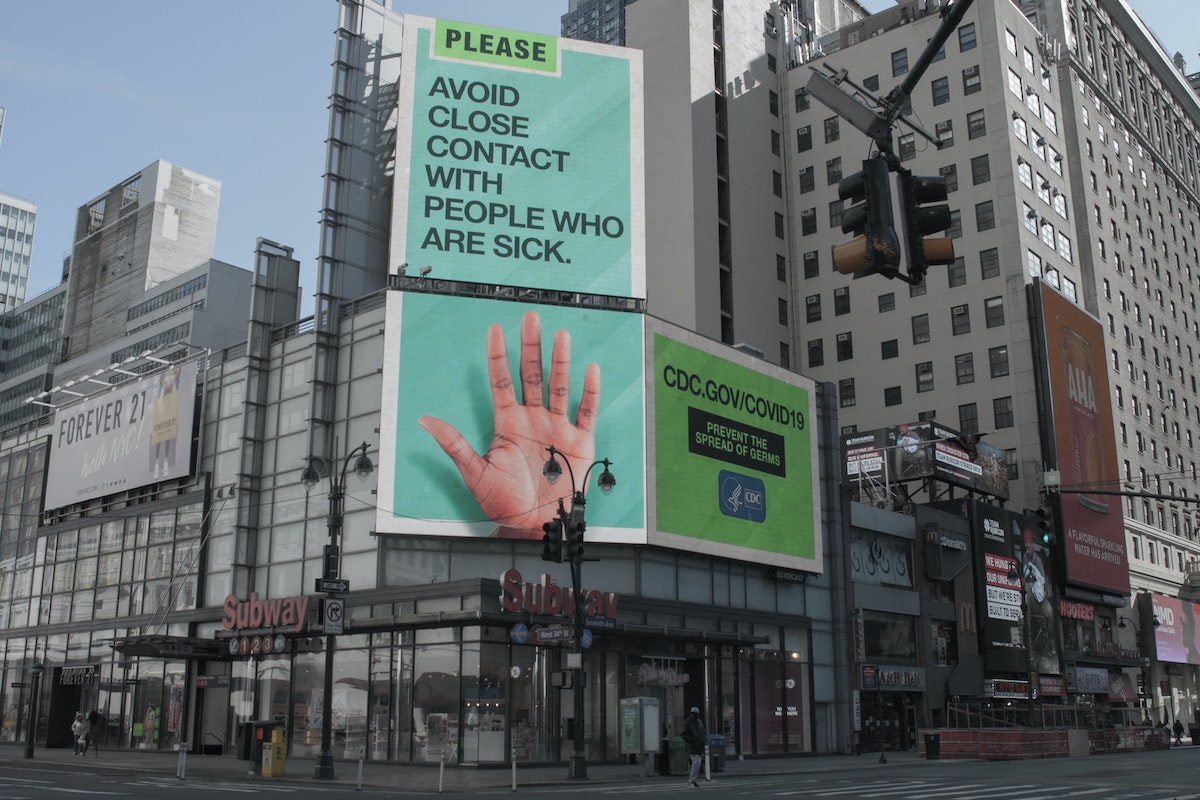
The current crisis has highlighted the risks associated with untamed uncertainty, as well as those associated with under- or overestimating the impact of measures intended to combat COVID-19.

Less than two years have passed and we now see why hole-digging is a dangerous pastime.
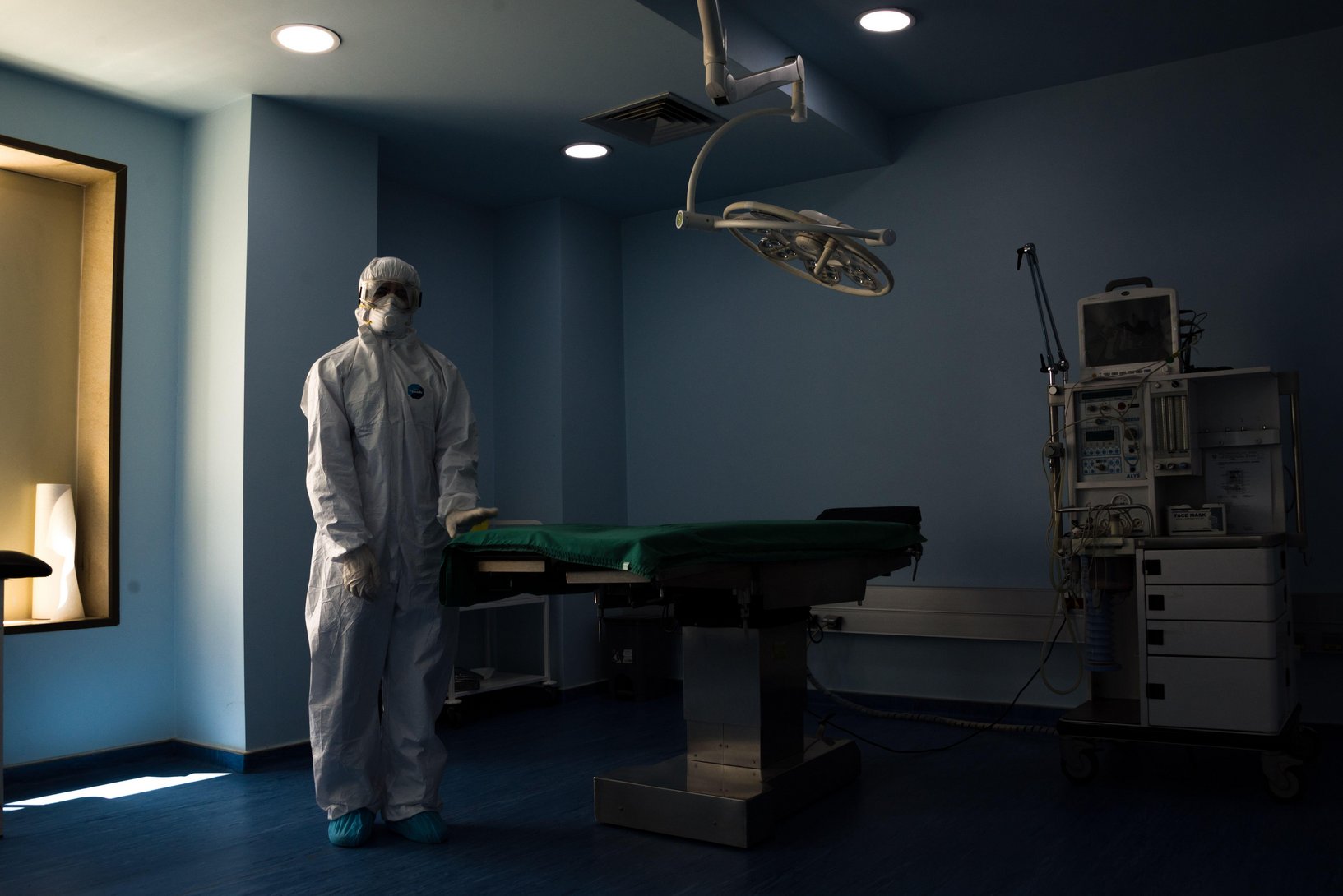
ICU nurses are some of the true heroes of this pandemic.