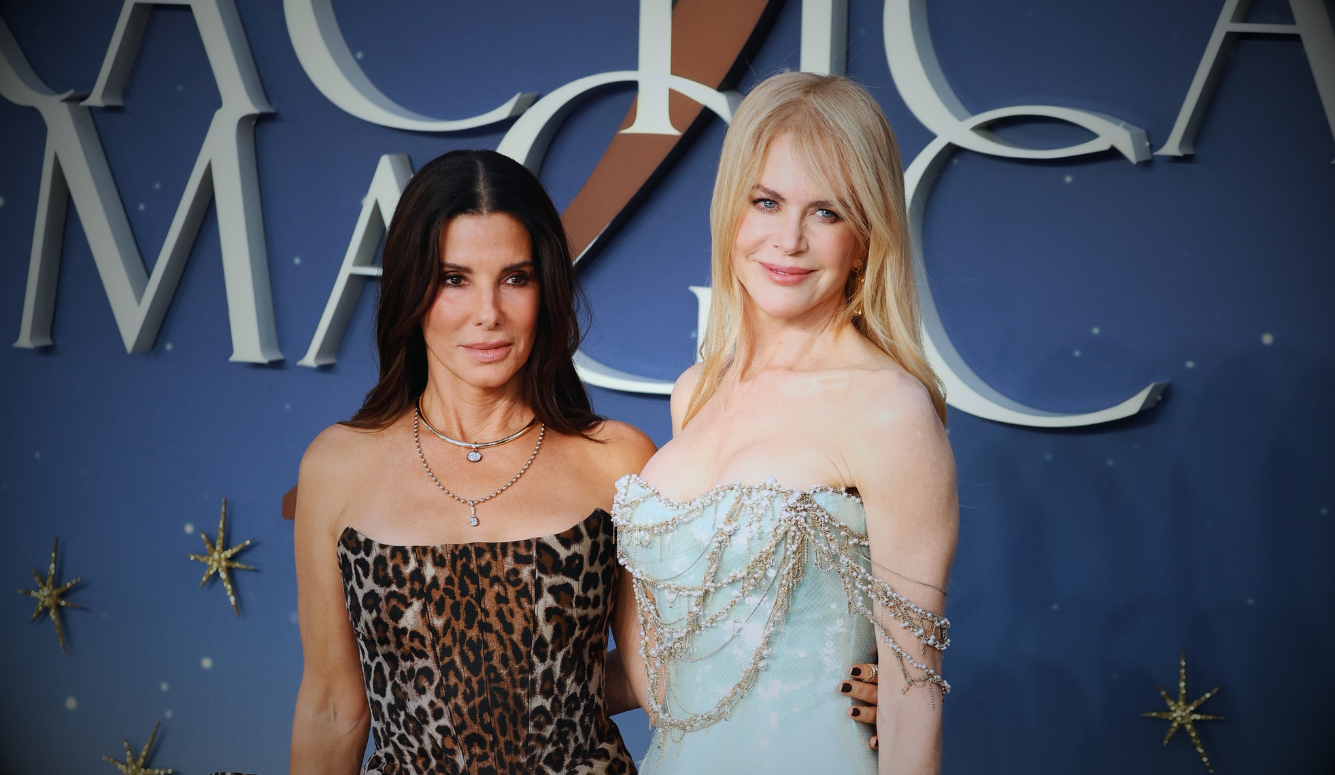
Spells that Sell
John Updike, Alice Hoffman, and the golden age of “witch lit.”
Kevin Mims
· 11 min read
John Updike, Alice Hoffman, and the golden age of “witch lit.”

If you’re not already familiar with the casus belli that ignited the Gaza war, watching the fifth season of ‘Fauda’ will be good for you, but it will also be bad for you.
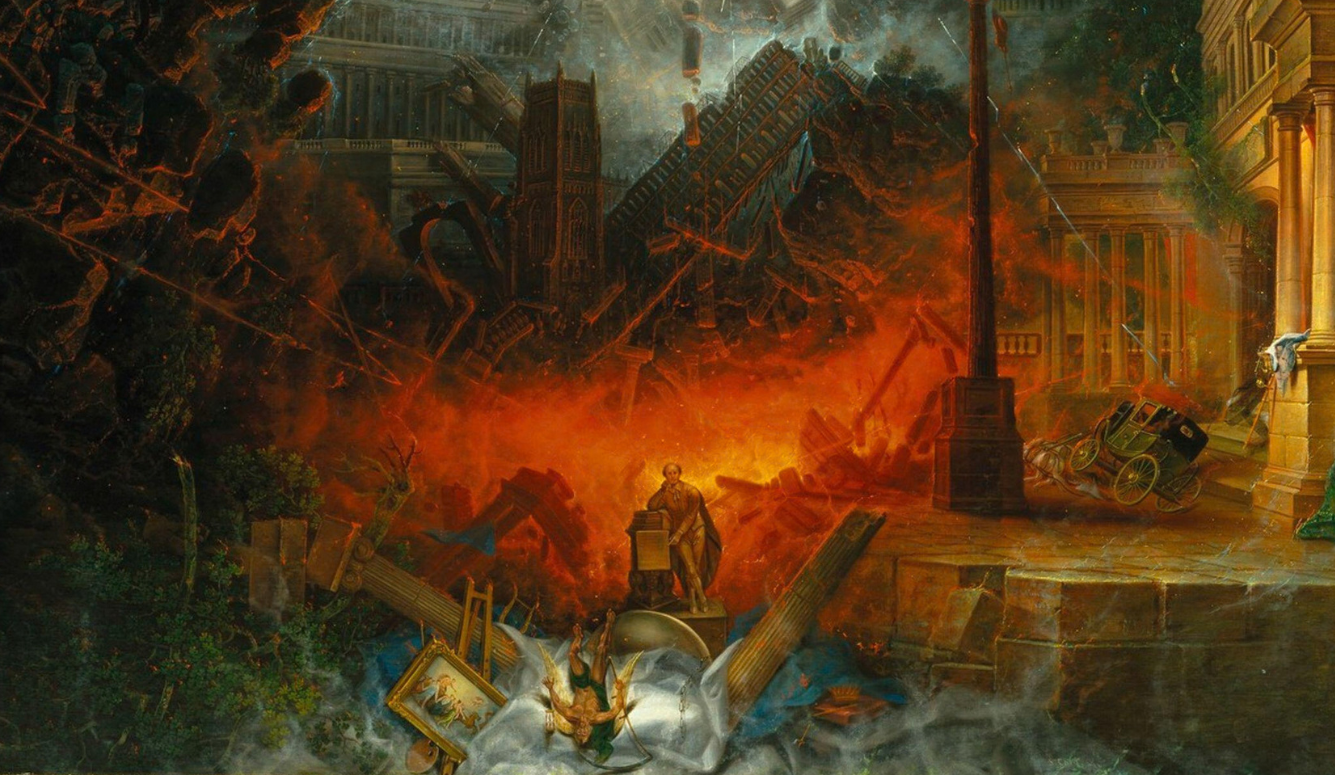
The dangers of AI are real, but doomerism may be counterproductive.
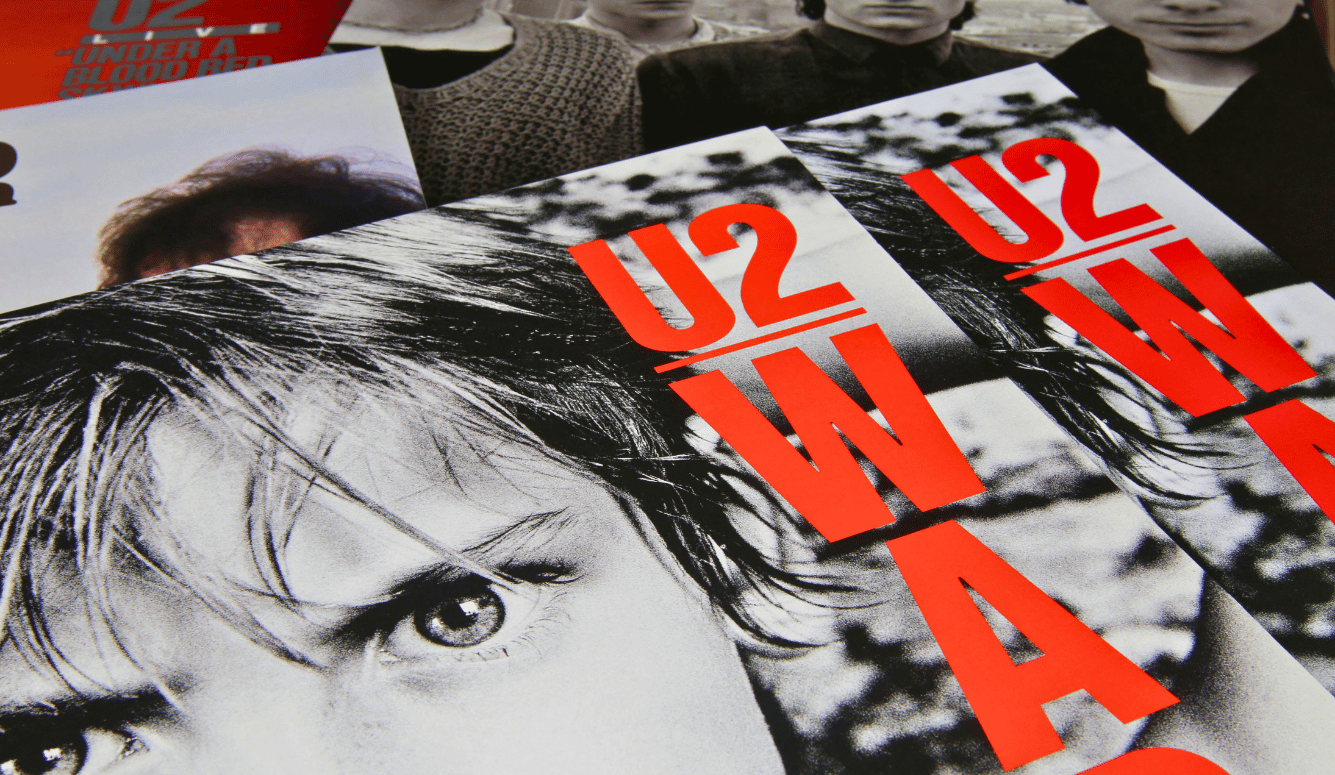
U2 reconsidered at fifty.

An OpenAI agent’s breach of a Medicare portal shows that the real danger from AI is a mundane one—and the labs’ fixation on a coming machine god is making it worse.

Bernie Sanders wants to outlaw artificial superintelligence. The risks he points to are real—but the answer to a powerful new technology is regulation, not prohibition, and China has no intention of pausing.

The digital revolution is not remaking the world as the industrial one did.
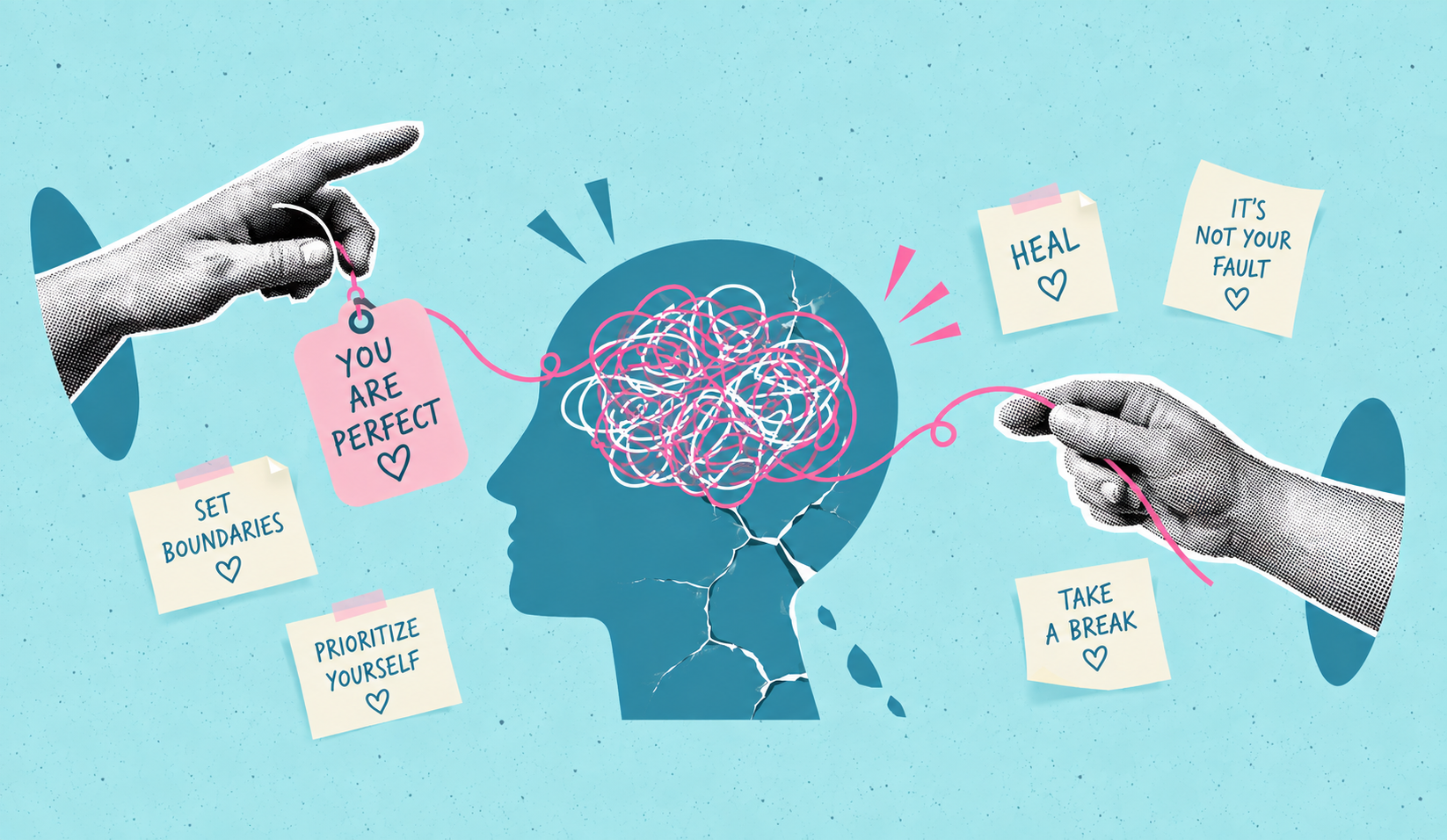
The mainstreaming of therapy culture may be driving us all out of our minds.

Why is masturbation so shameful?

Name-calling, guilt-by-association, and other unscrupulous methods of argument are polluting our discourse.

Anna D. Shapiro’s recent revival of Eric Bentley’s 1972 play about the HUAC hearings offered entertainment along with the pleasures of moral certainty and ideological reinforcement.

To be naked is to give up obsessive self-presentation and take off the mask.

Watching Gillo Pontecorvo’s film six decades after its release permits a nuanced understanding of the events that it portrays, which was unavailable when it first came out.

A thrash-metal classic turns forty.

The Trump administration’s scientific illiteracy about rates of autism is going to have catastrophic results.