Politics
Trump, Tehran, and the China Calculus
The CCP will certainly take advantage should Iran turn into a major distraction for the US.
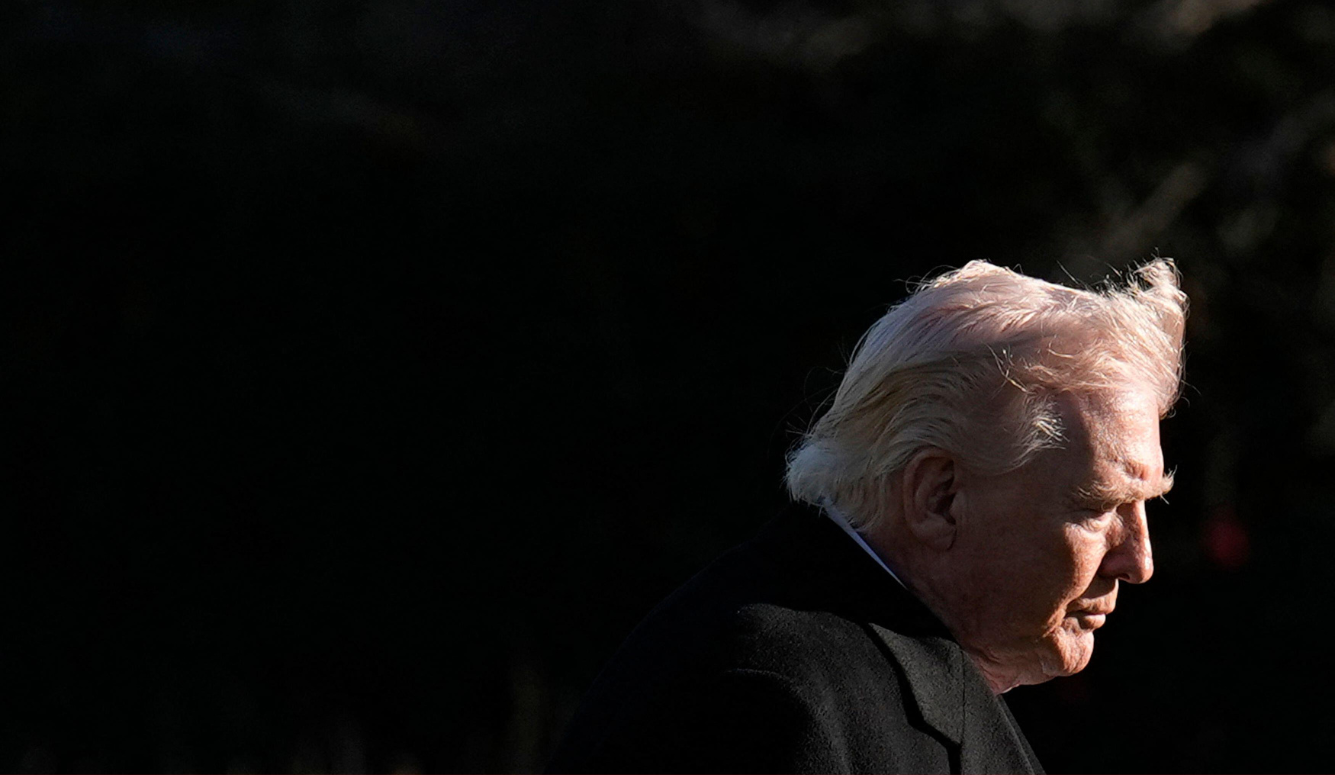
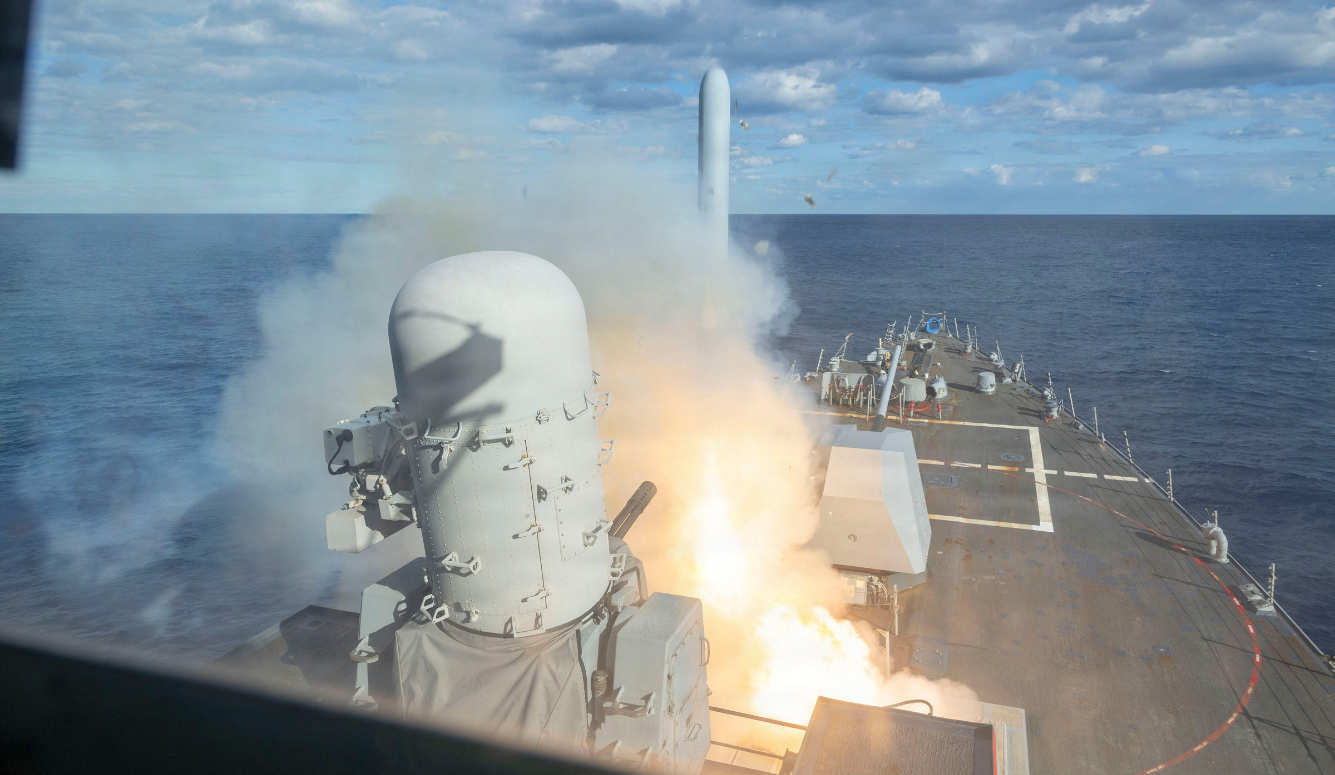
“Tonight,” said Donald Trump to the people of Iran on 28 February, “bombs will be dropping everywhere. ... When we are finished, take over your government.” These words seemed to evoke a single apocalyptic night, after which the Iranian people would emerge from their shelters, blinking in the light of a new day, to discover that the IRGC, the Artesh, the Basij, and the hated morality police were all buried under the rubble, America’s planes had departed, and Iran was free at last.
Four weeks was the President’s actual timeline, but that’s looking doubtful now. Trump was warned that the Iranian regime might close the Strait of Hormuz, but after the empty threats of June 2025, he didn’t believe they would actually do it. The job would be finished and American forces would be out of Iran by 31 March, he predicted, which is when he would board Air Force One and head for Beijing, armed with new leverage for his crucial summit with Xi Jinping.
That meeting is no longer scheduled for 31 March. First, Trump threatened to postpone the trip if the People’s Liberation Army (PLA) did not send warships to unblock Hormuz. Then he announced a delay of “a month or so.” Next the delay was stretched to “at least five or six weeks.” The president surely never thought the PLA navy would assist the United States in the Strait, but he needed an excuse not to meet. Operation Epic Fury was, after all, a strategic move against Beijing; an attempt to strengthen Washington’s relative position in this new Cold War. Trump needs to get out of his Persian quagmire before he touches down in the Chinese capital.

Xi Jinping, on the other hand, needs the summit to happen as soon as possible. It would be a release valve on geopolitical tensions, a chance to negotiate trade arrangements beneficial to Beijing, and a market stabiliser to reassure China’s nervy public. In fact, the optics could be perfect for Xi’s domestic audience—America’s rogue president launches a war and causes chaos, before travelling to China for an audience with the Son of Heaven, who manages the situation, restoring stability to the world.
A narrative like that could greatly benefit the Chinese Communist Party amid the unrelenting economic gloom. Communist parties have been inflating their statistics since Stalin’s time, but China’s performance of late has required this particular party to start toning things down a bit. Earlier in March, the CCP set its annual GDP growth target at 4.5–5 percent. That’s its lowest goal since 1991. And lest we forget, 1991 was a completely different age: the age of a smaller, quieter China, long before the promotion to permanent most-favoured-nation trading status with the United States, and the WTO accession that truly supercharged the Chinese rise.
The Communist Party’s public tone follows China’s economic trajectory, steadily softening along with the nation’s decline. Foreign minister Wang Yi may have lamented at the Party’s recent Two Sessions political gathering that the Iran War “should never have happened,” but he stopped short of criticising Trump personally. Instead, he was keen to extol the “good interactions” between the American and Chinese presidents, calling these “heartening.” Wang spoke of “a spirit of mutual respect … peaceful coexistence … win-win cooperation.” But at last year’s Two Sessions, the same man delivered an imperious rant attacking Washington’s “two-faced behaviour.”
Beijing is vulnerable, but this detail is getting lost amid the hue and cry. Indeed, American difficulties in the Gulf are leading some commentators to crown China the ultimate winner of the Iran War. Much has been made, for instance, of the fact that the Chinese are still getting their oil from the Middle East. There has been less focus on the sustainability of the circumstances.
Almost twelve million barrels of crude transited the Strait of Hormuz in the first ten days of war, according to shipping intelligence data provider Kpler. It’s an invisible trade because ships are simply turning off their transponders and using loudspeakers and shortwave radio to broadcast their “Chinese” and “friendly” status across the water. A huge risk, out there in the chaos of the Strait. The Revolutionary Guard has already bombed two of these dark fleet tankers by mistake.
Traffic is also flowing in the other direction. In the first week of war, two cargo ships—the Shabdis and the Barzin—left Gaolan port at Zhuhai, southern China, and headed for Iran. Gaolan is home to some of the largest liquid chemical storage terminals in the region. The Barzin, meanwhile, is known to be a hauler of sodium perchlorate—the same ballistic missile propellant precursor that the PLA was providing to the Iranian army before this conflict started.
Beijing continues to arm Tehran, in other words, rebuilding Iranian military capacity just as it did post-Rising Lion. This is especially remarkable now that the decentralised and existentially-threatened Iranian forces have begun lashing out in all directions and at all targets, including at non-military infrastructure in the Gulf. Saudi Arabia is even more important than Iran to China’s energy security. Oman and the UAE are not far behind. The CCP has been sufficiently rattled to issue Foreign Ministry condemnations of its Iranian ally (“China doesn’t agree with the attacks on Gulf states”), but still the sodium perchlorate sails west.
And so, even as Beijing continues to import oil through the Strait of Hormuz, both its energy providers and its energy transport are coming under fire. This will be intolerable to the hyper-cautious Communist Party. While the country has more than a billion barrels in strategic petroleum reserves, that would only cover about 120 days. The decision has been made in Zhongnanhai to ban exports of gasoline, diesel, and aviation fuel.
Xi wants Hormuz fully unblocked, and he wants Trump in Beijing. A protracted war would be the worst option for the Party, with all the spiralling havoc and second-order effects it would likely produce. Nevertheless, China’s authorities will certainly take advantage should Iran turn into a major distraction for the US.
We can see it already. For two weeks after the war began, PLA aircraft ceased circling the airspace near Taiwan’s Air Defence Identification Zone. It was the first prolonged pause since such activity began its huge escalation back in 2022. A variety of theories purported to explain the sudden silence, but by 12 March, the fighters were back in the skies. Xi had perhaps been waiting to see if Washington would finish fast and turn its attention to the management of the China–Taiwan problem, as originally planned, or instead get hopelessly entangled in the Middle East. By mid-March, Xi seems to have judged the latter to be more likely, with US marines shipping out to Hormuz while Trump harries allies for assistance with the Strait.
The same calculation is being made in Taiwan. The nation’s parliamentary Legislative Yuan had repeatedly stonewalled American arms packages worth US$9 billion (due to the influence of Kuomintang party members, dovish on Beijing). The sales were abruptly authorised on 13 March. Those munitions include 82 vital HIMARS rocket systems with a production-queue expiration date of 26 March. If Taipei had missed the date, another buyer (Kyiv, Warsaw) would have moved into the delivery slot. Taipei’s partisan squabbling, it seems, can be quickly silenced at the prospect of an American military too preoccupied to assist in a war against the PLA.
It’s not just Taiwan that feels suddenly vulnerable. The US has begun moving military hardware out of South Korea—specifically part of the terminal high-altitude area defence (THAAD) missile system—and redeploying it to the Middle East. Seoul needs these assets not just to counter the threat from Pyongyang’s lunatic dynasty, but also to deter the CCP. THAAD includes AN/TPY-2 radar, which the Pentagon can use to monitor military activity deep inside China. The Koreans stood to benefit from early American awareness of CCP intentions re: Taiwan, because like most states in the region, they could be dragged into that conflict. Without THAAD, they find themselves in a weaker position.
The Pentagon is pouring munitions into this war at an alarming rate. US$4 billion was spent on the first 72 hours of strikes. That included 400 cruise missiles and 800 air-defence interceptors. Within another 72 hours, the bill had almost trebled, passing US$11.3 billion. Now a request is being made to Congress for a further US$200 billion. The initial strikes had sent an important message to Beijing—a reminder of American might and resolve—but we have to wonder if the point is being passed at which a demonstration of firepower becomes a waste of firepower. And of course, the depletion of American stockpiles has serious implications for Taiwan and its neighbours.
As things stand, Trump has no good options. An early exit from this conflict would free up assets to counter the PLA—indeed, that was the original plan—but there is now a danger of leaving the job half-done. The Islamic Republic has been severely weakened but not excised from Iran. Both sides could claim victory, and Tehran could simply resume the quest for a nuclear arsenal (assisted, as before, by Beijing). The CCP would certainly be emboldened by this evidence of American incompetence.
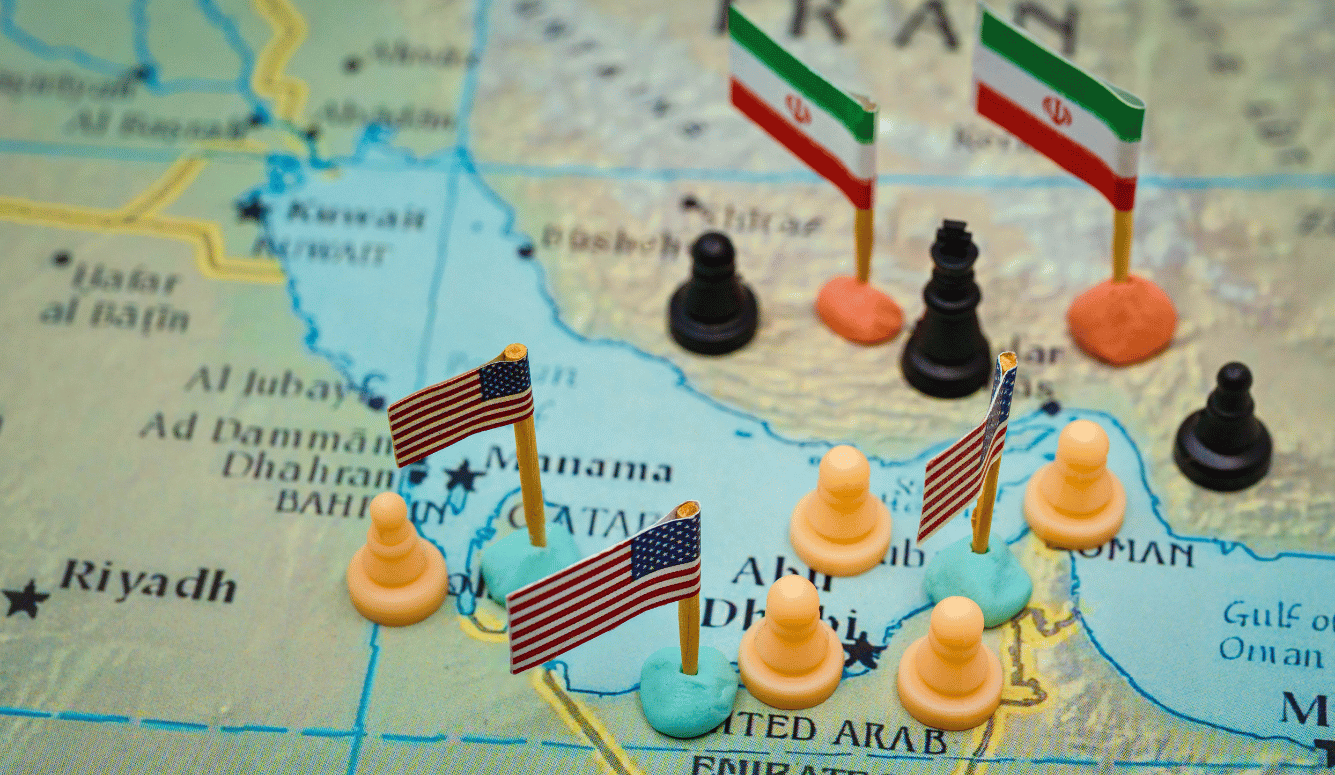
Staying to finish the job will make sure that Xi Jinping’s Islamofascist proxy is removed from the chessboard. This had to be done sooner or later, and is probably the option Trump should go for. Ordinary Iranians are suffering but clear-eyed. “Do not let the war stop until [regime forces] surrender,” one of them told Shay Khatiri. But the longer it takes, the more Washington drains its own strength for the coming contest in the Indo-Pacific.
Quillette invites thoughtful responses to its essays.
Selected responses are published once per week as part of a curated Letters to the Editor feature. If selected, letters appear under the contributor’s real name and may be edited for clarity and length.
To submit a letter for consideration, please email [email protected].