Podcast
Podcast #321: Understanding Journalistic Groupthink
Quillette podcast host Jonathan Kay talks to Graham Majin about the recent scandal at the BBC, and the need for reporters to prevent the ‘poison of narrative’ from corrupting their craft
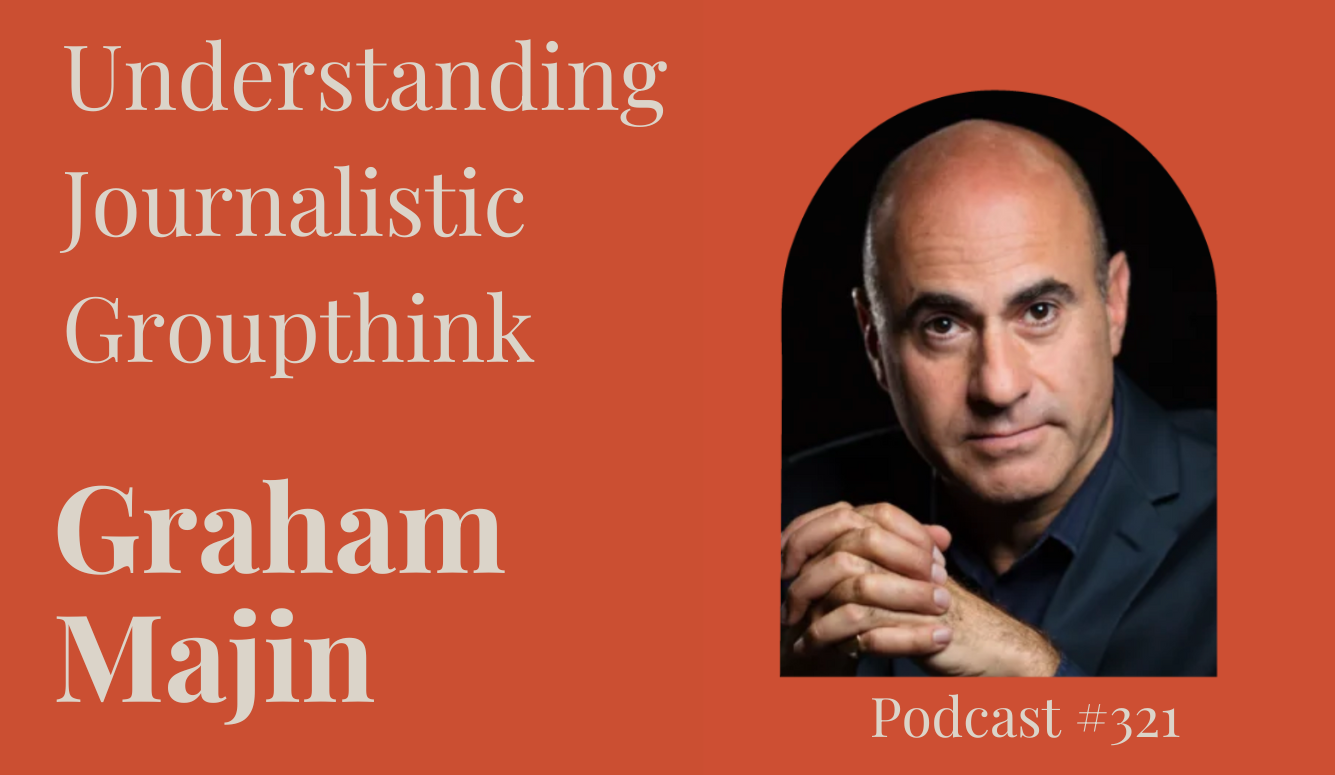

Today, we’re going to be talking about bias in the media, with Graham Majin, a TV journalist and long-time BBC veteran who now serves as Senior Lecturer in Documentary Journalism at Bournemouth University in the UK. And Quillette readers will know him as the author of the recently published article, A Journalism of Deception: A former BBC journalist explains how the corporation discarded impartial journalism and why we need a news revolution.
 Graham Majin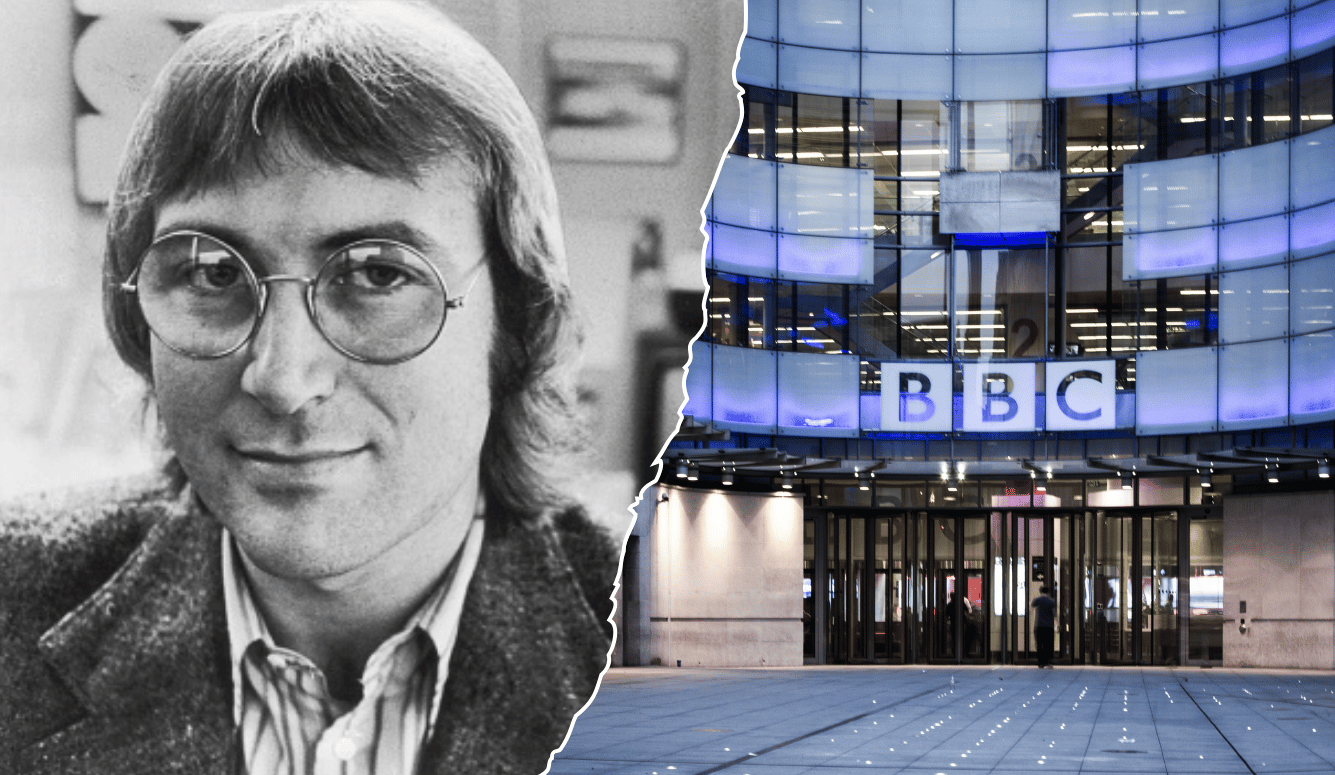
In that article, Graham discusses a media scandal that consumed the UK in November, when the Daily Telegraph began reporting on the contents of an internal BBC memo produced by a consultant named Michael Prescott under the auspices of the BBC’s Editorial Guidelines and Standards Committee.
In that leaked document, Prescott expresses his “profound and unresolved concerns about bias at the BBC,” especially in relation to the corporation’s coverage of the 2020 US presidential election, issues of race and gender, and the Israel–Gaza War.
Most damning of all, Prescott highlighted an October 2024 edition of the BBC programme Panorama, in which an editor spliced together clips of a Trump speech made on 6 January 2021—the date of the notorious Capitol riot. The spliced clip suggested that Trump told the crowd: “We’re going to walk down to the Capitol and I’ll be there with you, and we fight. We fight like hell.” But in fact, these words were taken from different sections of his speech, more than fifty minutes apart, and Panorama did not include a section of the speech in which Trump told supporters “to peacefully and patriotically make your voices heard.”
The ensuing scandal led to the resignations of both the BBC’s director general, Tim Davie, and its head of news, Deborah Turness.
But Graham and I will discuss much else besides, including his larger theory about how all modern news organisations—not just the BBC—often succumb to the temptation of what he calls narrative-based journalism. Which is to say, journalism that advances a particular moral or political story, instead of just reporting the facts.
As Graham sees it, our shared journalistic profession started to get things right during the Victorian age, when reporters started to take a more scientific approach to fact-gathering. But things went off the rails in the late 20th century, as Graham sees it, thanks to activist-minded Baby Boomers who found dry fact-based media coverage to be dull.
Please enjoy my interview with Bournemouth University scholar and Quillette author Graham Majin.
Keep reading
AI and the Wiki Wars

Foreign Power, Local Politics
Podcast #333: The Search for Truth
A Costly Misconception
Addressing the Academic Skew