Art & Culture
Art and The Search for Immortality
Art can’t give us immortality, but it can give us something better. It can give us what Roy Batty longed for: more life.
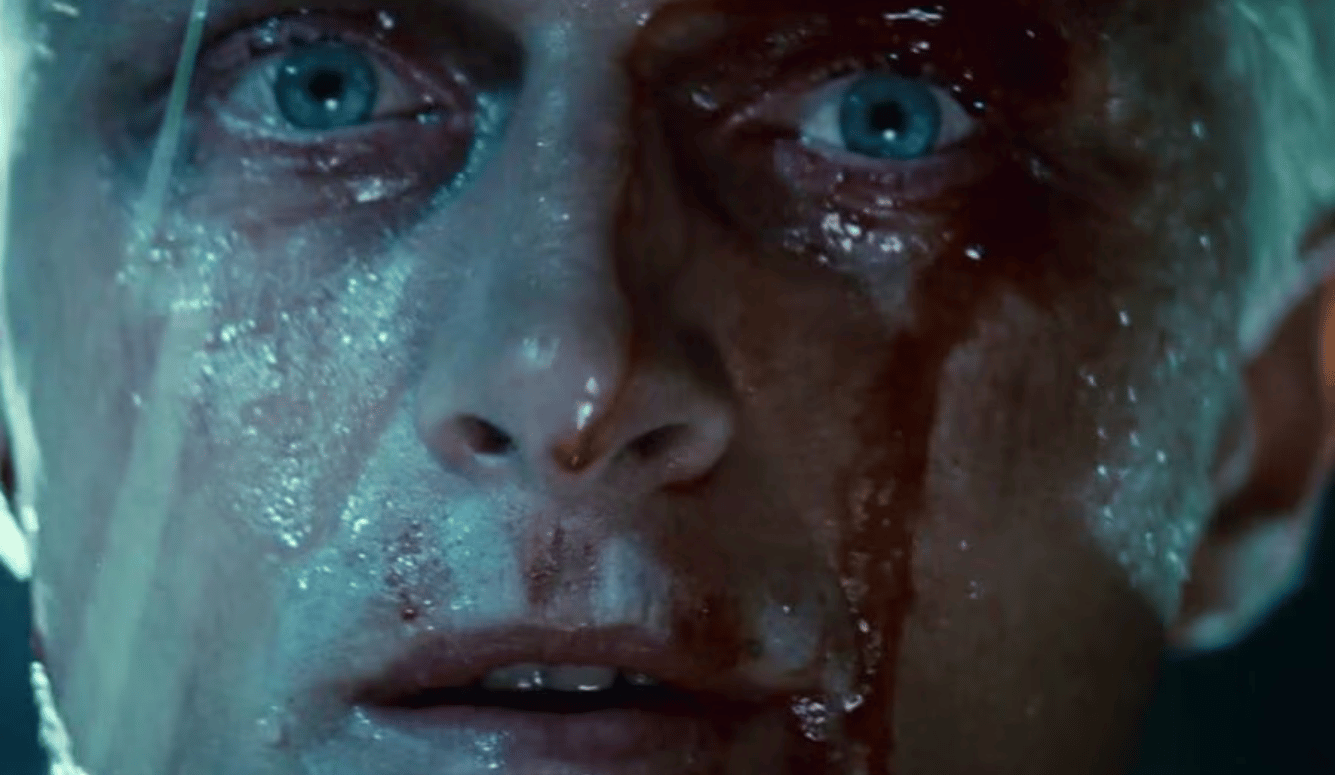

In the 1982 film Blade Runner, a group of synthetic humans called replicants abandon their various posts off world and make an illegal return to Earth. Their motives become clear in a pivotal scene in which their leader, Roy Batty, meets Eldon Tyrell, the designer who created them. Batty tells Eldon, “I want more life, Father.”
Replicants are designed to live for only four years and Batty’s time is running out. And his life has been far too short for him to experience everything he knows that life can offer.
While most of us have far longer lives, we share that same tragic limitation.
Most films that tackle the topic of immortality teach us that eternal life isn’t all it’s cracked up to be. Highlander (1986), for example, depicts the profound loneliness the immortal Conor McLeod feels as he watches everyone he loves slowly grow old and die. In The Fountain (2006), Tom Creo’s obsessive desire to cure his wife’s brain tumour rather than spend her last moments with her shows how a man’s failure to embrace the inevitability of death prevents him from truly living. In the 2004 retelling of the Iliad, Troy, Achilles tells Briseis, “The gods envy us because we’re mortal, because any moment might be our last. Everything is more beautiful because we’re doomed … We will never be here again.”
The truth, however, is that our limited lives give us only a cruel taste of what might be possible if we had unlimited time. None of us are safe from the supposedly most important drawback of immortality—the loneliness and heartbreak of surviving while our loved-ones die—even though we don’t live forever.
The laws of physics—especially entropy and the linear nature of time—will always limit our experiences, whether we live a hundred years or a billion. Even if you lived forever, you could still only watch The Sixth Sense or Fight Club for the first time once. Barring memory loss, the narrative twists only shock you the first time they are revealed. Immortality does not mean endless repetition. You will never be here again—because you yourself, the place where you are and the experiences you have are constantly changing, through the mere passing of time. Experience is inherently limited because I am always trapped in my own mind and body. I cannot experience what anyone else does. Even if we lived for all eternity, then, we could never experience everything life has to offer.
But through art we can get a bit closer.
 Elena Shalneva
Keep reading
A Clockwork Filmmaker

The Insight Trap
Cornell and Consent

Robert Lynch on Status, Humour and the Apes We Pretend Not to Be | Quillette Cetera Episode 74