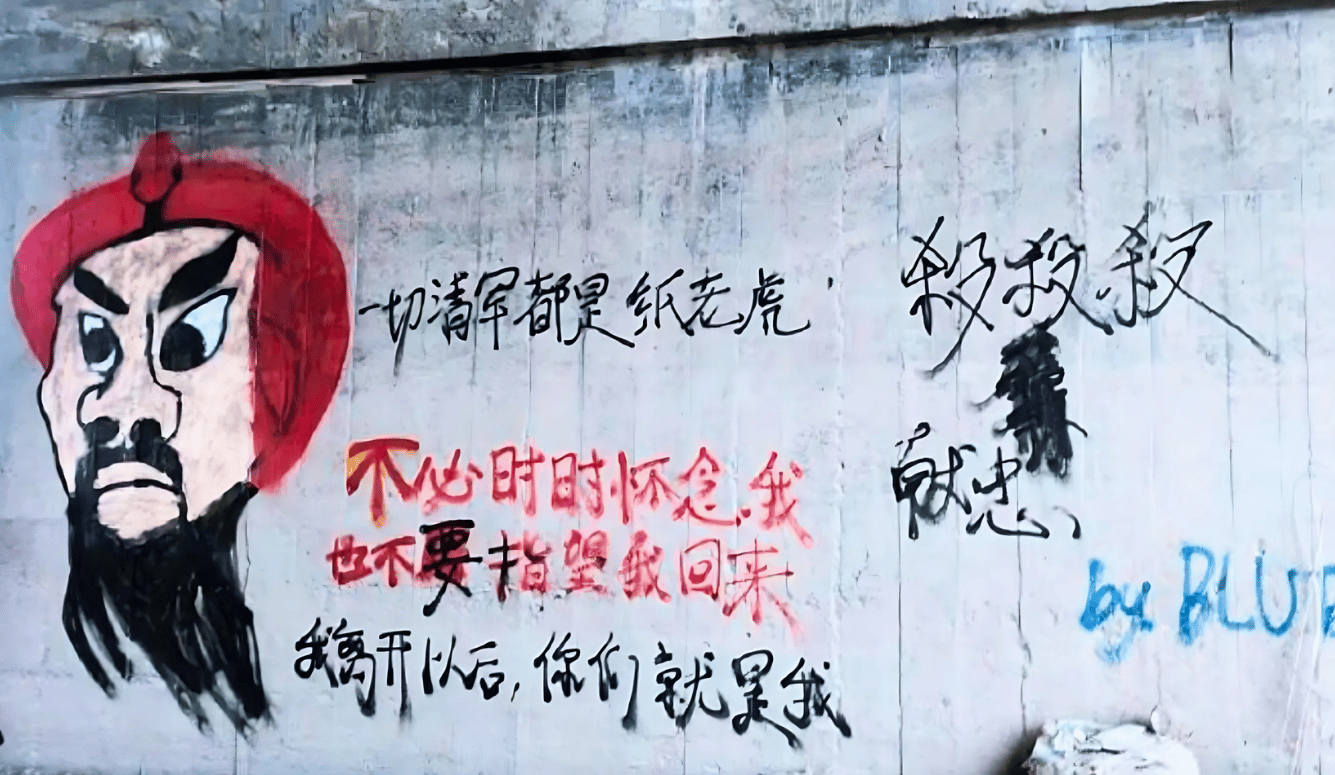

“Xianzhong!” shrieks the graffiti on city streets across China—a reference to Zhang Xianzhong, a Ming-dynasty peasant rebel. For the briefest of periods in the mid-17th century, Zhang ruled as rival emperor from a base in Sichuan province, and became famous for depopulating the region with a series of brutal and indiscriminate massacres. Today’s graffiti is sometimes accompanied by a blunt mandate, apocryphally attributed to Zhang: “Kill, kill, kill.” An acknowledgement of the tragedies currently blighting the nation, it also feels like an invocation of the spirit of Xianzhong; an instruction to his ideological heirs in modern China. They are certainly paying attention.
Far from the world of spray-painted alleyways and vandalised shopfronts, safely cloistered in the halls of their Beijing compound, China’s leaders are also responding. A Politburo meeting earlier this month sent “the most aggressive stimulus tone in a decade,” as Morgan Stanley economists put it. Gone is the “prudent” economic strategy pursued throughout President Xi’s long tenure; in its place we have the promise of “extraordinary” measures for 2025. (Specifics have not been provided.) With China mired in deflation—the longest streak this century—the Communist Party appears to have reached some kind of pain threshold.
It is the rest of society, of course, that really feels the pain. Ordinary people reached their breaking point some time ago, hence the spectre of Xianzhong. 2024 was the year of “revenge on society” attacks (bàofù shèhuì), in which individuals respond to the hopelessness of their situation by carrying out random mass murders. Beijing has always tried to direct public anger toward external targets, like Japan, but apparently that tactic will no longer suffice. Like an autoimmune disorder that causes the body to attack itself, China is now turning its rage inward.
 Aaron Sarin
Every few days, another tragedy is reported. Consider a single week last month. On 11 November, unhappy with the terms of his divorce settlement, a man ploughed his SUV into a crowd outside a sports complex in the port city of Zhuhai, killing 35 and injuring 43. Five days later, an underpaid factory worker ran amok with a knife at a college in the Yangtze River Delta, killing eight and injuring 17. Then, on 19 November, a driver careered into children outside a primary school in Changde, hospitalising many but failing, on this occasion, to kill anyone. This time, there was no waiting around for the police to arrive. Fired with adrenaline, parents of the injured children smashed the man’s car windows, dragged him into the street, and began beating him.
The CCP’s leaders have often seemed blind to realities on the ground in China. Think back to 2022, the sudden shock of the White Paper protests and the frantic ditching of the zero-COVID policy. But these new massacres have been a very public problem for several months now, and they appear to be increasing in frequency. It would take remarkable obtuseness to miss the significance of bàofù shèhuì.
Aaron Sarin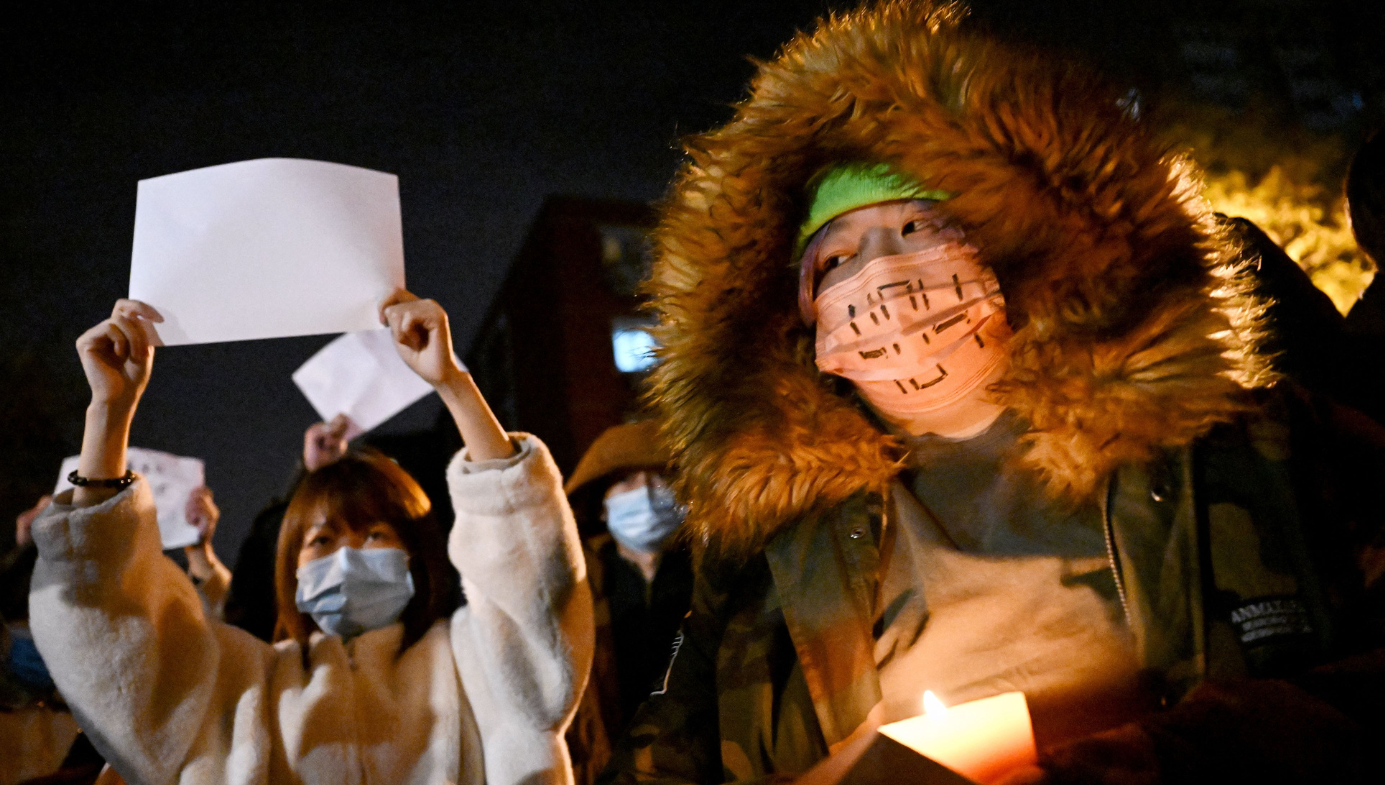
In late November, the Supreme People’s Court convened a “special meeting” to address the phenomenon. The Court’s conclusions were couched in the usual communist jargon, telling us nothing: “All levels of people’s court should truly unify their thoughts and actions with the spirit of General Secretary Xi Jinping’s important instructions, always adhere to the guidance of Xi Jinping Thought on Socialism with Chinese Characteristics for a New Era, thoroughly implement Xi Jinping Thought on the Rule of Law…” and so on and so forth. (China-watcher Simon Leys once compared reading this kind of thing to “swallowing sawdust by the bucketful.”)
The CCP also reverted to type by attempting to bury these stories. Foreign news teams in Zhuhai were forced to delete their footage of the November massacre, local media focused its attention on a military airshow taking place in the city, and the authorities binned floral tributes left at the scene. Meanwhile, a thousand miles to the north, multiple floral-themed displays graced China’s capital as if in mocking contrast. These projects had been commissioned for the 75th anniversary of the communist revolution. The Party will always prioritise itself over human life.
There have been calls for a crisis intervention system to identify “high-risk individuals” before they attack, but these individuals are themselves symptoms, and they will keep flaring up until the causes are identified. So what are they? The CCP has no real system for dealing with people’s grievances. Petitions to the government are largely ineffective. China also suffers from a disastrous sex imbalance, the legacy of Deng Xiaoping’s one-child policy and a sure accelerant for antisocial behaviour. Underlying mental-health problems were blamed for May’s Xiaogan massacre. And we might reasonably guess at politico-racial motivations for June’s knife attack on a group of American teachers in a Jilin park.
But economic insecurity is the common trigger. Take September’s Shanghai supermarket killer, who travelled to the city specifically to “vent his anger due to a personal economic dispute.” (He would murder three people and injure a further fifteen). China is riven by inequality, and its recent economic underperformance is only widening the gap. If Beijing has indeed grasped the scale of the danger, then we can guess that the “revenge against society” attacks were a major factor behind December’s policy reset.
Aaron Sarin
Keep reading
Robert Lynch on Status, Humour and the Apes We Pretend Not to Be | Quillette Cetera Episode 74
The Radicalisation of Tucker Carlson

A Pop Fiction Master and Monster

Australia’s Coming Censorship Machine

Anatomy of a Book Promotion