Art & Culture
Reclaiming Work as a Virtue
My father taught me a simple lesson: when the alarm clock goes off, you get out of bed, have a shave, wash yourself, put your clothes on and go to work. You’ve got to be resilient and you’ve got to be focused on what you want to achieve.
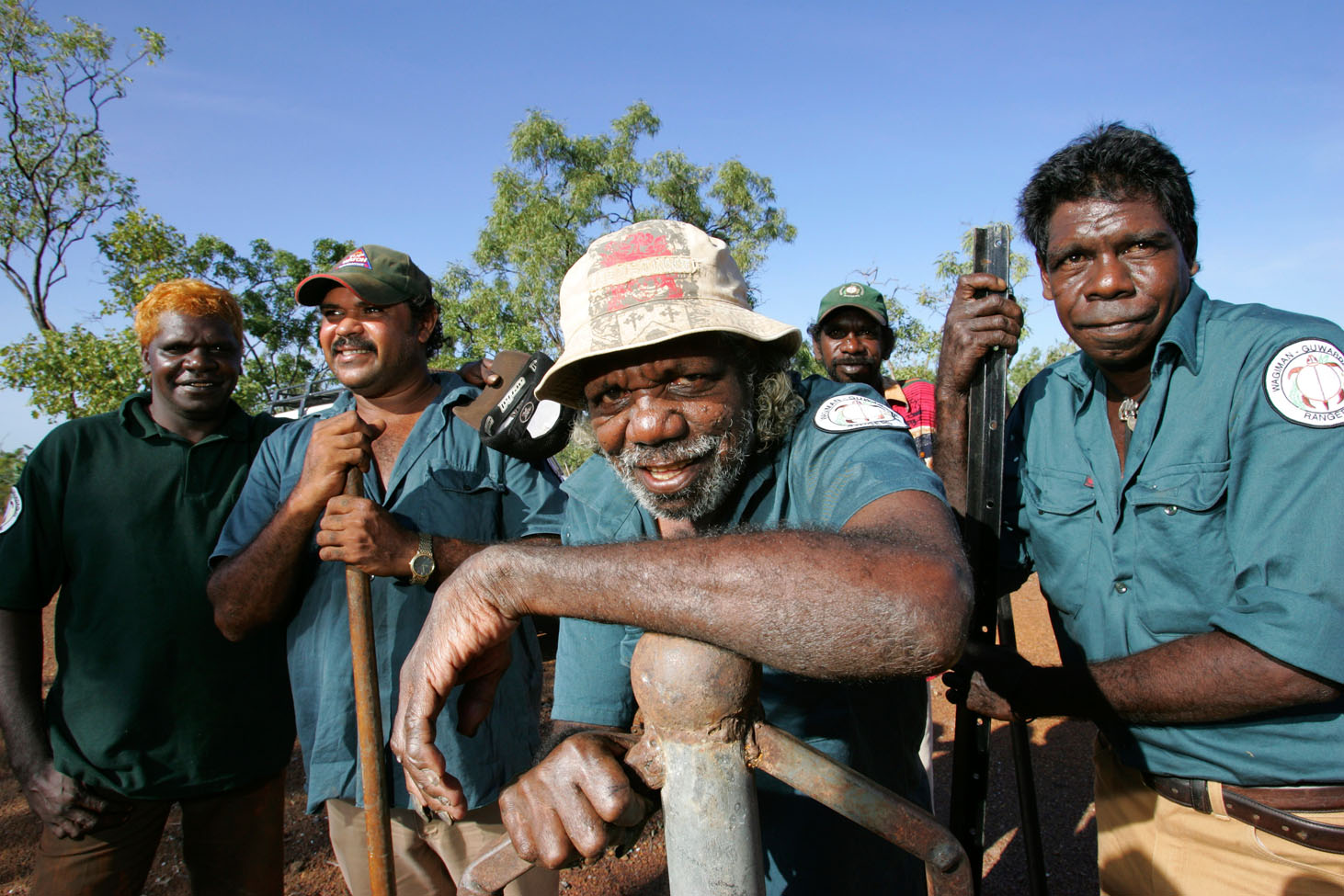


My father taught me a simple lesson: when the alarm clock goes off, you get out of bed, have a shave, wash yourself, put your clothes on and go to work. You’ve got to be resilient and you’ve got to be focused on what you want to achieve.
Dad believed the measure of a person was whether or not they were a worker. He believed that working was a virtue. So do I.
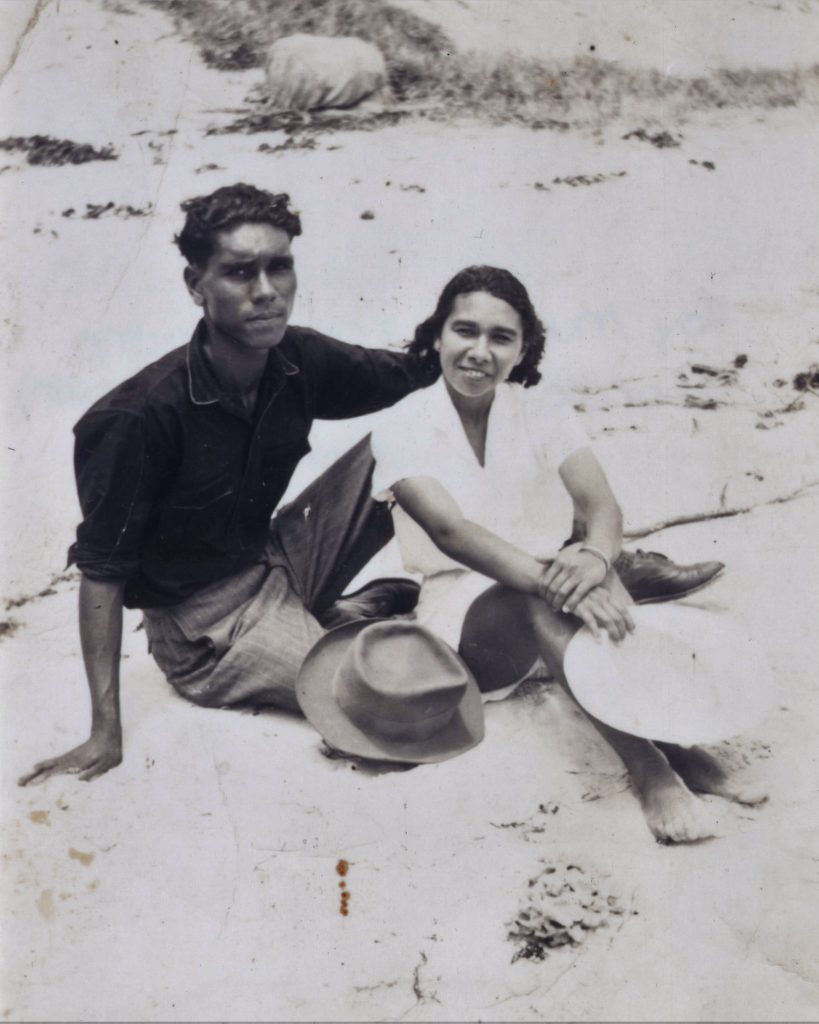
My father was Bundjalung and my mother Gumbaynggirr, two of the hundreds of first nations that existed across Australia before British colonisation. My Bundjalung ancestors had their first contact with white settlers in the early 1800s who came looking for grazing land. Like so many indigenous peoples across the world, this early contact included killings. But the initial hostilities gave way to a compromise with both sides showing a marked level of pragmatism. The settlers set up their sheep, later cattle, station and my ancestors lived and worked there, maintaining a good relationship with the station owners to this day.
My grandfather worked as a labourer all his life, hard, dirty work that didn’t pay much. Every day he got up, went to work and brought the money home for his family. Dad, my aunts and uncles grew up thinking that was normal. When Dad left school, he started working as an unskilled labourer too and in time became a skilled grader driver with better pay and opportunities. Until his seventies, he got up early every morning, went to work and brought the money home for his family. My siblings and I grew up thinking that was normal. And when we left school we also got jobs; some even went to university. Our kids thought that was normal and did the same. So from one man, my grandfather, having a simple labouring job over a century ago, hundreds of people grew up thinking work is normal.
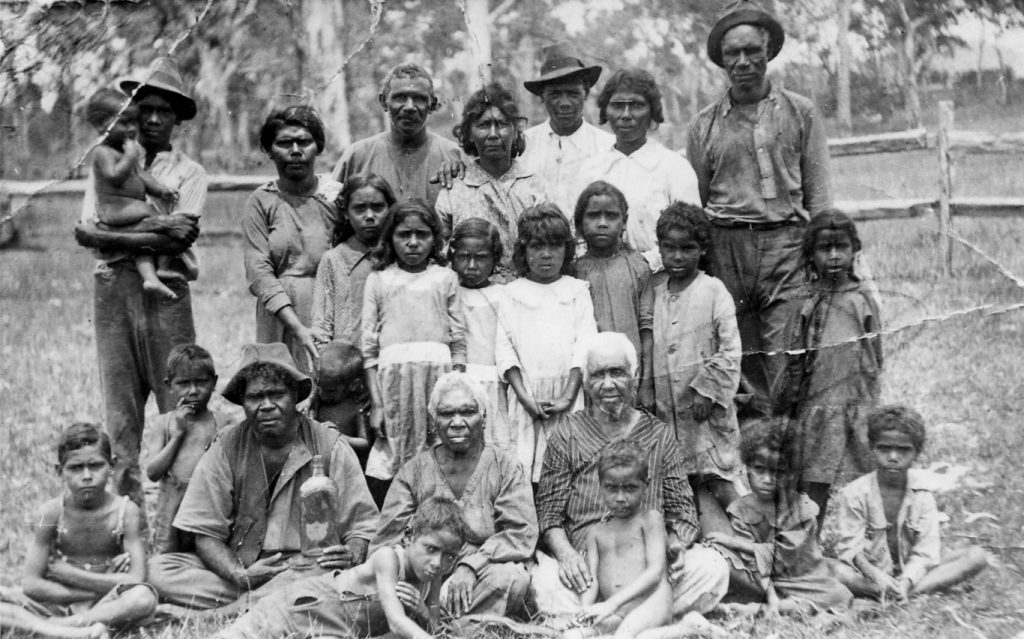
Work has always been essential to human survival. In the societies my ancestors lived in, days were spent hunting, fishing and gathering food, building shelter and tools, and burning vegetation to make the land produce better food sources. If you didn’t work, you died.
The nature of work has changed. Modern economies rely on machines, computers, foreign trade and large-scale farming, manufacturing and production. People no longer hunt their own food or build their own shelters. They do other kinds of work to earn income they use to buy what they need from others.
All over the world, improved technology has radically changed the way humans live, leading to greater urbanisation. In Britain, there was a great exodus of people from rural areas to cities in the eighteenth and nineteenth centuries seeking work in the factories and metalworks created by the Industrial Revolution. British towns grew fast and infrastructure and services lagged behind with poor sanitation, filthy streets and over-crowded housing. Horror stories of the workhouses and industrial workplaces are etched in the western imagination through tales of writers like Charles Dickens.
In truth, the rural lives people left behind were at least as, if not more, impoverished. Human life in pre-industrial society was extremely bleak; most people lived their short lives in a subsistence lifestyle in abject poverty. They also worked long hours in harsh conditions, mostly in seasonal agriculture. Britain experienced multiple famines and plague epidemics wiped out large proportions of the population.
People flocked to new industrial workplaces for their survival and because they aspired for better lives. And human life did improve. Death rates dropped, life expectancy rose, wages rose over time, and food supplies and diets improved. Famine and plague came to an end. Average working hours shrunk and the cost of goods substantially decreased. Technological leaps since the early 1700s delivered extraordinary gains in human prosperity and quality of life.
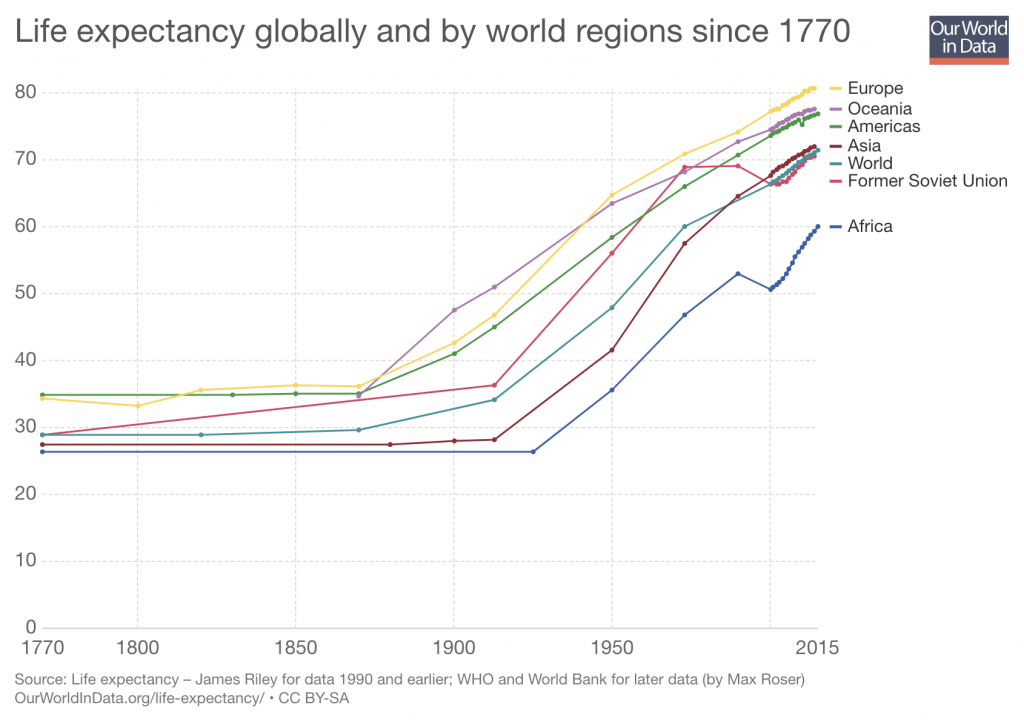
Somewhere along the way during this amazing transformation, many of the intellectual classes stopped believing in work as essential to survival, beneficial, a source of pride, a virtue. They’ve come to characterise work as a negative.
I pinpoint the origins of this mindset to nineteenth-century political philosopher Karl Marx, who saw a working class exploited by business owners. To Marx, the source of exploitation wasn’t so much the conditions of nineteenth-century factories but the act of a business owner making a profit. Marx saw a world of finite resources which business owners and workers would increasingly battle over until the system eventually collapsed in on itself, leading to communist utopia. It didn’t. Technology increased resources, reduced need and made people better off. Actually, it was those states founded on Marxist ideology that experienced economic collapse. But, even as Marxist economies came and went, the idea of work as a form of exploitation has stuck and taken on a life of its own.
Increasingly we hear the idea there’s something wrong with wanting people to work. We hear welfare recipients shouldn’t be expected to work. We hear that requiring people to do work or activities in return for welfare is exploitation and wrong. That moving people from welfare to work is unfair because they’ll become part of the “working poor”. That some jobs, like seasonal fruit picking or even work someone is overqualified for, are just not good enough to expect people to go off welfare. That there aren’t enough jobs for unemployed people. That employers discriminate against older and disabled workers so there’s no point them trying.
When I first heard the expression “working poor” I had to ask for an explanation; even then I didn’t understand. People on welfare already live in poverty. So those who warn that welfare-to-work will create a working poor are really saying: being poor is undignified enough, it’s an added indignity to be poor and working. This is a terrible outlook. My family was part of the working poor my entire childhood. Working wasn’t an indignity. It was a source of pride. I’d choose to be part of the working poor over the welfare poor any day. Being in a job – any job – makes the next job opportunity – a permanent job, a higher paid job, a better job – much more likely.
Even outside of the welfare reform debate, we hear anti-work rhetoric. We hear it’s unfair if some people earn less than others, even if they’re less experienced or capable. The latest anti-work political idea is that governments should pay everyone a non-means tested Universal Basic Income with no obligation to work because it’s imagined most jobs will disappear.
The overarching message from the intellectual class is that work is exploitative, an indignity, a burden; that work enforces inequality, is scarce and even endangered. At least, that is, for the downtrodden, the poor, the unskilled, those on welfare, the young, the aged and the disabled; and, in the future, for most unskilled workers.
The mindset of work as something negative is allowing many families and communities to be destroyed.
* * *
The welfare safety net was one of the most significant public policy innovations of the twentieth-century western world.
Keep reading
A Clockwork Filmmaker


The Insight Trap

Cornell and Consent
Robert Lynch on Status, Humour and the Apes We Pretend Not to Be | Quillette Cetera Episode 74