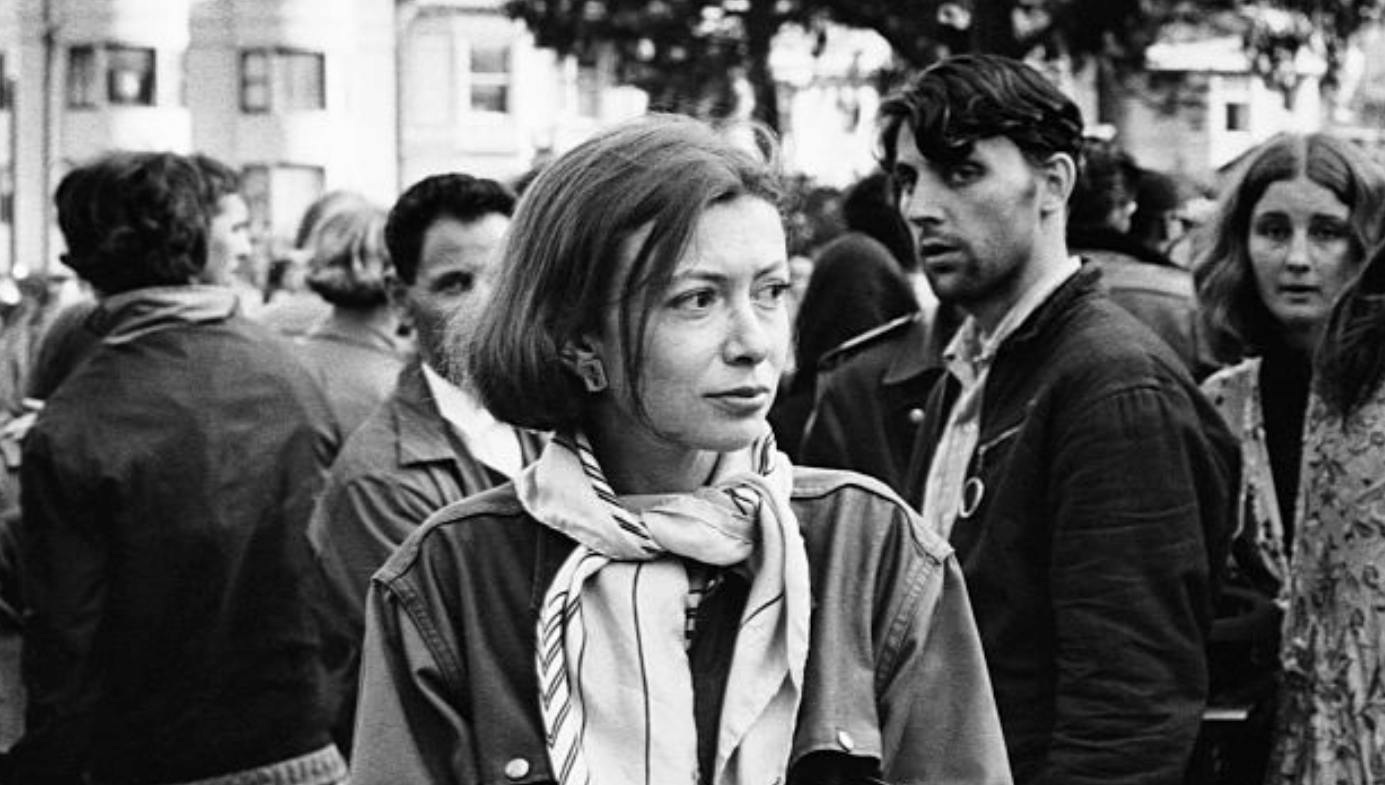
Didion in El Salvador
While Joan Didion felt compelled to write about Latin American culture and politics because everyone else was doing it, she didn’t understand them very well.
Charlotte Allen
· 17 min read
A collection of 743 posts
While Joan Didion felt compelled to write about Latin American culture and politics because everyone else was doing it, she didn’t understand them very well.
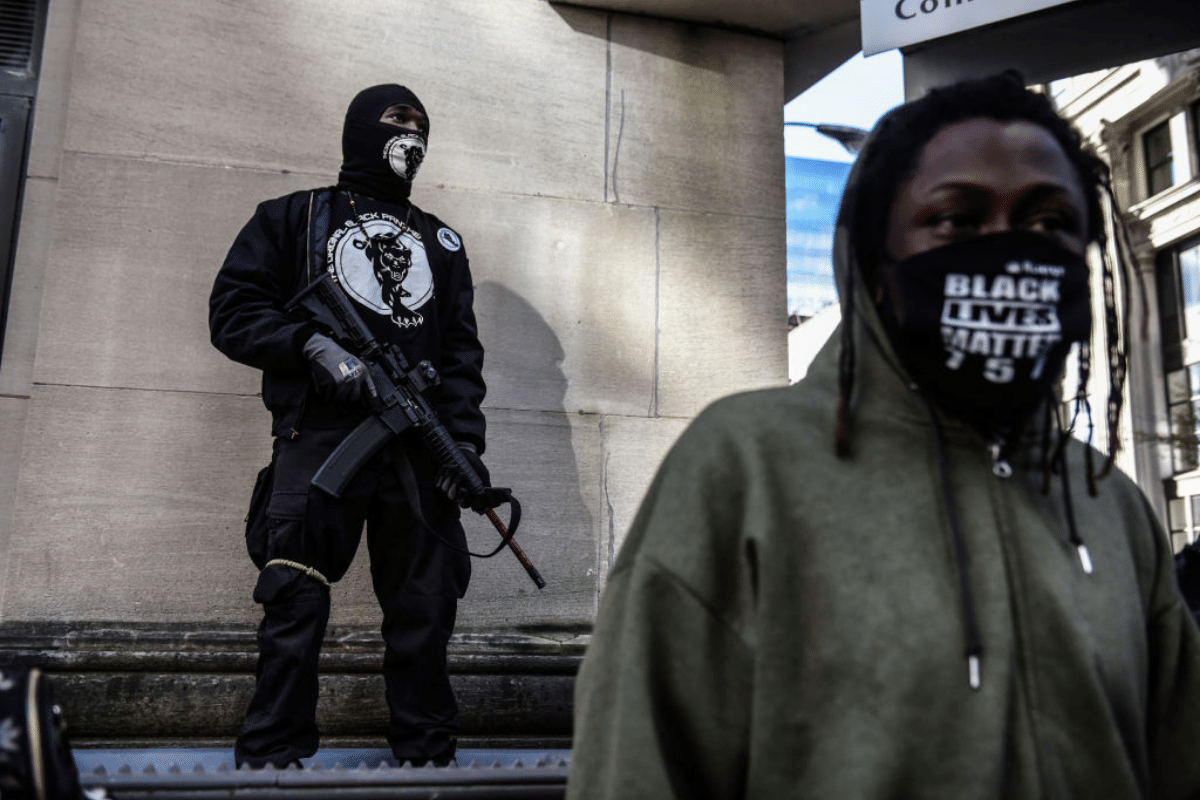
One of the early signs of trouble for the British anti-racism movement was a tweet sent by Lee Jasper in April 2013, in which he declared that black people are incapable of being racist, and offered to publicly debate anybody who disagreed. I offered to debate him, as did
A review of The Identity Myth by David Swift. Constable, 320 pages (June 2022). In recent decades, anxieties afflicting Western democracies have arisen from new beliefs and conflicts about how citizens relate to each other—their relative status in society, notions of mutual respect, and the patterns that the past
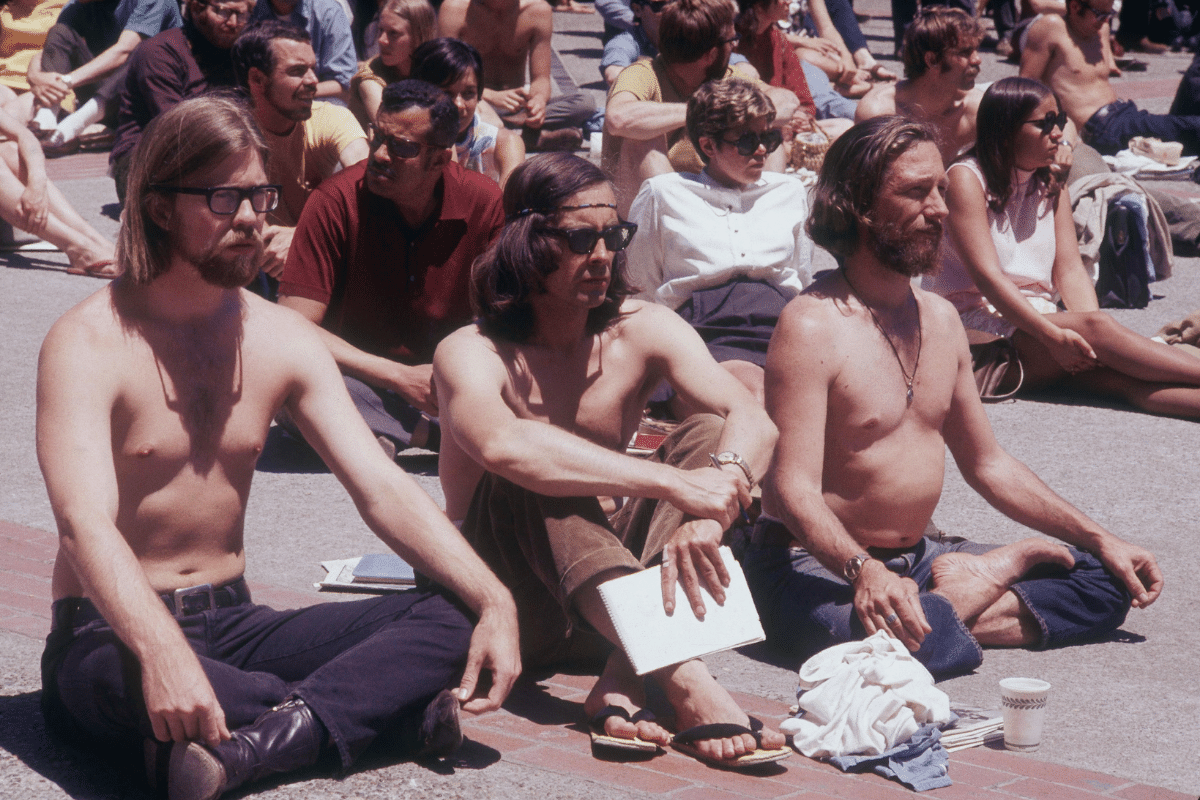
A review of The Lost Promise: American Universities in the 1960s by Ellen Schrecker. University of Chicago Press, 616 pages (December 2021). The 1960s were the tipping point of postwar American history at which the conservativism of the previous decade evolved into an era of growing liberal consensus. Historian James

Respect for reason has waxed and waned throughout history. Today, its tide is receding. University professors resign in frustration from what were once our bastions of rationality. Increasingly, the barbarians are not merely at the gates, but running the show in a vast swathe of humanities departments. After decades of

In the early days of World War Two, George Orwell published a marvelous essay entitled “England Your England.” With the Luftwaffe in the skies above London laying waste to the city, Orwell observed a peculiarly contemptible trait of the English intelligentsia. In a word, this portion of the national elite

Both the right to freedom of expression and the institution of trial by jury came under intense scrutiny just three weeks after Raab’s article, when a Bristol jury acquitted four young people of criminal damage, even though they had all admitted tearing down a city centre statue.
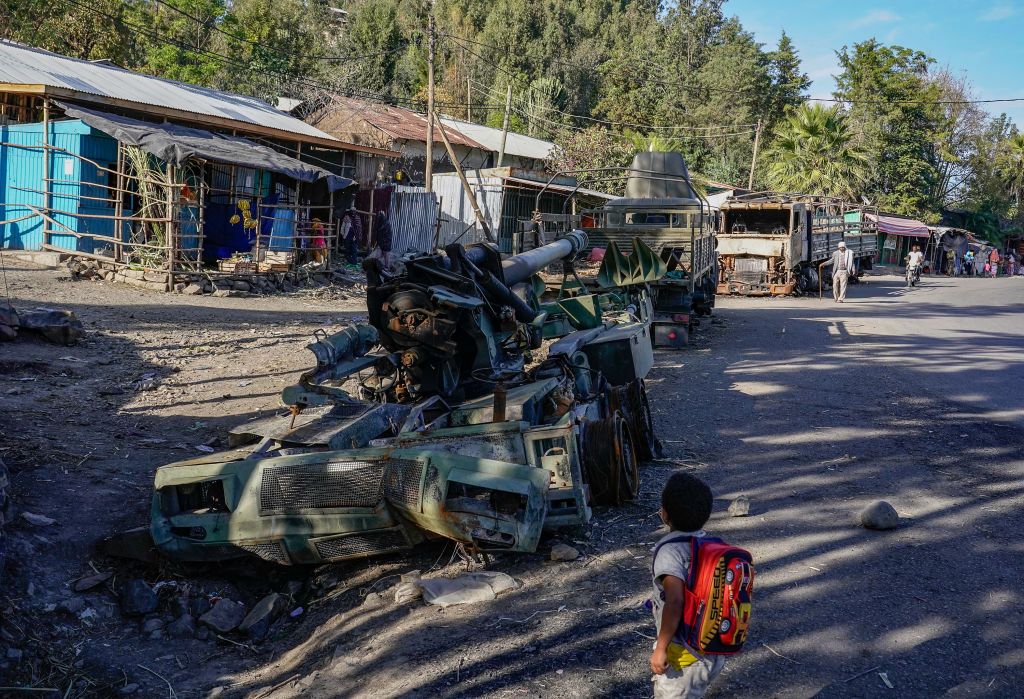
The growing use of armed drones in Ethiopia and other backwater conflicts is linked to the recent war in Afghanistan.

According to the mainstream narrative about race, “white supremacy” is an all-controlling social force responsible for bad outcomes such as racial disparities. According to an alternative narrative popular on the far-Right, Jewish influence is a similarly powerful force, which explains outcomes disliked by those on the Right, such

Rand’s style often caused her to be misunderstood and dismissed as some kind of Nietzschean.
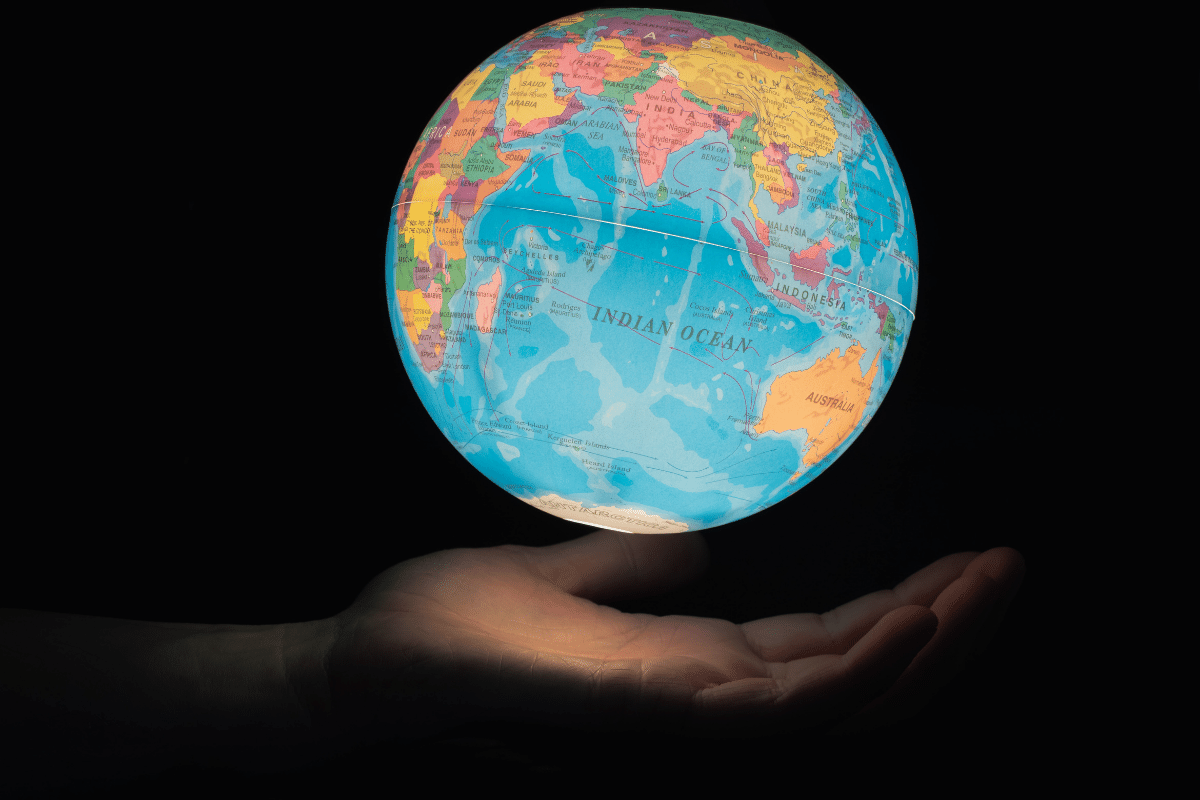
A review of World in Danger: Germany and Europe in an Uncertain Time by Wolfgang Ischinger, Brookings, 280 pages (November, 2020) Every winter in Bavaria, the great and the good from Europe and the United States gather to take stock of the threats facing the world. The Munich Security Conference

I anticipated a more thoughtful exploration of Christopher Hitchens’s political history and relevance than what Ben Burgis provided.

Putin believes that the current crisis puts principled opposition to authoritarian empire-building at odds with the imperatives of faith and history, as well as the pragmatic imperative of keeping Germans supplied with energy.
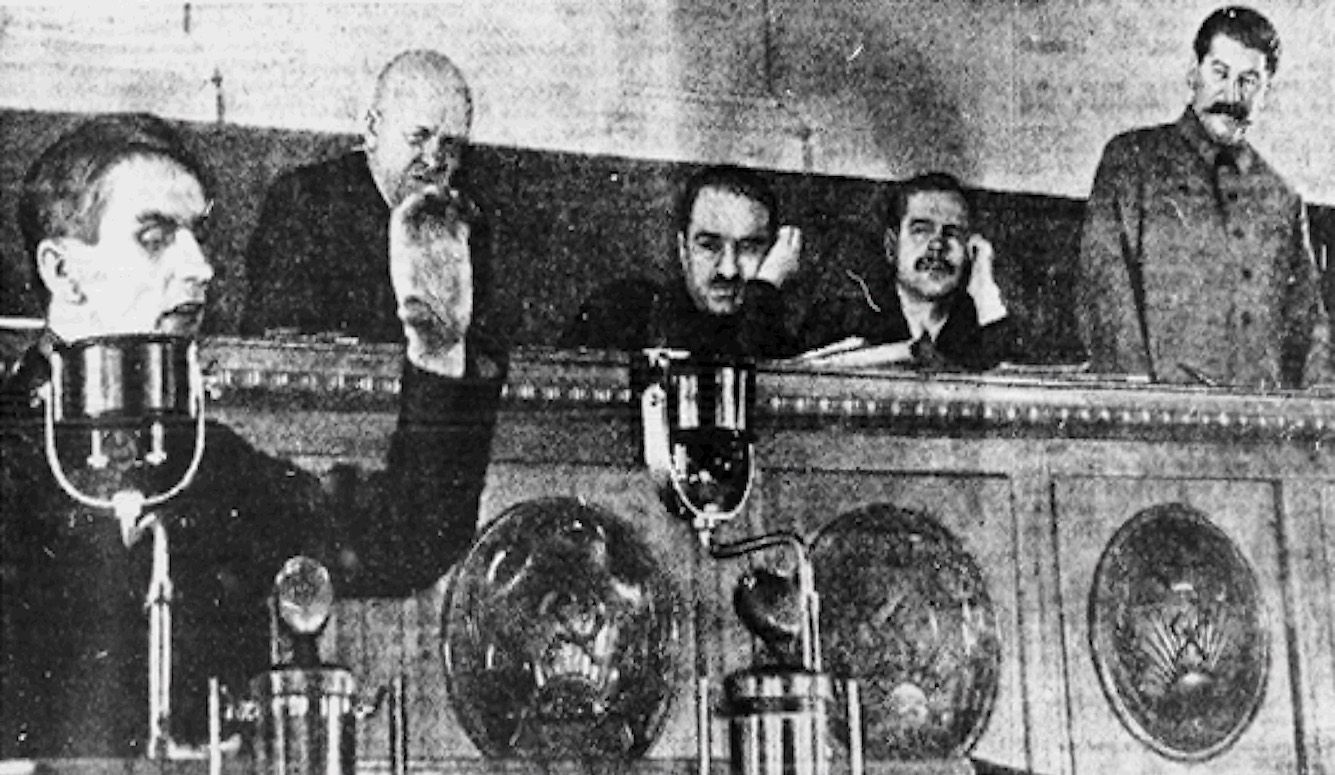
We need to break the spell of illiberal ideology, and come back to our collective senses—to stop self-censoring in fear of the mob and excusing nonsense in the name of political allyship, and to start defending the values of pluralism, humanism, and democracy.
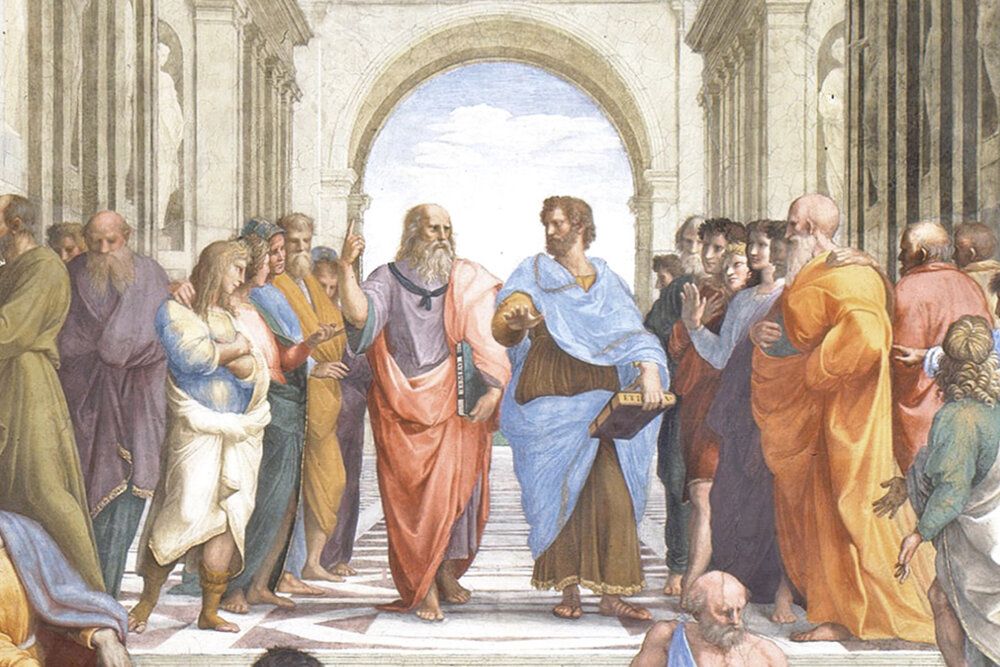
Wooldridge argues that meritocracy can only survive if it is infused with an ethos that prioritizes virtue, applying talent to ends that ennoble rather than enrich.