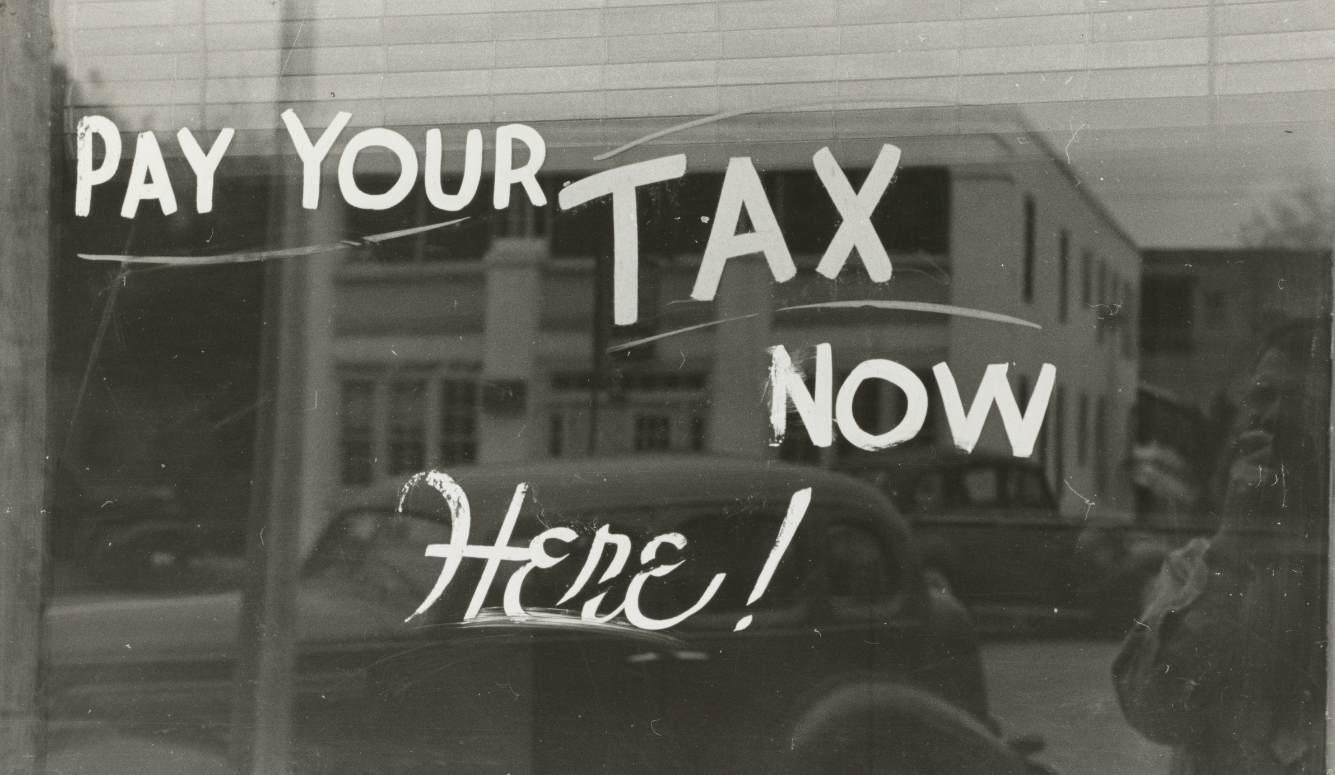
The Retro Fashion of the Wealth Tax
Every few decades, the ideas with the worst track records come back into style.
Kristian Niemietz
· 8 min read
A collection of 450 posts
Every few decades, the ideas with the worst track records come back into style.

Watching Gillo Pontecorvo’s film six decades after its release permits a nuanced understanding of the events that it portrays, which was unavailable when it first came out.
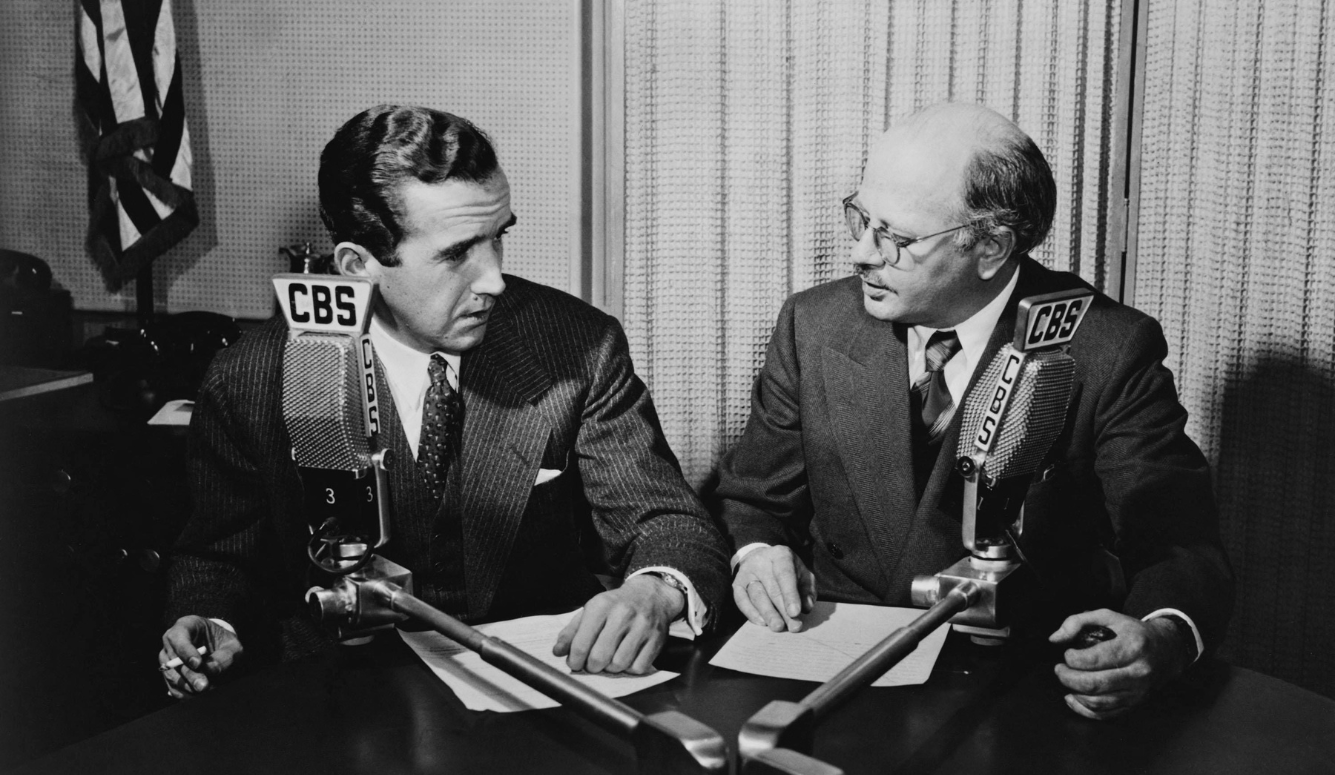
The rise, fall, and rise again of one of the 20th century’s most important journalists.

Israeli governments have never decided what to do with the West Bank—so the settlers have begun deciding for them.
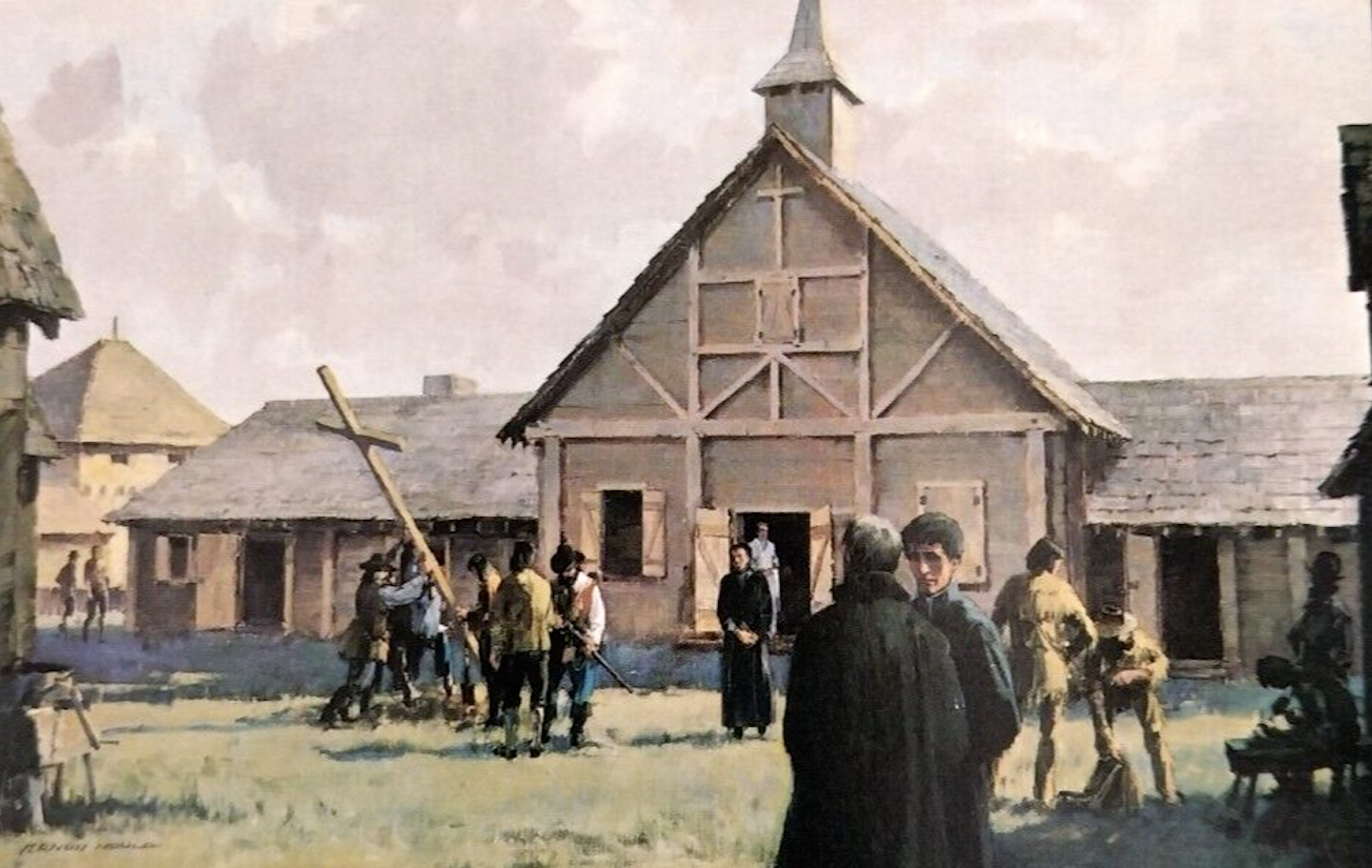
In the 30th instalment of ‘Nations of Canada,’ Greg Koabel describes the expanding Jesuit presence of the late 1630s—and the increasingly bitter opposition it provoked among France’s local Indigenous allies.

A distinguished historian of the Holocaust views Israel through the wrong prism.

Reconsidering Israel’s wars in 1956, 1982, and 2026.

Humans have not merely been shaped by evolution—we have shaped it too, through the environments we chose to inhabit and the lives we chose to lead.
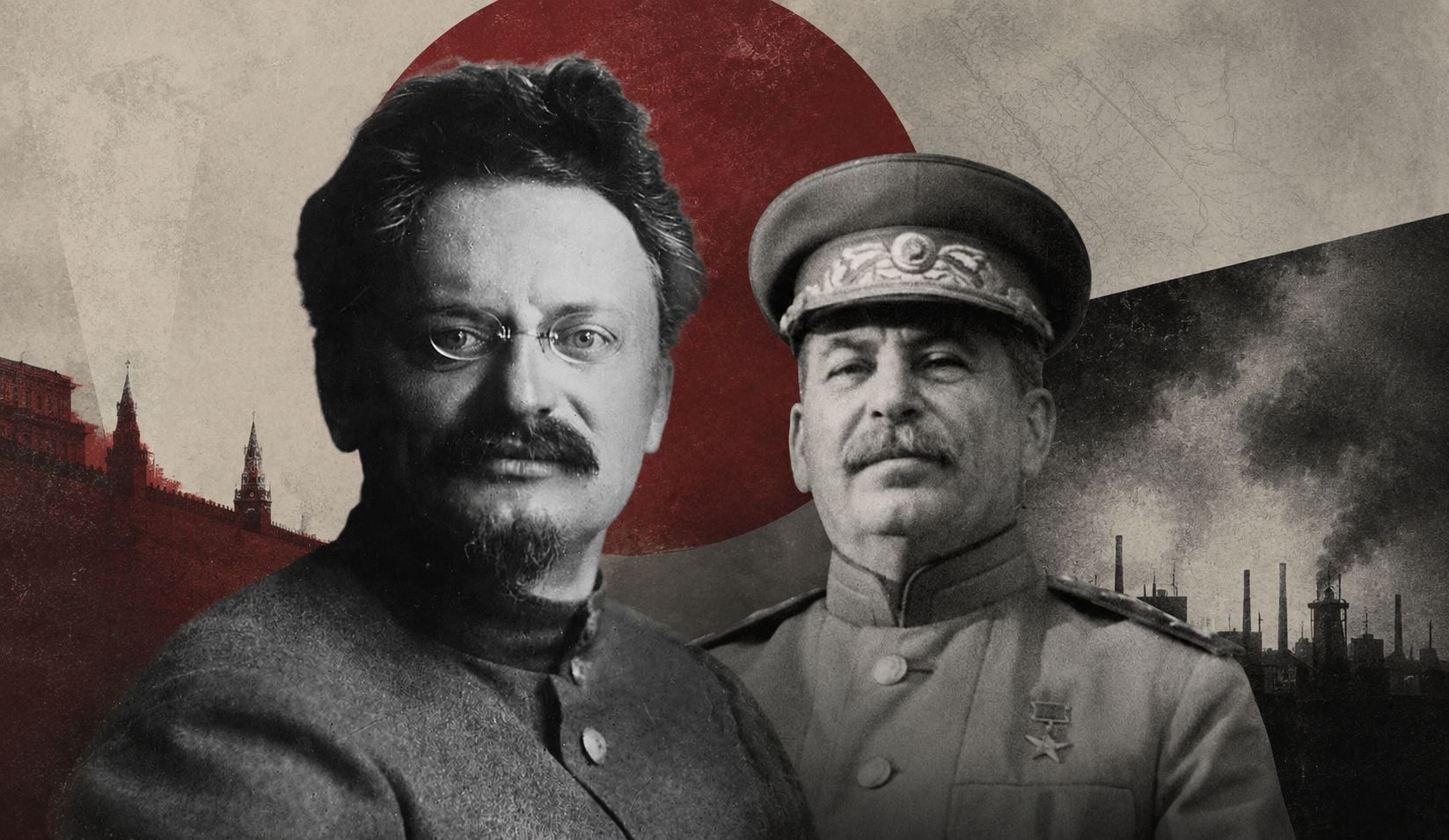
British author Josh Ireland’s new book about the murder of Leon Trotsky tells the gripping story of a rivalry between two very different men.
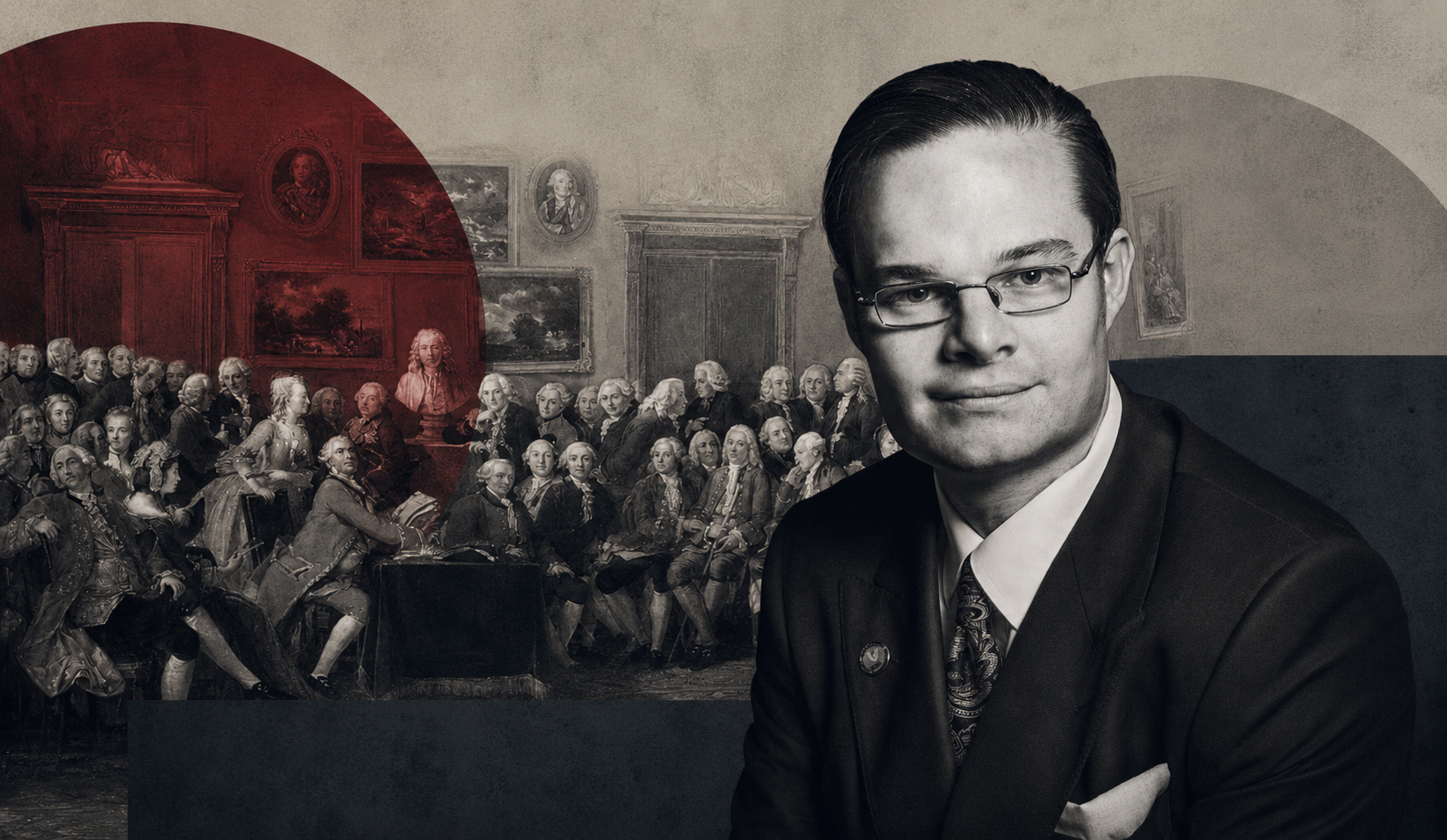
Iona Italia talks to lawyer and historian Adam Wakeling about the enduring importance of Enlightenment values and how to defend them today.

Contemporary anti-Zionism encodes a totalising worldview that blends the tributaries of Nazi, communist, and Islamist anti-Zionism into a single stream.
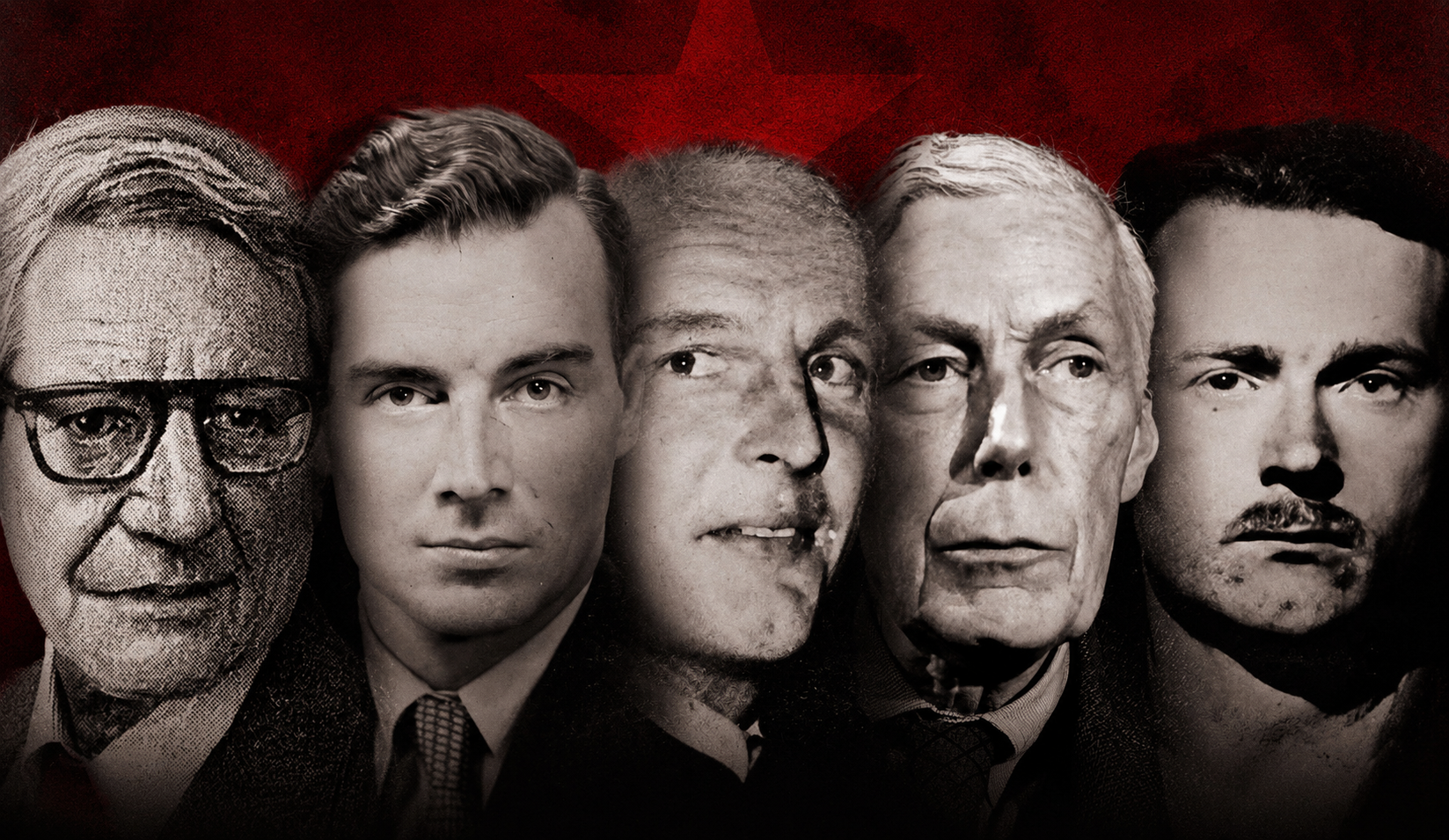
A fabulous new history of the Cambridge Five by Antonia Senior provides the definitive account of Britain’s most famous traitors.

My nephew's schoolmate sang at Eurovision last week. Here is what the people who booed him don't understand.
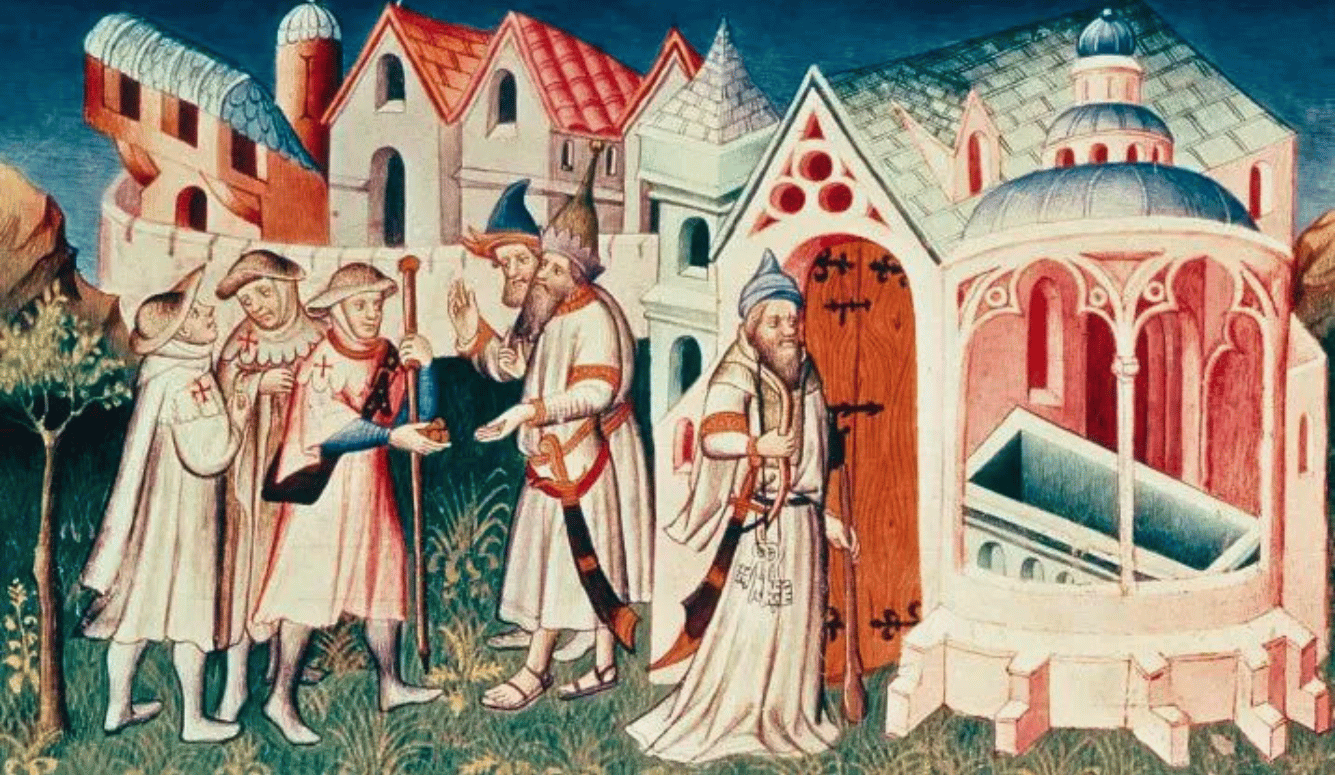
In a fascinating new book, historian Anthony Bale vividly reconstructs the brutal, fantastical, and sometimes deeply religious experiences of medieval travellers across Europe, the Middle East, and Asia.
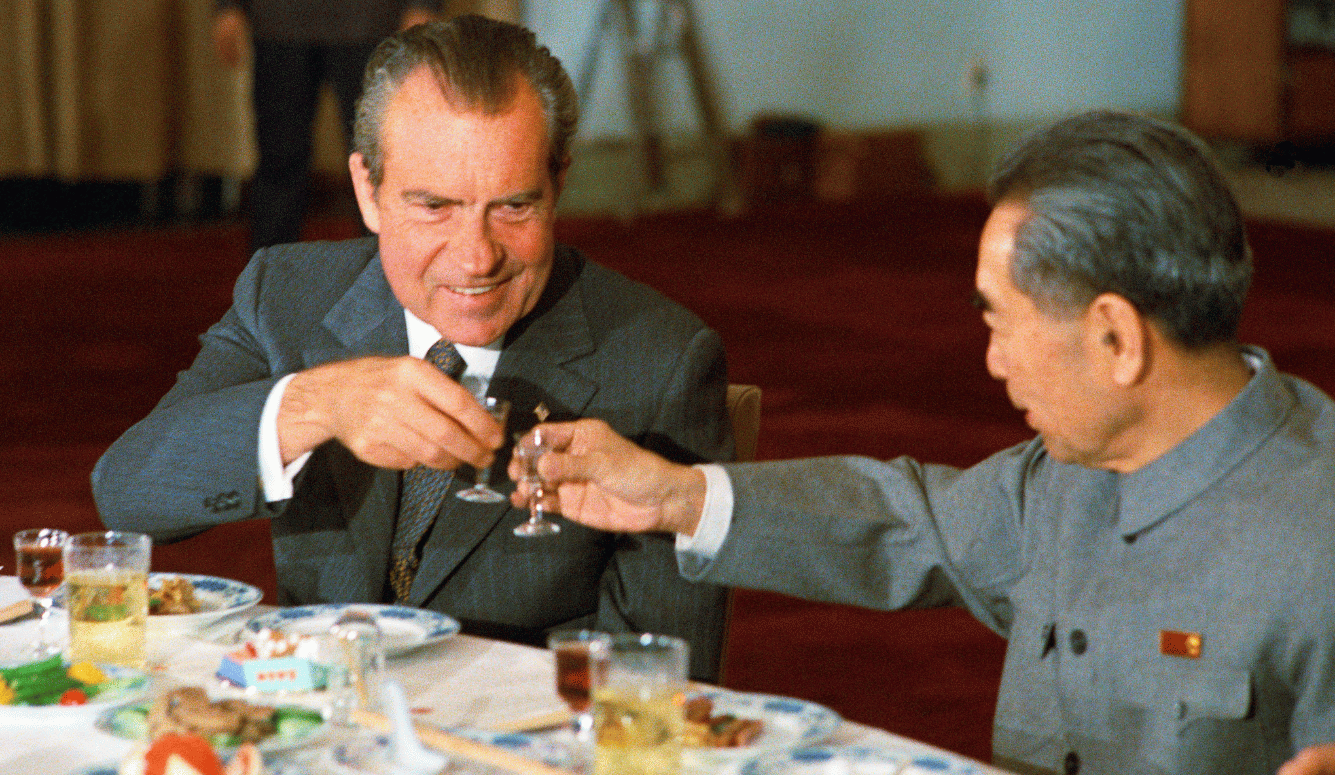
After all these years, the Communist Party is still handcuffed to its American rival, and it is unable to break free.