
An Electoral Reckoning at Last?
Benjamin Netanyahu’s unprecedented tenure as Israeli prime minister may be about to end.
Benny Morris
· 9 min read
A collection of 219 posts
Benjamin Netanyahu’s unprecedented tenure as Israeli prime minister may be about to end.

Four years into the full-scale invasion, Ukraine bears little resemblance to the country Russia expected to defeat in a matter of days.
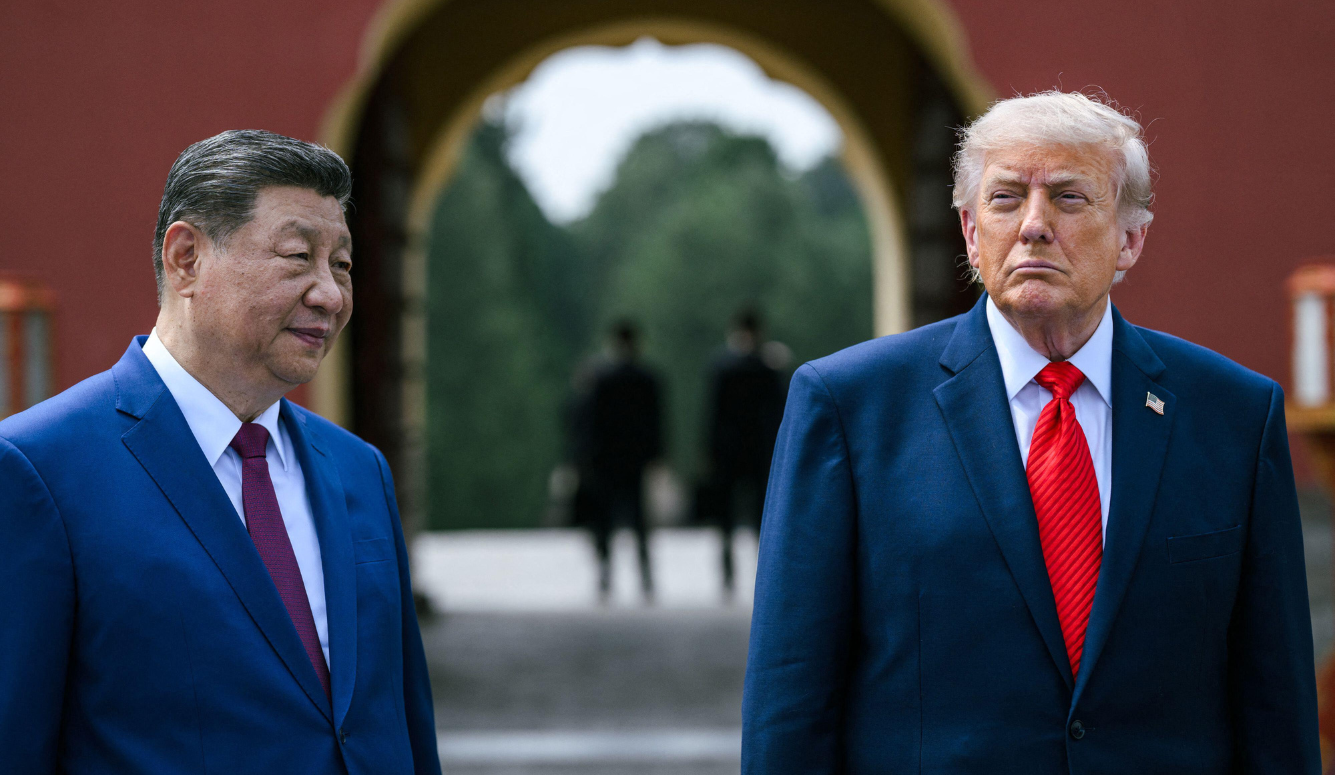
Donald Trump seems to have given up on Taiwan’s long-term future.
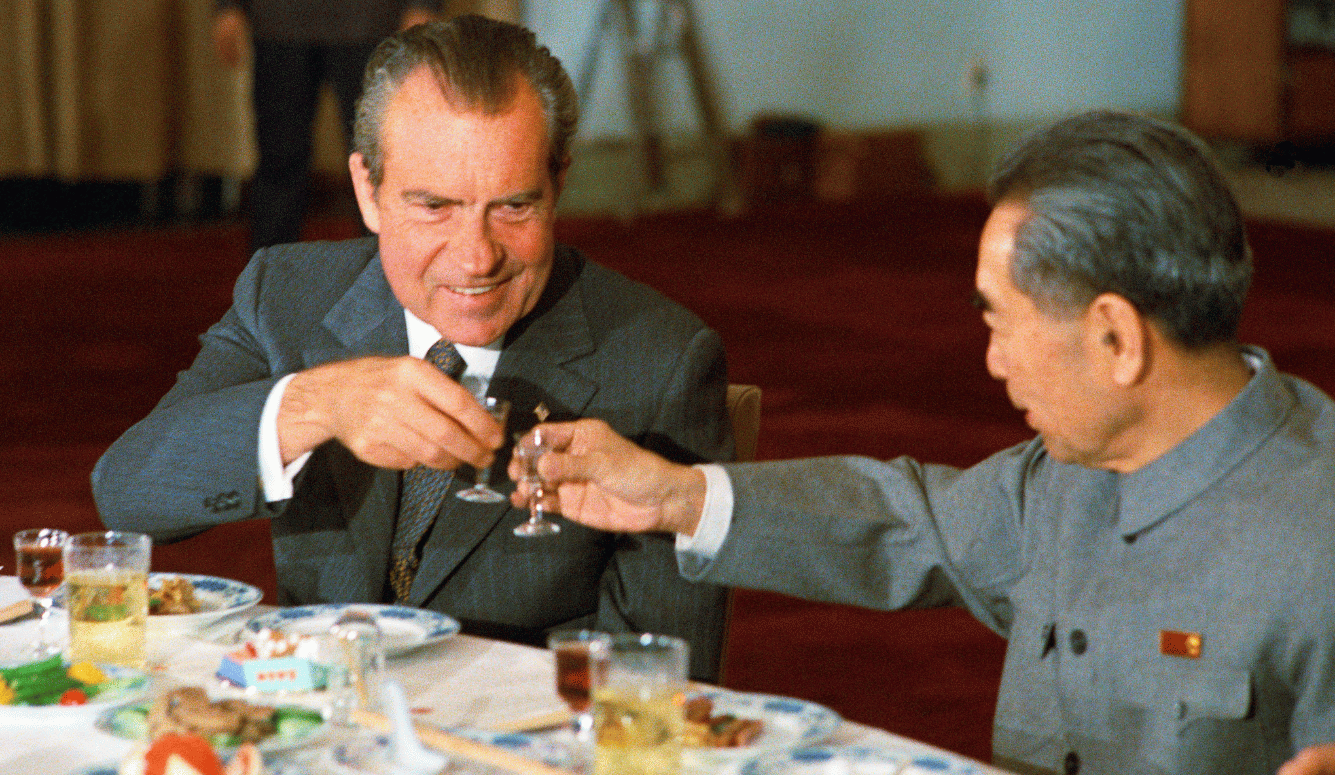
After all these years, the Communist Party is still handcuffed to its American rival, and it is unable to break free.
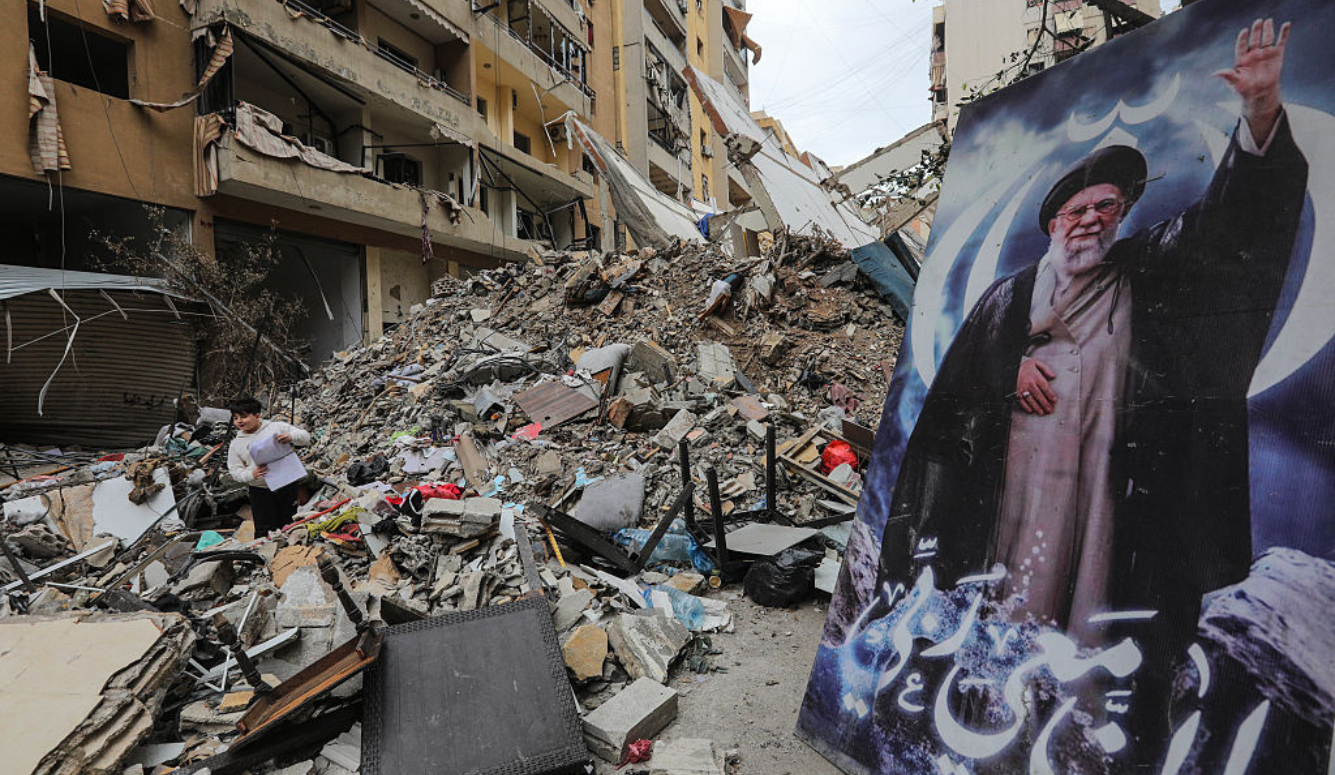
Amid the great uncertainties produced by the Iran War, some likelihoods have begun to emerge.
In Iran, Donald Trump is showing us what a populist war looks like.
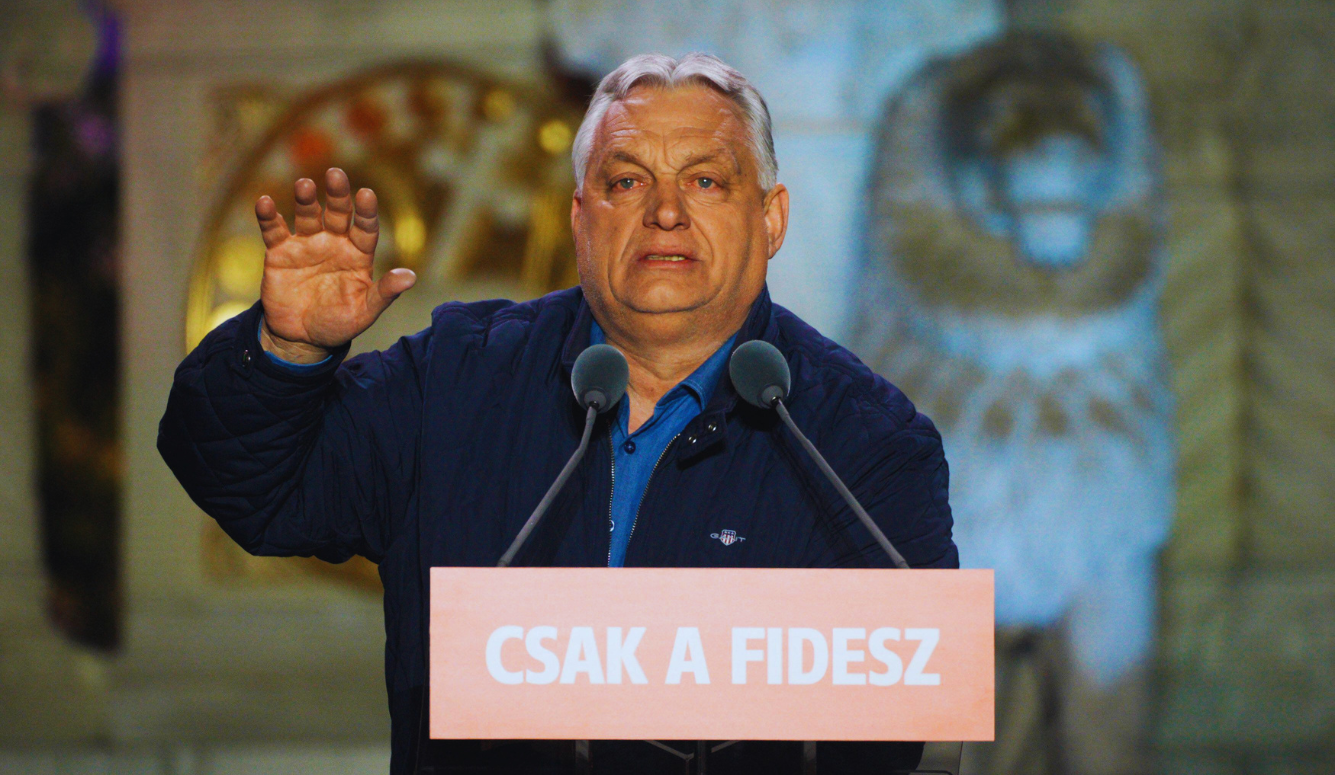
Orbán’s defeat should scare the hell out of populist authoritarians.
The German state has been generous to its beneficiaries—but that largesse is becoming increasingly unsustainable.

Where local collaboration is absent, foreign intervention imposes enormous costs or simply stalls. Where it exists, intervention can succeed with surprising velocity.
Israel and the United States have already done much to dismantle the Axis of Resistance, but the broader network supported by Iran remains most active in Western Europe.

Three Flemish universities are about to convey the sanction of university-recognised expertise to a deeply dishonest and fraudulent individual.

Why the misunderstood sovereign UAE thrives, and why ideologues—from the Islamic Republic to the Muslim Brotherhood—are invested in its demise.

The CCP will certainly take advantage should Iran turn into a major distraction for the US.

An interview with Dr Shmuel Bar.
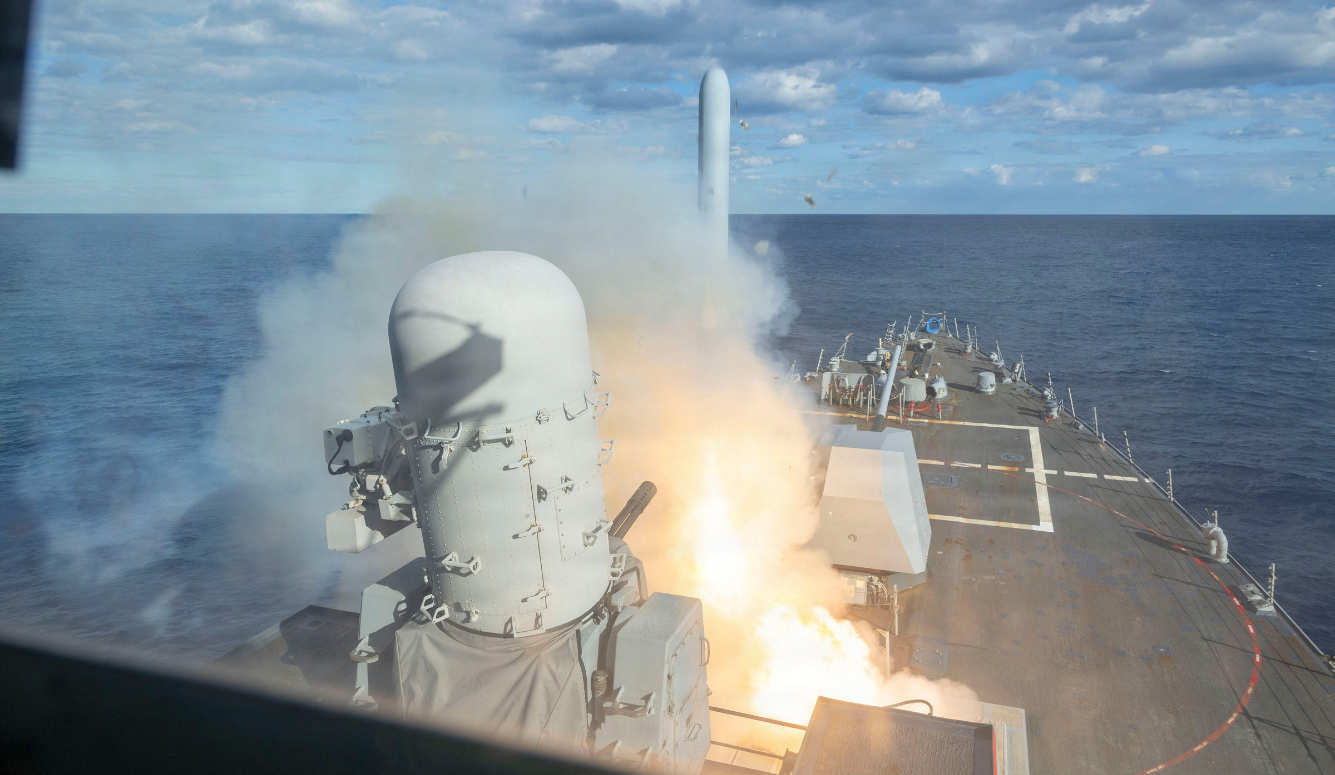
Operation Epic Fury is not just about Iran.